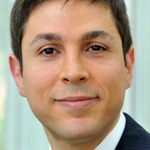
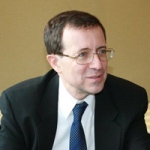
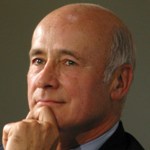
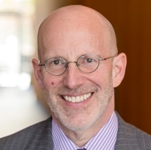
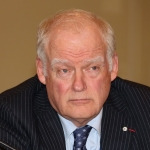
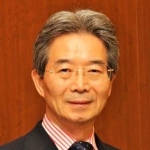
Vuk Jeremić

President of the Center for International Relations and Sustainable Development (CIRSD), a global public policy think-tank and a Co-Founder of the Global Preventive Diplomacy Initiative. He is the Editor-in-Chief of the quarterly magazine Horizons – Journal of International Relations and Sustainable Development. He is a Professor of Practice at the Sciences Po Paris School of International Affairs and a Visting Professor of Practice at Tsinghua University in Beijing. Mr. Jeremić is Senior Advisor to Eurasia Group, world’s leading geopolitical risk analysis firm, providing insights and advice to top international corporations, financial institutions, and governments worldwide. He served as Serbia’s Minister of Foreign Affairs from 2007 to 2012. From 2017 to 2024, Mr. Jeremić served as Senior Advisor to Partners Group, leading global private equity firm based in Switzerland.

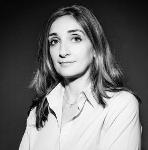
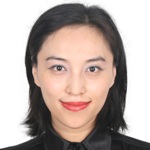
Michèle Boos

CEO of the electric car company Mia Generation and corporate consulting firm Focus Asia France. She was one of the first businesspeople to move to St. Petersburg at the time of Mikhail Gorbachev’s policy of perestroika. Here, she specialized in restructuring companies from former Communist countries. In 1999, she founded the online portal Wall Street Reporter in New York, and was publisher of the magazines Art Tribune, Antique Doll Magazine and Collectors Eye. She graduated from New York Fordham University and from the University of Strasbourg.

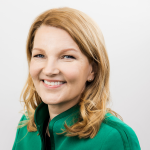
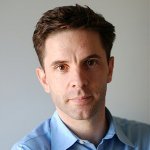
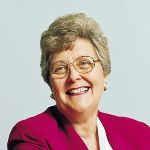
Mari Kiviniemi

Mari Kiviniemi has been Managing Director of the Finnish Commerce Federation since 2019. She served as OECD Deputy Secretary General from 2014 to 2018. 41st Prime Minister of Finland from 2010 to 2011, she previously held various positions in the Finnish government, including Minister of Public Administration and Local Government, Minister for Foreign Trade and Development and Minister for European Affairs. She was a Member of Parliament from 1995 to 2014, chairing and participating in a vast number of committees. Deputy Party Leader of the Finnish Centre Party from 2003 to 2008, she was elected Leader of the Party in 2010. She sits on the board of directors of Blic Public affairs and the supervisory board of Messukeskus Helsinki. She has been a member of many other boards including the Helsinki City Council, the Finnish National Opera Foundation and Lännen Tehtaat Oyj. She holds a Master’s degree in Social Sciences from the University of Helsinki.

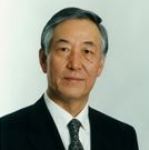
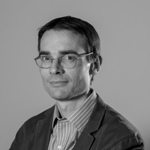
Kim Chulsu

Senior advisor at Lee International IP & Law Group in Seoul and Chairman of Institute for Trade and Investment (ITI), a research and consulting organization affiliated with Lee International, a law firm based in Seoul. He previously taught trade policy at Sejong University and served as its President (2002-2005). From 1995 to 1999, he served as Deputy Director-General of the WTO. He was the Korean Minister of Trade, Industry and Energy (1993-1994). He was appointed Korea’s Ambassador for International Trade in 1994. He graduated from Tufts University and the University of Massachusetts where he earned master’s and doctorate degrees in Political Science.

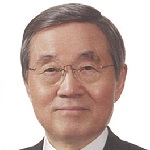
Hyun Hong-Choo

He served as Korea’s Ambassador to the United States (1991-1993) and as Korean Ambassador at the Permanent Observer Mission to the UN. He has been a member of Korea’s Special Committee for Constitutional Revision, Committee for Presidential Transition and Advisory Council of the Korean Constitutional Court. He is currently a member of the U.S.-Korea Business Council, Presidential Board of Advisors on National Unification and the Commission for National Security Posture Review. He graduated from Seoul National University and Columbia Law School in New York.

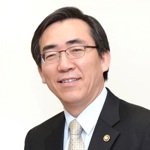
Cho Tae-yul

2nd Vice Minister of Foreign Affairs of the Republic of Korea since 2013. He joined the Ministry of Foreign Affairs (MOFA) in 1979. He held different positions such as Counsellor, Korean Permanent Mission to the UN Office and other International Organizations in Geneva, Switzerland (1996-2000), Ambassador, Korean Permanent Mission to the UN Office and other International Organizations in Geneva, Switzerland (2005-2006). He also served as Deputy Minister for Trade (2006-2008) and Ambassador to Spain (2008-2011). He graduated from Seoul National University and he studied at Oxford University, United Kingdom.

Ribal Al-Assad

Founder and Director of the Organisation for Democracy and Freedom in Syria and Chairman of the Iman Foundation. He campaigns internationally for democracy, freedom and human rights, and is a regular speaker on human rights platforms, as well as writing regularly on these issues. He is particularly involved in promoting interfaith dialogue and relations between Muslims, Jews and Christians around the globe. He holds a Bachelor of Business Administration degree from the InterAmerican University, New York and an MA from the University of Leicester, United Kingdom.

José Manuel Barroso

11th president of the European Commission (2004-2014). He served as Prime Minister of Portugal from 2002 to 2004. His political career began in 1980 when he joined the Social Democratic Party (PSD). He was elected President of the party in 1999 and re-elected three times. During the same period, he served as Vice President of the European People’s Party. He also held the position of Minister of Foreign Affairs of Portugal (1992-1995). He has a degree in law from the University of Lisbon. Furthermore, he completed a Diploma in European Studies and a Master’s degree in Political Science from the University of Geneva.

Marie-Claire Aoun

Director of the Center for Energy at the French Institute of International Relations (Ifri) and lecturer at Paris Dauphine University. She began her carreer in the energy sector in 2004 as a research fellow at the Center for Geopolitics of Energy and Raw Materials (CGEMP) at Paris Dauphine University. She served as Economist for the French energy regulator (Commission de Régulation de l’Energie) (2008-2014). She holds a PhD in Economics from Paris Dauphine University and is the author of several papers on energy.

Justin Vaïsse

A French historian, he was appointed Director of Policy Planning at the French Ministry of Foreign Affairs in March 2013. In this role, he advises the Minister on his strategic decisions and provides background analysis and forecast on international affairs. Prior to this appointment, Justin Vaïsse was Senior Fellow in Foreign Policy at the Brookings Institution and an adjunct professor at SAIS (Johns Hopkins University). An Associate teacher at the Paris School of International Affairs, Dr. Vaïsse is the author of numerous books on the United States, including Neoconservatism – The Biography of a Movement (Harvard University Press, 2010). His biography of former National Security Adviser Zbigniew Brzezinski was published in France in early 2016 and will come out in English in 2017.

Riccardo Sessa

Vice President of the Società Italiana per l’Organizzazione Internazionale (SIOI). Italian Ambassador (rtd.), former career diplomat. His last position was Italian Permanent Representative to the North Atlantic Council (NATO) in Brussels (2010-2013). Before he has been Ambassador to Belgrade (1997-2000), Teheran (2000-2003), Director General for Mediterranean and Middle East (2003-2006) and Ambassador to Beijing, accredited also to Ulan Baatar (2006-2010). He attended the Institute of Political Studies of Paris and graduated in Law from “La Sapienza” University in Rome. Currently President of the Italian company for the Mount Blanc Tunnel (SITMB), President of the Italian Manifacture of Tobacco (M.I.T.), President of Italy-Serbia Association and Vice President of the Italian Society for International Organization (SIOI).

Ben Scott

Senior Advisor to the Open Technology Institute at the New America Foundation in Washington D.C. and Program Director at the Stiftung Neue Verantwortung in Berlin. Previously, he was Policy Advisor for Innovation at the US Department of State. He also led the Washington office for Free Press, a non-profit organization focused on public education and public interest advocacy in media and communications policy. He holds a PhD in communications from the University of Illinois.

Jérôme Pasquier

Ambassador of France to South Korea. He held various prominent positions such as Ambassador of France to Croatia (2009-2012) and Deputy General Manager for International Cooperation and Development (2004-2009). From 1998 to 2002, he also served as Consul General of France to Hong Kong and from 1988 to 1992, he was Cultural Advisor to Seoul. He graduated from the École polytechnique and from the École nationale d’administration.

Joseph Nye

Professor at the Harvard’s Kennedy School of Government. He also served as Deputy to the Under Secretary of State for Security Assistance, Science and Technology and chaired the National Security Council Group on Nonproliferation of Nuclear Weapons. He chaired the National Intelligence Council. He is also the author of numerous books. In 1994 and 1995, he served as Assistant Secretary of Defense for International Security Affairs. His most famous books are: The future of Power (2011) and Soft Power: The Means to Success in World Politics (2004). He graduated from Princeton University and Oxford University and earned a PhD in political science from Harvard University.

Marcus Noland

Executive Vice President and Director of Studies at the Peterson Institute for International Economics. His research addresses a wide range of topics at the interstice of economics, political science, and international relations, most recently focusing on the global impact of Trump Administration policies regarding tariffs, mass deportations, and Fed independence. His areas of geographical knowledge and interest include Asia and Africa where he has lived and worked, and the Middle East. In the past he has written extensively on the economies of Japan, Korea, and China, and is unique among American economists in having devoted serious scholarly effort to the problems of North Korea and the prospects for Korean unification.

Bark Taeho

President of the Seoul Forum for International Affairs (SFIA), he is also Professor Emeritus and former Dean of the Graduate School of International Studies at Seoul National University, Korean Chair of the Asia-Pacific Group of the Trilateral Commission, and Co-Chair of the Korea–Canada Forum. He served as President of the Global Commerce Institute of Lee & Ko, a leading global law firm in Korea, and as Non-Resident Senior Visiting Scholar at Harvard Kennedy School’s Belfer Center. He served as Korea’s Minister for Trade (2011–2013) and was the Korean candidate for WTO Director-General in 2013. His public service includes Chairmanship of the Korean International Trade Commission and leadership of the Asia-Pacific Economic Cooperation Investment Expert Group (2000–2002). Before joining Seoul National University, he taught at Georgetown University and worked at the Korea Development Institute and the Korea Institute for International Economic Policy. He has also been affiliated with the IMF, World Bank, and Asian Development Bank. He has authored books and articles on international trade, foreign direct investment, and the Korean economy, and received the “Order of Service Merit, Yellow Stripes”. He holds a BA from Seoul National University and a PhD from the University of Wisconsin–Madison.

André Caillé

Director of several corporations, including Junex Inc., an oil and gas exploration corporation, for which he is a Senior Strategic Advisor. He is on the Board of Directors of the National Bank of Canada. He was Chancellor of the University of Montreal, Chairman of the World Energy Council and Deputy Minister of the Environment of Quebec. He also served as President and Chief Executive Officer and Chairman of the Board of Hydro-Québec, and President and Chief Executive Officer of Gaz Métropolitain. He graduated from the University of Montreal, where he obtained a master’s degree and a doctorate in physical chemistry.

Richard Haass

President of the Council on Foreign Relations (CFR) since 2003. He is the author of twelve books on American foreign policy and one book on management. From January 2001 to June 2003, he held the position of Director of policy planning for the Department of State, where he was a principal adviser to Secretary of State Colin Powell. From 1989 to 1993, he served as special assistant to President George H.W. Bush and senior director for Near East and South Asian affairs on the staff of the National Security Council. He graduated from Oberlin College and Oxford University.

Fen Osler Hampson

Director of CIGI’s Global Security & Politics program, Co-director of the Global Commission on Internet Governance and Chancellor’s Professor at Carleton University in Ottawa, Canada. Previously, he served as director of the Norman Paterson School of International Affairs. He is the recipient of various awards and honors and is a frequent contributor to the national and international media. He is the author of 10 books including The Global Power of Talk (co-authored with I. William Zartman). He serves on the International Advisory Board Committee of the Korea National Diplomatic Academy. He holds a PhD from Harvard University.

Marc Mourre

Senior Advisor to Mohamed Kallala, Chief Executive of Natixis since January 2025. He has over 37 years’ banking experience, primarily with Morgan Stanley and Natixis. At Morgan Stanley he was latterly Managing Director, Vice Chairman of the Commodities Division and Chairman of the firm’s African business. His experience at Morgan Stanley also includes co-founding the bank’s oil trading activities in London in 1986, establishing its energy trading activity in Asia in 1988, and setting up its Singapore office for commodities in 1990. Before joining the finance industry, Marc worked three years for the French Ministry of Foreign Affairs as Cultural Attaché in Hong Kong, and then at Elf Aquitaine (now Total) for over four years as a crude oil trader. Marc joined Natixis as a Senior Adviser in March 2017, was appointed Global Head of Global Markets Commodities in October 2017, promoted Executive Chairman of Global Commodities Markets in 2019 and became Global Co-Head of Commodities in January 2021. Marc holds a Master of Science degree in business administration from Sup. de co., Marseille, a D.E.A in business administration from ESSEC/ IAE, Aix en Provence and a D.E.S.S in international trade and transportation from Aix Marseille University. He taught international finance at HEC for four years. Marc was Chairman of the Trustees of the Friends of the French Institute in London for 12 years and remains a Trustee. He is Commissioner and Chair of the Crown Estate Paving Commission, Conseiller du Commerce Exterieur, Chevalier des Arts et des Lettres and Chevalier de la Legion d’Honneur.

Alejandro Jara

Senior counsel at King & Spalding LLP. He served as Deputy Director General of the World Trade Organization from 2005 to September 2013. During 2001, he served as Chairperson of the Committee on Trade and Environment of the WTO, and in February 2002, he was elected as Chairman of the Special Session of the Council for Trade in Services. In June 2000, he was appointed as Ambassador, Permanent Representative of Chile to the World Trade Organization in Geneva. He graduated from the University of Chile and pursued graduate studies in the University of California at Berkeley.

Patrick Messerlin

Professor Emeritus at Sciences Po Paris. Special Adviser to Mike Moore (WTO Director general) (2001-2002), he co-chaired the Task Forces on Trade for the Millennium Development Goals (2002-2005) and on Global Finance and Trade Architecture (2007-2010). He was a member of the Global Trade Agenda Council, World Economic Forum (2009-2012).

Tatsuo Masuda

Visiting professor at the Graduate School of Nagoya University of Commerce and Business (NUCB) on energy-climate nexus. He also serves as auditor of SOC Corporation in Tokyo, chairman of FairCourt Capital in London and strategic committee member of Elion House in Singapore. He has had an extensive career in energy business and policy making as JAPEX advisor, JNOC vice president and director of the International Energy Agency. He has a strong interest in new dimension of energy and environmental policies and measures. He belongs to the Expert Network of the World Economic Forum.

Liu Chen

Professor of Social Sciences, School of English and International Studies, Beijing Foreign Studies University (BFSU). Her research interests include international relations, international political economy and international communication. Her latest book Imaging China and China’s Image around the World from 1978 Deng Xiaoping’s Reform and Opening up to 2013 Xi Jinping’s Chinese Dream: An International Communication Perspective won the grant from the National Social Science Foundation of China. She is also the Executive Director of China Association for Intercultural Communication Studies (CAFICS) and adviser to China Central Television (CCTV).

Baroness Lynda Chalker of Wallasey

Founder and Chairman of Africa Matters Ltd. Between 1986 and 1997 she was Minister of State at the Foreign & Commonwealth Office. She is a Trustee of the Investment Climate Facility for Africa (ICF), she is also an Executive Trustee of the Global Leadership Foundation, a member of the international advisory board of Lafarge et Cie and advised the World Bank for over 8 years. She is Vice-President of WaterAid, Honorary Vice-President of the British Red Cross and Patron of a number of charities working in Africa.

Nathalie Delapalme participated in the 7th edition of the World Policy Conference

Nathalie Delapalme participated in the 7th edition of the World Policy Conference which took place from 8 to 10 December in Seoul, South Korea. Nathalie was one of the panellists in the fifth plenary session of the first day “Africa in a global context”, which was moderated by Marie-Roger Biloa. The session placed emphasis on relations between Africa and Asia.

Other speakers were:

  • Youssef Amrani, Chargé de mission, Royal Cabinet, Morocco
  • Lynda Chalker, Founder and Chairman of Africa Matters Ltd; Former UK Minister for Overseas Development and Africa
  • Elisabeth Guigou, President of the Committee on Foreign Affairs of the French National Assembly
  • Wu Jianmin, Executive Chairman of China Institute for Innovation and Development Strategy

The annual meeting brought together leading figures from all five continents from political and business leaders, representatives of civil society, academia to journalists, to discuss all aspects of governance and suggest constructive solutions to major regional and international challenges.

Dünya Politika Konferansı

Dünya Politika Konferansı

10 Aralık 2014 Çarşamba 14:41

Konferansta Türkiye’yi, Kalkınma Bakan Yardımcısı Ceylan temsil etti.

Kalkınma Bakan Yardımcısı Mehmet Ceylan, Seul’de düzenlenen 7. Dünya Politika Konferansı’nda katıldı.

Bakanlıktan yapılan açıklamaya göre  7. Dünya Politika Konferansı (World Policy Conference-WPC)  8-10 Aralık’ta Güney Kore‘nin başkenti Seul‘de gerçekleştirildi. 

Konferansta Türkiye‘yi temsil eden Ceylan, ülkenin son 10 yılda edindiği kalkınma tecrübesiyle ilgili katılımcılara bilgi verdi.

Ceylan, konferans kapsamında yaptığı konuşmada, makroekonomik göstergeler, sosyal alanda yapılan reformlar, fiziksel altyapıda yapılan iyileştirmeler, 10. Kalkınma Planı ile dönüşüm programları, bölgesel kalkınma ve kalkınma yardımlarında yaşanan artış gibi konularda değerlendirmelerde bulundu.

Fransız Uluslararası İlişkiler Enstitüsü tarafından her yıl gerçekleştirilen toplantıda “Avrupa ve Doğu Asya‘da Güvenlik Yönetişiminden” “Küresel Çerçevede Afrika‘ya” kadar pek çok uluslararası konu ele alındı. – Ankara

La WPC participe au débat : le Big Data débouchera-t-il sur un Big Brother ?

Parallèlement aux grands dossiers à caractère géopolitique, la World Policy Conference, dont les travaux de sa septième édition viennent de s’achever à Séoul, a planché sur un problème lié à un autre gendre d’actualité : l’émergence du Big Data et ses conséquences économiques et politiques.


De notre envoyé spécial à SÉOUL, Michel TOUMA | OLJ

La situation actuelle au Moyen-Orient ainsi que la place grandissante qu’occupe l’Asie dans le nouvel ordre mondial – dossiers liés à l’actualité internationale – ont été au centre de la 7e édition de la World Policy Conference (WPC) qui s’est tenue du 8 au 10 décembre à Séoul (voir L’Orient-Le Jour des 8, 9 et 10 décembre). Mais parallèlement, et dans le but d’élargir le débat et d’étendre les échanges de connaissances à un champ plus large que la sphère purement politique, les congressistes réunis dans la capitale coréenne ont planché dans le même temps sur des thèmes à caractère sociétal en rapport avec le changement climatique, l’énergie, l’environnement, les défis que pose le phénomène de Big Data, sans compter les rapports agroalimentaires entre l’Asie et l’Afrique. Autant de sujets liés aussi à l’actualité, mais une actualité d’un autre genre. Celle qui concerne les populations dans le détail de leur vie quotidienne et qui influe sur leur niveau de vie.
Le développement exponentiel de la révolution numérique est à n’en point douter l’un des principaux domaines qui touche de près le citoyen lambda. À l’ouverture de la session consacrée aux conséquences économiques et politiques du Big Data, le modérateur du débat, Nicolas Barré, directeur adjoint du quotidien Les Échos, indiquait, en guise d’entrée en matière, qu’en l’an 2000, un quart des données dans le monde étaient sous forme numérique. Aujourd’hui, cette proportion est quasiment de 100 pour cent. Et dans ce bouleversement vertigineux, l’Asie joue un rôle central. C’est du moins ce qu’affirme Chang Due Whan, président d’un géant médiatique en Corée du Sud, le Mackyung Media Group, qui possède, notamment, un quotidien, qui tire à un million d’exemplaires, ainsi que quinze de chaînes de télévision.
Évoquant les circonstances de cette révolution du XXIe siècle, Chang Due Whan souligne que la plupart des nouvelles inventions dans le domaine numérique viennent d’Asie. Il en déduit que cette zone sera la force motrice du secteur des appareils numériques, tels que les smartphones ou les phablets (combinaison du téléphone et de la tablette). Le développement dans ce domaine est tellement rapide que nombre d’utilisateurs estiment déjà que le PC est devenu obsolète et qu’il est de plus en plus évincé par la nouvelle génération de téléphones portables. Et dans ce cadre, souligne Chang Due Whan, la nouvelle technologie 5G va accroître considérablement le flux d’informations.
C’est précisément sur ce plan qu’intervient le problème du Big Data, en ce sens qu’il représente la capacité d’avoir accès, d’analyser et d’exploiter la quantité gigantesque de données disponibles, ce qui implique la création et l’utilisation efficace des outils permettant l’exploitation des données versées sur le marché un peu partout dans le monde. « Le Big Data est le nouveau pétrole », affirme à cet égard Chang Due Whan.
Le rythme de l’expansion de ce secteur d’activité a été mis en évidence par Luc-François Salvador, président exécutif pour l’Asie-Pacifique du groupe Capgemini, qui affirme que 90 pour cent des données actuelles ont été créées ces deux dernières années, et ce volume de données disponibles double chaque année. Conséquence prévisible : de nouveaux outils sont créés pour analyser et exploiter ces data. À titre d’exemple, Google a mis en place un système de gestion des maladies de manière à prévoir les dates, ou plus précisément les périodes, auxquelles apparaissent les grippes dans une région déterminée. Autre exemple dans ce domaine : au Japon, des chercheurs planchent sur l’analyse des données que l’on peut tirer de la façon de… s’asseoir ! La manière de s’asseoir devient ainsi une sorte de « signature » propre à la personne considérée.


La protection des données
Cette accumulation des données, notamment personnelles, à un rythme exponentiel, ainsi que la capacité grandissante d’analyser et d’exploiter de telles informations posent, à l’évidence, le problème de la protection des données personnelles et les craintes d’un fâcheux impact qui pourrait se manifester au niveau de la liberté de l’individu. Plusieurs intervenants ont évidemment soulevé ce point précis lors du débat. M. Salavador a ainsi relevé que le Big Data permet d’enregistrer des progrès énormes au niveau du traitement de certaines maladies ou aussi dans les projets d’urbanisme, mais dans le même temps, il pose le problème de la protection des données personnelles, ce qui implique la nécessité de concevoir les moyens dont devrait bénéficier le citoyen pour s’assurer une protection adéquate face au Big Data.
Cette question a été soulevée par un expert et consultant américain, Ben Scott, qui a affirmé qu’il se profile à l’horizon, du fait de ce problème, une perte de confiance de la population dans les gouvernements et les pratiques démocratiques, et, surtout, dans les outils informatiques, ce qui risque de pousser les individus à hésiter de trop s’engager dans l’utilisation des nouveaux outils ou applications numériques.
Un professeur universitaire américain, Joseph Nye, a relevé dans ce cadre que la capacité de traitement des données double chaque deux mois, de sorte que les citoyens vivant dans des pays démocratiques finissent par exprimer leurs appréhensions concernant l’exploitation des données personnelles. Certes, certaines personnes soulignent qu’au nom de la sécurité, face aux menaces terroristes, notamment, elles sont disposées à sacrifier de leur liberté ou de leur confidentialité. Cela pose, relève Joseph Nye, le problème de l’absence, au stade actuel, de contre-pouvoirs dans ce domaine.
Le Big Data risque-t-il ainsi de rendre quelque peu réel le danger de l’émergence d’un Big Brother ? Intervenant dans le débat, le député israélien de gauche Meir Sheetrit a apporté une nuance dans la nature du danger qui plane à cet égard, soulignant que le Big Data n’est pas exclusivement contrôlé par les gouvernements, mais il est aussi contrôlé et exploité surtout par les grandes entreprises, d’où la nécessité de protéger également les populations contre certaines grandes entreprises privées. Joseph Nye relèvera à ce propos que c’est dans la mesure où les données sont partagées entre plusieurs entreprises puissantes que le danger se fait plus grand au niveau de la confidentialité et de la liberté de l’individu.
Le débat sur ce plan est donc ouvert à l’échelle planétaire. Les experts et hauts responsables qui planchent sur la question feraient bien de proposer sans trop tarder des mesures concrètes en termes de protection des libertés individuelles avant que la situation dans ce domaine n’échappe à tout contrôle.
تركي الفيصل أكد أن الحرس الثوري الإيراني يتباهى بالسيطرة على أربع عواصم عربية وهي: بيروت ودمشق وبغداد وصنعاء

«تركي الفيصل» لـ«لوموند»: الحرس الثوري الإيراني يتباهى بالسيطرة على 4 عواصم عربية

11-12-2014 الساعة 16:17 | نور الشامسي

تناولت صحيفة «لوموند» الفرنسية في حوار لها مع الرئيس السابق للمخابرات السعودية والسفير السابق في لندن وواشنطن، «تركي الفيصل»، قضية تنظيم الدولة الإسلامية وتواجده في المنطقة، والأخطار التي يمثلها على الدول المجاورة وكيفيه التصدي له. متحدثُا لها على هامش مشاركته في نسخة 2014 من World Policy Conference في سيول، عن موقف بلاده من الحرب ضدّ الدولة الإسلامية ومن إيران.

وتقول الصحيفة الفرنسية في مطلع حوارها مع الأمير السعودي، أن «تركي الفيصل» الذي يقود مركز الملك فيصل للأبحاث والدراسات الإسلامية في الرياض. يمثل المملكة العربية السعودية التي تُعد من بين الدول العربية المشاركة في التحالف بقيادة الولايات المتّحدة الأمريكية ضدّ الدولة الإسلامية، والتي تعمل طائراتها المقاتلة على قصف سوريا، ولكن لا تشارك في العمليات بالعراق.

يقول الأمير أن تنظيم الدولة الإسلامية ليست ظاهرة جديدة. لافتًا أنه سبق وكان هناك خطر تنظيم القاعدة، وقبلها ما أسماه بـ «المجموعات الإرهابية الفلسطينية». موضحًا: «طالما لا تزال الأراضي الفلسطينية محتلّة وطالما أنّنا نصمت أمام مجزرة ضحيّتها 200 ألف مدني في سوريا وطالما أنّ العراق مقسّم حسب الخطوط الطائفية سيكون هناك دائمًا أشخاص يستغلون ذلك».

وبسؤاله عما يرى من حلول لخطر تنظيم الدولة الإسلامية المتنامي، يقول: « اقترحنا مبادرة السلام العربية على إسرائيل سنة 2002 الّتي تضمن لها السلام مقابل الأراضي الفلسطينية، ولكن إسرائيل لم تقبل. ولكن قيادات فاحش (وهو المصطلح الذي يستخدمه الأمير في حديثه عن تنظيم داعش) تستغلّ الظلم الّذي يمارس ضدّ الفلسطينيين للانتداب. الأمر مستمرّ من 70 عامًا».

وبالحديث عما إذا كان «لا يبارك العمليات العسكرية التي تشارك فيها المملكة»، يقول أن التحالف الدولي نجح وحملته من قصف جوّي، في تفادي تمدّد الجماعة، ولكن «إذا أردنا القضاء على المرض وليس فقط الأعراض يجب أن نذهب أبعد من ذلك. الوضع في سوريا جرح مفتوح في الشرق الأوسط، يجب تطهيره من أجل أن يندمل ويُشفى. المشكل في دمشق حيث بشار يقتل شعبه دون تحرّك أي شخص، وفي العراق كان هناك مشكل المالكي الّذي نبذ السنة وقد تمّ حلّه. الآن لدينا حكومة أكثر شمولية تسمح بمحاربة الإرهابيين بفعالية. يجب القيام بالأمر نفسه في دمشق وإلا لننتظر الأسوأ».

وتسائلت الصحيفة الفرنسية، بعد أن أعلنت السعودية مؤخرًا عن عشرات الاعتقالات ضدّ أشخاص مشتبهين بالإرهاب، إذا ما كان هذا يعني أنّ المملكة «مخترقة من الدولة الإسلامية الجهادية المستوحاة من السلفية والوهابية المعمول بها في السعودية»، يجيب «تركي»:  «فكرة أنّ وحشية القاعدة أو فاحش مرتبطة بطريقة ما بالسلفية خاطئة … نحن أتباع الإسلام السنيّ ومدارسه الفقهية الأربعة فقط».

وعن اتهام المملكة بتزويد الجماعات مثل الدولة الإسلامية وجبهة النصرة في سوريا بالدعم المالي، يؤكد الأمير السعودي أن هذه الفكرة «خاطئة»، مشيرًا إلى أن السعودية «لم تدعم أي شخص خارج نطاق التمرّد المعتدل ممثّلا في الجيش السوري الحرّ، ولم نحوّل يوما أي مبلغ من المال إلى الدولة الإسلامية أو إلى جبهة النصرة».

واستطرد الأمير حول قضية الصراع «السني/شيعي» الطاغي على المشهد في الآونة الأخيرة وفق الصحيفة، قائلا: «لا وجود لمشكلة شيعية سنية. نحن نؤمن بالربّ نفسه وبالرسول نفسه وبالقرآن نفسه. لافتًا «هناك شيعة في السعودية، يعيشون بكلّ حريّة. وهناك سنة في إيران يتعرّضون للاضطهاد».

ووجه «تركي» الاتهام إلى سياسة إيران في خلق ما يتم وصفه على أنّه صراع شيعي سني، قائلًا: «هذا بدأ مع الثورة الإسلامية سنة 1979 عندما أعلن الخميني أنّه يرغب في تصدير ثورته إلى العالم العربي. فعل ذلك في لبنان بواسطة حزب العراق، ثمّ في العراق بعد الغزو الأمريكي في 2003. وسعت إيران أيضًا إلى تحقيق ذلك في البحرين واليوم، تعمل عليه في اليمن من خلال تزويد الحوثيين بالأسلحة الثقيلة التي سيطروا بها على صنعاء».

كما خاض موضوع الاتّفاق على البرنامج النووي الإيراني وتبعاته على السعودية، موضحًا أنه منذ بداية المفاوضات لم يتمّ تمثيل دول مجلس التعاون الخليجي، «مع أنّنا أول المعنيين بهذا التهديد». وأكد أنه «ما نريده هو اتّفاق شامل مع إيران من أجل وقف تدخّلاتها في العالم العربي، حيث إنّ الحرس الثوري الإيراني يتباهى بالسيطرة على أربع عواصم عربية: بيروت ودمشق وبغداد وصنعاء. وهذا غير مقبول»، على حد تعبيره.

المصدر | الخليج الجديد + التقرير

MEHMET CEYLAN DÜNYA POLİTİKA KONFERANSI’NA KATILDI

  1. Dünya Politika Konferansı (World Policy Conference-WPC) Güney Kore’nin başkenti Seul’de 8-10 Aralık 2014 tarihlerinde düzenlendi.


Uluslararası ilişkiler alanında bilimsel araştırmalar yürüten, konferans ve tartışma forumları düzenleyen Fransız Uluslararası İlişkiler Enstitüsü (“Institut Français des Relations Internationales”- IFRI) tarafından her yıl gerçekleştirilen toplantıda, “Avrupa ve Doğu Asya’da Güvenlik Yönetişimi”nden, “Küresel Çerçevede Afrika”ya,“Avrasya’nın Jeopolitiği ve Jeoekonomisi”nden “Ticaret ve Politika İlişkisi”ne kadar pek çok uluslararası konu ele alındı.


Konferansta ülkemizi Kalkınma Bakan Yardımcısı Mehmet CEYLAN temsil etti.  CEYLAN, ayrıca, toplantının üçüncü gününde gerçekleştirilen Öğlen Oturumu’nda bir konuşma gerçekleştirdi ve Türkiye’nin geçtiğimiz on yıl içerisinde edindiği kalkınma tecrübesi ile ilgili olarak katılımcılara bilgi verdi.


Bu çerçevede Bakan Yardımcısı, makroekonomik göstergeler, sosyal alanda yapılan reformlar, fiziksel altyapıda yapılan iyileştirmeler, 10. Kalkınma Planı ile Dönüşüm Programları, bölgesel kalkınma ve kalkınma yardımlarında yaşanan artış gibi hususlarda önemli mesajlar verdi.