09:00 – 09:30 | Opening
Global Governance and Public Health
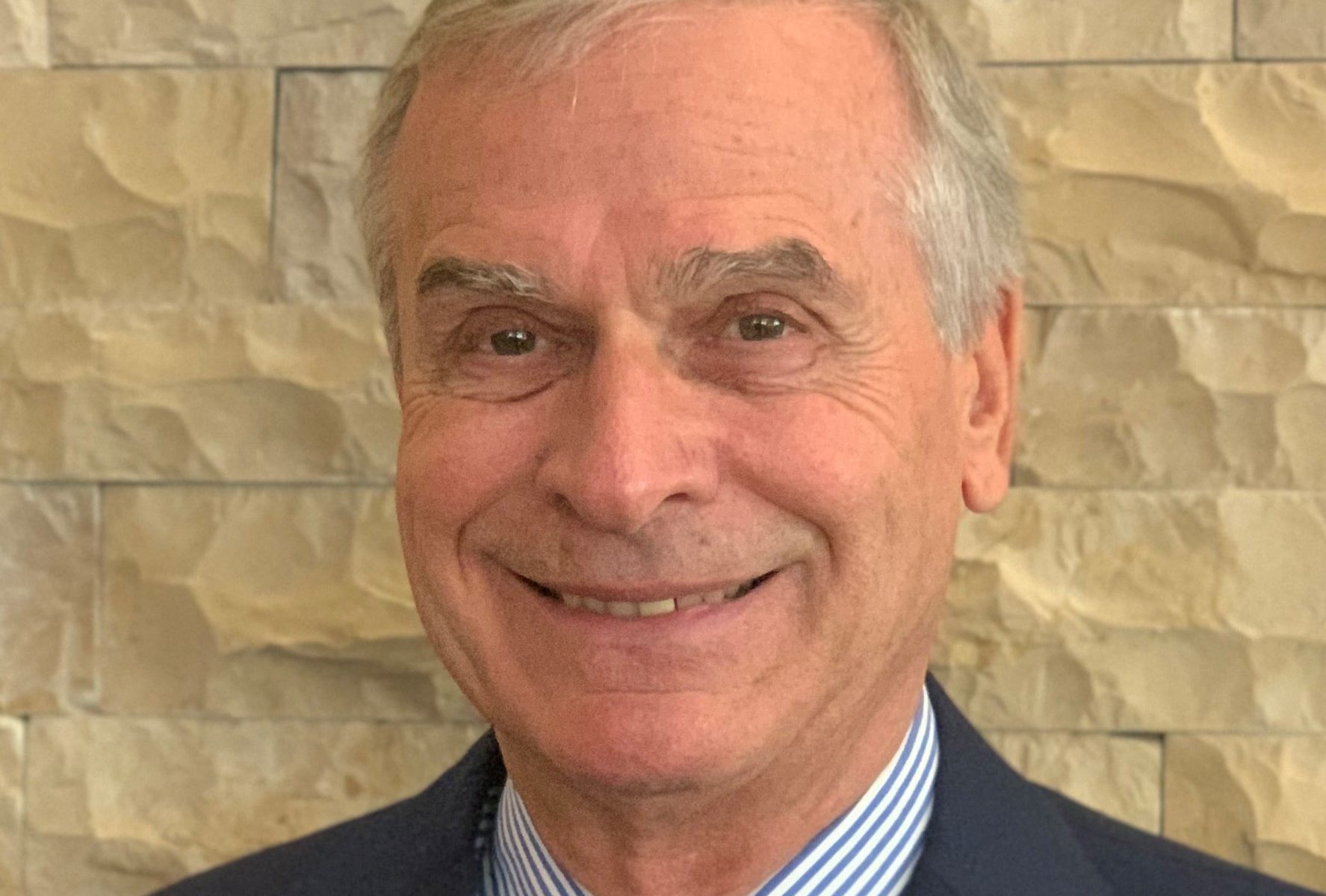
Thierry de Montbrial
Founder and Chairman of Ifri and the WPC
We are living through the greatest of all shocks since the beginning of the WPC, COVID-19, which probably belongs to the highest category of conceivable shocks. As a result, we will have to introduce health as a fundamental subject in all the discussions and reflections about the future of global governance.
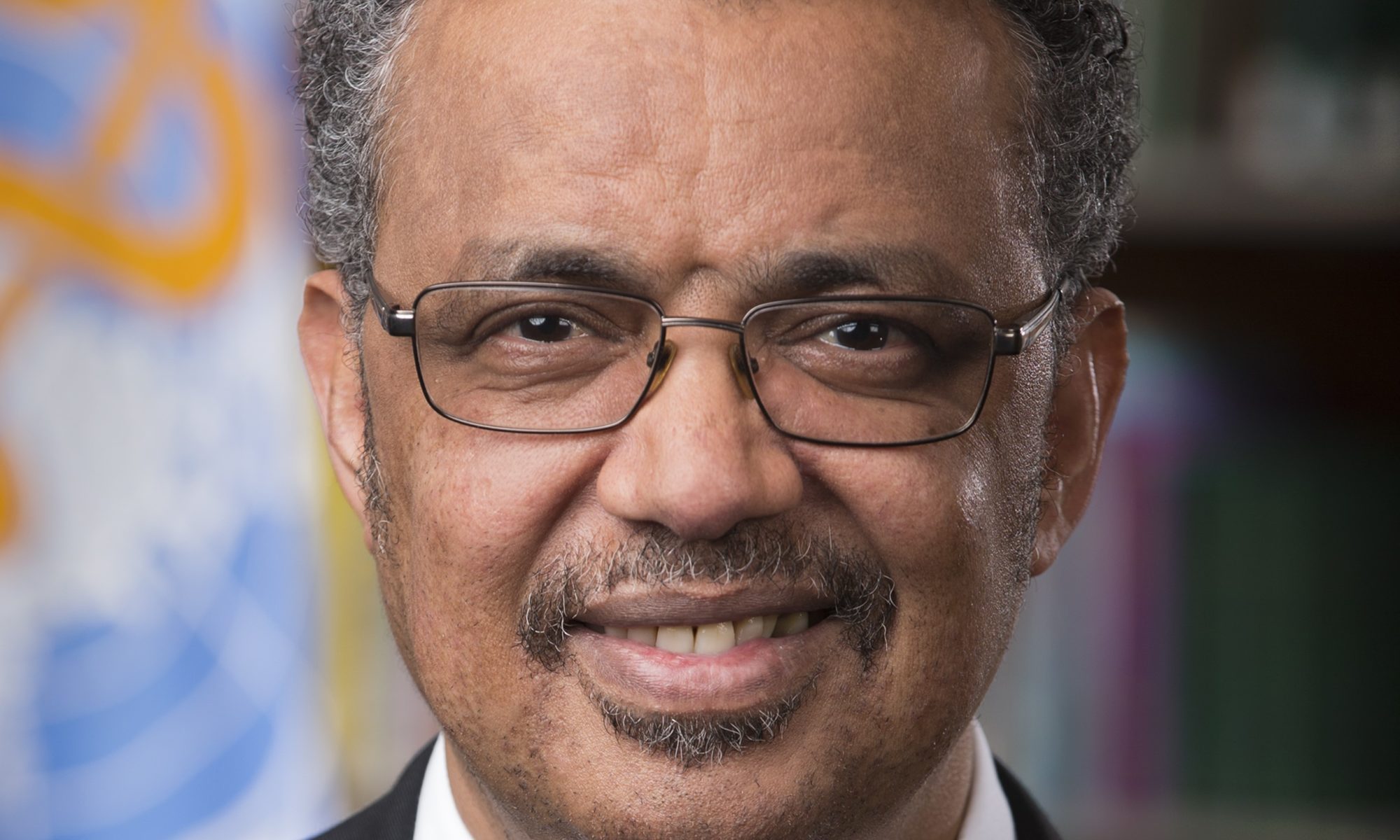
Tedros Adhanom Ghebreyesus
Director-General of the WHO
The pandemic has shown us that international cooperation is the only solution to an international crisis. Working together might not always be easy, but it is essential. We must rethink and strengthen multilateralism to address the pressing challenges of our world in a coordinated and coherent way.
09:30 – 11:30 | Session 1
The lessons of COVID-19
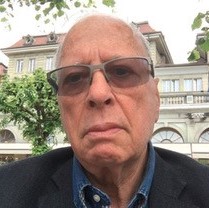
Michel Kazatchkine
Special Advisor to the Joint United Nations Program on AIDS in Eastern Europe and Central Asia, Senior Fellow at the Global Health Centre of the Graduate Institute of International and Development Studies
Against a certain lack of interest in certain health issues that has prevailed in recent years, the world is now realizing how much among all global issues, it is health in the short-term that has the greatest potential for disruption in our globalized world.
Antoine Flahault
Director of the Institute of Global Health at the University of Geneva
In a collaboration between the University of Geneva and the two engineering schools of Zürich and Lausanne (ETHZ and EPFL), we provide on a dashboard […] with daily updates of COVID-19 forecasts for 209 countries and territories.
Debate 1
Alexandre de Germay
Senior Vice President Global Head of Cardiovascular and Established Products at Sanofi
Overhauling healthcare systems is an onerous undertaking – and requires many actors engaging in concert behind common or complementary objectives. But the COVID-19 crisis has shown us that it is possible to effect wide and large-scale change […]
Jean Kramarz
Head of Business Line Health at Axa Partners
The purpose of Insurance is to cover for unexpected events in a predictable, measurable environment. COVID-19 taught us in a hard way that the Health environment was less predictable and measurable than we all thought.
Juliette Tuakli
Medical Director, Chief Executive Officer of Family, Child & Associates, Chair of the Board of Trustees of United Way Worldwide
Agile coherent leadership was noted in the most COVID-19 resilient African nations. Whilst there was some politicization of COVID-19 management, as in other parts of the world, Africa fared much better than feared.
Elhadj As Sy
Co-chair of the WHO/World Bank Global Pandemic Preparedness Monitoring Board, Chair of the Kofi Annan Foundation Board
This time, we are being reminded that perhaps we should not go back to normal because normal has not worked.
Debate 2
11:30 – 13-30 | Session 2
Technology, Economics, Health Ethics
Introduction
Jacques Biot
Board Member and Advisor to companies in the field of digital transformation and artificial intelligence, former President of the Ecole Polytechnique in Paris
Innovation in the field is still mostly science and technology driven, a favorable feature to provide disruptive remedies to some major health issues, but which allows for no reasonable marketplace to reconcile demand with supply and rationalize economic flows.
Alexandra Prieux
President of Alcediag, Founder of SkillCell
The extensive use of technologies permanently changes medical practice as well as the role of the doctor who becomes more and more a technology user. Alongside with the progresses carried by technologies come new challenges that will need to be overcome.
Debate 1
Daniel Andler
Emeritus Professor at Sorbonne University, Member of the French Academy of Moral and Political Sciences
Over the last three decades health technologies have produced a steady flux of revolutionary inventions, disrupting established practices and common understandings of some basic ethical and anthropological notions. Hence the need for guidelines, which provide a legible representation of the ethical and legal issues which allows agents in the field to navigate the situations they encounter daily.
Arthur Stril
Chief Business Officer and member of the Executive Committee of Cellectis
The 21st century will be the century of biology and medicine, fuelled by the rapid accumulation of biological engineering breakthroughs such as viral vectors, gene editing, and reproductive medicine, which are drastically reshaping human healthcare. But does the end justify such technological means?
Debate 2
Patrick Nicolet
Capgemini’s Group Chief Technology Officer
Information and Communication Technologies (ICT) form the backbone of our societies, but their usage so far has been centered on short-term convenience slowly taking a toll on the Earth finite resources. In this context, what if the most pressing healthcare challenge for mankind isn’t COVID-19 itself but a deeper transformation of our individual and collective practices and behaviors through planet-centric design.
Carlos Moreira
Founder and Chief Executive Officer of WISeKey, former United Nations Expert on Cybersecurity and Trust Models
We must rethink the way the internet is built in order to unleash the potential of technology for healthcare as this sector is still mainly an analogue sector waiting to be digitally transformed.
Conclusion
14:30 – 16:00 | Session 3
Mental Health and Addiction
Introduction
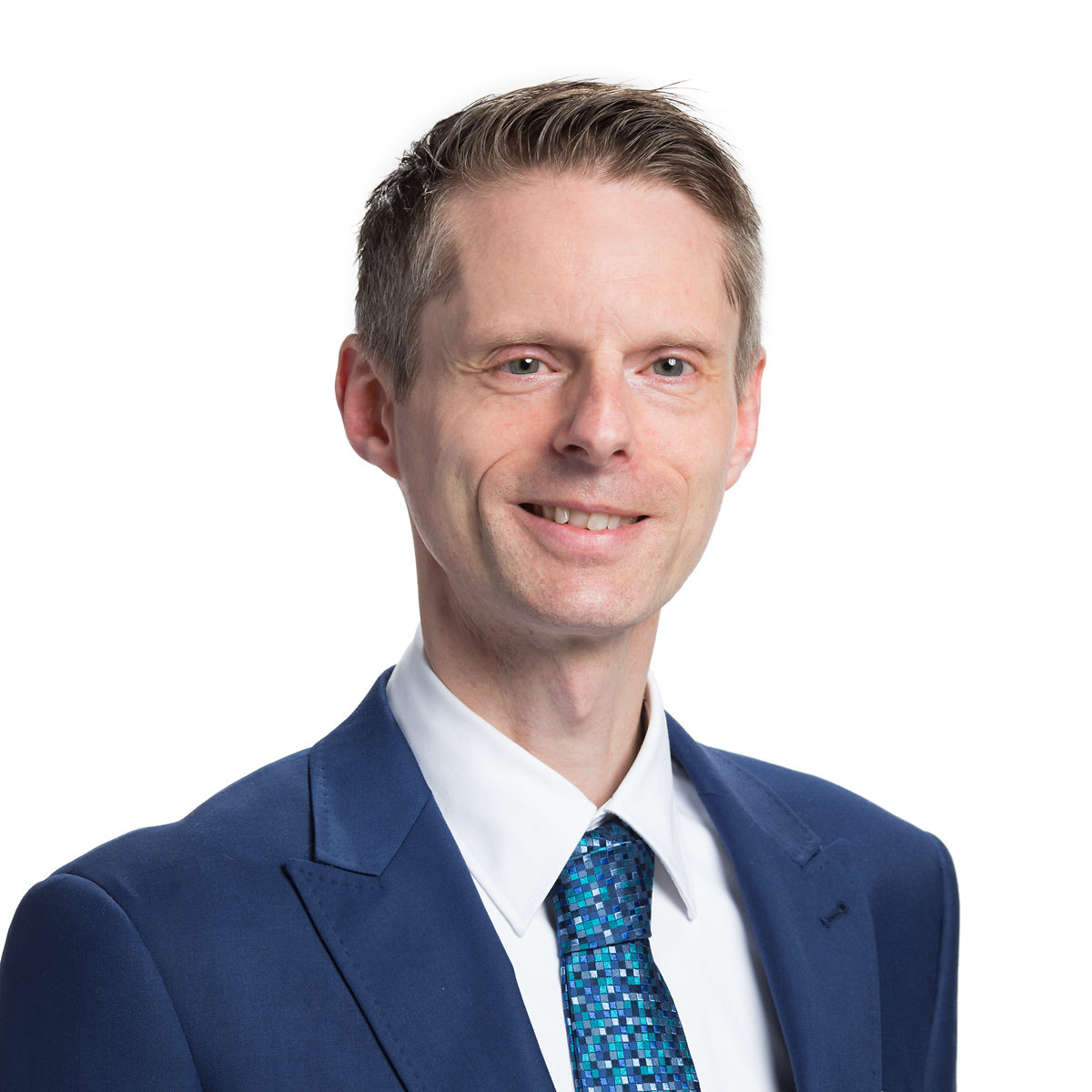
Michael van den Berg
Health Economist and Policy Analyst at the OECD
Slowly but surely, a paradigm shift is taking place in the way we think about healthcare, with a focus on the people who use it. Policymakers, academics, healthcare providers and patients are joining forces to make health systems more people-centered.
Roberto Burioni
Professor of Microbiology and Virology at the Vita-Salute San Raffaele University, Milan
Together with a pandemic caused by the new coronavirus, we must face a second pandemic, made of fake news that are widely circulated and believed by the general population.
Jean-Pierre Lablanchy
Medical Doctor and Psychiatrist, member of the Supervisory Board of Edeis
Mental health issues that have emerged for some time in the public debate are not new, but COVID-19 contributed to exacerbate some of them.






PARIS – Seen from Europe, Asia, or even North America, Manaus, the capital of the Brazilian state of Amazonas, is as remote as can be. Yet the 501Y.V3 variant of the coronavirus recently detected there has already been identified as a global threat, because its emergence in a city where two-thirds of the population was already infected in the spring of 2020 suggests that acquired immunity does not protect against it.
Scientists speculate whether 501Y.V3 may also thwart some of the existing vaccines. Even if the RNA-based vaccines can be quickly modified, the risk of ineffectiveness just when mass vaccination is being rolled out is extremely scary.
Viruses, of course, mutate all the time. While many mutations are innocuous, dangerous ones regularly appear. The larger the population that is infected at any time, the higher the probability that a hazardous variant, or possibly a new strain, will appear. Each person is a potential lab for these mutations. With some 600,000 new coronavirus infections identified daily, there are currently several million such labs in operation around the world. So it is a certainty that more mutations will occur.
This threat confronts the international community with a stark choice: either design and implement a comprehensive global strategy, or seal borders and let countries fight it out with the virus one by one. There is no effective middle way. The prevailing combination of vaccine nationalism and half-open borders is a losing strategy. In an open world where rich countries would attempt to protect their populations while poorer countries could not, contamination would repeatedly cross borders and defeat the most sophisticated health policies. Already, the South African and Manaus variants have been found in Germany.
On paper, the choice between acting globally and closing borders is a no-brainer. The total population of countries categorized by the World Bank as low-income and lower-middle income is about four billion. Assuming a $10 unit price, vaccinating 75% of this population would cost $30 billion, a mere two-hundredth of the crisis-induced fiscal loss already incurred by advanced economies. Even from a narrow economic standpoint, and even if ten times more expensive, investment by rich countries in curbing the pandemic in poor countries would be hugely profitable. The alternative of closing borders altogether to contain contamination would send a terrible signal and destroy prosperity on a massive scale.
Conscious of the challenge, rich countries actually support a program of this sort, though on a much smaller scale. The COVAX initiative, launched in April 2020 by the World Health Organization, the European Commission, and France, is meant to help participating states jointly negotiate procurement with vaccine producers, and to donate to poor countries enough free doses to vaccinate 20% of their population. Although this is insufficient to control the virus’s spread, it would be good enough to protect the elderly and health-care workers, and it would represent a significant stepping-stone to further action.
By the end of 2020, COVAX had raised $2.4 billion and pre-ordered enough doses to vaccinate a billion people in 2021, but it was still at pains to raise the additional $5 billion needed to finance its rather unambitious program. Under President Donald Trump, the US had refused to provide support. Moreover, vaccine manufacturers favor more profitable rich-country markets, where governments are willing to pay a premium to accelerate the supply of doses.
Not surprisingly, WHO Chief Tedros Adhanom Ghebreyesus recently warned that the world was “on the brink of a catastrophic moral failure.” But, alongside the moral failure, what is puzzling is the collective action failure this behavior represents. Self-interest, not just a sense of duty, dictates that rich countries should do more. Why aren’t they?
The first reason is short-sightedness. At home, too, governments are not doing enough. In Europe, investment in vaccine research and development has fallen short of the $18 billion the US has devoted to Operation Warp Speed. Oddly, the European Union’s €390 billion ($473 billion) in grant-making resources administered by the bloc’s Recovery and Resilience Facility does not include joint funding for vaccine research.
The second reason is the traditional temptation to free-ride on others’ efforts. Rich-country governments have strong incentives to protect their citizens, but support to poor states is vulnerable to free-riding, as each player’s interest is to let others pay for the common good. For example, Trump announced that he was withdrawing the US from the WHO at the very moment when joint action was urgently needed. Add to that China’s shirking of its global responsibilities, and international leadership has been dramatically absent since last spring.
The third reason is messy governance. The global health field is complex, scattered, and characterized by institutional overlap. Because the WHO is widely regarded as an ineffective and politicized institution, initiatives have developed on the side, with private donors such as the Bill & Melinda Gates Foundation, governments, and public agencies cooperating ad hoc to develop a flurry of initiatives. The resulting funding map defies imagination. This was fine as long as tackling emerging challenges required limited mobilization and resources, but the pandemic calls for acting on an entirely different scale.
Can the world change tack? Fortunately, US President Joe Biden’s administration has already announced its intention to join COVAX. Until recently, it was assumed that the repair of international trade and renewed engagement in climate action would be its first external priorities. Events may well turn the coordination of pandemic efforts into a litmus test of Biden’s global leadership. But if US commitment is clearly needed, much broader joint action is called for to prevent a moral, medical, and economic disaster.
Read the original article on Project Syndicate.