Davos 2024 : Blinken rencontre Kagame pour apaiser les tensions avec la RDC

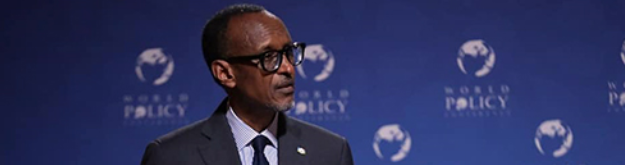
Le secrétaire d’État américain Antony Blinken a rencontré le président rwandais Paul Kagame en marge du Forum économique mondial de Davos.

Blinken a déclaré que les États-Unis s’engageaient à améliorer les relations diplomatiques entre le Rwanda et le Congo. Cette rencontre symbolise la volonté de Washington de pouvoir gérer les conflits, notamment en RDC, en travaillant avec Kagame, malgré les critiques américaines qui visaient le dirigeant Rwandais.

“Pour répondre à votre question, nous sommes déterminés à faire tout ce qui est en notre pouvoir en vue de soutenir les efforts déployés, en particulier par l’Angola et le Kenya, vers une résolution pacifique des désaccords et la prévention des conflits dans l’est de la RDC”, a déclaré le Secrétaire d’Etat américain.

Le président congolais Felix Tshisekedi accuse régulièrement le Rwanda et son président, Paul Kagame, de soutenir militairement les rebelles du M23, qui constituent la dernière génération de combattants tutsis congolais à s’être emparés de plusieurs villes du Nord-Kivu, une région riche en minerais. Les Nations unies et les groupes de défense des droits de l’homme accusent le M23 d’atrocités, notamment de viols et de massacres, et affirment que ce mouvement est soutenu par le Rwanda.

Read the article, originally published on the website of Africa News

https://fr.africanews.com/2024/01/16/davos-2024-blinken-rencontre-kagame-pour-apaiser-les-tensions-avec-la-rdc//

Energie: en 2024, il faudra surveiller l’uranium comme le lait sur le feu

En ce début d’année, le prix a dépassé les 100 dollars la livre, une première depuis 2008.

« A première vue, les prévisions 2023 de CyclOpe ont été quasiment parfaites, 15 % de baisse de notre indice global, et une baisse effective de 14 % (13,87 %), c’est pas mal, notamment grâce au pétrole dont le poids est important pour l’indice », s’est félicité l’économiste Philippe Chalmin, le 23 janvier, lors d’un déjeuner de présentation des prévisions pour cette année.

Read the entire article on the website of L’Opinion

https://www.lopinion.fr/economie/energie-en-2024-il-faudra-surveiller-luranium-comme-le-lait-sur-le-feu

Robert Sigal : « La méritocratie doit être au cœur des RH »

ENTRETIEN – Directeur général de l’Hôpital américain de Paris, ce médecin a aussi dirigé une société industrielle.

Robert Sigal bouclera au printemps son premier septennat à la tête de l’Hôpital américain de Paris. Implanté à Neuilly-sur-Seine (Hauts-de-Seine), cet établissement à but non lucratif et reconnu d’utilité publique a été créé en 1906. Il emploie aujourd’hui 800 personnes dont 80 % sont des personnels soignants.

LE FIGARO.- Vous êtes le premier médecin à diriger l’Hôpital américain de Paris. Qu’est-ce qui a guidé ce choix?

Robert SIGAL.- J’ai été directeur médical de l’Institut Gustave Roussy, j’ai dirigé General Electric Healthcare France puis une medtech israélienne. Cette double expérience de l’hôpital et de l’entreprise a paru intéressante au Conseil des gouverneurs, le conseil d’administration de l’Hôpital américain de Paris.

Lisez l’intégralité d el’article sur le site du Figaro

https://www.lefigaro.fr/decideurs/parole-patron/robert-sigal-la-meritocratie-doit-etre-au-coeur-des-rh-20240121

EU Official Praises Efforts by Poland’s New Government To Restore Rule of Law

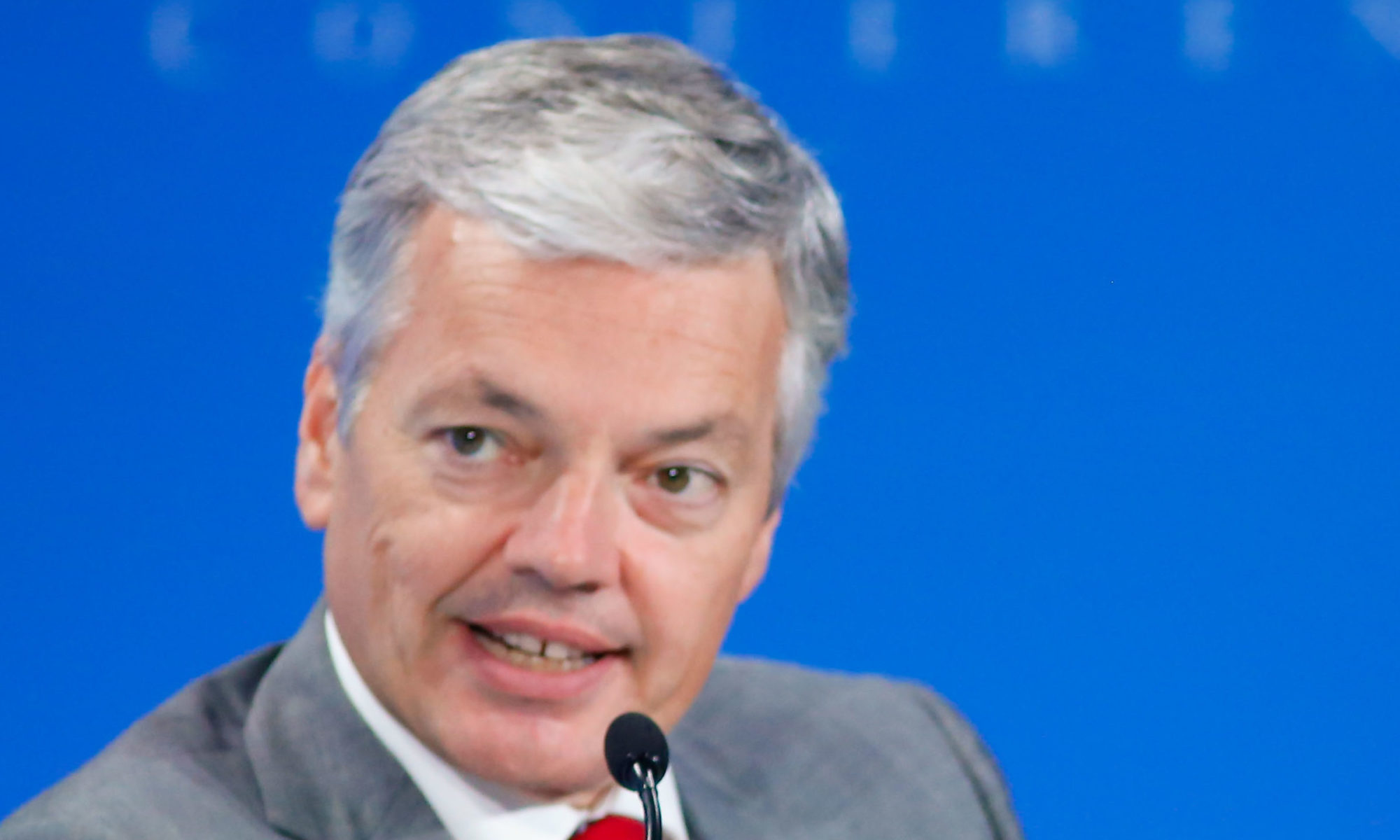
European Union Commissioner for Justice Didier Reynders on Friday praised efforts by Poland’s new pro-EU government to restore the rule of law and said they may lead to the release of billions of euros in EU funds for the country that were frozen under the previous government.

Reynders was holding talks in Warsaw with new Justice Minister Adam Bodnar, the foreign and European affairs ministers and parliament speakers about the steps that Poland’s month-old government is taking to reverse the controversial judicial policies of the previous administration that the EU had criticized as undemocratic.

Reynders said at a news conference that he was pleased by the determination of Prime Minister Donald Tusk and his Cabinet in restoring the rule of law, in line with Poland’s Constitution and the requirements of the EU and the European Convention on Human Rights.

He said the European Commission, the executive arm of the 27-member bloc, was supporting the government’s efforts.

He expressed hope that the steps would soon allow the approval of Poland’s request for the release of about 7 billion euros ($7.6 billion) from the post-pandemic recovery funds earmarked for the country. The EU froze the money as a result of rule-of-law disputes with Poland’s previous right-wing government of the Law and Justice party.

Among its key steps, Tusk’s government has imprisoned two members of the previous government who were convicted of abuse of power and document forging and is making personnel changes in vital judicial bodies and some courts where rule-of-law principles had been questioned.

Bodnar’s steps have been harshly criticized by the opposition which lost power in October elections, but he told the news conference that they were well thought-out and necessary.

Read the article, originally published by VOA News

https://www.voanews.com/a/eu-official-praises-efforts-by-poland-s-new-government-to-restore-rule-of-law/7447056.html

« La vraie urgence pour l’humanité, c’est l’écologie » (Hubert Védrine, ancien ministre des Affaires étrangères)

ENTRETIEN — A l’occasion de la publication d’un ouvrage collectif qu’il a dirigé « Grands diplomates: Les maîtres des relations internationales de Mazarin à nos jours » (éd. Perrin) (1), Hubert Védrine, ancien ministre des Affaires étrangères, livre son analyse sur les points chauds de la planète : Ukraine, Proche-Orient, Chine-Taïwan et l’évolution des relations internationales. Selon lui, la nouveauté par rapport aux siècles passés est l’urgence de « l’écologisation » du monde, autrement dit la transformation de tous nos modes de vie et de production à travers la planète, ce qui pourrait faire des COP les événements les plus importants en matière de relations internationales dans un futur proche.

LA TRIBUNE DIMANCHE – Vous avez dirigé un livre, qui vient de paraître, racontant l’histoire de diplomates illustres. Selon vous, le temps de ces grands négociateurs est révolu. C’est de mauvais augure quand la guerre continue en Ukraine ou à Gaza, que les tensions montent à Taïwan et ailleurs…

HUBERT VÉDRINE – Je n’ai pas dit qu’il n’y aurait plus de négociateurs. Dans notre monde globalisé, il y a sans cesse des négociations dans tous les domaines - économie, technologie, défense, sécurité, santé, IA, etc. Il n’y a donc jamais eu autant de négociateurs. Mais pourront-ils développer des carrières ou des destins de grands négociateurs, comparables aux personnalités dont cet ouvrage rassemble les portraits ? Je ne le pense pas. Ils n’en auront pas l’occasion, ni le temps, ni l’espace. L’opinion ne s’attachera pas à des négociateurs extrêmement importants pour un an ou deux. Le rôle des ministres des Affaires étrangères eux-mêmes restera important mais sera de plus en plus relativisé au milieu d’un plus grand nombre d’acteurs. Mais quand Benoît Yvert, qui a eu l’idée du livre, m’a demandé d’en assurer la direction et d’en rédiger la préface et la postface, j’ai accepté parce que précisément c’est un vrai enjeu. Nous commençons avec Mazarin - nous aurions pu commencer avec Richelieu, mais il est vraiment très connu - et allons jusqu’à l’époque contemporaine avec Boutros Boutros-Ghali, Kofi Annan, Henry ­Kissinger, et même Sergueï Lavrov. Étant donné que le monde ne constitue pas une « communauté » internationale, et qu’il est plus compliqué que pendant la guerre froide, il est très utile de réétudier comment ceux qui ont géré, bien ou mal, les politiques françaises, anglaises, prussiennes, autrichiennes, russes, etc. ont réussi ou non à maîtriser les rapports de force. Car cela n’est pas sans rapport avec le monde actuel : États-Unis, Chine, Russie, Inde, Moyen-Orient, Europe, etc.

Vous expliquez que les maux de notre époque, l’individualisme, le wokisme, les écrans, etc. ont un impact sur la diplomatie. On croyait le monde des diplomates à l’abri et empreint de sagesse…

Précisément, les relations diplomatiques ne sont plus à l’abri de rien. Les diplomates sont censés réintroduire de la sagesse dans la gestion des conflits, mais c’est de plus en plus dur dans un monde hystérisé par l’information en continu, et dans lequel les réseaux sociaux excitent les passions. Il faut revenir à l’histoire récente, après la fin de l’URSS. L’Occident a cru que l’Histoire était finie (cf. Francis Fukuyama) et que la démocratie et le marché étaient définitivement installés. Pour les États-Unis, cela voulait dire qu’ils étaient maîtres du monde et que, par arrogance olympienne, ils n’avaient plus à se soucier de toutes sortes de conflits agitant des peuples retardataires. Se considérant comme totalement dominants, ils ont pu reprendre le vieux discours sur le commerce qui favorise la paix. Ils ont donc mondialisé l’économie globale. Cela a en effet enrichi le monde, notamment la Chine, mais a eu dans le même temps des conséquences dévastatrices sur les classes moyennes des pays occidentaux. D’où le trumpisme, le Brexit, et la montée des extrémismes en Europe, où cela s’ajoute au sentiment que les flux migratoires ne sont pas assez gérés.

Read the entire article on the website of La Tribune

https://www.latribune.fr/economie/international/hubert-vedrine-la-vraie-urgence-pour-l-humanite-c-est-l-ecologie-988338.html

RÉVISION TOUS AZIMUTS DES LOIS ÉLECTORALES : « CEUX QUI SONT AU POUVOIR DOIVENT AVOIR L’ÉCOUTE », CONSEILLE ROBERT DOSSOU

Reçu par Bip Radio, Maître Robert Dossou s’est prononcé sur l’actualité politique nationale notamment la révision des lois électorales sur injonction de la haute juridiction. L’ancien Président de la Cour Constitutionnelle relève des inquiétudes et alerte sur un danger que pourrait constituer cette pratique révélée aux béninois.


Bip Radio : Quelle observation faites-vous de la décision Dcc 24-001 du 4 janvier 2024 qui demande au législateur béninois de modifier le Code électoral ?

Maître Robert Dossou : Vis-à-vis des décisions de Cour constitutionnelle, j’ai toujours été discret. Mais cette décision, intervenue le 4 janvier 2024, m’amène à intervenir pour trois raisons. La première raison qui a un aspect négatif à cette décision-là. La deuxième raison est qu’il y a un aspect positif et en guise de conclusion. La troisième raison est qu’il y a nécessité d’alerte dans toutes sociétés. L’aspect négatif de cette décision qui, à la réflexion, m’interpelle très fortement et ça pourrait être inquiétant. Cette décision tente à faire croire aux citoyens qu’il faut passer par la Cour constitutionnelle pour modifier la série d’actes législatifs pris dans le cadre des reformes intervenues en 2019. Il y a eu un citoyen béninois juriste nommé Codjo Gbèho, ne sachant pas ce qui l’a poussé à saisir la Cour constitutionnelle alors que ce n’était pas nécessaire. Il y a des contacts que l’on peut prendre avec des députés et aussi ces derniers peuvent déposer des propositions de loi pour réajuster ce qu’ils découvrent eux-mêmes comme n’allant pas, à l’intérieur d’un texte législatif. La constitution donne l’initiative des lois aux parlementaires et au pouvoir exécutif du chef de l’état. Impossible de croire que de 2019 à ce jour, les partis politiques autorisés, qui tiennent des meetings et qui comptent en leur sein de brillantes personnalités au plan intellectuel et de la science n’aient pas pu découvrir ça pour pouvoir initier un projet de loi. Je voudrais que tous les citoyens de ce pays comprennent qu’on n’a pas besoin de passer par la Cour constitutionnelle pour réviser, abroger une loi.

LE POINT POSITIF DE CETTE DÉCISION

Cette décision de la Cour constitutionnelle révèle que tout le train de réformes pris en 2019 comporte d’énormes lacunes soit de forme, soit de logique, soit de régularité de fonctionnement des institutions mais surtout ces textes ont créé une crispation dans le pays de point de vue de leur contenu.

QU’EST CE QUI EXPLIQUE LE CONSTAT QUI FAIT EN CE MOMENT MÊME  L’ACTUALITÉ ?

Les Cours constitutionnelles successives ont joué le jeu de l’objectif visé par le train de réforme du train 2019.  Mais ce qui est important, c’est que cette décision révèle des disfonctionnements provoqués par le train de réforme de 2019. Pour preuve, la décision Dcc 24-001 du 4 janvier 2024 a très bien décortiqué preuves à l’appui, les disfonctionnements. Donc il y a lieu à tous ceux qui ont créé ces disfonctionnements de s’asseoir et de revoir. Le troisième volet de ce que je m’en vais dire, c’est l’alerte. Cette décision est une alerte aux attentions qu’il faut porter à ce que j’appelle la légistique. La légistique est l’ensemble institutionnel qui, dans son fonctionnement, aboutit à la création de la loi. Des journalistes nous ont remis en mémoire les déclarations de Reckya Madougou et de Joël Aïvo qui étaient des alertes que ces deux personnalités avaient déjà lancées dès 2021.

Ces derniers ont fait des déclarations d’ordre général pour attirer l’attention et servir d’alerte. Deuxièmement, Joël Aïvo, en bon technicien, a fait des interviews très pointues pour alerter.

QUE PEUT-ON CONCLURE MAÎTRE ROBERT DOSSOU?

Ceux qui sont au pouvoir doivent avoir l’écoute. C’est très important. En guise de conclusion, c’est que les techniciens  de notre société doivent donner priorité à leur service à la nation au niveau de leur compétences techniques. Ils  ne doivent pas se soumettre à la peur pour ne pas sortir la réalité, la vérité exigée par des faits qui se présentent et des objectifs de développement et surtout de création d’Etat institution.

Read the article, originally published by Matin Libre

Révision tous azimuts des lois électorales : « Ceux qui sont au pouvoir doivent avoir l’écoute », conseille Robert Dossou

Olivier Blanchard : « Faire croire qu’on va résoudre le problème par une croissance beaucoup plus forte ne convaincra personne »

Olivier Blanchard : « Les prévisions de croissance affichées par la France à partir de 2025, de 1,7 ou 1,8 %, me paraissent optimistes. C’est dangereux, car les investisseurs risquent de ne pas croire à la stratégie d’ajustement »

A 75 ans, Olivier Blanchard, l’ancien chef économiste du FMI, désormais rentré en France, reste un des économistes français les plus écoutés, y compris par le pouvoir. Il alertait récemment sur la remontée des taux d’intérêt par rapport à la croissance et ses conséquences pour l’endettement public.

Read the entire article, originally published by L’Opinion

https://www.lopinion.fr/economie/olivier-blanchard-faire-croire-quon-va-resoudre-le-probleme-par-une-croissance-beaucoup-plus-forte-ne-convaincra-personne

Ukraine wages a dogged fight against Russian ‘war crimes’

Child abduction and civilian massacre among alleged offenses

KYIV — As Russia continues its aggression against Ukraine, increasingly more serious Russian atrocities, which many see as war crimes, are coming to light.

Bucha and Irpin, communities less than an hour’s drive from the Ukrainian capital of Kyiv, have borne the brunt of Russian atrocities. In late November, I visited the neighboring villages, which were temporarily occupied by the Russian army in the spring of 2022. Houses and hospitals shattered by artillery shells stood as silent reminders of what had happened there.

Read the entire article on the website of Nikkei Asia

https://asia.nikkei.com/Politics/Ukraine-war/Ukraine-wages-a-dogged-fight-against-Russian-war-crimes

How to stop Europe’s downward spiral

Prince Michael of Liechtenstein at 2015 WPC

Germany’s protests against government incompetence reflect Europe’s broader frustration with political leadership.

2024 began with a significant and necessary movement in Germany. Farmers, backed by other self-employed workers and part of the transportation sector, initiated nationwide protests against the government. They blocked roads, brought hundreds of tractors to Berlin and engaged in various other forms of protest.

Germany, being the largest European economy, plays a pivotal role on the continent, and its activities often have a considerable impact on the rest of Europe. It is also a country where the population traditionally complies with the law.

Addressing Chancellor Merkel’s legacy

The German government has unexpectedly faced an additional budget shortfall of 60 billion euros. To address this, Berlin increased the diesel tax for agricultural machinery, generating a total of 17 billion euros. Since the sale prices of agricultural products are politically regulated, farmers are unable to pass these additional costs on to consumers.

Throughout Chancellor Merkel’s 16-year tenure, the German government committed several critical policy errors: they overlooked the maintenance of infrastructure, implemented a misguided immigration policy, pursued a detrimental energy strategy that increased reliance on Russia, neglected defense needs and eroded the core identity of Ms. Merkel’s own Christian Democratic party. The current ruling coalition – the Social Democrats, the Liberals and the Greens – is now ineptly grappling with those challenges.

Despite having plenty of reasons for dissent, the German population remained largely compliant due to their cultural propensity for adhering to rules. Furthermore, Chancellor Merkel was adept at shaping public opinion, effectively portraying periods of stagnation and decline as if they were stability.

In a democracy, it is the citizens’ duty to resist when governments infringe upon their rights and freedoms.

But now citizens have had enough, and this shift in sentiment is critical for Europe as a whole. People demand honest strategies, not merely feel-good leftist policies that are costly for the people. This sentiment is evident in many countries; President Macron in France even felt compelled to reshuffle his government as a response.

Germany is not just Europe’s largest economy; its current state reflects a broader European mood of frustration and disenchantment with the political class.

There is an urgent need for people to make their voices heard. Given the excessive and often irrational regulatory environment, a certain level of civil disobedience looks increasingly necessary.

Chancellor Merkel was successful in conveying the message that she held Europe together. However, this was achieved without a clear strategy, relying instead on makeshift political solutions that could be costly in the long run. Her era was marked by the ability to present a facade of stability amid stagnation and decline.

The European Union, initially established as the guardian of a deregulated internal market, was and still is immensely beneficial for the continent. Up until the first decade of this century, it excelled in reducing government intervention in the economy and promoting competition. This led to significant economic and social achievements and united European countries, later including Central European nations that had broken free from Soviet control. Unfortunately, over time, a rise in technocracy transformed the member states and the Union into heavily regulated entities. Today, the EU proudly calls itself a regulatory superpower, but many of these regulations are overly complex and not fully considered, adversely affecting the bloc’s competitiveness.

The outcomes of these policies are alarming: staggering deficits and debts, overly complex tax systems and declining productivity, all worsened by increasing compliance costs. Burdensome requirements such as supply chain reporting, upcoming ESG reporting obligations, the Digital Act and other similar measures heavily impede productivity and innovation.

The political establishment in self-proclaimed liberal democracies often undemocratically labels any form of protest as right-wing extremism. Not surprisingly, the arrogance and illiberal intolerance of the political elite and resulting public frustrations have fueled the rise of protest parties. The establishment attempts to marginalize these groups and portrays them as threats to democracy. But the real cause for concern is when democracies meet protests with intolerance.

Moreover, it has become common for anyone criticizing the EU to be quickly branded as anti-European or euroskeptic. This approach is akin to authoritarianism and counterproductive. By this standard, the entire French population would be considered anti-French, given how often they criticize their government.

The EU desperately needs deregulation and a reestablishment of the internal market. Unfortunately, the Covid-19 pandemic and the emphasis on accelerating the green transition have led member states, particularly France and Germany, to increasingly subsidize their economies, contravening the principles of the internal market. The reluctance of the political elite to embrace change necessitates protests and a certain degree of civil disobedience as catalysts for reform. This will help parties like the Christian Democrats, Conservatives and Liberals return to their foundational principles of entrepreneurship, free markets and fiscal discipline.

Strengthening Europe’s role as a global player

When it comes to foreign and security policy, Brussels is noticeably absent. A lack of coordination and commitment among European governments has marginalized Europe in global security affairs.

The war in Ukraine should serve as a wake-up call to the need for a robust defense strategy. This can only be achieved through a coalition of major states, including the United Kingdom, Germany, France, Poland and Italy. Despite German Chancellor Olaf Scholz declaring a turning point in defense efforts nearly two years ago, little progress has been made. Nevertheless, Germany remains a key player in establishing a credible European defense.

Prospects for EU enlargement are limited. Despite high hopes for Ukraine and Moldova, significant developments are unlikely. The rebuilding of war-torn regions like Ukraine will be a major challenge but also presents an opportunity for Europe, especially if free trade agreements are established. This could potentially occur regardless of EU membership.

Europe’s relationship with Africa is another complex area needing reevaluation. Africa, often perceived as poor and corrupt, is a continent with great potential. European development policies in Africa have largely been unsuccessful. Africa requires active European business engagement and access to the European market. Current European legislation imposes stringent standards on businesses operating in Africa, including extended responsibilities to their suppliers, which makes it difficult for European businesses to operate effectively.

Additionally, there is a lack of adequate investment protection. To foster development, supply chain standards need to be more realistic, and European foreign policy should focus on investment protection and trade. Lowering the EU’s regulatory barriers would facilitate greater access for African products to the internal market.

Europe’s global role is also affected by its internal challenges. Political issues in Europe are often reduced to mere technicalities within institutions. However, a broader change in attitude is required, encompassing more openness, tolerance and less moralizing arrogance. The frequent suppression of debates and the “cancellation” of ideas and opinions, often justified as defending democracy or avoiding offense, hinders progress. Europe needs to return to a more pragmatic approach to politics, which requires more knowledge, experience and courage, rather than a superficial adherence to values.

The current political and technocratic establishment in Europe is unlikely to break free from its self-destructive patterns. However, change is possible, as shown by the recent protests. These movements might lead to much-needed reforms.

The largest Christian Democratic Party in Europe, influenced by Angela Merkel’s push for more leftist policies, has declined. However, there are signs of a return to more conservative principles. The Social Democrats need to recognize that the working population has evolved into a middle class and adapt its outlook accordingly. They have to move away from class struggle and “wokeism” and toward addressing middle-class interests. Chancellor Scholz’s party and its coalition partners should focus on sound politics rather than trying to outlaw – against all democratic principles – a rival party, which, according to surveys, has nearly twice as much support as the Social Democrats in some regions.

Over the last 20 years, European democracies have gravitated toward increasingly intolerant technocracies, yet continue to self-identify as liberal democracies. This paradoxical situation has created a breeding ground for protest parties and even radical movements. Personal and economic freedom, self-responsibility, market economy and entrepreneurship are being increasingly constrained.

In a democracy, it is the citizens’ duty to resist when governments infringe upon their rights and freedoms. Therefore, when political institutions become overly technocratic, protests and civil disobedience become not just options, but necessities. By being blindly obedient and compliant, the people betray the principles of democracy and freedom and become subjects.

The fundamental duty of political leadership in democracies is to ensure internal and external security and to protect the freedom and prosperity of the citizens. This requires accountable and competent politicians who understand the population and the economy. Above all, it demands determination and courage from both politicians and citizens.

Read the article originally published on GIS

https://www.gisreportsonline.com/r/germany-protestts/

L’Occident au risque du Sud global ? – Un nouveau pacte financier Nord-Sud est-il possible ? (T 1560)

L’idée qu’il faille « penser la gouvernance mondiale » et singulièrement la gouvernance financière mondiale est communément attachée à la France. Notre pays a été dans les années 1970 à l’origine du G5 – réuni pour la première fois à Rambouillet en 1975 – devenu très vite G7, sommet des pays les plus industrialisés, et plus brièvement G8 avec l’addition de la Russie jusqu’en 2014 et l’invasion de la Crimée. Il a plus tard, après la crise financière de 2008, joué un rôle très important dans la transformation du G20, jusque-là réunion des ministres des Finances, en un sommet des chefs d’État et de gouvernement. Et depuis, nous militons pour travailler à la réforme de ce système financier international. Et ce, encore récemment avec le sommet convoqué en juin 2023 à Paris par le président Emmanuel Macron pour discuter des termes d’un « nouveau pacte financier mondial ».

Le monde G7 a longtemps dicté l’agenda financier international, qu’il se soit agi des changes – on se souvient des Accords du Plaza et du Louvre en 1985 et 1987, ou des objectifs assignés aux institutions financières internationales, au premier chef Banque mondiale et Fonds monétaire international (FMI), en particulier pendant les grandes crises régionales, en Amérique latine ou en Asie, comme au moment de l’effondrement de l’Union soviétique.

Ce monde n’est plus et le monde G20 n’a pas encore émergé sous une forme véritablement organisée. Certains comme Ian Bremmer, le fondateur du Eurasia Institute, parlent de GZero pour illustrer le délitement complet de toute forme de gouvernance. D’autres parlent de G2 pour souligner le poids réel et complexe du condominium sino-américain. J’ai même entendu un dirigeant indien utiliser l’expression « G-2 » (lire G moins 2) pour mettre en exergue le caractère destructeur et non aligné de cet équilibre supposé à deux.

2015, un tournant

J’ai eu la chance d’être témoin et acteur de ces transitions comme directeur général de la Banque mondiale entre 2013 et 2016 pendant la période de résolution de la crise financière mondiale et au moment de la mise en route du nouveau G20 et du Financial Stability Board, organe suprême de la régulation financière précisément créé en réponse à cette crise. Comme beaucoup, j’ai été sensible en septembre 2015, à la poignée de main, jugée historique, entre Barack Obama et Xi Jinping. J’ai eu, avec beaucoup d’autres, le sentiment que cette poignée de main marquait le début d’une nouvelle ère de coopération internationale quelques semaines avant le Sommet de Paris sur le Climat. J’ai cru que cette poignée de main était le signal de la mise en ordre de bataille. Qu’elle nous entraînait sur la voie d’une économie qui soit véritablement durable, inclusive et résiliente, conformément aux accords adoptés à l’unanimité à l’Assemblée générale des Nations unies à New York, ce même mois de septembre 2015. C’était une erreur de perspective.

Cette poignée de main ne signait pas l’entrée dans une nouvelle ère. Elle était plutôt une poignée de main d’adieu à la période ouverte 26 ans auparavant avec la chute du mur de Berlin. D’une certaine manière, elle marquait la fin de « la fin de l’histoire ». Six mois plus tard, le Royaume-Uni choisissait le Brexit. Un an après, Donald Trump était élu Président des États-Unis. Et quelques mois plus tard, le 19e Congrès du Parti communiste chinois entérinait une posture plus affirmative de la Chine dans les relations internationales. Les lignes de front se multipliaient. Les prémices étaient pourtant visibles. En 2014, les pays qu’on appelait BRICS – acronyme forgé en 2001 par Jim O’Neill, économiste de Goldman Sachs –, soit le Brésil, la Russie, l’Inde, la Chine et l’Afrique du Sud créaient la Banque des BRICS, de son vrai nom la New Development Bank. Basée à Shanghaï, elle est aujourd’hui présidée par l’ancienne Présidente du Brésil (2011-2016) Dilma Rousseff. La même année, la Chine créait l’Asian Infrastructure Investment Bank (AIIB) – dont la France et les pays européens sont tous devenus rapidement actionnaires, mais pas les États-Unis – pour, entre autres, faire contrepoids à la Banque mondiale. Le système financier international était défié de l’extérieur, mais apparemment en bonne intelligence. J’avais d’ailleurs alors approuvé cette création.

Le message était clair de la part des fondateurs de ces institutions : après la guerre en Irak et après la crise financière, d’autres outils étaient nécessaires et un rééquilibrage du système devait être obtenu, si ce n’est de l’intérieur du système, alors à l’extérieur. Les tactiques externes et internes devaient d’ailleurs se compléter. Ces outils demeurent aujourd’hui et sont régulièrement mis en avant. Encore récemment avec le Sommet des BRICS qui s’est tenu en Afrique du Sud en août 2023 et qui a vu l’élargissement de ce groupe à 6 nouveaux pays (1). Ce sommet comme le Sommet du G20 en Inde qui lui a succédé en septembre ont été l’occasion de souligner, s’il en était besoin, un certain nombre de lignes de fractures entre ce que certains après Niall Ferguson ont appelé « The West and the Rest », l’Occident et le reste du monde. Ces lignes de fractures, qui sont devenues de plus en plus visibles depuis une vingtaine d’années, se sont aggravées après la crise financière, occidentale mais supportée de fait par tous, puis avec la crise sanitaire, puis avec les conflits en Ukraine et au Moyen-Orient et leurs conséquences sociales et économiques mondiales. Il est difficile de ne pas penser dans ce contexte à ce que faisait dire Marguerite Yourcenar à l’empereur, dans les Mémoires d’Hadrien : « J’aurais voulu reculer le plus possible, éviter s’il se peut, le moment où les Barbares au-dehors et les esclaves au-dedans se rueront sur un monde qu’on leur demande de respecter de loin ou de servir d’en bas, mais dont les bénéfices ne sont pas pour eux ».

Les tensions aujourd’hui se cristallisent sur de nombreux fronts. La gouvernance financière mondiale est devenue à la fois le symbole et, d’une certaine manière, l’exutoire du ressenti comme des ressentiments des uns et des autres. Évidemment. Ce que l’on appelle le Global South, le « Sud global », est encore largement une vue de l’esprit, un concept. Et, il y a peu en commun, au fond, entre ses principaux constituants. Ils se retrouvent néanmoins sur une ligne – qualifiée parfois de désinhibée – qui demande un réexamen d’un système financier international où ils jugent ne pas avoir toute leur place. Ni dans la représentation de leurs intérêts, ni dans les mécanismes de décision. Alors même que la planète s’est donnée des objectifs universels en 2015 – avec l’adoption du partenariat pour le développement à Addis-Abeba en juillet, avec l’adoption des Objectifs de développement durable (ODD) à New York en septembre (2), et avec les Accords de Paris sur le climat en décembre –, que ces objectifs requièrent un travail en commun, de longue haleine et en confiance, le message qui est envoyé Sommet après Sommet est un message de défiance et de demande de preuve. « Show me the money » (« Montrez-moi l’argent »). Cette demande se fait entendre à chaque COP ou autour de chaque traité. 100 Md est devenu le « tarif syndical » de la négociation internationale, attendu en paiement du Nord pour le Sud, qu’il s’agisse de climat ou biodiversité. Quand bien même ce montant reste bien insuffisant face à la réalité du défi. Au fond, beaucoup des pays de ce Sud global disent ne plus supporter « les leçons de morale » (et parlent de plus en plus de « green colonialism »). Que cette morale prenne la forme de normes environnementales ou sociales, ou d’injonction politique. Alors même que ces leçons ou attentes ne sont pas accompagnées des transferts financiers nécessaires à leur développement, que ces transferts soient publics ou privés. Un chef d’État africain me disait ainsi : « Vous avez un problème avec la Russie, vous avez un problème avec la Chine ? Moi j’ai un problème avec mon pays et c’est ça l’ordre de mes priorités. Je ne vais pas m’aligner avec vous si vous ne m’aidez pas dans mon pays ».

Nous pouvons débattre de la réalité de ce sentiment ou de cette posture. Mais, au fond, le message qui s’est exprimé à Paris en juin 2023 était assez simple : nous vivons dans un système international qui a été largement pensé et construit en 1944-1945 avec les Accords de Bretton Woods et la mise en place des Nations unies, à une époque où seuls 50 pays ont signé et étaient représentés, à une époque où pas plus le climat que la pauvreté n’étaient objets de discussion. Il s’agissait de reconstruire le monde, et en particulier l’Europe, après la Seconde Guerre mondiale. De fait, les problématiques d’aujourd’hui comme la multiplication par quatre du nombre de pays qui participe au système questionnent, 80 ans après, le système initial même amendé depuis comme il l’a été, notamment après la chute du mur de Berlin. La demande est simple : il faut reconstruire, rebâtir, repenser, refonder les accords qui nous unissent. La difficulté est que nous ne sommes pas en 1945, à l’issue d’un conflit mondial avec une puissance dominante des États-Unis pour tenir la plume. Aujourd’hui, il n’y a pas de maître du monde et réformer à froid un système où les intérêts ne sont pas immédiatement alignés relève, dans l’état de la coopération internationale que nous connaissons aujourd’hui, de la gageure.

En 2015, alors que les grands accords mentionnés précédemment étaient signés, j’ai piloté la publication d’un rapport appelé « From billions to trillions » (3). Celui-ci faisait simplement le constat que, dans une économie mondiale pesant de l’ordre de 100 000 Md $ (100 Trillions) dont on voulait changer la trajectoire, il était important de mobiliser les moyens adéquats, soit plusieurs milliers de milliards de dollars chaque année. Or, à l’époque, comme aujourd’hui, les montants dont on parle pour cela sont limités et se comptent en milliards (Billions). Qu’il s’agisse de l’aide publique au développement (150 Md à l’époque, 200 aujourd’hui), qu’il s’agisse des 100 Md discutés COP après COP mentionnés précédemment, que les pays avancés doivent transférer aux pays du Sud pour favoriser leur transition climatique ou qu’il s’agisse de la force de frappe combinée des organisations financières internationales, dont le FMI et la Banque mondiale, il apparaît un sujet massif d’ordre de grandeur entre l’objectif et les moyens mobilisés. Et c’est bien d’un changement radical qu’il s’agit. En 2015, les accords ont été adoptés sans qu’ils se soient passés beaucoup de temps sur les moyens nécessaires, ni sur le système qu’il convenait d’améliorer pour mobiliser les ressources nécessaires à la réalisation des objectifs. Quelques années plus tard, on s’aperçoit évidemment que le compte n’y est pas.

2023, un nouvel élan

C’est dans ce contexte que le Sommet de Paris des 22 et 23 juin 2023 est convoqué par Emmanuel Macron. Les questions qui se posent sont : Doit-on choisir entre le développement et le combat contre le changement climatique ? Doit-on choisir entre le développement et l’accession de tous à une forme de développement durable ? Ces questions sont plus difficiles qu’il n’y paraît. Treize chefs d’État, dont le Français Emmanuel Macron, l’Américain Joe Biden, le Brésilien Lula, le Sud-africain Cyril Ramaphosa, le Kényan William Ruto et quelques autres signent ensemble un éditorial international rappelant qu’il faut une transition climatique qui ne laisse personne au bord du chemin (4). C’est évidemment plus facile à dire qu’à faire et c’est tout l’enjeu de ce Sommet de poser les questions, mais aussi de commencer à apporter quelques réponses en disposant les premiers jalons sur la table. Quatre axes de travail sont choisis.

• Le 1er chantier est consacré à l’architecture financière internationale et notamment à la réforme de la Banque mondiale et du FMI, à la crise de l’endettement ou à la réallocation des Droits de tirage spéciaux (DTS) au bénéfice des pays émergents et en développement. Ces chantiers ont progressé. « Chantiers G7/G20 », ils ont avancé avant comme pendant le Sommet et continueront à avancer après, comme cela a été rapporté et souligné au Sommet du G20 en Inde. Les perspectives sont de moyen à long termes. Et les changements envisagés sont plutôt de nature incrémentale. Il n’y a pas de Big Bang en vue en la matière.

• Le 2e chantier visait à développer un cadre pour faciliter l’investissement dans les infrastructures durables. C’est un chantier de type G20 qui, là aussi, suit son cours, piloté notamment par les institutions de développement international multilatérales et bilatérales.

• Le 3e chantier avait pour objectif de trouver de nouvelles ressources financières internationales, en revenant sur un sujet auquel j’avais été associé avec Jean-Pierre Landau en 2003, à l’initiative du président de la République Jacques Chirac : la question de la taxation financière internationale (5). À l’époque, nous avions proposé, et cela a été mis en œuvre, une taxation sur les billets d’avion. Aujourd’hui, les débats portent par exemple sur une taxation du commerce maritime. La question posée en 2023 est la même que celle posée en 2004 : Comment trouve-t-on des ressources pour que « la mondialisation paye pour la mondialisation », selon la formule du président Chirac ?

• Le 4e chantier, que j’ai eu l’honneur de copiloter, portait sur le financement du secteur privé, c’est-à-dire des entreprises. Cette question est difficile car elle est encore largement orpheline. On sait qu’il faut créer probablement de l’ordre de 3 millions d’emplois en Afrique tous les mois. Ces emplois ne pourront être créés que par un secteur privé vivant et diversifié. Nous n’y sommes pas, pas plus en Afrique que dans les autres zones émergentes et en développement. Le secteur privé est encore largement considéré comme un sous-produit du développement. Si l’on investit dans les institutions et dans les infrastructures – physiques et sociales – le secteur privé suivra. Ce n’est pas la conclusion de nos travaux. Nous souhaitons que le secteur privé soit reconnu comme une nécessité dans les pays, qu’il soit reconnu par les organisations de développement internationales et nationales comme une priorité pour leurs financements. Et nous souhaitons aussi évidemment que des flux privés viennent financer ces acteurs privés. Sur ces 3 axes, les progrès à envisager sont immenses. Très rares sont les pays qui ont une stratégie de développement du secteur privé. S’agissant des organisations de développement, elles sont encore trop souvent paralysées par leur aversion au risque et un problème de confiance vis-à-vis du secteur privé. La difficulté est culturelle plus que financière ou de gouvernance. Et ces questions culturelles sont les plus difficiles à faire évoluer. C’est une des priorités du nouveau (juin 2023) président de la Banque mondiale, l’Américano-indien Ajay Banga. Ce sujet illustre bien les tensions qui agitent la planète. D’un côté des normes et des attentes, de l’autre des flux financiers qui ne suivent pas. Et enfin, un système international qui n’est pas à la hauteur des attentes.

Au fond, après le rapport Billions to Trillions, il faudrait réfléchir à un rapport « Trillions to Millions » qui permettrait de voir, une fois les ressources mobilisées – nous n’y sommes malheureusement pas –, comment les allouer de manière efficace, au plus près du terrain. Comment finalement combiner une approche macroéconomique ambitieuse avec une approche microéconomique réaliste ? Cela suppose de secouer un certain nombre de lignes. Notamment dans l’architecture financière internationale qui doit se repenser à la fois comme un lieu où sont traitées en confiance des priorités non pas de tel ou tel bloc mais de la planète en son entier et des pays en attente, et comme un lieu où les finances publiques et privées arrivent à travailler ensemble, et à se mobiliser conjointement. Un lieu où, effectivement, on retrouve la possibilité comme les termes d’une discussion. Un lieu qui satisfasse tous les participants et où l’on puisse recréer de la confiance à un moment où celle-ci est fragilisée à tout moment.

Il est vrai qu’il est difficile d’envisager ces changements sans penser à ouvrir le capot et à toucher au moteur. Il ne peut s’agir du changement de la seule carrosserie. C’est particulièrement sensible quand on parle de gouvernance : un certain nombre de pays souhaitent avoir un plus grand mot à dire, que ce soit au Conseil de sécurité des Nations unies comme au Conseil d’administration du FMI et de la Banque mondiale. La question est particulièrement délicate pour la France comme pour la Grande-Bretagne, qui sont peut-être les deux pays qui ont potentiellement le plus à perdre avec une telle redistribution des cartes, mais qui sont aussi souvent les plus engagés et créatifs.

Conclusion

Nous avons pris des engagements en 2015 très importants. Il s’agit ni plus ni moins de repenser le logiciel économique de notre planète pour lui faire changer de trajectoire. Il n’est pas sûr que nous avions bien mesuré ce que nous souhaitions à cette époque. La question qui se pose à nous aujourd’hui est de savoir si nous sommes sérieux avec ces engagements. Si nous le sommes, il est évident que le pacte financier, le pacte de Paris pour la planète et ses habitants proposé en juin 2023 est une première étape très importante. Nous devons collectivement faire face à un triple déficit : de générosité, d’innovation et de confiance. Alors que la planète se fracture, alors que la défiance se répand, il faut trouver des moyens en confiance de rebâtir un système qui nous permette de « faire planète », c’est-à-dire de répondre collectivement à des défis éminemment collectifs. La question du climat, par exemple, ne sera résolue nulle part si elle n’est pas résolue partout. Nous le savons confusément. Cependant, nous restons prisonniers de la double tragédie des horizons et des communs. La paralysie n’est pas une solution acceptable. Le mouvement est difficile. Il est vrai que quand il n’y a pas de crise nous ne changeons guère et que, quand il y a une crise, nous ne changeons qu’un peu. Peut-être qu’après une crise financière, une crise sociale, une crise sanitaire et une crise géopolitique, nous allons être capables de repenser le système sans passer par la case cataclysme. En tout cas, les questions sont posées et on ne peut plus les ignorer. Ce qui est en jeu est notre capacité en tant qu’espèce à habiter durablement cette planète au XXIe siècle et au-delà. Un nouveau pacte est difficile mais il est indispensable et probablement inévitable. À froid ou à chaud ? À suivre.

Read the article, originally published on RDN

https://www.defnat.com/e-RDN/vue-tribune.php?ctribune=1670

Les prix des carburants continuent de baisser légèrement

Le prix du litre de gazole coûte en moyenne 1,72 euro, celui du SP95-E10 1,76 euro. Soit un centime de moins sur une semaine.

L’éclaircie observée depuis le début de l’année se confirme. Pour la deuxième semaine consécutive, les prix moyens des carburants observés dans les stations-service sont en légère baisse, selon les données du ministère de la Transition énergétique publiées ce lundi.

Dans le détail, le litre de gazole, carburant le plus consommé sur le territoire, s’affiche en moyenne à 1,72 euro du litre, une baisse de 1 centime par rapport à la semaine précédente. Même diminution pour le SP95-E10, compatible avec la quasi-totalité du parc essence en circulation, qui coûte en moyenne 1,76 euro le litre la semaine.

Pas d’envolée à redouter

Cette stabilité des prix à la pompe, similaires à ceux observés fin juillet 2023 est cohérente avec l’évolution du baril de brut selon Olivier Gantois, président UFIP Énergies et Mobilités, organisation professionnelle des industries énergétiques et pétrolières. « Depuis plus d’un an, le baril de brut oscille entre 75 et 85 dollars. On aurait pu croire que les attaques au Proche-Orient auraient rendu les marchés nerveux, mais il n’y a pas eu d’envolée. ».

Et tout porte à croire que les prix des carburants ne s’envoleront pas dans les mois à venir. « Nos prévisions pour 2024 portent le prix moyen du baril à 75 dollars, avec des fluctuations possibles entre 70 et 85 dollars, avance pour sa part Philippe Chalmin, économiste spécialiste des matières premières, qui a fondé la société d’études CyclOpe. On ne devrait pas trop hurler dans les semaines à venir sur les prix à la pompe, sauf en cas de tensions aggravées avec l’Iran ou d’une baisse éventuelle de l’euro par rapport au dollar. »

Un optimisme partagé par Olivier Gantois. « Je ne vois pas de risque avéré d’emballement des prix, ni de raison de baisse significative », embraye-t-il. Dans ces conditions, l’indemnité carburant de 100 euros versée aux travailleurs aux revenus modestes ne devrait pas être actionnée. Sa mise en œuvre est envisagée pour des prix à la pompe tutoyant 1,95 euro le litre.

Read the article, originally published on Les Echos

https://www.leparisien.fr/economie/consommation/les-prix-des-carburants-continuent-de-baisser-legerement-15-01-2024-AGEPBYW4K5BPPGG2WQWBWPSDLE.php

EU Congratulates Taiwan Voters For ‘Democratic Exercise’

The European Union “welcomed” Taiwan’s presidential election Saturday and “congratulates all the voters who participated in this democratic exercise”, a statement said, without mentioning president-elect Lai Ching-te.

“The EU remains concerned about growing tensions in the Taiwan Strait and opposes any unilateral attempt to change the status quo,” said the statement by a spokesperson for EU diplomatic chief Josep Borrell. “The European Union underlines that peace and stability across the Taiwan Strait are key to regional and global security and prosperity.”

Read the article on Barron’s website

https://www.barrons.com/news/eu-congratulates-taiwan-voters-for-democratic-exercise-b93789fa

Trump win wouldn’t hurt South Korea-U.S.-Japan ties: business leader

Head of South’s top business body says trilateral meetings with peers to be launched.

TOKYO — The top official of South Korea’s biggest business lobby has painted an upbeat picture of trilateral cooperation involving the U.S. and Japan, saying their ties will not waver regardless of the outcome of America’s presidential election.

Jin Roy Ryu, chairman of the Federation of Korean Industries (FKI), said that as things now stand, former Republican President Donald Trump “has an advantage” in the race against Democratic President Joe Biden. If elected, Trump too would welcome solidarity between the three countries, as it brings many benefits, he said.

Ryu, who is also chairman of the copper smelter and defense equipment maker Poongsan, made the remarks in an interview with Nikkei during a visit to Tokyo on Thursday for a meeting between the FKI and the Japan Business Federation, Japan’s biggest business lobby, known as Keidanren.

There could be difficulties to overcome for bilateral ties — whether between South Korea and Japan, between South Korea and the U.S., or between Japan and the U.S. — but Ryu acknowledged that “trilateral solidarity is strong and will continue to be supported” by the U.S. even if Trump returns to the White House.

Ryu also said that “while the Democratic Party supports American companies politically, Trump tends to welcome companies investing in the U.S. regardless of their nationalities.”

Ryu predicted that if the election pits Biden against Trump, the incumbent will outstrip his predecessor in terms of the raw popular vote.

But as things now stand, Trump “has an advantage” in the Electoral College state-by-state count, said Ryu, who has studied in both Japan and the U.S. and has strong personal connections in U.S. political circles.

“South Korea, the U.S. and Japan must unite not only politically but also economically through their businesspeople, which the U.S. also wants strongly,” Ryu said. He added that the FKI, Keidanren and the U.S. Chamber of Commerce are considering regular meetings of business leaders from the three countries, with the first one likely being held in South Korea by the end of this year.

Ryu also said the business communities of South Korea and Japan “need to make efforts to expand and deepen various exchanges” to support the neighbors’ currently improving political ties. He specifically expressed his intention to promote cooperation in finance, information technology, startups and manufacturing.

He said that when he visited Japan for such a meeting five years ago, its participants “looked so serious” due to the deterioration of bilateral ties. But the atmosphere has changed, as the two countries have held a series of dialogues since the resumption of top-level “shuttle diplomacy,” he said.

Based on his experience of organizing a student exchange program between South Korea, the U.S. and Japan at the South Korean high school he serves as chairman of the board of trustees, Ryu also stressed the importance of exchanges, especially between young people.

“Young people who lead the future need to deepen mutual understanding by interacting with each other and learning history,” he said. To that end, he expressed his intention to use a fund backed by the FKI and the Keidanren.

The issue of Korean wartime laborers, who worked for Japanese companies during World War II, is the biggest pending problem in relations between the two countries. As a solution, the South Korean government decided to compensate them through its affiliated foundation.

The South Korean government is soliciting contributions to the foundation from private companies. But although major South Korean steelmaker Posco announced its contribution of 4 billion won ($3 million), no other companies have followed suit yet.

When asked about the position of the FKI, Ryu acknowledged that it is a “difficult case,” as there are too many obstacles, and even if proposes ideas of solutions, “there should be objections.”

He said, “We currently have no choice but to keep quiet.”

Read the article, originally published by Nikkei

https://asia.nikkei.com/Politics/International-relations/Trump-win-wouldn-t-hurt-South-Korea-U.S.-Japan-ties-business-leader

Tech : quand l’Europe s’éveillera

Un constat indiscutable Commençons par les constats. Les entreprises européennes de la Tech investissent beaucoup moins en recherche et développement (R & D) que leurs concurrentes américaines et chinoises. Globalement, d’après la Commission européenne, elles n’investissent dans ce domaine qu’une somme de l’ordre de 50 milliards d’euros (Md€), contre environ 240 Md€ aux États-Unis et 80 Md€ en Chine1.

Lisez l’intégralité du papier sur Commentaire

Tech : quand l’Europe s’éveillera – Commentaire

Global Election Year Ahead Lays Bare Strife Between East and West

2024 will go down as one of the most politically consequential years in history, with national elections in more than 60 countries representing half of the world’s population. That means more people will be eligible to vote in 2024 than in any previous year.

What happens in the months to come may well tip the global scales of power in the direction of democracy or authoritarianism. Here’s how six of the most pivotal elections in the year ahead will play into that long-running feud.

United States

Beginning in the late 19th century and through two world wars, American foreign policy underwent a tectonic shift from isolationism to an active involvement in shaping the world order.

It’s important to understand the difference between those competing worldviews, former U.S. Assistant Secretary of Defense Joseph S. Nye Jr. told VOA, because former President Donald Trump’s America First agenda is attempting to bring isolationism back. That could leave U.S. allies in a lurch as tensions rise between Taiwan and China, and the Russia-Ukraine and Israel-Hamas wars rage.

Trump, the likely Republican nominee for president, has repeatedly bashed NATO, the U.S.’ most important military alliance, and has not taken a definitive stance on how, or if, he would support Israel in its war against Hamas if reelected.

“On Russia,” Nye said, “[Trump] is likely to be more favorable to Putin. That means pressure to reduce support for Ukraine is very likely.”

On the other hand, Democratic incumbent Joe Biden, whom the polls have trailing in a potential rematch against Trump, has sent military aid packages to Kyiv and Jerusalem, even as he faces pushback from Republican lawmakers over the limited progress in Ukraine and from progressives over the spiraling humanitarian crisis in Gaza.

The two presidential front-runners have starkly different outlooks on America’s place in the world, and who wins in November may determine how tough the U.S. will be on China, Russia and other international adversaries.

Taiwan

It may be small in terms of landmass, but Taiwan, the self-governed island off China’s coast, boasts outsized influence over the world economy. More than 70% of the globe’s semiconductors and about 90% of all advanced microchips are made by Taiwanese firms. The unsettled question of Taiwan’s independence from China, which claims the territory, is at the center of strife between Washington and Beijing going into 2024.

President Tsai Ing-wen, who is term-limited and won’t be on the ballot in January, has warned the public that China is spreading disinformation online to sway voters away from the leading candidate, Lai Ching-te, the current vice president. Lai, a standard-bearer for the Democratic Progressive Party, has sparked outrage in China over past comments asserting Taiwan’s sovereignty. Lai’s main opponents, however, are taking a softer line on Beijing.

America ranks among Taiwan’s top allies. As China has boosted its naval activities in the South China Sea, Biden has pledged the U.S. would defend Taiwan if it were invaded. As with Israel and Ukraine, Trump has been ambiguous regarding Taiwan.

While some analysts worry that tensions between China and Taiwan could boil over into war if Lai wins, Yun Sun, director of the China program at the Stimson Center, says the U.S. is discouraging Lai from escalating the situation and that China is prioritizing stability over a potential conflict as it deals with a lagging domestic economy.

“[Chinese President] Xi Jinping has more important fish to fry,” Sun said of the Chinese Communist Party’s agenda going into 2024. But that doesn’t mean China and Taiwan will find themselves on better terms over the next four years under Lai, who Sun said China considers “unworkable.”

In his New Year’s speech, Xi vowed that China and Taiwan will “surely be unified” without giving a timetable. CIA Director William Burns has previously warned that the U.S. knows “as a matter of intelligence” that Xi aims “to be ready by 2027 to conduct a successful invasion.”

Russia

In the wake of its invasion of Ukraine nearly two years ago, Kyiv’s allies have made Russia the most sanctioned country on Earth, disrupting its economy and driving it closer to Beijing, now its top trade partner. Despite soaring inflation, analysts don’t expect Russian President Vladimir Putin to be unseated in 2024, with his most formidable political rivals jailed, exiled, missing or dead under dubious circumstances.

“Elections in Russia have long been tightly controlled,” said Sergey Radchenko, a professor of Soviet history at Johns Hopkins University. If Putin wins another six years, the Kremlin will pursue “the same brutal agenda in Ukraine and increasingly autocratic policies at home,” Radchenko said.

When it comes to how much success Putin will find in his war with Ukraine, the wildcard is who his American counterpart will be.

If reelected, “Biden will continue to claw his way to some form of victory in Ukraine through military means,” Radchenko said. “If Trump comes to power, on the other hand, the real question will be whether he will effectively give up on Ukraine, allowing a very rapid settlement of this conflict on Russia’s terms.”

As Trump’s allies in the U.S. House of Representatives grow impatient with Ukraine’s slow progress on the battlefield, “Putin is interested in playing the United States against its Western European allies,” Radchenko said.

The U.S. Congress passed a bill in December 2023 requiring Senate approval before the U.S. can withdraw from NATO. That means Trump, if he wins a second term, wouldn’t be able to unilaterally pull America out of the alliance, as he has threatened before. But Trump’s skepticism about NATO could still sow the sort of chaos and division in the West that Putin would find useful, Radchenko said.

European Union

The European Union is heading for elections in June. Anti-immigration populists with lax positions on Russia and China are set to push the European Parliament rightward. The Parliament, though, plays only a supervisory role in the EU.

The European Commission, whose president, Ursula von der Leyen, has yet to announce her reelection bid for 2024, outweighs the Parliament in power. Von der Leyen has been resolute in her support of Ukraine and has pressed Xi to address China’s staggering trade imbalance with Europe.

If reelected, von der Leyen would serve as an equalizing force in an increasingly populist EU, working across the aisle to balance the diverse and oftentimes conflicting interests of different member nations with her stated goal of containing Russia.

Ivana Karaskova, an EU commissioner for values and transparency, told VOA that European nations are cautious “to put China and Russia into the same basket of authoritarian regimes,” fearing that alienating Xi could draw the EU into yet another economically ruinous trade war.

“We have already seen moves in Central and Eastern Europe to normalize relations with China,” Karaskova said.

The EU under von der Leyen has been careful not to cut off China, though it has been critical of Beijing for helping Moscow evade Western sanctions. But what the elections in 2024 will decide is how much pushback von der Leyen’s pro-Ukraine agenda will face from an incoming coalition of right-wing European lawmakers as Kyiv inches closer to becoming a member nation.

India

Critics of Prime Minister Narendra Modi and his ruling Bharatiya Janata Party say the country’s religious minorities are facing widespread persecution. As Modi’s Hindu nationalist agenda has gained traction, violence against Sikh and Muslim Indians has become increasingly commonplace.

Those criticisms are not limited to the confines of India. Modi’s government stands accused of assassinating a Sikh expatriate in Toronto last summer and a foiled plot to kill another Sikh activist living in New York City in November. Those scandals have shaken India’s diplomatic ties with the West.

Still, former U.S. Assistant Defense Secretary Joseph S. Nye Jr. predicts that neither India nor the U.S. will let their bond crumble. What unites the two nations, Nye said, are shared concerns about China’s rise to global power.

As the world’s largest liberal democracy, India has proved itself to be a regional counterweight to China and North Korea.

“I don’t think the Americans are going to do anything that would destabilize their relationship with India,” Nye said, no matter if the U.S. will be led by Biden or Trump. Both presidents know that keeping close with India is vital to advancing the cause of democracy in Asia, even if Modi’s government has at times leaned into autocracy.

With a sky-high approval rating of 77%, according to Morning Consult, Modi sits in pole position to earn a third five-year term when voting opens in April. If he wins, expect Modi to build on the ties he has already forged with both Trump and Biden over his near-decade as prime minister.

South Africa

South Africa’s ruling party is in its shakiest moment since 1994, when the then-newly elected president Nelson Mandela and his African National Congress Party (ANC) spelled the end of apartheid and ushered in a new era of majority rule. Now, for the first time in three decades, the ANC is at risk of losing its outright majority in the legislature. To stay in power, it likely will be forced to form a coalition with other parties.

South Africa may hold the title of the most industrialized nation in Africa, but it is by no means immune to the economic headwinds plaguing the post-pandemic world. With a one-third unemployment rate and power shortages sweeping the nation, younger South Africans in particular are turning away from the ANC as President Cyril Ramaphosa promises to root out graft in his party’s ranks.

In all likelihood, the ANC will stay in charge for the next five years, says Daniel Silke, a South African political analyst. But if the Democratic Alliance (DA), the largest opposition party, somehow scrapes together a long-shot victory, there would be “a substantial improvement in relations between South Africa and the West,” Silke said. Unlike the ANC, which has long had close links with Russia and China, the white-led DA is built on a broad libertarian philosophy mirroring the U.S. and other major Western nations.

Silke said the ANC remaining in power could make way for an even stronger bond between China and South Africa.

“Given that we’ve had such a failure with our state-owned enterprises, there’s certainly more potential for China to assist the ANC government, be it in energy, logistics or transportation infrastructure,” he said.

China has become a major investor in South Africa and other developing countries across the globe through Xi’s Belt and Road Initiative, a decade-old international program in which Beijing offers trade agreements, money-lending packages and infrastructure endowments to states in exchange, critics say, for undue influence.

Silke, speaking in buy-low-sell-high terms, noted that now would “certainly be a great opportunity for China to invest in a weakened South Africa.”

Whether China will grow its already sizable role in South Africa, or the U.S. will gain more of an economic foothold there, depends on what ordinary South Africans think when they hit the polls this year.

Year of disinformation

In 2024, the world order hangs in the balance, and the still-incalculable threat of disinformation powered by artificial intelligence is sure to play a part in shaping it.

Joan Donovan, a leading expert on online disinformation and media manipulation, told VOA that voters all over the world will have to grapple with convincing AI-generated images and sounds. What makes that especially dangerous, she said, is an already volatile geopolitical landscape ravaged by wars and a pandemic.

“Causing confusion among populations when they are scared, hungry and broke can have disastrous consequences if those populations lose faith in democracy,” Donovan said.

So, which antidemocratic meddlers should voters around the world look out for in 2024?

When it comes to election interference campaigns, Russia is “the leading culprit,” the U.S. State Department warned in a leaked memo it shared with more than 100 embassies in October. According to that report, Moscow is seeking “to sow instability” in democracies abroad by characterizing elections as “dysfunctional and resulting governments as illegitimate.”

A study by Microsoft’s Threat Analysis Center published in November predicts that in 2024, Russia, Iran and China are likely to interfere in pivotal elections across the globe, including in the U.S., using “memes, gifs, podcasts, video clips and influencers” on social media to propagate disinformation with unparalleled efficiency.

“For Russia, Iran and China, the next U.S. president will define the direction of conflict — whether wars might occur, or peace might prevail,” the study’s authors wrote, adding that the 2024 race for U.S. president could be the first where “multiple authoritarian actors simultaneously attempt to interfere with and influence an election outcome.”

Social media companies, for their part, must be held accountable, Donovan said.

In September, X, formerly known as Twitter, jettisoned its entire election integrity team, which was tasked with monitoring foreign influence campaigns on the platform. The European Commission recently announced that it is investigating X for breaking EU law on spreading disinformation, alleging the platform isn’t doing enough to moderate its content.

“Meta has also rolled back significant improvements that they have made in the last decade on civic integrity and has laid off numerous research teams,” Donovan said.

With internal oversight seeming to slowly vanish from some of the world’s most popular social media sites, reliable news is as critical as ever before in preserving global democracy, from Taiwan and the EU to the U.S. and beyond.

Read the original article on the website of VOA

https://www.voanews.com/a/global-election-year-ahead-lays-bare-strife-between-east-and-west/7431544.html

L’Inde exploite le « premier pétrole » à entrer dans le « club mondial des eaux profondes »

Narendra Taneja at 2015 WPC_header

Après avoir identifié d’importantes ressources en lithium l’année dernière, l’Inde a commencé le 7 janvier 2024 l’extraction de réserves de pétrole brut frais situées dans le bloc en eau profonde 98/2 du bassin de Krishna-Godavari.

Le projet est situé à environ 30 km au large de Kakinada, Andhra Pradesh.

La société indienne Oil and Natural Gas Corporation (ONGC), une société Fortune 200, a activé 4 puits sur un total de 26 sur le site du golfe du Bengale.

Alors que les premiers travaux sur le projet ont commencé en 2016-2017, les perturbations dues à la pandémie ont entraîné des retards que l’entreprise du secteur public central, propriété du ministère du Pétrole et du Gaz naturel, a réussi à surmonter.

La phase 2 étant désormais achevée, cette découverte très significative devrait produire 45 000 barils par jour une fois pleinement opérationnelle, augmentant ainsi la production nationale de 7 %.

En outre, le projet produira du gaz équivalant à 7 % de la production totale du pays lorsque la phase 3 du projet sera achevée en mai-juin 2024.

A l’occasion, le ministre de l’Union chargé du Pétrole et du Gaz naturel, Hardeep Singh Puri, a annoncé lors d’une conférence de presse :

…Je suis ravi d’informer tous mes compatriotes que le premier pétrole a été extrait hier…Je tiens à féliciter ONGC et tous ceux qui ont rendu cela possible.

En termes de production d’ONGC, le projet devrait augmenter les volumes annuels de pétrole et de gaz de 11 % et 15 %, respectivement.

Renforcer l’autonomie énergétique de l’Inde

En tant que troisième importateur de pétrole, l’Inde a toujours supporté une lourde charge budgétaire pour faire face aux paiements nécessaires à sa dépendance à l’égard des importations pétrolières à hauteur d’environ 85 %.

En tant que président de l’Independent Energy Policy Institute, un groupe de réflexion basé à New Delhi, et chercheur émérite à l’Oxford Institute for Energy Studies, Narendra Taneja a salué cette décision comme « une très grande étape » en termes de sécurisation de la présence énergétique de l’Inde et de réduction des émissions de gaz à effet de serre. la dépendance énergétique du pays.

Il ajouta,

…(c’est) une très bonne nouvelle car dans le monde, il n’y a que 7 ou 8 pays qui ont les capacités et les techniques nécessaires pour aller dans les profondeurs océaniques pour identifier les ressources pétrolières et gazières, puis commencer également l’extraction…. L’Inde fait désormais partie du club mondial des eaux profondes pour le pétrole et le gaz…

Ce développement majeur intervient peu de temps après que l’Inde a signé un accord pétrolier et gazier préliminaire avec la Guyane fin 2023.

Demande de pétrole et raffinage

Un rapport de Reuters publié plus tôt cette semaine a révélé que la demande de carburant a atteint son plus haut niveau depuis 7 mois en Inde, après avoir augmenté de 6,2 % sur un mois et de 2,6 % sur un an.

Dans le but de continuer à garantir la position énergétique du pays, la capacité de raffinage devrait connaître une augmentation substantielle de plus de 20 % d’ici 2028.

Read the original article on the website of Invezz.com

https://invezz.com/fr/actualites/2024/01/09/linde-exploite-le-premier-petrole-a-entrer-dans-le-club-mondial-des-eaux-profondes/

« La compétitivité industrielle de la France ne s’est pas redressée »

Bien que plus attractive, « la France continue d’afficher des performances commerciales médiocres par rapport aux autres grands pays européens », relève l’économiste Sébastien Jean, professeur titulaire de la chaire Jean-Baptiste Say d’économie industrielle au Conservatoire National des Arts et Métiers. Si le mouvement de réindustrialisation est engagé, « il reste à transformer les signaux positifs en performances commerciales ».

Le déficit commercial de la France en 2023 devrait encore dépasser les 100 milliards d’euros. Et il ne devrait pas diminuer significativement en 2024. Comment l’expliquez-vous ?

La dégradation des comptes extérieurs que subit la France est pour une part commune à celle qu’ont connue nos grands voisins européens. La dynamique est même pire en Allemagne. En revanche, elle est meilleure en Italie et en Espagne. L’énergie reste plus chère qu’avant le Covid. Même si on est sorti de la situation exceptionnelle de flambée des cours observée en 2022, on n’est pas revenu à des niveaux comparables à ceux que l’on connaissait en 2019.

Read the entire article on Les Echos

https://www.lesechos.fr/economie-france/conjoncture/la-competitivite-industrielle-de-la-france-ne-sest-pas-redressee-2045229

Voici ce que les chefs d’Etats africains promettent à leurs concitoyens en 2024

Plusieurs dirigeants du continent ont pris la parole ce 31 décembre, pour des discours bilan et des promesses pour les 12 prochains mois. Voici une sélection réalisée par BBC Afrique.

L’on remarque que lors de leurs discours de fin d’année, la majorité des dirigeants ont abordé des questions économiques, liées notamment à l’inflation galopante dans la région, affectant le pouvoir d’achat des foyers, et menaçant la quiétude des citoyens.

Ils ont aussi abordé des questions liées à l’autosuffisance alimentaire, la lutte contre la corruption et les détournements de deniers publics.

Pour les pays gouvernés par des autorités militaires de transition, les dirigeants ont fait le bilan de leurs réalisations, et l’avancée des processus de retour du pouvoir aux civils, sans oublier la question de la sécurité, qui est restée omniprésente dans les allocutions.

Paul Kagame (Rwanda) : « Ce sont ceux qui nous promettent la destruction qui la subiront »

C’est devant des centaines de personnes que le président rwandais a préféré envoyer une réponse à demi-mots à son voisin congolais.

Décontracté devant la foule réunie le 30 décembre au palais à l’occasion de la fête de fin d’année, Paul Kagamé lance : « Lorsque nous entendons ceux qui prétendent planifier une attaque et détruire la sécurité du Rwanda, la question est : y a-t-il quelque chose que nous n’avons pas vu ? »

Sans faire nommément référence au président congolais Félix Tshisekedi, le dirigeant rwandais promet à ses compatriotes de les protéger.

« Ce sont ceux qui la souhaitent (la destruction ndlr) pour nous qui en feront l’expérience », déclare-t-il, en faisant des petits pas devant l’assistance.

Ses propos arrivent deux semaines après la déclaration de Felix Tshisekedi, alors candidat à sa propre succession, lors de la campagne électorale ayant précédé la présidentielle du 20 décembre qui a conduit à sa réélection.

Le candidat Tshisekedi déclarait devant ses partisans lors d’un meeting « Dites à Kagame que je ne suis pas comme les anciens dirigeants de la RDC avec qui il s’amusait. La RDC a changé. Je répondrai à toute provocation. »

Avant de promettre « Je vais convoquer le Parlement en congrès pour m’autoriser à déclarer la guerre au Rwanda », avait-il lancé, à la place Sainte-Thérèse de Kinshasa.

C’est un nouveau chapitre dans la guerre des déclarations entre les deux pays, qui arrive à l’aube d’une nouvelle année.

Kinshasa a toujours soupçonné Kigali de soutenir les rebelles du M23 qui causent l’insécurité dans l’Est de la RDC, ce que les dirigeants rwandais ont toujours nié.

« Nous ferons toujours ce qui est nécessaire pour garantir la sécurité des Rwandais, quoi qu’il arrive. », a ajouté Paul Kagamé lors de son allocution, après avoir félicité les forces de l’ordre du Rwanda, pour leur apport dans la sécurisation du pays, et dans les missions à l’étranger.

Mamadi Doumbouya (Guinée) : « une nouvelle constitution sera soumise au référendum »

C’est l’annonce forte du colonel Doumbouya, au pouvoir depuis le coup d’Etat contre le président Alpha Condé en 2021.

Ce sera « une Constitution approuvée par le peuple et qui n’est pas du copier-coller, mais une Constitution qui s’inspire du passé pour bâtir ensemble notre avenir », a-t-il expliqué pendant son allocution.

M. Doumbouya s’est engagé, après le coup d’Etat de 2021, de remettre le pouvoir aux civils dans 2 ans, à partir de début janvier 2023.

Il a également promis que ni lui, ni les membres de son gouvernement ne seront candidat aux élections qui sanctionneront la période de transition.

« La mise en place des institutions fortes qui résistent au temps et à la tentation des hommes reste et demeure l’un des objectifs clés de cette transition », a-t-il ajouté.

Macky Sall (Sénégal) : « le 2 avril 2024 s’il plait à Dieu, je transmettrai le pouvoir à mon successeur »

C’était un discours d’Adieux pour le numéro un sénégalais. Il rendra son tablier, début avril prochain, après la présidentielle prévue le 25 février.

Après 12 ans à la tête du pays, Macky Sall a renoncé à se présenter à la présidentielle prochaine, en juillet dernier.

« Je resterai ensuite disponible et de bonne volonté, car j’ai le Sénégal chevillé au corps ; et j’ai le Sénégal au cœur », a déclaré M. Sall, dans son allocution de dimanche dernier.

Il compte mettre en place une Fondation dédiée à la paix, au dialogue et au développement. Une organisation qui se penchera, selon le président sénégalais, sur un plaidoyer pour « la coexistence pacifique des peuples, le dialogue des cultures et des civilisations, le développement durable et inclusif, la justice climatique, le financement de la santé, en particulier la santé maternelle et infantile, le soutien à la jeunesse, le développement des infrastructures en Afrique et la réforme de la gouvernance mondiale », déclare-t-il dans son discours.

Dans un discours plus long que d’habitude, il ne fait pas de promesses particulières pour l’avenir du pays, mais se consacre à faire le bilan de ses 12 ans passés à la tête du pays.

Le pays tiendra le mois prochain, une élection présidentielle, la toute première dans l’histoire politique du pays, au cours de laquelle le président sortant ne prendra pas part.

En prélude à ce scrutin, plusieurs manifestations de l’opposition ont éclaté dans le pays, revendiquant la participation de l’opposant Ousmane Sonko, aujourd’hui incarcéré.

Macky Sall qui va se retirer, s’engage à faire « en sorte que l’élection présidentielle du 25 février 2024 se déroule, comme les précédentes, de façon paisible et dans les meilleures conditions d’organisation ».

Et invite « tous les candidats à œuvrer dans le même esprit », lance-t-il, avant de poursuivre « Tous, ensemble, allons aux urnes dans le calme, la sérénité et le fair-play ».

Brice Oligui Nguéma (Gabon) : « le dialogue national sera convoqué dans les prochains mois »

Assis, flanqué d’une vareuse rouge, Képi aux deux étoiles fixé sur la tête et charte de la transition bien visible, le colonel Oligui Nguéma a prononcé son tout premier discours de fin d’année en tant que chef d’Etat.

Une allocution largement consacrée au bilan de ses 4 mois de gestion du pays après le coup d’Etat du 30 août 2023.

Ma responsabilité « en tant que président de la République est de veiller au bien-être des populations gabonaises », lance le général, avant d’embrayer sur des promesses, dont celle qui a pris effet dès le 1er janvier.

« J’instruis le ministre du pétrole et du gaz de prendre toutes les dispositions administratives et techniques nécessaires afin qu’à compter du 1er janvier 2024, le prix du gaz en République gabonaise soit revu à la baisse » a-t-il indiqué, sans donner de précisions sur la marge de réduction.

Le dirigeant gabonais compte aussi racheter la société pétrolière Assala Energy, l’un des producteurs pétroliers majors du Gabon. La filiale de la société américaine Carlyle Group, présente au Gabon depuis 2017 semblait pourtant avoir trouvé une entente en août dernier avec la société pétro-gazière française Maurel & Prom pour son rachat.

Mais l’Etat gabonais a « décidé de faire valoir les droits de préemption de l’Etat pour le rachat de la société pétrolière Assala », déclare le général Oligui, estimant que « C’est un acte de portée nationale qui permettra à la République de marquer sa souveraineté dans le secteur pétrolier, poumon de notre économie ».

Brice Oligui pense aussi aux retraités, « je prends l’engagement de commencer à payer les rappels de vos pensions, d’ici le mois de février 2024 », promet-il.

Sur le plan politique, le général Oligui promet de restaurer les institutions, en commençant par un dialogue national « qui sera convoqué dans les prochains mois », et la Constitution, qui sera élaborée par la constituante et adoptée par voie référendaire.

Paul Biya (Cameroun) : « je suis intransigeant pour le respect du droit à l’éducation »

C’est une déclaration reçue dans les milieux des enseignants comme une menace. Le président camerounais est revenu sur la grève qui perdure dans le système éducatif du pays, les enseignants regroupés au sein du collectif OTS, revendiquent leur prise intégrale en solde et les avancements dans leurs carrières.

L’enveloppe qu’ils réclament à l’Etat s’élève à quelque 200 milliards de francs CFA, selon les syndicats des enseignants.

Dans son discours, M. Biya renseigne qu’une « provision complémentaire de 102 milliards de francs CFA a été constituée dans le budget de l’Etat, au titre de l’exercice 2024, afin d’apurer les dépenses résiduelles », après les « 72 milliards de francs CFA (…) débloqués en 2023 pour prendre en charge » les dépenses liées aux revendications des enseignants, avant de les mettre en garde.

« Il sera dès lors difficilement admissible que l’éducation de nos enfants continue d’être prise en otage par une frange d’enseignants, dont les motivations réelles semblent s’écarter des objectifs affichés », déclare-t-il.

« Je suis intransigeant pour le respect du droit à l’éducation », poursuit monsieur Biya.

Dans son allocution, le président camerounais revient aussi sur l’épineuse question des subventions du carburant.

Au mois de décembre, le pays a fait face à une pénurie qui a duré plusieurs jours, paralysant certains secteurs d’activité.

Pour maintenir les prix bas, le gouvernement a décidé de subventionner ce produit de grande consommation. En 2022, l’Etat a déboursé 1000 milliards pour ce besoin, avant de réduire l’enveloppe à 640 milliards en 2023.

Mais, « Le poids de ces subventions pèse lourdement sur notre budget et rétrécit considérablement les ressources, dont nous avons le plus grand besoin, pour apporter des réponses aux autres problèmes auxquels nos populations sont confrontées », soutient-il.

Avant de conclure « Nous n’aurons très certainement pas d’autres choix, que de la réduire de nouveau. Nous veillerons néanmoins à ce que les ajustements nécessaires n’impactent pas substantiellement le pouvoir d’achat des ménages ».

Ibrahim Traoré (Burkina) : « nous allons poursuivre les efforts de reconquête du territoire »

« Nous allons continuer à briser les chaînes de l’esclavage, à briser les chaînes du néocolonialisme qui nous empêchent de connaître le bonheur », lance le capitaine Traoré assis devant un tableau, pavoisé par les couleurs du pays, lorsqu’il entame sa série de promesses pour l’année qui s’ouvre.

La défense semble être l’une de ses priorités majeures au cours de cette année. Le dirigeant burkinabè annonce la création d’une « brigade spéciale d’intervention rapide », une unité de combat qui sera mise en place pour la première fois dans le pays, et qui regroupera trois corps de l’armée, dont les forces spéciales, informe M. Traoré.

Il a la mine serrée, lorsqu’il aborde ses ambitions sur le plan de l’alimentation, citant deux projets gouvernementaux en cours qui en 2024, « permettront de se rapprocher de l’autosuffisance alimentaire ».

Le Burkina Faso, comme plusieurs pays de la région vivent des situations d’urgence alimentaire. Au Faso par exemple, 3 millions, 351 mille personnes ont connu une insécurité alimentaire en 2023, selon le programme alimentaire mondial.

L’agence onusienne citant le cadre harmonisé, par lequel les Nations unies analysent la sécurité alimentaire dans le Sahel en collaboration avec les Etats, estime que ce chiffre connaîtra une légère baisse en 2024, avec quelque 2 millions 998 mille personnes qui devraient être touchées.

Le dirigeant burkinabè promet aussi d’intensifier la lutte contre la corruption. Entre 2018 et 2021, 16 milliards de francs CFA d’irrégularités financières ont été constatés à la présidence de la République, à l’Assemblée nationale et à la primature, selon l’autorité supérieure de contrôle d’État et de lutte contre la corruption du Burkina Faso.

« Le phénomène a perduré en 2023 », déclare Ibrahim Traoré.

Read the original article on BBC News Africa

https://www.bbc.com/afrique/articles/cv2j80emyr1o

‘Nobody will win’ from wider Middle East conflict – Borrell

The EU foreign policy chief said escalating violence in the region was getting more concerning.

The European Union’s top diplomat has warned against the conflict between Israel and Hamas potentially spilling over into Lebanon.

Speaking from Beirut alongside Lebanese Prime Minister Najib Mikati, Josep Borrell said the bloc was “seeing a worrying intensification of exchange of fire across the blue line in the border between Lebanon and Israel.”

“I think that the war can be prevented. Has to be avoided. Diplomacy can prevail to look for a better solution. It is imperative to avoid a regional escalation in the Middle East,” he said.

“Nobody will win from a regional conflict,” Borrell added.

The EU foreign policy chief’s comments came as Hezbollah fired dozens of rockets at northern Israel from Lebanon earlier on Saturday.

The Shiite militant and political group warned the barrage was an “initial response” to the alleged Israeli killing of a top Hamas leader in Lebanon’s capital earlier this week.

The rocket attack came a day after Hezbollah leader Sayyed Hassan Nasrallah said his group must retaliate for the killing of Saleh Arouri, the deputy political leader of Hamas, in a Hezbollah stronghold south of Beirut.

Nasrallah said that if Hezbollah did not strike back, all of Lebanon would be vulnerable to Israeli attack.

He appeared to be making his case for a response to the Lebanese public, even at the risk of escalating the fighting between Hezbollah and Israel.

Israeli forces have exchanged fire with Hezbollah on an almost daily basis since fighting began in Gaza.

Hezbollah said on Saturday that it had launched 62 rockets toward an Israeli air surveillance base on Mount Meron and that it scored direct hits.

The Israeli military said about 40 rockets were fired toward Meron and that a base was targeted – but made no mention of the base being hit.

It said it struck the Hezbollah cell that fired the rockets.

The war in Gaza was triggered by Hamas’s 7 October attack on southern Israel in which militants killed about 1,200 people, mostly civilians, and took some 240 hostages.

Israel’s blistering retaliation by air, ground and sea has killed more than 22,600 Palestinians, about two-thirds of them women and children, according to Gaza’s authorities.

Read the original article on Euronews

https://www.euronews.com/2024/01/06/nobody-will-win-from-wider-middle-east-conflict-borrell

TotalEnergies to Review Land Buys in East Africa Projects

TotalEnergies has announced the commissioning of an assessment of its land acquisition process for a Tanzania-Uganda oil pipeline project and an associated field development project.

The review follows allegations by an interfaith organization that the French energy giant failed to protect hundreds of graves that would be touched by the construction of the 1,443-kilometer (896.64 miles) East Africa Crude Oil Pipeline (EACOP).

“As the land acquisition process draws to a close, this mission will evaluate the land acquisition procedures implemented, the conditions for consultation, compensation and relocation of the populations concerned, and the grievance handling mechanism”, TotalEnergies said in a press release.

“It will also assess the actions taken by TotalEnergies EP Uganda and EACOP to contribute to the improvement of the living conditions for the people affected by these land acquisitions and suggest additional measures to be implemented if needed”.

It has tasked ex-Benin Prime Minister Lionel Zinsou for the review, calling the SouthBridge consultancy founder a recognized expert in African economic development. Zinsou, an economist who taught at Paris universities, had already worked with TotalEnergies before, as disclosed by the company.

The assessment report is scheduled for submission to TotalEnergies by April.

“The Tilenga [upstream development project in Uganda] and EACOP projects include a land acquisition program covering some 6,400 hectares, carried out on behalf of the Ugandan and Tanzanian governments”, the media statement said. “This program concerns 19,140 households and communities owning or using plots of land and includes the relocation of 775 primary residences.

“To date, 98 percent of the households concerned have signed compensation agreements, 97 percent have received their compensation, and 98 percent of households to be relocated have taken possession of their new homes”.

In a November report international environmental watchdog GreenFaith documented cases of a lack of compensation for affected burial places; incomplete or poorly constructed relocation sites; risks of limited access to graves due to households having to relocate; and insufficient documentation to account for graves that would be affected.

New York city-based GreenFaith estimated over 2,000 graves in Uganda and Tanzania have been or would be affected by the pipeline designed to run from the town of Kabaale in Uganda to the port of Tanga in Tanzania. It said the figure was based on data from operator and 62-percent owner TotalEnergies itself.

It accused the company of failing to respect local traditions and follow international best practices and engineering standards in treating graves along the EACOP route. “[T]he company did not follow international best practices related to identifying grave sites, developing plans to relocate affected graves, providing compensation for impacted families, and respecting the spiritual and religious needs of affected family and community members”, GreenFaith said, using testimonies from residents, among them Catholics and Muslims. “Worse still, Project officials neglected on many occasions to use due diligence and advanced survey techniques such as ground-penetrating radar, even when local community members made it clear that graves were located in the proposed work area”.

The most common complaint was an inadequacy of compensation for affected graves, GreenFaith said.

GreenFaith said it based the report on public documents from TotalEnergies and field surveys in six districts in Uganda and three districts in Tanzania.

GreenFaith added to a list of campaigners asking majority shareholder TotalEnergies and its partners—China National Offshore Oil Corp. and the national oil companies of the two East African countries—to junk the project.

TotalEnergies dismissed the GreenFaith report. It said in a statement that in accordance with World Bank project standards on cultural heritage, the project partners “developed a management plan for cultural and archaeological heritage” and conducted interviews “with key stakeholders, including communities”, as well as created an “inventory of sites of archaeological, historical, cultural, artistic and religious importance”.

“As much as possible, the project has adopted an avoidance protocol when choosing locations”, TotalEnergies said in the statement emailed to Rigzone in November. “In the event that a cultural site cannot be avoided, precautions were taken to minimize the disruptions, inform and engage with stakeholders and ensure that cultural standards are strictly respected.

“Relocation of sacred sites involves strict adherence to the respective families/ clan’s traditional beliefs or customs, e.g. conducting relocation ceremonies to shift the spirits from sacred trees; sacred watercourses; springs and marshes; traditional religious cultural sites (clan sites and family shrines) to another place”.

On claims of a lack of compensation, TotalEnergies said affected residents “are compensated according to the values agreed with the Chief valuer”.

“The owner of the grave can, if he wishes, move the grave himself (the costs of expiatory rites and travel are then covered supported by the projects), or ask the projects to carry it out on its behalf, free of charge for him”, it added, referring to the pipeline and the associated oil development project.

TotalEnergies already dismissed earlier allegations concerning the displacement of residents, environmental damage, rights violations and climate risks.

It says on its website that only about 5,000 people would be displaced by EACOP, belying allegations the project would force hundreds of thousands of inhabitants to relocate. TotalEnergies highlights that the relocation sites on 5,600 ha of land offer “better conditions”.

And instead of environmental harm, EACOP would lead to a “positive net impact on biodiversity”, it says. TotalEnergies says it has decided to restore wetlands in the Victoria Nile area and 2,000 ha of tropical forest, as well as deploy a species reintroduction program for the black rhinoceros.

On greenhouse gas emissions, TotalEnergies says the projects have integrated mitigating solutions such as the solarization of facilities and zero flaring.

Read the original article on the website of Rigzone

https://www.rigzone.com/news/totalenergies_to_review_land_buys_in_east_africa_projects-08-jan-2024-175287-article/

La transition énergétique vue d’ailleurs

20.11.2023

Ayant eu la chance de participer à la seizième édition de la World Policy Conference (WPC16) tenue à Abou Dhabi du 3 au 5 novembre 20231, j’ai pu constater que les points de vue de nombreux grands pays de la planète, notamment ceux de l’Inde, étaient en matière de transition énergétique, bien différents des nôtres. Ce n’est pas qu’ils nient en quoi que ce soit l’ampleur du réchauffement de la planète et encore moins l’importance des phénomènes climatiques extrêmes, ce sont eux qui en subissent les premiers les lourdes conséquences directes (inondations, sécheresse, fortes chaleurs) ou indirectes (maladies parasitaires et croissance du coût de l’énergie), surtout quand surviennent quasi simultanément une épidémie nouvelle et un bouleversement des marchés des matières premières dû aux conflits en cours et, notamment, à la guerre en Ukraine.

En Europe, comme en France, cette guerre a eu un effet inflationniste sur les matières premières agricoles et le coût de l’électricité. Pour ne citer que ce seul chiffre, les factures d’électricité des hôpitaux français ont été multipliées par trois entre 2019 et 2022, pour un surcoût global d’environ un milliard d’euros, soit 1% des dépenses hospitalières. Mais, si j’ose dire, il ne s’agit que d’argent. Dans les pays du sud, il s’agit de vie et de mort. En effet, les pays riches ont détourné à leur profit les matières premières, le gaz, le pétrole, voire le charbon qui parvenaient dans les pays pauvres, si bien que la population mondiale en situation d’extrême pauvreté (moins de 2,15 $ par jour et par personne) a cessé de décroître et a très sensiblement augmenté en 2022 (environ 100 millions de personnes), pour atteindre un total de 700 millions d’êtres humains. Si notre égoïsme confiscatoire passe inaperçu sous nos latitudes tempérées, soyez persuadés que le comportement des pays riches laisse ailleurs de profondes traces et beaucoup de ressentiments.

Aujourd’hui, en matière de lutte contre le réchauffement climatique, l’exemple de la Chine semble exemplaire, même si ce pays continue de construire des centrales électriques à charbon. Il s’engage en effet à ne plus le faire à partir de 2026, les centrales nucléaires et les énergies vertes répondant alors à leur demande croissante d’électricité. Les pays du Sud, dont l’Inde, ont examiné de près l’exemple chinois. Ils savent que l’incroyable croissance de l’espérance de vie de ce pays depuis 1960 (45 années entre 1960 et 2021 !) est due à son développement économique, elle-même tirée par ses succès industriels permis par une énergie aussi bon marché que polluante. L’accès à l’énergie est crucial pour la croissance. Même si la réduction de la pollution atmosphérique devient enfin une priorité de l’Empire du milieu, l’effet sanitaire bénéfique d’une croissance économique fut bien supérieur aux effets sanitaires délétères de la pollution atmosphérique, insistons : 45 années de vie en plus, ce n’est pas rien !

[…]

Retrouvez l’article entier écrit par Jean de Kervasdoué sur Le Point.

Wybory prezydenckie na Ukrainie: Odroczenie związane z wojną z Rosją

14.11.2023

Ukraiński prezydent, Wołodymyr Zełenski, rozważa korzyści i wady przeprowadzenia wyborów prezydenckich na wiosnę 2024 roku, powiedział jego minister spraw zagranicznych w piątek. Jednak istnieją poważne obawy dotyczące organizacji wolnych i uczciwych wyborów w czasie trwania wojny z Rosją.

Po inwazji Rosji w lutym 2022 roku, Ukraina ogłosiła stan wojenny, co zabrania przeprowadzania wyborów.

Jednak pojawiło się kilka wezwań, w tym ze strony republikańskiego senatora USA Lindseya Grahama, aby wybory odbyły się, nawet jeśli wojna nie zakończy się, jako dowód na demokratyczną kondycję kraju.

„Nie zamykamy tej strony. Prezydent Ukrainy rozważa różne zalety i wady”, powiedział Dmitro Kuleba, dodając, że wybory wiązałyby się z nie precedensowymi wyzwaniami.

Ukraina miała zaplanowane przeprowadzenie wyborów parlamentarnych w październiku i wyborów prezydenckich w marcu 2024 roku.

Kuleba wypowiedział się podczas swojego wystąpienia online na World Policy Conference w Zjednoczonych Emiratach Arabskich, kiedy został zapytany, czy Ukraina przeprowadzi wybory prezydenckie na wiosnę.

Wskazał na problemy związane z ryzykiem w zakresie bezpieczeństwa oraz sprawą zapewnienia możliwości głosowania dla setek tysięcy żołnierzy, milionów Ukraińców mieszkających za granicą i tych, którzy żyją pod rosyjską okupacją.

ZELENSKIY CHCE DRUGIEJ KADENCJI, JEŻELI ODBĘDĄ SIĘ WYBORY

Zełenskiy powiedział, że wybory mogą się odbyć, jeśli jest to konieczne, ale że parlament musiałby zmienić prawo, a zagraniczna pomoc byłaby potrzebna do sfinansowania kosztów i znalezienia miejsc do głosowania dla milionów Ukraińców mieszkających za granicą.

Zełenskiy powiedział również, że chciałby ubiegać się o kolejną kadencję, jeśli wybory się odbędą. Jego popularność pozostaje bardzo wysoka, chociaż nieco spadła od pierwszego roku wojny.

Rosja kontroluje niemal jedną piątą terytorium Ukrainy, a około 6 milionów Ukraińców mieszka teraz w różnych krajach Europy.

Analitycy polityczni i niektórzy politycy opozycyjni twierdzą, że byłoby niezwykle trudno dla Ukrainy zagwarantować wolny, uczciwy i bezpieczny proces wyborczy, gdy Rosja nadal atakuje kraj dronami i pociskami.

Kilka głównych stacji telewizyjnych, które są kluczowymi platformami dla kampanii wyborczych, nadal transmituje jedną emisję wojenną.

Przeciwnicy przeprowadzenia wyborów obawiają się, że Rosja podejmie działania mające na celu uniemożliwienie ich przeprowadzenia, a walka o wpływy polityczne osłabi jedność narodową.

Read the article on Mundurowe Wiadomości.

Living In The Limelight: Can Central Asia Sustain Surge Of Newfound Diplomatic Activity Without Russia?

14.11.2023

ALMATY, Kazakhstan — When Russian President Vladimir Putin arrived in Kazakhstan last week, he was greeted by his counterpart, Qasym-Zhomart Toqaev, and accorded the full pomp befitting a strategic ally.

But there was a change in emphasis that was difficult to ignore.

For Putin, the November 9 visit to Astana was one of only three known foreign trips since the International Criminal Court (ICC) issued a warrant for his arrest in connection with alleged war crimes committed in Ukraine.

For Kazakhstan and Central Asia as a whole, by contrast, high-level meetings with the leaders of powerful countries have become rather routine.

Of late, the diplomatic calendar has afforded next to no breathing space.

As the Russian and Kazakh presidents held talks, neighboring Uzbekistan was hosting a meeting of the Economic Cooperation Organization (ECO) Summit, where high-profile visitors included Turkish leader Recep Tayyip Erdogan and Iranian President Ebrahim Raisi, with Kazakh Prime Minister Alikhan Smailov standing in for his president.

Italian President Sergio Mattarella was also in the Uzbek capital, Tashkent, on the same day for talks with Uzbek leader Shavkat Mirziyoev and other top officials.

On November 3, Astana hosted the summit of the Council of Turkic States which, like the ECO, is a Russia and China-free organization.

Before that, Toqaev and Mirziyoev welcomed French President Emmanuel Macron to their respective homes in perhaps the noisiest diplomatic visit of the season.

And if October was something of a lull, September was plenty busy, with the region’s five national leaders holding talks with U.S. President Joe Biden on the sidelines of the United Nations General Assembly in New York before all of them headed to Berlin to meet with German Chancellor Olaf Scholz.

[…]

A Region Of ‘Great Gain For All’?

Macron’s November 1-2 visit to the region excited a raft of foreign media headlines describing rising geopolitical competition in Central Asia, with references to a new “Great Game” and Paris stepping into the “backyard” of Russia and China.

This kind of framing is less popular inside the region — Kazakh Deputy Foreign Minister Roman Vassilenko optimistically suggested “Great Gain for all” as an alternative during an appearance at the World Policy Conference in Abu Dhabi on November 5.

But Macron was clearly feeling competitive when he praised Kazakhstan for “refusing to be a vassal of any power” — an apparent reference to Astana’s neutrality over Ukraine in the face of obvious pressure from Moscow.

During his visit, Kazakh and French businesses signed agreements worth $1.4 billion on transport, engineering, health care, and agribusiness, not including another recent agreement for a nearly $2 billion wind farm that France’s Total Energies will build in southern Kazakhstan.

In Uzbekistan, too, Paris’s focus was on deepening and widening economic cooperation.

After Macron’s departure, Uzbek Minister of Mining and Geology Boris Islamov said that he expected incoming investments of more than $500 million from France’s state-run nuclear company Orano, providing that agreements could be reached to develop two new uranium deposits. The two sides also agreed on investments in a network of logistical centers to help boost agricultural exports.

Perhaps the defining visual of the trip was Macron and Mirziyoev’s warm, drawn-out embrace and handshake prior to a nighttime walk around the Silk Road city of Samarkand.

If images like that play well on Uzbek sections of Instagram, they are likely less popular in Moscow.

So it was unsurprising that Russian Foreign Minister Sergei Lavrov in an interview broadcast November 12 argued that the European Union was trying — but failing — to drive Moscow out of Central Asia, where he said Russia had been “historically present.”

The day before it emerged that Macron might soon be coming to a third Central Asian country, Kyrgyzstan, after the office of Kyrgyz President Sadyr Japarov said the French president had responded positively to his invitation.

[…]

Read the article on RadioFreeEurope.

それでも「アブラハム合意」に基づく「アラブとイスラエルの接近」が終わることはない

14.11.2023

日本経済新聞コメンテーターの秋田浩之が11月14日、ニッポン放送「飯田浩司のOK! Cozy up!」に出演。イスラエル・パレスチナ情勢について解説した。
記者会見するイスラエルのネタニヤフ首相=2023年10月28日、中部テルアビブ(ロイター=共同)

World Policy Conference(ワールド ポリシー カンファレンス)

飯田)秋田さんは11月3~5日に、アラブ首長国連邦(UAE)のアブダビで開かれた「World Policy Conference」に参加したそうですね。

秋田)アブダビの会議では主に中東や、フランスが主催する会議ですのでヨーロッパ、またアフリカからも大勢の政治家、識者が来ました。当然ですが、いまの中東情勢が話題になりました。

飯田)イスラエルとハマスの戦闘が行われている最中ですからね。

イスラエルが多くの死傷者を出したことへの反発

秋田)2つ発見がありました。1つは、いま中東の上空に、方向性がまったく逆の2つの気流が渦巻いています。1つは当然、憎悪や怒りの感情で、パレスチナ問題をめぐるものです。特にイスラエルが死傷者を大勢出してしまっていることについては、かなり反発が聞かれました。

アブラハム合意に基づくアラブとイスラエルの接近が終わることはない ~スローダウンしても反転することはない

秋田)ただ、もう一方で「地政学のベクトル」も相変わらず消えてはいないのだなと思いました。長期的には、こちらの方が重要だと思います。いまは感情の部分でぶつかり合っていますが、共通の脅威であるイランに対応するため、「アラブ諸国とイスラエルが接近する」という動きです。2020年秋から「アブラハム合意」のもとに、それまでずっと宿敵だったアラブ、特にサウジアラビア、バーレーン、モロッコ、UAE。このうちサウジアラビアはまだですが、参加国の湾岸アラブ諸国が、イスラエルと電撃的な国交樹立を決めました。これは事実上、イランに対抗するためにアメリカが主導した「反イラン連合」なのですが、地政学の計算から結びつくのです。サウジアラビアも、つい最近まではイスラエルとの国交正常化が言われていました。

アブラハム合意は長期を見据えた国家戦略の決定
秋田)それが「もう壊れてしまったのかどうか」が今回、私の最大の関心でした。いろいろと個別に話を聞くと、UAEやエジプト、サウジアラビアの人もいましたが、「アブラハム合意に基づくアラブとイスラエルの接近が終わることはない」と言っていました。

飯田)そうなのですね。

秋田)アブラハム合意に関与している国のある高官は、「これは長期を見据えた国家の戦略決定だ」と言っていました。ですので、いま起きている情勢によって多少スローダウンはするけれど、「反転することはない」と言っていたのが印象的です。

飯田)イランの思惑とは違ってくる。

秋田)ハマスはそれを壊そうとしたのですが、傷は付いても完全に消滅はしないというような話でしたね。

飯田)それは現地に行かないと、なかなかわからないですよね。

秋田)彼らは表立っては言いません。私が今回会議へ行ったいちばんの目的は、「アブラハム合意」という地政学接近が終わるのかどうか、本音を聞こうと思って行ったのです。会議でそのようなことを公式に言う人はいませんが、会場で個別に話を聞くと、だいたいみんな「いまは静かにしているけれど、途切れることはないだろう」と話していました。

将来的には「イラン連合」と「アラブ・イスラエル連合」の二極構造に

飯田)報道によると、イランのライシ大統領がサウジアラビアに行き、トップと会っていたようです。「もはや対イスラエルで、アラブとペルシャも手を組むのか」という話になっているように感じますが、そうではないのですか?

秋田)非常に複雑なのですが、基本的に、イランは「イスラム革命を輸出しようとしている」と言われているイスラム国家ですよね。

アラブは王政なので、イスラム革命のような状況が起きて、イランのようになってしまうことを恐れているのです。
飯田)イランはイスラム革命によってパーレビ王政を追放したわけですものね。

秋田)彼らは他国にもイラン革命が起きて、自分たちのようになることを望んでいるのです。だからハマスやレバノンのヒズボラなど、イスラム教シーア派を支援している。相容れないわけです。

飯田)イランとアラブは。

秋田)では現在、なぜイランとサウジアラビアなどが接近しているのかと言うと、融和のためではなく、米ソ冷戦時代のデタントのようなものです。

飯田)雪解けですか。

秋田)イランも、国内では女性のスカーフ着用の問題でデモが起きて大変ですし、経済制裁も長い。サウジアラビアは今後、再びトランプ大統領に代わるかも知れないアメリカの状況をみると、アメリカがどこまで守ってくれるのかわからない。緊張緩和しているだけで、やはり全部引き剥がせば、「アブラハム合意」のパラダイムと言うか、アラブとイスラエルが接近して「反イラン同盟」を築いていく。イランはそれに対抗するため、シリアやレバノン、また半ばシーア派が多いイラクなどと組んでいく。

飯田)それぞれ。

秋田)いまのパレスチナ問題の激情と言っていい対立は長く続くと思いますが、10~20年先を見ると地政学は、旧ペルシャ帝国の連合である「イラン連合」と、イスラエルの軍事力とハイテクを使って対峙していく「アラブ・イスラエル連合」という二極構造になる。それが安定の鍵を握ると思います。

The article was published on Excite.news.

Is the West’s patience with Israel waning?

12.11.2023

Global pressure on Israel has started to take the form of a soft ultimatum amid growing co-operation between American and European countries, as well as between Arab and other Muslim countries.

Meanwhile, the Gulf countries are providing humanitarian support to Gaza and closely co-operating with Egypt, Jordan and the Palestinian Authority to establish a pragmatic de-escalation strategy, outlining the path towards “lasting peace”.

Currently, these efforts are clashing with Israel’s rejection of ceasefire calls until its stated mission of destroying Hamas is accomplished – no matter the humanitarian cost to the people of Gaza and the political cost to world leaders, and no matter how long it would take. However, prolonging the war will not serve Israel’s official objective, nor will it succeed in indefinitely displacing Palestinians to southern Gaza or beyond the occupied territory – as some extremist elements in the government have called for.

US President Joe Biden cannot issue a blank cheque to Israeli Prime Minister Benjamin Netanyahu and his military to proceed with the alleged ethnic cleansing of Gaza under the pretext of purging Hamas. Similarly, European governments are not willing to endorse the fantasies of extremist elements within the Israel government under the pretext of self-defence. Regional security is crucial to Europe, as it is to the US and other G7 member states. The consequences of endorsing such actions could cost the leadership in all these countries.

During a meeting in Tokyo earlier in the week, G7 foreign ministers affirmed their support for “ceasefires and humanitarian corridors” and discussed ways to revive peace efforts on the “day after” once the conflict subsides. They emphasised the two-state solution principle as the only way to settle the conflict. They also condemned Hamas’s attack and called on Iranian authorities to refrain from supporting the group as well as its Lebanese proxy Hezbollah.

The final statement underscored that G7 members, alongside their regional partners, are working to prevent the expansion of the conflict in the Middle East and are collaborating, including on sanctions and other measures, to prevent Hamas from receiving financing.

Interestingly, some of the rhetoric around the issue of sanctions was heard in the context of Israel’s war effort.

Belgian Deputy Prime Minister Petra De Sutter recently said that it was time to impose sanctions on Israel for its “inhumane” bombing campaign in Gaza, adding that it was clear that Israel does not care about international calls for a ceasefire. She said that the EU should immediately suspend its economic and political co-operation partnership agreement with Israel, calling for banning Israeli politicians and soldiers responsible for “war crimes” from entering the continent.

The Belgian leader’s position is, however, an exception. It is also confined to a minority in Europe and unlikely to be echoed across the Atlantic. Indeed, in the US, it is inconceivable that either Republicans or Democrats would impose sanctions on Israel. Which also explains why Israel persists with its actions.

Still, the problem for Mr Biden is that American public opinion is shifting away from unconditional and unlimited support for Israel. The Democratic Party is divided to the extent that opposition to Israeli actions from its left flank, and from Arab-American voters, could jeopardise Mr Biden’s electoral prospects.

While Mr Netanyahu might view calling a ceasefire as tantamount to bringing about his own political undoing, Mr Biden could face political upheaval if he submits to Israel’s rejection of a ceasefire.

Interestingly, large sections of European and American societies believe that the solution to the Palestinian-Israeli conflict lies in Egypt welcoming millions of Palestinians into the Sinai Peninsula with substantial international assistance, primarily from Arab countries. This is in addition to the demand for other Arab countries to rehabilitate thousands of Palestinians within their boundaries.

[…]

Three years ago, Dr Anwar Gargash, diplomatic adviser to the UAE President, first mentioned the policy of “de-escalation” in the virtual political circles of the fourth Beirut Institute Summit in Abu Dhabi. Last week, while speaking at the World Policy Conference on Saadiyat Island, he pointed out that the October 7 attack proved that the policy of “containment” had failed.

“Containment has limitations, and we need to find solutions today,” Dr Gargash said, while highlighting the opportunity that the US has to play the role of “problem solver” in the region, and stating that the UAE is among the “most constructive”, albeit not the loudest countries, in working quietly to find solutions.

To echo this sentiment, the Israel-Gaza war indeed demands bold leadership from all the stakeholders.

The Palestinian Authority has a chance to renew itself after years of failing to use the Arab and international readiness to assist it. The Biden administration should dare to compel Israel to cease its actions. For its part, Iran should dare to restrain its proxies from further pyrrhic victories.

Everyone is watching and waiting, especially now.

Read the article on The National.

UAE warns against regional spillover from Gaza war

03.11.2023

The UAE warned on Friday against the risk of a regional spillover from the Israel-Hamas fighting in Gaza, highlighting its efforts to secure an “immediate and full” humanitarian ceasefire to facilitate aid.

Speaking at the World Policy Conference in Abu Dhabi, Noura Al-Kaabi, the UAE minister of state at the ministry of foreign affairs, said it was important to look at the war within the broader context of the rising geopolitical challenges and the underlying issue of terrorism.

“As we continue working to stop this war, we cannot ignore the wider context and the necessity to turn down the regional temperature that is approaching a boiling point.”

She warned, “The risk of regional spillover and further escalation is real, as is the risk that extremist groups will take advantage of the situation to advance ideologies that will keep us locked in cycles of violence.”

Al-Kaabi urged the international community to use “all available tools and wisdom acquired through the often-painful lessons” as a drive to overcome extremism.  

She called for “strong diplomacy and cooperation” amid the rising geopolitical tensions, stressing that the war in Palestine was a result of “decades-long failure to make progress toward a political horizon that ends the occupation and brings peace for the Palestinians and Israeli alike.”

The UAE normalized ties with Israel under the 2020 Abraham Accords.  

On the country’s humanitarian efforts in Gaza, Al-Kaabi said the country was “working relentlessly to reach an immediate and full humanitarian ceasefire so lifesaving aid could be delivered to the Gaza Strip.”

On Thursday, UAE President Sheikh Mohamed bin Zayed ordered the treatment of 1,000 injured Palestinians children in the country’s hospitals.

Al-Kaabi called for the protection of civilians, adding that “every effort must be made to protect civilians and immediately put an end to this conflict.”

She pointed to the increased polarization that the United Nations Security Council has been lately witnessing.

[…]

Read the article on Arab News.

أيّ مستقبل للشرق الأوسط بعد غزة على مشرحة مؤتمر السياسات العالمية في أبو ظبي

07.11.2023

على اهمية الملفات الساخنة التي طرحها مؤتمر السياسات العالمية “World Policy Conference” الذي استضافته مدينة #أبو ظبي

على مدى ثلاثة ايام، تحت عنوان “النظام العالمي بين العولمة والتفكك، أيّ قوى ستفوز”، فإن الحرب الدائرة في غزة واستمرار تفاقمها يوماً بعد يوم وسط العجز أو الفشل الدولي في وضع حدّ لها، حتى على المستوى الانساني، ما يهدد بتوسعها، شكّل مادة حوارية مهمة في النقاشات العامة كما في مداخلات المشاركين، علماً انه كان لهذه الحرب تأثيرها ايضا على مستوى المشاركة وحجمها، حيث تراجعت نسبة الحضور المسجَّل اساساً في ظل المخاوف وتحذيرات دول ولاسيما لرعاياها باتخاذ الحيطة في السفر. لم تخلُ النقاشات من طروحات تضع الاصبع على الجرح النازف للقضية الفلسطينية التي عادت الى واجهة الاحداث الدولية انطلاقاً من شرارة الحرب التي اندلعت في السابع من تشرين الاول الماضي. فكانت مقاربات مختلفة لم تقف عند ماضي القضية وانما ذهبت أبعد في البحث عن مرحلة ما بعد غزة، انطلاقاً من مجموعة اسئلة لم يكن لدى المشاركين سوى طرحها من دون وجود جواب عليها، لأن أي جواب يتطلب قرارا سياسيا وارادة دولية وتنفيذا متوازنا لا يأخذ بمصلحة دولة على حساب اخرى. وهذا الامر الصعب نظراً الى الانحياز الواضح لدول الغرب الى جانب إسرائيل وصفه احد المشاركين بمشاهدة غرب معزول واتحاد اوروبي صامت ووسطٍ عربي شعبي غاضب يلتقي على اجماع حول ضرورة اللجوء الى اميركا لإحلال…

Read the article on An Nahar.

ھقطنم تسین . تاراما هدحتم یبرع دقتعم تسین ھک ناریا طیارش رد ھنایمرواخ ار یب تابث یم دنک شیامھ رد یبرع

04.11.2023

هدحتم تاراما سیئر رواشم شاقرق رونا ،کینتوپسا شرازگ ھب ھک تسا دنمقلاع ناریا ھک درک ملاعا یبظوبا رد Conference Policy World یسایس کشوم زاغآ و لیئارسا کاخ ھب هزغ راون زا سامح نایماظن ھبش ھناحلسم ذوفن زا س . دنک یمن هدافتسا طیارش یزاس تابث یب یارب لیئارسا و نیطسلف یاھ رد نارھت نتشاد تسد دروم رد اھ اعدا صوصخ رد یریگ عضوم رد یو یم ام” :درک دیکات لیئارسا ھب سامح یطارفا ینیطسلف شبنج ھلمح ھقطنم ییافوکش زا یشخب ھک تسا دنمقلاع رما نیا ھب ناریا ھک میناد .” یا دشاب ھب ھتفگ ،شاقرق تاراما هدحتم یبرع ینارگن یاھ یاھروشک یبرغ رد صوصخ ھکنیا ناریا رد ھیاس طیارش رد راون هرغ یم دناوت دراو لباقت میقتسم اب لیئارسا دوش ار کرد یمن دنک . نامزمھ یو ناشنرطاخ درک ھک ” عفانم یلم و کیژولوئدیا فلتخم رد .” ھنایمرواخ دوجو دنھاوخ تشاد ناراب لیئارسا زا یوس ،ناینیطسلف عاضوا رد ھنایمرواخ ھب تدش ور ھب تماخو هدیئارگ تسا . سامح نیا ھلمح ار یخساپ ھب تامادقا تاماقم یلیئارسا ھیلع دجسم یصقلاا رد تیب سدقملا ملاعا هدرک تسا . حبص زور متفھ ،ربتکا لیئارسا رد بوچراچ تایلمع نافوط یصقلاا ھک طسوت ، ھخاش یماظن شبنج ینیطسلف سامح ملاعا ،دش دروم ھلمح یکشوم یب ھقباس یا زا راون هزغ رارق تفرگ . سپ زا تلامح یکشوم هدرتسگ . ناگدنمزر سامح ھب قطانم یزرم بونج روشک نایدوھی ذوفن دندرک رد ،خساپ شترا لیئارسا تایلمع یاھریشمش نینھآ ار ھیلع سامح رد راون هزغ زاغآ دندرک . دنچ زور سپ زا ،ھلمح شترا لیئارسا لرتنک مامت کرھش یاھ کیدزن زرم هزغ ار ھب تسد تفرگ و تلامح ییاوھ ھب یفادھا زا ھلمج نایماظنریغ رد راون هزغ ار زاغآ درک . لیئارسا نینچمھ . زا هرصاحم لماک راون هزغ ربخ هداد و ندناسر ،بآ ،اذغ ،قرب وراد و تخوس ھب نیا ھقطنم ار فقوتم درک دادعت ناینابرق رد راون هزغ ھب ھتفگ ترازو تشادھب یلحم زا 9 رازھ رفن رتارف ،تفر شیب زا 18 رازھ رفن حورجم دندش و ھب ھتفگ عبانم . ،فلتخم شیب زا 200 یلیئارسا رد تراسا سامح دنتسھ ترازو روما ھجراخ ھیسور زا نیفرط تساوخ ات تموصخ اھ ار فقوتم دننک . ھب ھتفگ ریمیدلاو ،نیتوپ لح نارحب ھنایمرواخ اھنت رب ساسا لومرف ” ود تلود ” بوصم یاروش تینما نامزاس للم دحتم ناکما ریذپ تسا ھک داجیا کی روشک لقتسم ینیطسلف رد یاھزرم 1967 اب . تختیاپ نآ رد تیب سدقملا یقرش ار مھارف یم دنک ھشقانم نیطسلف و ،لیئارسا طبترم اب عفانم یضرا ،نیفرط یارب نیدنچ ھھد عبنم شنت و یریگرد رد ھقطنم هدوب تسا . میمصت نامزاس للم . دحتم اب شقن لاعف داحتا ریھامج یوروش رد لاس ،1947 داجیا ود روشک – لیئارسا و نیطسلف ار رد رظن ،تفرگ اما طقف لیئارسا داجیا دش . لیئارسا نمض ملاعا تقفاوم اب لصا ود ،یتلود نیمزرس یاھ نیطسلف ار ھب روط لماک دازآ

Read the article on Sputnik Iran.

Religions can help to renew democracies, says Ecumenical Patriarch

10.11.2023

THE Ecumenical Patriarch, Bartholomew of Constantinople, has insisted that religious institutions can help to resolve current world problems by offering “hopes for unity” based on their accumulated historical wisdom.

“The crisis of democracy, increased crime and xenophobia, the weakened sense of citizenship — these are the direct results of a spiritual and ethical regression,” Patriarch Bartholomew said.

“Yet religions have resisted this trend. Having often been marginalised, in part by their failure to adapt, their resistance is now becoming an asset. . . As more and more people turn to them in search of spirituality and hope, religions have the necessary elements to fill the void that has settled in souls. They can contribute to breathing new life into democratic societies.”

Speaking on Sunday at a World Policy Conference in Abu Dhabi, the Patriarch said that the end of the Cold War had released a “wave of hope” around the world, which had been curtailed by financial, environmental, climatic, and energy crises, followed by the pandemic and latest wars.

He said, however, that religion could “inspire significant hopes” in an interregnum between old and new world orders, by countering the “reductionism” forged from an over-reliance on “physical science methods” in human relations.

“Globalisation has unified the world superficially, and today we see strong trends towards fragmentation, as memories of the colonial era resurface, and the Russian invasion in Ukraine and terrible war between Hamas and Israel reveal a growing spiritual gap between the West and global South,” the Patriarch said.

“Most religious networks extend across continents and borders, thus forming a spiritual structure that can attenuate the forces of dissociation and division. . . In a world currently threatened by fragmentation, religions can offer a hope of unity, a role of mediation between economically, politically, and culturally distinct worlds.”

The annual World Policy Conference, founded in 2008 by the French economist Thierry de Montbrial, brings together politicians, diplomats, media, and civil society representatives for a discussion of current global issues, and was also addressed by Muslim and Jewish leaders.

In his speech, Bartholomew said that religious institutions, although declining in the West, were growing elsewhere, and had a greater potential reach in areas such as environmental protection than other international organisations, think tanks, or NGOs.

[…]

Read the article on Church Times.

UAE says US should push for quick end to war in Gaza

04.11.2023

The United States needs to push for a quick end to the Israel-Hamas war and a new process to resolve the decades-old Israeli-Palestinian issue or Washington will be seen as ineffective, the diplomatic adviser to the United Arab Emirates president said on Saturday.

Anwar Gargash also said that Israel’s response to the Palestinian militant group Hamas’ Oct. 7 attack has been “disproportionate”, while the two decade policy of containment of the Palestinian issue by Israel had failed.

Israel’s bombardment of the Gaza Strip has angered Arab states who are concerned about sharply rising civilian casualties and Israel’s blockade of the coastal Palestinian enclave that has limited humanitarian aid access.

“US involvement will be seen by when we end this war, the quicker the better, and whether we can have another …, sort of process at problem solving, at issue solving,” Gargash said at a policy conference in the UAE capital Abu Dhabi.

“If this crisis continues, and especially the humanitarian side, and if this crisis, brings us back full circle, to the old containment policy of pre-Seventh of October, I think the American role here… is not going to be seen as effective,” he added.

A Gulf Arab power, the UAE is one of the United States’ closest partners in the Middle East and hosts U.S. forces, has pursued a more independent and assertive foreign policy over the past decade.

It was the most prominent Arab state to sign the 2020 Abraham Accords, a pact brokered by Washington to establish diplomatic ties with Israel that broke with decades of pan-Arab policy that called for a Palestinian state before normalisation.

[…]

Read the article on Reuters.