Les Émirats méfiants des nouveaux dirigeants syriens

12.17.2024

Les Émirats méfiants des nouveaux dirigeants syriens

Fidèles à leur politique de tolérance zéro envers l’islam politique, les autorités des Emirats arabes unis regardent avec méfiance les nouveaux dirigeants qui se sont installés au pouvoir à Damas et redoutent une influence excessive de la Turquie, leur principal allié, estiment des analystes.
Au terme d’une offensive fulgurante qui lui a permis de s’emparer d’une grande partie du pays, une coalition de rebelles emmenée par le groupe islamiste radical Hayat Tahrir al-Sham (HTS) a renversé le pouvoir de Bachar al-Assad le 8 décembre.
Les nouveaux dirigeants ont multiplié les promesses en faveur de la protection des minorités dans ce pays multiconfessionnel et multiethnique, sans convaincre totalement, selon des experts, les autorités des Emirats.
Pour Kristin Diwan, de l’Institut des Etats arabes du Golfe à Washington, Abou Dhabi “considèrent les groupes islamistes comme des concurrents qui (…) menacent leurs ambitions en tant que centre commercial multiculturel ouvert”.
Ils sont “mécontents de voir renaître des forces populaires sunnites qui rappellent les soulèvements arabes” et le partenariat du HTS avec le Qatar et la Turquie “ne fait que renforcer cette appréhension”, ajoute-elle.
Selon Andreas Krieg, du King’s College de Londres, l’offensive rebelle lancée fin novembre a modifié la dynamique régionale, faisant perdre aux Emirats leur statut d'”interlocuteur central sur les questions syriennes”. Il souligne la crainte d’Abou Dhabi de voir son “rôle clé” décliner dans le pays au profit de Doha et d’Ankara.
Les Emirats avaient favorisé le retour en 2023 du régime de Bachar al-Assad dans le giron arabe d’où il avait été écarté pendant les années de guerre, déclenchée en 2011 par la répression brutale de manifestations prodémocratie.
– “Dangereux” –
Comme ses voisins du Golfe, les Emirats ont d’abord mis en garde contre le risque d’un “chaos” en Syrie pour exprimer leur inquiétude à l’égard des nouveaux dirigeants syriens.
“Nous entendons des messages raisonnables sur la volonté de ne pas imposer de système aux Syriens, mais d’un autre côté la nature des nouvelles forces (au pouvoir, NDLR), leur affiliation aux Frères musulmans et à Al-Qaïda, sont des indicateurs assez inquiétants”, a déclaré samedi Anwar Gargash, conseiller diplomatique du président des Emirats arabes unis.
M. Gargash s’exprimait devant la World Policy Conference organisée par l’Institut français des relations internationales (IFRI) à Abou Dhabi.
“Nous devons être optimistes d’une part et aider les Syriens (…) mais en même temps, nous ne pouvons ignorer que la région a déjà connu des épisodes comme celui-ci, nous devons donc être vigilants”, a-t-il dit en rappelant notamment les “aventures brutales du groupe Etat islamique” en Irak et en Syrie au cours de la décennie précédente.
HTS, ex-branche syrienne d’Al-Qaïda, affirme avoir rompu avec le jihadisme mais reste classé “terroriste” par plusieurs capitales occidentales.
“Les déclarations de M. Gargash reflètent le scepticisme des dirigeants émiratis à l’égard des groupes islamistes en général”, souligne à l’AFP Sanam Vakil, directrice Moyen-Orient et Afrique du Nord du groupe de réflexion britannique Chatham House.
“Ces dirigeants considèrent que tous les groupes politiques affiliés à l’islam, qu’il s’agisse des Frères musulmans ou de HTS, sont dangereux pour leur modèle de gouvernance”, ajoute-t-elle.
– “Salafisme et jihadisme” –
En 2014, les Emirats ont dressé leur propre liste “groupes terroristes” qui comprenaient 83 entités, dont la confrérie des Frères musulmans.
La justice du pays a condamné auparavant des dizaines d’Emiratis et d’Egyptiens, accusés d’avoir formé des cellules clandestines, dont des membres de l’association Al-Islah, groupe lié aux Frères musulmans.
En juillet 2024, 43 personnes ont été condamnées à la prison à vie, après avoir été accusées de former un groupe lié aux Frères musulmans qui avait l’intention de commettre des attentats dans le pays.
D’après Andreas Krieg, les Emirats ont actualisé à plusieurs reprises leur liste mais le HTS n’y figure pas, contrairement au Front Al-Nosra, dont il émane.
“L’hypothèse est que le HTS soit considéré comme une organisation issue du Front Al-Nosra et qu’il est donc inscrit sur la liste”, a-t-il déclaré à l’AFP.
Selon lui, les Emirats présentent donc le groupe comme un mouvement menant au “salafisme et au jihadisme et à une forme de salafisme et de jihadisme semblable à celle d’Al-Qaïda ou de l’Etat islamique”.
Mais cela ne les empêche pas d’avoir des relations avec les talibans en Afghanistan sans doute dictées, selon les spécialistes, par des intérêts commerciaux.

Retrouvez l’article sur Quid.

Les Occidentaux reprennent langue en Syrie par crainte du chaos

12.16.2024

Les Occidentaux reprennent langue en Syrie par crainte du chaos

Les Européens envoient lundi leur émissaire à Damas, les Etats-Unis ont déjà établi un contact avec les nouveaux maîtres de la Syrie: les Occidentaux reprennent langue avec le nouveau pouvoir syrien, bien décidés à éviter le chaos dans un pays longtemps aux mains de la Russie et de l’Iran.
Au moment où la situation régionale reste inflammable, les pays occidentaux restent méfiants vis-à-vis du groupe islamiste syrien HTS à la tête d’une rébellion qui a renversé le président Bachar al-Assad.
Mais aucun ne veut passer à côté de l’opportunité de retisser les liens avec la Syrie, conscients du risque de fragmentation et de résurgence du groupe jihadiste Etat islamique qui n’a jamais été totalement éradiqué du pays.
“La première réaction côté occidental a sans doute été de se dire qu’on ne rencontre pas des terroristes”, souligne auprès de l’AFP l’ex- ambassadeur Denis Bauchard, de l’Institut français des relations internationales (IFRI), alors que HTS, ex-branche syrienne d’Al-Qaïda, qui affirme avoir rompu avec le jihadisme, reste classé “terroriste” par plusieurs capitales occidentales, dont Washington.
“Mais il y a une réalité politique (…) et manifestement une course à celui qui établira le contact le plus vite”, note-t-il, avec un “objectif essentiel: que la Syrie, centre de gravité du Moyen-Orient, ne sombre pas dans un chaos total”.
Outre Bruxelles et Washington, la France a prévu l’envoi d’une mission diplomatique à Damas à compter de mardi non seulement pour “reprendre possession” des emprises françaises sur place — l’ambassade est fermée depuis 2012 — mais encore pour “établir de premiers contacts” avec les nouvelles autorités et “mesurer les besoins urgents de la population” au plan humanitaire.
De son côté, l’Espagne va nommer un envoyé spécial tandis que Londres a fait savoir que des contacts diplomatiques avaient été établis avec HTS.
– Respectabilité –
“Les Européens ont attendu la réaction américaine qui les a encouragés à franchir le pas”, estime Hasni Abidi, directeur du Centre d’études sur le monde arabe et méditerranéen, ajoutant qu’ils font aussi preuve de pragmatisme alors que le peuple syrien “a acclamé” les rebelles.
“Il fallait être parmi les premiers pour montrer la disponibilité des Européens pour aider le peuple syrien” et avoir “une position de choix en offrant non pas une légitimité mais une certaine respectabilité au HTS qui a un statut d’autorité de fait”, poursuit-il.
Les diplomates ne cachent pas les difficultés, avec un risque de fragmentation de la Syrie qui s’ajoute à la menace islamiste, comme l’a souligné lundi à Bruxelles le ministre français des Affaires étrangères démissionnaire Jean-Noël Barrot.
Dans sa première déclaration depuis sa fuite de Damas, le président syrien renversé, Bachar al-Assad, a affirmé lundi que la Syrie était désormais “aux mains des terroristes”.
Il a également assuré ne pas avoir fui de manière préméditée Damas, le jour de la prise de la capitale par les rebelles, affirmant que Moscou avait demandé son évacuation.
Les Européens disposent de leviers tels que l’aide financière à la reconstruction et la levée éventuelle des sanctions pour pousser les nouveaux hommes forts syriens vers une transition politique répondant aux exigences occidentales.
“Nous avons des contacts diplomatiques” afin d’assurer notamment la mise en place d’un “gouvernement représentatif” et la sécurisation des stocks d’armes chimiques en Syrie, avait justifié dimanche le chef de la diplomatie britannique David Lammy.
“Outre le fait d’apprendre à connaître ces gens, il faut que nous (Européens), que les pays arabes et tous ceux qui veulent aider, poussent un processus politique soutenu par l’ONU mais pris en charge par les Syriens pour obtenir une solution globale, un cadre politique inclusif”, jugeait dimanche Volker Perthes, expert à l’Institut allemand des affaires internationales et de sécurité (SWP), lors de la World Policy Conference 2024 à Abou Dhabi.
– Limiter l’influence turque –
La Syrie ne devra pas répéter les “scénarios terrifiants” de l’Irak, de la Libye et de l’Afghanistan, avait prévenu quelques jours plus tôt la cheffe de la diplomatie européenne, Kaja Kallas, en référence aux virages extrémistes.
Les dirigeants occidentaux ont tous à l’esprit que les talibans d’Afghanistan avaient présenté un visage plus modéré jusqu’à leur prise de pouvoir à Kaboul en août 2021.
Pour autant, “chaque État a son agenda, ses prérogatives, et ses préoccupations”, poursuit Hasni Abidi.
Les quatre diplomates français attendus à Damas mardi s’efforceront de “sonder les nouveaux dirigeants” sur la potentielle menace jihadiste pour la sécurité nationale française, dit-il.
Une centaine de Français figurent parmi les groupes islamistes radicaux qui ont renversé Bachar al-Assad en Syrie et vivent dans la poche d’Idleb depuis des années.
“Du côté des États-Unis, on se préoccupe surtout de savoir quelle sera la relation avec Israël”, ajoute Denis Bauchard.
Autre enjeu majeur pour les Occidentaux: éviter que la Turquie de Recep Tayyip Erdogan, qui voit une possibilité d’éloigner les Kurdes à sa frontière avec l’appui de factions syriennes, ne soit le seul interlocuteur de Damas.

Retrouvez l’article sur L’Orient le jour.

Les Émirats “inquiets” des affiliations islamistes des nouveaux dirigeants syriens

12.14.2024

Les Émirats “inquiets” des affiliations islamistes des nouveaux dirigeants syriens

Un haut responsable des Emirats arabes unis s’est dit “inquiet” samedi des affiliations islamistes des groupes rebelles ayant fait chuter le président Bachar al-Assad et qui détiennent désormais le pouvoir en Syrie.
“Nous entendons des messages raisonnables sur la volonté de ne pas imposer de système aux Syriens, mais d’un autre côté la nature des nouvelles forces (au pouvoir, ndlr), leur affiliation aux Frères musulmans et à Al-Qaïda, sont des indicateurs assez inquiétants”, a déclaré Anwar Gargash, conseiller diplomatique du président des Emirats arabes unis, lors d’un discours à la World Policy Conference organisée par l’Institut français des relations internationales (IFRI) à Abou Dhabi.
“Nous devons être optimistes d’une part et aider les Syriens (…) mais en même temps nous ne pouvons ignorer que la région a déjà connu des épisodes comme celui-ci, nous devons donc être vigilants”, a-t-il ajouté en rappelant notamment les “aventures brutales du groupe Etat islamique” en Irak et en Syrie au cours de la décennie précédente.
A l’issue d’une offensive de 11 jours, une coalition de factions rebelles emmenées par le groupe islamiste radical Hayat Tahrir al-Sham (HTS) a pris aux forces gouvernementales la majeure partie du pays, mettant fin à un demi-siècle de pouvoir de la famille Assad.
HTS, dirigé par Abou Mohammad al-Jolani, affirme avoir rompu avec le jihadisme mais reste classé “terroriste” par plusieurs capitales occidentales, dont Washington.
Le nouveau Premier ministre chargé de la transition jusqu’au 1er mars, Mohammad al-Bachir, a promis un Etat de droit et de “garantir les droits de tous”, face aux inquiétudes de la communauté internationale.
En Jordanie, ministres et responsables américains, européens, arabes et turcs tiennent samedi une réunion à Aqaba sur la mer Rouge, pour discuter du dossier syrien.
“Nous avons la responsabilité de travailler pour ne pas répéter les erreurs du passé”, a conclu le conseiller diplomatique du président émirati Mohamed ben Zayed Al-Nahyane.
M. Gargash a par ailleurs déploré samedi les frappes menées par Israël en Syrie voisine depuis la chute de Bachar al-Assad, visant à détruire l’arsenal militaire jusqu’alors détenu par le pouvoir.
“Profiter de la crise en Syrie pour dégrader structurellement les capacités syriennes peut sembler être la bonne chose à faire d’un point de vue israélien mais je pense que c’est une politique stupide”, a-t-il commenté.
“C’est une nouvelle Syrie qui se crée, ils auraient dû envoyer un message différent, je ne dis pas un message de paix car nous n’y sommes pas encore, mais un message différent”, a-t-il dit à l’attention d’Israël, avec qui les Emirats ont signé un traité de paix en 2020.
Israël a mené samedi de nouvelles frappes sur des “sites militaires de l’ancien régime” à Damas et sa banlieue, selon l’Observatoire syrien des droits de l’homme (OSDH).

Retrouvez l’article sur Mediapar.

Trump’s America

Dans une semaine, le président élu, ou plus exactement réélu après quatre années de mandat Biden, prendra ses fonctions.
Le système constitutionnel américain octroie un délai de plus de deux mois pour une transition ordonnée entre deux administrations.
Le paradoxe cette année est une de facto quasi prise de pouvoir immédiate de la nouvelle équipe pressentie et annoncée bien que non confirmée, du fait du contrôle républicain sur le Congrès, et notamment le Sénat investi d’un “rôle d’avis et de consentement” pour les postes les plus importants soit environ 1400.
De fait instruit par son expérience de 2016, Trump a annoncé à marche forcée nombre de pressentis tant au cabinet, que dans des structures autonomes (Environmental Protection Agency, Securities and Exchange Commission, etc.).
Certaines nominations ont été vivement critiquées, notamment pour des raisons éthiques (par exemple le ministre de la Justice, ou Attorney General, rapidement retiré).
D’autres rencontrent des réserves, tels le secrétaire à la défense, celui à la santé, ou le directeur de la coordination des services de renseignement.
Au delà des situations particulières, qu’ont tous ces pressentis en commun ? Tout d’abord un lien de fidélité, de loyauté avec le Président élu, souvent du fait d’une relation ancienne, personnelle ou d’affaires.
Peu ou pas de membres de la famille proche, si ce n’est par alliance (l’ambassadeur nommé pour la France et Monaco et le responsable des affaires du Moyen Orient). Beaucoup de New Yorkais, ou Floridiens, souvent les mêmes, tels le nouvel AG, le directeur de l’EPA, mon ancien Congressman NYS 1, Suffolk County, Lee Zeldin, l’ambassadrice aux Nations Unies, le secrétaire au trésor. Des milliardaires, à commencer par les co-titulaires du nouveau département dit DOGE, Department of Government Efficiency, Elon Musk et Vivek Ramaswamy. Et bon nombre d’autres personnalités.
Peu de républicains historiques, trop indépendants , à noter l’absence de Mike Pompeo et de Nikki Haley, pour lesquels Trump a pris la plume pour les remercier de leurs bons et loyaux services, mais aussi préciser que leur absence n’était pas un simple oubli.
En revanche, un certain nombre de ralliés démocrates dont quelques-uns très récemment, Robert F. Kennedy Jr, Tulsi Gabbard qui soutenait Bernie Sanders en 2016 contre Hillary Clinton, Musk, etc.
Ce qui les différencie également est le fait que sur les thèmes essentiels de la campagne, il y a des vues diamétralement opposées, et ces oppositions se sont déjà exprimées, en particulier sur un sujet aussi controversé que l’immigration.
Schématiquement, les pressentis venant de la Tech, Musk, Ramaswamy, préconisent l’octroi de visas H1B à des non-nationaux alors que le Deputy Chief of Staff , Stephen Miller, est en faveur d’une réduction des flux migratoires, y compris légaux.
The Economist de cette semaine fait sa première page sur “Donald the Deporter”, pour conclure que Trump, s’il le souhaite, a les cartes en main, pour obtenir et délivrer un projet bipartisan de régularisation des clandestins – 11 à 15 millions – qu’aucun des 5 derniers présidents n’a réalisé. A rappeler qu’Obama, pendant ses 8 années, déportait plus que Trump sur une base annelle, qui pendant la dernière campagne a promis d’octroyer des résidences permanentes – cartes vertes – aux diplômés étrangers des grandes universités américaines.
Marco Rubio, sénateur de Floride, et prochain Secrétaire d’État, fut en 2016 l’un des membres d’une commission bicamérale et bipartisane – dite gang of 8 – qui avait élaboré un tel projet de régularisation des illégaux.
Sur une autre sujet médiatisé, les droits de douane, là aussi pas de consensus, si tous les pressentis annoncés se sont exprimés en leur faveur, certains les conçoivent comme une tactique de négociation bilatérale – Trump ne comprend pas et hait le multiralisme – avec des pays tels le Canada, le Mexique et l’Union européenne – et d’autres comme un dispositif punitif à taux différenciés, ainsi que comme une source de revenus additionnels, pour les adversaires tels la Chine.
Pourtant Trump, décideur ultime, est parfaitement capable de tenter un grand “deal” avec cette dernière, affaiblie sur le plan économique et diplomatique, par son alliance avec l’axe du mal (Russie, Iran, Corée du Nord).
Sur les sujets géostratégiques et de politique étrangère, certains commentateurs avisés s’inquiètent de la supposée intention du couple infernal Musk-Trump de faire basculer l’Europe dans le camp des populismes d’extrême droite. Le Président Macron se préoccupe de la naissance d’une internationale réactionnaire. De fait, la politique étrangère sera gérée au quotidien par Rubio et Waltz, dont le sortant NSA – conseiller de Biden, Jack Sullivan -, soulignait Fareed Zakharia sur CNN la continuité sur le thème essentiel de la relation avec la Chine.

Quant à l’Ukraine, le règlement du conflit prendra plus de 24h sans aucun doute.
Et l’Iran, considérablement affaibli par les échecs successifs dans ses “proxies”, pourrait envisager un nouvel accord se substituant au JCPOA dont Trump était sorti en 2017.
Nous pourrions aborder d’autres thèmes, cette administration a une fenêtre de 2 années pour tenter de régler des dossiers chauds et potentiellement dangereux, y compris sur le plan intérieur, avec un parti démocrate affaibli et sans leadership incontesté.
En novembre 2026, Trump pourrait perdre le contrôle des deux chambres du Congrès, les sièges républicains en contestation étant le double de ceux à renouveler pour les démocrates. Ensuite il sera un “lame duck” non rééligible.
Aura-t-il la discipline et le management d’équipes requis pour son succès partiel sur quelques thèmes majeurs? Sa personnalité permet d’en douter, mais je reste dubitatif. Sa première décision, la nomination de son directeur de cabinet, une femme qui a joué un rôle essentiel dans sa campagne victorieuse , et de plus une Floridienne, est un indice important. Quant à sa relation avec l’Europe, ses menaces sur l’OTAN n’ont toujours pas conduit à une remise en cause effective de cette alliance, mais le nombre de pays consacrant 2 % du PNB à leur défense est passé de 3 à 20, et 3 % est en passe de devenir la nouvelle norme.

Read Jean-Claude Gruffat’s insights on the American elections.

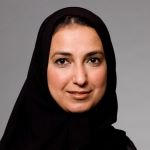
Salem bin Khalid Al Qassimi

Minister of Culture of the United Arab Emirates since February 2023. In this position, His Excellency Sheikh Salem bin Khalid Al Qassimi is responsible for the strategic and policy direction of the UAE’s culture sectors. He leads the Ministry’s initiatives to enable a robust cultural and creative ecosystem in the country and ensure its sustainability and active contribution to the local economy. Helming multilateral engagements with the UAE’s global and regional partners on international platforms, His Excellency represents the country on high-level global fora related to culture and creativity and heritage preservation. His Excellency was the Permanent Delegate of the UAE to United Nations Educational, Scientific and Cultural Organization “UNESCO” where he contributed to highlighting the country’s efforts and success endeavors, in addition to strengthening relations with other permanent delegates and overseeing the implementation of many joint projects that aims to enhance human and cultural cooperation. He has previously served as the Assistant Undersecretary for Arts and Heritage at the Ministry of Culture, where he led the implementation of high-level projects on national identity, Arabic language, Islamic arts, theatre, literature, archaeology, film and architecture to name few. His Excellency holds a Bachelor of Science in Design Management from the American University of Sharjah, as well as a Master of Public Administration in Environmental Science & Policy from Columbia University and a Master of Urban and Regional Planning from Paris Sorbonne University, Abu Dhabi/Paris.

Nawal Al-Hosany

Permanent Representative of the UAE to the International Renewable Energy Agency (IRENA). Dr Nawal Al-Hosany also holds the position of Deputy Director General of the Emirates Diplomatic Academy (EDA), since October 2017, where she contributes to the realisation of the Academy’s mandate; to equip the UAE’s current and future diplomats with the relevant knowledge and multi-disciplinary skills to effectively serve their nation. Prior to this, she was Director of Sustainability at Masdar, Abu Dhabi’s renewable energy company, and Director of Zayed Future Energy Prize, the UAE’s annual global awards for renewable energy and sustainability. Believing that women can play a leading role in responding to global sustainability and climate change challenges, she has been Programme Director of the UAE-led Women in Sustainability, Environment and Renewable Energy (WiSER) initiative since its formation in 2015. Prior to assuming her current roles, Dr Al-Hosany held senior leadership positions with the General Headquarters of the Abu Dhabi Police, including Head of Design and Studies in the Engineering Department. In 2007, she became the first-ever female Deputy Director in the Abu Dhabi Police.

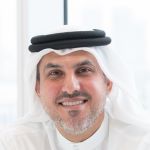
Adil Alzarooni

CEO of Al Zarooni Emirates Investments and Al Bidayer Holding. Dr. Adil Alzarooni is an Emirati leader of entrepreneurial teams and educator, committed to lifelong learning. With over two decades of experience in executive management, investments, sales, logistics, IT security and economic zone development, he has served in various leadership positions within UAE government entities as well as family-owned businesses. He has bolstered his portfolio with directorship positions in diverse sectors including healthcare, education, financial services, logistics, media, technology, food and beverage, fast moving consumer goods (FMCG) and real estate. Currently, he operates two family offices and a venture studio. Dr. Adil holds a bachelor’s degree in engineering from the Etisalat College of Engineering, a master’s in business administration from American University of Sharjah and a PhD in family businesses and business systems from the British University in Dubai. He is a passionate educator and an inspiring public speaker in the fields of economic zone development and sustainability of family businesses. He is the co-author of Economic Zones: The Essentials and the author of Sustaining Family Businesses: The Essentials and The Red Island: The Gatekeeper.

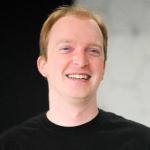
Felix Naser

COO of Liquid.AI. Felix Naser is an experienced leader in the fields of technology and automotive software, currently serving as COO at Liquid AI. He has led international teams in academia, startups, and corporations, co-creating intelligent software and mobility solutions. Felix is the co-founder of Venti Technologies, an autonomous vehicle startup. He has also worked as a Global Software Project Lead at BMW Group. In addition to his role at Liquid AI, Felix has been an Angel Investor at Games of Tomorrow GmbH, a Product & Leadership Team member at Pallon, and Founder & Managing Director at SEN GmbH. Forbes 30 Under 30 lister, He holds a master’s degree in electrical engineering and computer science from MIT.

George Janjgava

Ambassador Extraordinary and Plenipotentiary of Georgia to the Republic of Türkiye, with accreditation to the Republic of Albania, Bosnia and Herzegovina, the People’s Democratic Republic of Algeria, the Islamic Republic of Mauritania and the Republic of Sudan. Former Ambassador to the Kingdom of Saudi Arabia, the Kingdom of Bahrain, the Sultanate of Oman, the Republic of Yemen, the Islamic Republic of Iran and the Arabic Republic of Egypt. He was also accredited to the Islamic Republic of Pakistan and to the Syrian Arab Republic, as well as Representative of Georgia to the Organization of Islamic Corporation (OIC) in Riyadh, Saudi Arabia. Prior to that, he was Head of State Protocol to the President of Georgia and State Advisor on Foreign Relations to the State Council of Georgia. He is a member of the International Oriental Numismatic Society (ONS) and The British Society for Middle Eastern Studies. Fluent in English, Russian, Turkish, and Persian, he has authored two books and over 30 publications. He holds a Diploma with Honors in Economic and Social Geography from Tbilisi State University and studied at Cairo University.

Marwan Al Balushi

Minister Plenipotentiary Head of the Media and Communication Center at the Foreign Ministry of Oman. Mr. Al Balushi previously held several positions at the Ministry of Information, the latest being Media Attaché at the Embassy of the Sultanate of Oman in the United States of America. With a Master’s degree in International Communications (Political and Crisis Management) he earned in the United Kingdom, Mr. Al Balushi specializes in crisis and emergency management and reputation management. He also worked at the Public Authority for Electricity and Water and the Ministry of Housing.

Ali Saihood

COO and Executive Vice President of Raban Al-Safina Group (RAS Group). Mr. Saihood’s strategic leadership has been pivotal in expanding the group into a conglomerate comprising 28 companies across diverse industries, including oil & gas, power production, education, banking and financial services, security services, construction and turn-key solutions, consultancies, IT infrastructure and AI solutions, real estate development, and industrial facilities. Guided by a deep understanding of Iraq’s developmental priorities, Mr. Saihood has steered RAS Group’s operations towards bolstering key sectors such as energy, infrastructure, and technology. Under his stewardship, RAS Group has emerged as a driving force behind Iraq’s industrial advancement, aligning its endeavors with the nation’s vision for economic growth and prosperity. As the COO, he has been guiding the operations of several industrial facilities of the group, including a leading manufacturing factory for power distribution substations and components under the license of Siemens Energy, a state-of-the-art heavy engineering fabrication workshop, and a gas turbine capital parts repair-shop in partnership with EthosEnergy.

Hussein Saihood

Senior Vice President of Raban Al-Safina (Group), a pioneering private sector entity driving energy transition in Iraq. In this capacity, Mr. Saihood has played a pivotal role to continuously spearhead strategic projects that not only bolster the nation’s economy but also contribute to its overall development. Through substantial investments with added-value propositions to clients, he has propelled the group to the forefront of Iraq’s energy revolution. In the sphere of energy generation, Mr. Saihood has overseen two of the country’s most significant infrastructure projects; the Maisan Combined Cycle Power Plant, and the Amara Combined Cycle Power Plant. His leadership in the oil and gas sector has included groundbreaking initiatives such as the execution of two complex projects in the gas sector: the Buzurgan Pipeline Project and the Bin Umar Development Project. These strategic endeavors not only reduce Iraq’s dependency on neighboring countries for the supply of gas fuel, but also yields sustainable and positive environmental outcomes.

Ambre Eyoum

Diplomatic Advisor to the French President Special Envoy for IMEC. Prior to her diplomatic career, Ambre Eyoum worked in the energy industry for 10 years at TotalEnergies in Paris, at various positions related to energy diplomacy, strategy and sustainability. She became a senior civil servant after passing by the ENA (Ecole nationale d’administration) in 2022-2023 (promotion Guillaume Apollinaire). During her curriculum she was posted at the Embassy of France in the U.S.A in Washington, where she was acting as energy advisor at the chancery. In November 2023, as a diplomat, she integrated the G7-G20 summits Taskforce at the Ministry of Europe and Foreign affairs in Paris. Her scope covers climate, energy and economic diplomacy. Since early 2024 she has been in charge of coordinating the inception phase of the French IMEEC-project team (India-Middle East-Economic corridor) in support of the French President Special Envoy, Mr. Gérard Mestrallet, before becoming his Special and Diplomatic Advisor. Ambre Eyoum is a graduate from Sciences Po Bordeaux, she holds a Master’s degree in Geo-economics. She was a Young Leader of the World petroleum Council and of the “Global Governance Futures 2030” project led by the German think tank GPPi.

Sultana Alfiya Askar Abulkhair

Founder and Chairwoman of BATT Invest. Sultana Alfiya ASKAR ABULKHAIR is one of the most prominent business women in Kazakhstan who started her own large-scale business activities more than 30 years ago. The family title of Sultana was restored in 2021, and has been duly recognized in the United Kingdom where Sultana Askar Abulkhair has been living for over 20 years. Sultana Askar Abulkhair graduated from Kazakh Economics University in Almaty with a degree in Economics. With her husband, Timur Kuanyshev, she set up a conglomerate, BATT Corporation, an investment holding covering various sectors, including natural resources, construction and real estate development, banking and financial services, and the food industry. In a few years, it had grown into the largest private agricultural company in Kazakhstan. In August 2021, BATT Corporation evolved and re-branded to BATT Invest company, a controlling parent company operating its subsidiaries in the Republic of Kazakhstan and outside. Sultana Askar Abulkhair takes an active and important role in the investment and operational activities of the company, being both a founder and acting as Chairwoman of BATT Invest company. From 2014 to 2018 Sultana Askar Abulkhair was an Advisor to the Prime Minister of Kazakhstan within his Chairmanship of the Board of the Eurasian Development Bank (including 6 member-states Armenia, Belarus, Kazakhstan, Kyrgyzstan, Russia and Tajikistan). Sultana Askar Abulkhair has become a Patron of the British Academy of Film and Television Arts (BAFTA) in 2019, and has also been asked to join the British- Kazakh Society as a business member to further contribute to developing Kazakhstan-UK bilateral collaboration in the field of business, culture and education. Since autumn 2022 has become a Member of the Board of Louis Dreyfus Fondation.

Natalia Al Mansour

Ambassador of the Republic of Slovenia to the UAE, Bahrain, Kuwait and Qatar since August 2022. Amb. Al Mansour started her diplomatic career at the Ministry of Foreign Affairs in 2004. Previously she held various positions at Embassies of the Republic of Slovenia in Tehran, Prague and Cairo, as well as at the Permanent Representation of the Republic of Slovenia to the EU in Brussels. Between 2019 and 2022 she was Head of Department for Africa and the Middle East at the Ministry of Foreign Affairs of the Republic of Slovenia, and held an additional (honorary) role as Coordinator for Equal Opportunities at the Ministry.

Benjamin Augé

Associate researcher at Ifri since June 2010. He holds a doctorate in geography from the Institut Français de Géopolitique (Université Paris 8), and is also head of investigations at Africa Intelligence. He teaches the geopolitics of oil and gas in Africa, the comparative African policies of the P5 members and relations between Africa and the Gulf at the Executive Masters programs of HEC and Sciences Po Paris. He also lectures at the Diplomatic Academy of the Netherlands (Clingendael).

Jamil Hallak

Chief Investment Officer of the Othaim Family Office. Jamil Hallak is a distinguished leader in global capital markets, with over 20 years of experience driving financial innovation and strategy at top institutions in Paris and London. His career began in Global Rates and Credit trading and portfolio management, where he quickly became known for his expertise in High Yield and Emerging Markets. Jamil’s ability to devise financing solutions during critical financial crises solidified his reputation in the industry. In 2009, Jamil led the Middle East and Africa trading business during the early stages of MENA’s debt capital markets growth. His leadership played a crucial role in navigating challenges such as the Arab Spring, the Dubai financial crisis, and various high-profile restructurings. Throughout his career, Jamil has held senior roles at prestigious financial institutions, including Société Générale, BNP Paribas, Standard Chartered, Deutsche Bank, and Credit Suisse. His strategic insights and leadership have significantly influenced the financial landscape at these organizations. In 2017, Jamil took on the role of Head of Investments at Riyad Bank during its transformation journey, aligned with the government’s ambition. He was key in recruiting talent, managing risk, developing new areas of expertise, and collaborating on strategic initiatives, earning him a prominent reputation within the Kingdom. Since 2020, Jamil has served as the Chief Investment Officer of the Othaim Family Office, where he continues to apply his deep expertise in capital markets to drive financial success and innovation. His career reflects a blend of leadership, financial acumen, and a commitment to navigating complex market environments.

Tiémoko Meyliet Koné

Vice President of Côte d’Ivoire. Prior to this, he served as the Governor of the Central Bank of West African States (BCEAO), following his appointment by the Heads of State of the West African Monetary Union. As BCEAO Governor, he chaired several important entities, including the BCEAO’s Board of Directors, the Monetary Policy Committee, and the Financial Stability Committee of the West African Monetary Union. He was at the same time an active member of the Board of Directors of the Alliance for Financial Inclusion (AFI). Prior to that, he held various positions in the Ivorian public administration, including Director of the Prime Minister’s Office (2007-2010) and Minister of Construction, Urbanism, and Housing. He was also Special Advisor to the President for Economic and Monetary Affairs.

Kevin McCarthy

55th Speaker of the US House of Representatives. Kevin McCarthy is described as a man exuding “true American grit.” Prior to his election to Congress, McCarthy served as the fastest rising Minority Leader in the California State Legislature. In Congress, he held nearly every elected leadership position in the House Republican conference and served under four Presidents, during two economic crises, and through consistent political upheaval while always maintaining his approach to governing as a Happy Warrior. After his election to Speaker, McCarthy went on to secure $2T in deficit reduction. McCarthy’s decade and a half at the pinnacle of U.S. government has imbued him with powerful insights into politics, leadership, and values. Throughout his career, McCarthy fought for a more effective, efficient, and accountable federal government. McCarthy’s invaluable perspective as a Washington insider, as well as his sharp insights and analysis, make him the ideal voice on the future of the U.S.

Yun Jongkoo

CEO of LIG System Co., Ltd., South Korean defense and IT solutions company. Mr. Yun served as CFO of Huseo Inc. and LG Electronics Australia Inc. At LG Electronics Inc., he held key positions including Director of Trade Defense & Anti-Dumping and Team Leader for Overseas Subsidiary Management. He has extensive experience in strategic planning and restructuring from his time at Zenith Electronics. Mr. Yun holds an MBA from Michigan State University and an BA in Business Administration from Yonsei University.

Choi Yongjoon

CEO of LIG Corp., a South Korean conglomerate. At LIG Nex1, an aerospace and arms manufacturer, he held various leadership positions, including Director of Strategic Planning and Director of Network Divisions. Prior to joining LIG Group, he worked in management consulting. Mr. Choi holds an MS in Business Administration from Seoul National University.

Nialé Kaba

Minister of Economy, Planning, and Development of Côte d’Ivoire. She is a first-class economist and the first woman to serve as Minister of Economy and Finance of the country. She played a pivotal role in shaping Côte d’Ivoire’s economic policies, leading significant reforms that boosted economic growth to 9% annually during her tenure as Minister of Economy and Finance (2012-2016). Under her leadership, Côte d’Ivoire achieved financial ratings by renowned agencies, Moody’s and Fitch, and began accessing international financial markets. She has served as Minister of Planning and Development since 2016, overseeing the National Development Plans (NDPs) and international cooperation efforts. She chaired the African Development Bank Group (AfDB) Board of Governors (2019-2020), contributing to the institution’s historic capital increase. She has represented Côte d’Ivoire globally, participating in the UN’s Sustainable Development Goals discussions and overseeing the 2021 Population Census. She is a Member of the Executive Board of the Rally of Houphouetists for Democracy and Peace (RHDP) and Member of Parliament for Bouna since March 2021. She holds a MA in Economics from the University of Abidjan-Cocody, a Statistical Engineer and Economist degree from the National School of Statistics and Economic Administration (ENSAE) in Paris, a Diploma of Advanced Studies (DEA) in International Economics and Development Economics from the University of Paris Panthéon-Sorbonne, and a diploma in Economic Policy Management from the Institute of the International Monetary Fund (IMF).

Ramūnas Davidonis

Ambassador of the Republic of Lithuania to the United Arab Emirates. Mr. Ramūnas Davidonis is a career diplomat. He also serves the Republic of Lithuania as Ambassador to Kuwait, Bahrain, Iraq, and is Ambassador-Designate to the Kingdom of Saudi Arabia. Before taking up his current position, he was Deputy Ambassador at the Lithuanian Embassy in the UK from 2021 to 2022, and Deputy Director for Latin America, Africa, Asia and Oceania Department at the Ministry of Foreign Affairs of Lithuania from 2019 to 2021. Graduated from the Philology Department of Vilnius University and holder of an M.A. in International Relations and European Studies from the Central European University (Prague/Budapest), he started his career at the Ministry of Foreign Affairs of Lithuania in 1991.

Ramu Ramaswamy

Partner in Dentons’ Paris Sovereign Advisory group. Ramu focuses his practice on supporting governments and government-related entities on the development and financing of resources and energy-related projects. Ramu is also an expert in non-contentious infrastructure law and has spent most of his career advising on the development of large-scale energy (including oil and gas) and infrastructure projects all around the world (notably South America, Europe, Africa, the Middle East and India). His expertise, both as an in-house and a private-practice lawyer, stems from many years of drafting and negotiating projects and associated commercial agreements making him one of the most sought-after international commercial lawyers in his areas of expertise. Currently a lot of his work is in Africa and South America. Ramu’s diverse experience gives him a very unique skill set and ability to quickly identify his clients’ needs and place them in a commercial context to get projects done.

Noura Al Kaabi

Minister of State at the UAE Ministry of Foreign Affairs. Previously, Her Excellency Noura bint Mohammed Al Kaabi served as Minister of Culture and Youth, Minister of State for Federal National Council Affairs, and President of Zayed University, where she established the College of Interdisciplinary Studies to prepare students for dynamic and future-focused careers. As a champion of the UAE’s cultural and creative industries, Her Excellency has advanced initiatives such as the National Creative Relief Program and the National Strategy for Cultural and Creative Industries, positioning the sector as a cornerstone of economic growth. On the international stage, she spearheaded the UAE’s successful bid to join UNESCO’s Executive Board and led efforts to restore Mosul’s heritage through the “Revive the Spirit of Mosul” initiative, exemplifying the UAE’s commitment to cultural preservation and global collaboration. Her Excellency holds key leadership roles, including Secretary-General of the Board of Trustees at the Kalimat Foundation and Board Member at Alef Education. She has also chaired twofour54, Abu Dhabi Media, and the UAE National Commission for Education, Culture, and Science. For her contributions to global cultural and diplomatic engagement, she has been awarded prestigious honors such as the French Legion of Honor and South Korea’s Gwanghwa Medal.

Anatol Vangheli

Ambassador of the Republic of Moldova to the United Arab Emirates. H.E. Anatol Vangheli has had a distinguished career in diplomacy, serving the Republic of Moldova in various capacities for almost three decades, holding the diplomatic rank of Ambassador. At the Ministry of Foreign Affairs, he worked as Secretary General, Ambassador to the State of Israel, to the Hellenic Republic and to Cyprus, Director of the Policy Analysis, Monitoring, and Evaluation Division and Asia, Africa, Middle East, and Pacific Division. Ambassador Vangheli’s expertise extends to international security, economic diplomacy, and humanitarian missions. His previous roles include serving in the OSCE Missions to Georgia and Kosovo as Spokesperson, Counsellor for refugees and observer. He holds a Master’s degree in Cultures and Economies of Central and Eastern Europe, as well as studied law, political science and foreign philology at the Universities in Moldova and in the Institute of Political Studies in Grenoble, France.

Gidon Bromberg

Co-founder and Co-director of EcoPeace Middle East, unique regional environmental peacebuilding organization founded in 1994 and nominated in 2024 for the Nobel Peace Prize. Gidon has served as its co-Director for three decades. An attorney by profession, Gidon is an alumnus of Monash University in Australia, Washington College of Law at American University, and Yale University’s World Fellows program. Mr. Bromberg has been immersed in the environmental peacebuilding world for over 30 years and has written extensively on the relationship between water issues and Middle East peace. He has presented on these issues before the UN Security Council, UN Climate Summit, US Congress, European Parliament, and in other local and international forums. Gidon is a member of the jury of the prestigious Goldman Environmental Award.

Eiso Kant

CTO and co-founder of poolside AI. Eiso is an engineer who has been building early stage companies in the AI and developer tools space for over a decade. Prior to founding poolside, Eiso was the founder and CEO of Athenian, a data-enabled engineering platform. Before that, he built source{d}, the world’s first company dedicated to applying AI to code and software, where he lived first hand through the challenges poolside faces which seeded the thinking for poolside’s early technical and applied research decisions. As CEO of his previous 3 companies, Eiso raised from prominent European and US investors, many of which have followed him consistently across companies. Eiso also currently sits on the Board of a private GPU cloud provider.

Philippe Etienne

Ambassador of France since June 2019, Philippe Étienne is also a professor of public and international affairs at Columbia University. He has additionally joined the “Geopolitical Practice” chair within the Democratic Studies program at the École Normale Supérieure (ENS-PSL). From 2019 to 2023, Philippe Étienne served as France’s ambassador to the United States, marking a significant milestone in his diplomatic career. In May 2017, he joined the French Presidency as diplomatic advisor to President Emmanuel Macron, also acting as G7 and G20 sherpa. Throughout his diplomatic career, he has held several prominent positions, including Ambassador of France to Germany and Romania, Ambassador and Permanent Representative of France to the European Union, and Director-General for International Cooperation and Development at the French Ministry of Foreign Affairs. Since July 2023, he has been leading the prefiguration of the GIP Mission Libération, while also advising economic actors on their international activities. In 2023, he was promoted to the rank of Commander of the Legion of Honor.

Anurag Varma

Senior Vice President and Head of Public Affairs and Business Development for Adani North America, part of India’s largest infrastructure and logistics conglomerate. In this capacity, Anurag Varma shapes the company’s partnerships and strategic growth in North America. He has been a driving force for over 25 years at the nexus of key public and private sector initiatives between India, the U.S., and increasingly, Canada. Before joining the Adani Group, Anurag was Vice President, Head of Global Government and Public Affairs at Infosys, a global leader in technology consulting. There, he led complex public policy strategies across major markets, from the U.S. and Canada to Europe, Australia, and India. Anurag has also served in senior counsel roles at top-tier law firms Patton Boggs and Akin Gump, where he represented international governments, including the Government of India, Indian corporations, and major Indian American trade associations before the U.S. Congress and Administration. Anurag was pivotal in advising multinational companies navigating India’s intricate market entry landscape, while simultaneously advancing U.S.-India trade relations. Based in Washington, D.C., Anurag has earned a Bachelor of Commerce (B.Comm) from the University of Alberta (Canada), and law degrees from the University of Denver (J.D.) and Georgetown University Law Center (LL.M.).