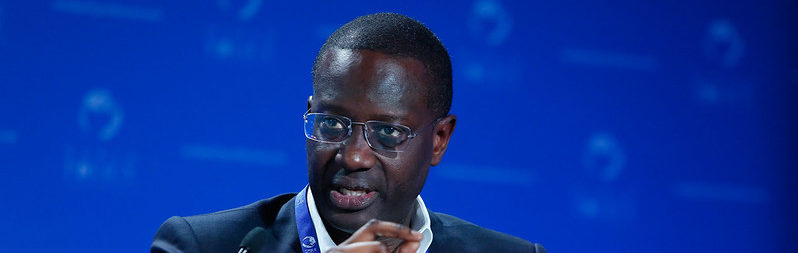
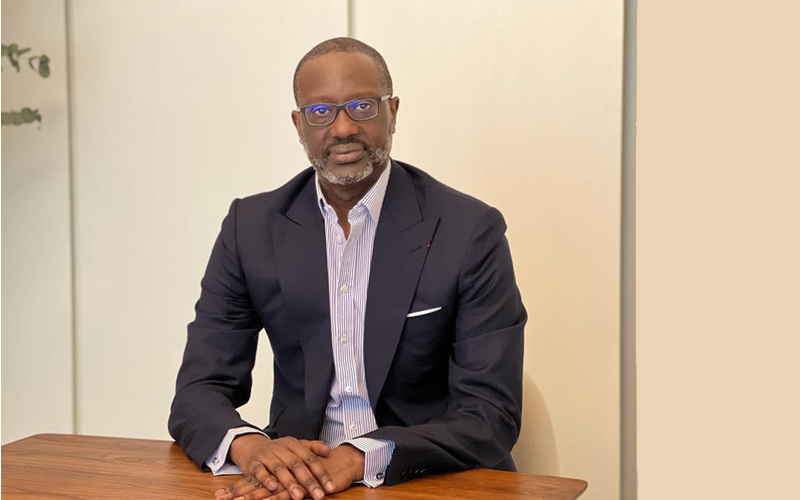
Nicolas Véron : « How Ukraine kept banks afloat and money flowing »

DARIAN WOODS, HOST:

In a terrible war, you can kind of forget that millions of Ukrainians are still working their normal jobs. That’s especially true in the majority of Ukraine, which is not under Russian occupation. In between curfews and air raid sirens, many Ukrainians are still buying coffees from cafes. They’re still paying their phone and electricity bills. And to do that, they’re using their banks.

ADRIAN MA, HOST:

And maybe surprisingly, Ukraine has managed to avoid a financial collapse despite being pummeled by Russian bombs. That’s because there’s been this mammoth effort to keep the banking system running during this war. To keep the money flowing requires radical actions from the top at Ukraine Central Bank all the way through to the worker who is loading up the ATMs with cash. And how Ukraine has managed this is by following the playbook from really any financial disaster.

This is THE INDICATOR FROM PLANET MONEY. I’m Adrian Ma.

WOODS: And I’m Darian Woods. Today on the show, an international economist tells us four steps to keep your banks running during a crisis. And a Ukrainian banker tells us how that’s playing out on the ground while trying to keep his staff safe.

SERHII NAUMOV: I will not tell you many details. We cannot openly say many things.

WOODS: What we did learn after the break.

(SOUNDBITE OF MUSIC)

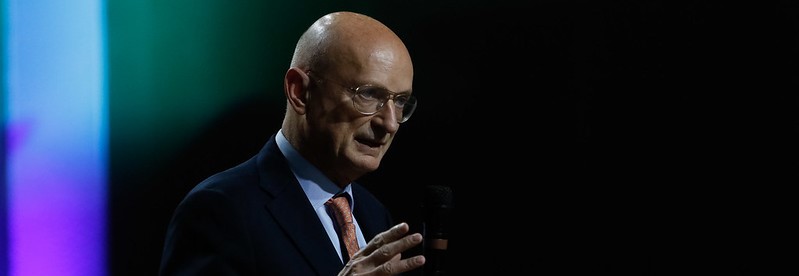
MA: To find out how Ukraine is keeping its banking system afloat, we spoke to Nicolas Veron. He’s with the think tanks Bruegel and the Peterson Institute.

NICOLAS VERON: There’s been a lot of surprises, I think, on all fronts since the war started. So there is – there’s much to be humble about.

WOODS: And one surprise was in Ukraine’s banking system. Ukraine is a fairly new democracy, and it’s been dogged by these episodes of really high inflation. Several years ago, the country did reform its monetary system and it got inflation under control. But then Russian forces, a few months ago, started building up along the Ukrainian border. So you can imagine, you know, on top of how dangerous the situation was, financially, Ukrainians would have been feeling a little on edge and ready to take their money out of the bank.

VERON: It is completely rational at an individual point of view. It’s also destabilizing at the collective point of view. So that’s what economists or game theorists call a collective action problem.

MA: A collective action problem. What’s right for each individual person is terrible for the economy at large. And in this case, that means a lot of people converting their savings into dollars and euros from the local Ukrainian currency, the hryvnia. Which is, you know, understandable because some people might be afraid of the currency collapsing.

WOODS: Yeah, the hryvnia had been getting less and less valuable in the last several months in the lead up to the war. Also, all that demand for cash withdrawals is a really big problem for banks. So when you have a bank account, it has – I don’t know – $5,000 in it, the bank doesn’t actually have those $5,000 in bills in its vault. It’s already lending most of your money out.

VERON: Kind of a stampede, a collective dynamic that would become completely uncontrollable and highly destabilizing. And so to avoid the stampede, you say just, you know, people cannot move.

MA: And so the central bank is going to try and essentially stem the flow of money out of the country. This is the first of four actions a central bank can take in a crisis, which we’re going to call a freeze-frame. It’s like hitting the pause button on a video game. It gives a central bank time to scramble, get its house in order and temporarily try and stop a panic from spiraling out of control. And the way Ukraine’s central bank did that within hours of the Russian invasion was, one, by fixing the exchange rate and also by using these things called capital controls.

WOODS: Capital controls meant most people couldn’t convert hryvnias to dollars or euros. You weren’t even allowed to send money to your PayPal account. And fixing the exchange rate meant that the few transactions that were allowed, the government made these specific exchange rates that were frozen in time that couldn’t change with any market forces.

VERON: And that’s what had been discovered by the refugees, especially, who came to Europe with, you know, banknotes, stashes of hryvnia but have found it very difficult to exchange them for euros or dollars.

MA: Refugees not being able to convert much of their savings into local currency is one of the reasons capital controls cannot last forever. They start to create other problems. And just like with a paused video game, eventually, you’re going to want to restart. And so in the meantime, the central bank needs to bolster the banking system. And that’s action No. 2 – phone a friend.

WOODS: Specifically, Poland – on the same day of the invasion, Ukraine signed an agreement with Poland saying that they could swap about a billion dollars’ worth of Ukrainian hryvnia for the Polish currency at an agreed rate. And that is a huge help because it allows Ukraine to pay other countries in a more stable currency.

MA: The other friend was the International Monetary Fund. At its heart, it’s a bank for countries in financial trouble. The IMF gave Ukraine a no-strings-attached $1.4 billion loan in early March.

VERON: That was disbursed immediately to help the Ukrainian government with their urgent spending needs that the IMF very euphemistically puts it.

(SOUNDBITE OF MUSIC)

WOODS: Some of those urgent needs were part of the third step that can be used to stem a financial crisis. Step 3 – load them up; lend banks a lot of money for any withdrawals they need. The central bank said it would loan banks an unlimited amount of hryvnia, Ukrainian cash, whenever people wanted to withdraw it. And by announcing this policy that Ukraine’s banks would have a way to make good on any cash needs, this was a way to calm everybody down and avoid a bank run.

MA: But to convince everyone the cash will actually be there when you need it, you need the help of the retail banks. And that’s step No. 4 – cash out.

NAUMOV: It is really difficult to deliver cash.

WOODS: This is Serhii Naumov, the CEO of the Ukraine’s second largest bank, Oschadbank.

NAUMOV: On the road, you will for sure be under fire. This is very dangerous.

MA: When we spoke to Serhii, he was in a home office in the western part of Ukraine with a blue and gold Ukrainian flag pinned behind him on the wall.

WOODS: Serhii’s staff have come up with all kinds of ways to keep safe when delivering cash to ATMs and bank branches. And Serhii didn’t want to give exact details about how his staff might be finding safer times or safer routes to travel or maybe even using different vehicles. But he did say this.

NAUMOV: Our people there show that they are really brave. In some cases (laughter), they do things like a hero, trying to transfer cash if it is not possible, even by using the – some rivers stopped the boat (ph) – in order to bring money to allow people to get payments.

MA: They used a boat to cross the river because the bridge had been bombed by Russian forces. I mean, that’s pretty impressive.

WOODS: Yeah, that’s thinking on your feet. It’s pretty amazing.

MA: Yeah, yeah. But ultimately, Serhii says he has an even bigger worry than getting cash to banks. He’s worried about his staff. In some towns, he says, his bank has started to evacuate employees, but they haven’t been able to get everyone out.

NAUMOV: Sometimes people, they don’t want even leave in some cases. And they are still working to the final end, you know?

WOODS: Yeah. I mean, it is a devastating situation at the moment. I mean, how is that for you personally?

NAUMOV: I mean, who is prepared for such this scale of war? But together with team, with people, with support, I mean, we are working. We are working, and it is not easy, but this is our reality. We have to work.

MA: So far, Ukraine has not faced financial freefall, even while fighting this devastating war. This is the big surprise Nicolas was talking about.

VERON: We’re discovering the reality of this commitment of Ukrainians to their national idea, which takes many form on the battlefront, but also in the financial world.

WOODS: And while the future is anyone’s guess, the country’s financial resilience, at least for now, is a testament to the fast action from officials at Ukraine’s central bank, from Serhii at Oschadbank and from Serhii’s delivery drivers improvising a cash delivery system along a river somewhere in Ukraine.

(SOUNDBITE OF MUSIC)

WOODS: We want to thank Joel Wasserman. He’s an English teacher in Ukraine who helped connect us with Serhii. And we also want to say hi to our students, INDICATOR listeners Anna M. (ph), Anna K. (ph), Alena (ph), Alexy (ph) and Serhii. We’re wishing you all the best.

(SOUNDBITE OF MUSIC)

MA: This show was produced by Jamila Huxtable and Nikki Ouellet with engineering by Isaac Rodrigues. It was fact-checked by Corey Bridges. Viet Le is our senior producer. Kate Concannon edits the show. And THE INDICATOR is a production of NPR.

Listen to the podcast on the site of NPR.

How to stop China and the US going to war

Armed conflict between the world’s two superpowers, while not yet inevitable, has become a real possibility. The 2020s will be the decade of living dangerously

by Kevin Rudd

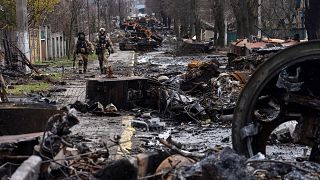
As images of destruction and death emerge from Ukraine, and refugees flee the country in their millions, the world’s attention is rightly focused on the horror of what many once thought an impossibility in the 21st century: a large-scale modern war in Europe. In this grim moment, however, it is all the more important to think through and coldly reassess the dangers presented by other potential conflicts that could be sparked by growing geopolitical tensions. The most significant among these is the risk of a war between the United States and China. The salutary lesson of our time is that this scenario is no longer unthinkable.

The 2020s now loom as a decisive decade, as the balance of power between the US and China shifts. Strategists of both countries know this. For policymakers in Beijing and Washington, as well as in other capitals, the 2020s will be the decade of living dangerously. Should these two giants find a way to coexist without betraying their core interests, the world will be better for it. Should they fail, down the other path lies the possibility of a war many times more destructive than what we are seeing in Ukraine today – and, as in 1914, one that will rewrite the future in ways we can barely imagine.

Armed conflict between China and the US in the next decade, while not yet probable, has become a real possibility. In part, this is because the balance of power between the two countries is changing rapidly. In part it is because, back in 2014, Xi Jinping changed China’s grand strategy from an essentially defensive posture to a more activist policy that seeks to advance Chinese interests across the world. It is also because the US has, in response, embraced an entirely new China strategy since 2017, in what the Trump and Biden administrations have called a new age of strategic competition. These factors combined have put China and the US on a collision course in the decade ahead.

We have arrived at a point in the long evolution of the US-China relationship when serious analysts and commentators increasingly assume that some form of crisis, conflict or even war is inevitable. This thinking is dangerous. The advantage of diplomatic history – if we study it seriously – is that the risk of talking ourselves into a crisis is real. The discourse of inevitability takes hold, mutual demonisation increases, and the public policy response, ever so subtly, moves from war prevention to war preparation. The sleepwalking of the nations of Europe into war in 1914 should remain a salutary lesson for us all.

In my view, there is nothing inevitable about war. We are not captive to some deep, imaginary, irreversible forces of history. Our best chance of avoiding war is to better understand the other side’s strategic thinking and to plan for a world where the US and China are able to competitively coexist, even if in a state of continuing rivalry reinforced by mutual deterrence. A world where political leaders are empowered to preside over a competitive race rather than resorting to armed conflict.

Indeed, if we can preserve peace in the decade ahead, political circumstances may eventually change, and strategic thought may evolve in the face of broader planetary challenges. It may then be possible for leaders to imagine a different way of thinking (the Chinese term is siwei) that prioritises collaboration over conflict, in order to meet the existential global challenges confronting us all. But to do that, we must first get through the current decade without destroying each other.


Ihave been a student of China since I was 18, beginning with my undergraduate degree at the Australian National University, where I majored in Mandarin Chinese and Chinese history. I have lived and worked in Beijing, Shanghai, Hong Kong and Taipei through different diplomatic postings, and have developed many friendships across greater China. I have travelled back to China and Taiwan regularly in the past 40 years, including in my role as prime minister of Australia, personally meeting with Xi Jinping and other senior Chinese leaders. I admire China’s classical civilisation, including its remarkable philosophical, literary and artistic traditions, as well as the economic achievements of the post-Mao era in lifting a quarter of humanity out of poverty.

At the same time, I have been deeply critical of Mao’s depredations of the country during the Great Leap Forward of 1958, which left 30 million dead from starvation; the Cultural Revolution, which led to millions more deaths and the destruction of priceless cultural heritage; and human rights abuses, which continue to this day. I am still haunted by the thousands of young faces gathered in Tiananmen Square in late May 1989. I spent the better part of a week walking and talking among them – before the tanks moved in on 4 June. I have simply read and seen too much over the years to politely brush it all under the carpet.

That’s why I could not avoid the whole question of human rights when, in 2008, I returned to Beijing as Australia’s prime minister on my inaugural visit. On the first day I delivered a public lecture in Chinese at Peking University, where I argued that the best classical ideals of friendship within the Chinese tradition – the concept of zhengyou – meant that friends could candidly speak to each other without rupturing the relationship. With those ideals in mind, I raised human rights abuses in Tibet in the middle of my speech.

The Chinese foreign ministry went nuts. So, too, did the more supine members of the Australian political class, business community and media, who did what they always do and asked: “How could you upset our Chinese hosts by mentioning the unmentionable?” The answer was straightforward: because it happened to be the truth, and to ignore it was to ignore part of the complex reality of any country’s relationship with the People’s Republic.

Just as I have lived in China, I’ve also lived in the US, and have a deep affection for the country and its people. I am intimately aware of the differences between the two countries, but I’ve also seen the great cultural values they have in common – the love of family, the importance that Chinese and Americans attach to the education of their children, and their vibrant entrepreneurial cultures driven by aspiration and hard work.

No approach to understanding US-China relations is free from intellectual and cultural prejudice. For all my education in Chinese history and thought, I am inescapably and unapologetically a creature of the west. I therefore belong to its philosophical, religious and cultural traditions. The country I served as both prime minister and foreign minister has been an ally of the US for more than 100 years, and actively supports the continuation of the liberal international order built by the US out of the ashes of the second world war. At the same time, I have never accepted the view that an alliance with the US mandates automatic compliance with every element of American policy. Despite pressure from Washington, my political party, the Australian Labor party, opposed both the Vietnam war and the invasion of Iraq. Nor am I complacent about the failings of American domestic politics and the unsustainable economic inequalities that we find increasing across American society.

The judgment I bring to bear on US-China relations also reflects my personal loathing for jingoistic nationalism, which, regrettably, has become an increasingly prominent feature of Chinese and American public life. This may be emotionally satisfying to some and politically useful for others, but it brings about no good whatsoever. Above all, when it comes to international relations, nationalism is a very dangerous thing indeed.


The current state of US-China relations is the product of a long, contested history. What emerges across the centuries is a recurring theme of mutual non-comprehension and suspicion, often followed by periods of exaggerated hopes and expectations that then collapse in the face of differing political and strategic imperatives. Over the past 150 years, each side has blamed the other for the relationship’s failings.

In its narrowest conception, the modern relationship between China and the US has relied on common economic self-interest. At other times, this has been supported by a sense of shared goals in the face of a common enemy – at first the Soviet Union and, after 9/11, to a much more limited extent, militant Islamism. More recently, China and the US have developed shared concerns about global financial stability and the impacts of climate breakdown. Human rights have always remained an underlying point of friction. Despite occasional flirtations by the Chinese Communist party (CCP) with various forms of political liberalisation, there has been, at best, a sullen tolerance for each other’s political systems. For a long time, these various pillars – economic, geostrategic and multilateral – combined to support the relationship in a way that’s been relatively robust. But one by one, over the last decade, each pillar cracked.

Most Americans, including educated elites, struggle to understand how politics works in the People’s Republic of China. And the lack of American familiarity with the Chinese cultural canon, its logographic language, its ancient ethical concepts and its contemporary communist leadership can cause Americans to feel uncertain and distrustful about this newly emerged rival for the mantle of global leadership.

This chasm of distrust has been growing for many years. Washington no longer believes in China’s self-proclaimed “peaceful rise”. The US national security establishment, in particular, now holds the view that the CCP has never had any compunction about deceiving its political or strategic adversaries. It sees such language as little more than a diplomatic ruse, while China spreads its influence, backed by military power, throughout the world. It points to island reclamation in the South China Sea, the building of Chinese naval bases around the Indian Ocean, and Chinese cyber-attacks on the US government as evidence of the reality of Chinese aggression.

Each side points to the other as the guilty party. Beijing does not buy Washington’s claims that it has no interest in “containing” China’s rise. As evidence, China points to increased arms sales by the US to Taiwan despite repeated American promises to reduce these, the trade war that Beijing sees as a concerted effort to cripple its economy, and the American campaign against Huawei, which it sees as an effort to stymie China’s technological advance. Beijing reads Washington’s insistence on freedom of navigation for itself and its allies in the South China Sea as hostile interference in Chinese sovereign waters.


In Thucydides’s History of the Peloponnesian War, the ancient Greek historian concluded that “it was the rise of Athens and the fear that this instilled in Sparta that made war inevitable”. Taking this as his starting point, the Harvard professor of government, Graham Allison, has developed the notion of the Thucydides Trap. This, he explains, is “the natural, inevitable discombobulation that occurs when a rising power threatens to displace a ruling power”. According to Allison’s model, based on his examination of multiple historical case studies, where this dynamic is present, war is more likely than not.

In many respects, many elements of Thucydides’s Trap are already present in the US-China relationship of today. It is relatively easy to envisage a series of events that mutates into a sort of cold war 2.0 between the US and China, which, in turn, runs the risk of triggering a hot one. For example, hackers could disable the other side’s infrastructure, from pipelines and electric grids to air traffic control systems, with potentially deadly results. More conventional military exchanges are also within the realm of the possible. The US has Asian allies it has sworn to protect, and China’s ambitions push up against those alliances. From Taiwan to the South China Sea and the Philippines to the East China Sea and Japan, China is increasingly testing the limits of US defence commitments.

While Beijing’s chief aim for the modernisation and expansion of its military has been to prepare for future Taiwan contingencies, China’s growing military, naval, air and intelligence capabilities represent, in the American view, a much broader challenge to US military predominance across the wider Indo-Pacific region and beyond.

Of greatest concern to the US is the rapid expansion and modernisation of the Chinese navy and its growing submarine capabilities, as well as China’s development, for the first time in its history, of a blue-water fleet with force-projection capabilities beyond its coastal waters. This has enabled China to expand its reach across the Indian Ocean, enhanced by a string of available ports provided by its friends and partners across south-east Asia, south Asia and all the way to east Africa and Djibouti in the Red Sea. Added to this is a wider pattern of military and naval collaboration with Russia, including recent joint land-and-sea exercises in the Russian far east, the Mediterranean and the Baltic. These have caused American military thinkers to conclude that Chinese strategists have much wider ambitions than just the Taiwan Strait.


Changes in the balance of power are one part of the story. The other is the changing character of China’s leadership. Not since Mao has China had a leader as powerful as it has right now. Xi’s influence permeates every level of party and state. He has acquired power in a way that has been politically astute and brutal. To take but one example, the anticorruption campaign he has wielded across the party has helped “clean up” the country’s almost industrial levels of corruption. It has also enabled him to “clean out” – via expulsion from the party and sentences to life imprisonment – nearly all the rivals who might otherwise have threatened his supreme authority.

For Americans who imagined that as China adopted a free market economy it would one day become a liberal democracy, China’s new leadership represents a radical departure. As Washington sees it, Xi abandoned any pretence of China ever transforming itself into a more open, tolerant, liberal democratic state. He has also adopted a model of authoritarian capitalism that is less market-driven and prioritises state enterprises over the private sector, and he is tightening the party’s control over business. Even as Beijing appears determined to rewrite the terms of the international order, the US also sees Xi as fanning the flames of Chinese nationalism in a manner that is increasingly anti-American. The US sees Xi as determined to alter the status quo in the western Pacific and establish a Chinese sphere of influence across the eastern hemisphere.
Washington has also concluded that Xi decided to export his domestic political model to the rest of the developing world by leveraging the global gravitational pull of the Chinese economy. The ultimate objective is to create an international system that is much more accommodating of Chinese national interests and values. Finally, the US has concluded that these changes in China’s official worldview are underpinned by a powerful Chinese party-state that is increasingly on a self-selected collision course with the US.

Of course, China doesn’t see it like that. Xi’s view is that there is nothing wrong with China’s political-economic mode, and that while Beijing offers it to others in the developing world to emulate, it is not “forcing it” on any other state. Xi points out the considerable failings of western democracies in dealing with core challenges, such as the Covid-19 pandemic. He argues that China has modernised its military in order to secure its longstanding territorial claims, particularly over Taiwan, and he makes no apology for using the Chinese economy to advance its national interests. Nor does he apologise for using his newfound global power to rewrite the rules of the international system and the multilateral institutions that back it, arguing that this is precisely what the victorious western powers did after the second world war.

The CCP’s goal under Xi is also to pull China’s per-capita GDP up to “the level of other moderately developed countries” by 2035. Chinese economists typically place that somewhere between $20,000 and $30,000, or a level similar to South Korea. This would require a further doubling or tripling of the size of China’s economy. Given the party’s controversial 2018 decision to remove the two-term limit on five-year presidential terms, Xi could remain China’s paramount leader through the 2020s and well into the 2030s. It is likely to be on his watch that China finally becomes the largest economy in the world, supplanting the US after more than a century of global economic dominance. With this shift in the global balance of power, Xi will probably feel emboldened to pursue a growing array of global ambitions over these next 15 years – none more consequential to him than to see the return of Taiwan to Beijing’s sovereignty.

In the eyes of China’s leadership, there is only one country capable of fundamentally disrupting Xi’s national and global ambitions. That is the US. That’s why the US continues to occupy the central position in Chinese Communist party strategic thinking.

Xi is no neophyte in his understanding of the US. He visited the country during his earlier political career, once as a junior official in the 1980s, where he famously stayed with a family in rural Iowa, and again more than 20 years later when, as Chinese vice-president, he was hosted by then US vice-president Joe Biden on a weeklong visit to various American cities and states. In 2010, Xi sent his only child to Harvard University for her undergraduate degree. Xi also hosted multiple US delegations throughout his political career, in Beijing and in the provinces.

Despite all this, Xi neither speaks nor reads English. His understanding of the US has always been intermediated through official Chinese sources of translation, which are not always known for accuracy or nuance. And official briefings, generated from China’s foreign policy bureaucracy and intelligence community, rarely see the US in a benign light. (Chinese officials, wary of angering Xi, also provide analyses that conform to what they believe he wants to hear.)

Still, Xi’s direct experience of the US exceeds the direct experience of China of any American leader, including Joe Biden. No American leader has ever spoken or read Chinese, and all have been similarly reliant on intermediate sources. As a Mandarin speaker, I was fortunate as foreign minister and prime minister of my country to be able to communicate directly with my counterparts and other Chinese officials in their own language. More western political leaders will need to do so in the future.

For many reasons, much of the American strategic community discounts the idea of China’s peaceful rise or peaceful development altogether. Instead, many believe that some form of armed conflict or confrontation with Beijing is inevitable – unless, of course, China were to change strategic direction. Under Xi’s leadership, any such change is deemed to be virtually impossible. In Washington, therefore, the question is no longer whether such confrontation can be avoided, but when it will occur and under what circumstances. And to a large extent, this mirrors the position in Beijing as well.

There is, therefore, a moral and a practical obligation for friends of China and friends of the US to think through what has become the single hardest question of international relations of our century: how to preserve the peace and prosperity we have secured over the last three-quarters of a century while recognising the changing power relations between Washington and Beijing. We need to identify potential strategic off-ramps, or at least guardrails, which may help preserve the peace among the great powers while also sustaining the integrity of the rules-based order that has underpinned international relations since 1945.

To borrow a question from Lenin: “What is to be done?” As a first step, each side must be mindful of how their actions will be read by the other. At present, both sides are bad at this. We must, at a minimum, be mindful of how strategic language, actions and diplomatic signalling will be interpreted within each side’s political culture, systems and elites.

Developing a new level of mutual strategic literacy, however, is only the beginning. What follows must be the hard work of constructing a joint strategic framework between Washington and Beijing that is capable of achieving three interrelated tasks:

1) Agreeing on principles and procedures for navigating each other’s strategic redlines (for example, over Taiwan) – which, if inadvertently crossed, would probably result in military escalation.

2) Mutually identifying the areas – foreign policy, economic policy, technological development (eg semiconductors) – where full-blown strategic competition is accepted as the new normal.

3) Defining those areas where continued strategic cooperation (for example, on climate change) is both recognised and encouraged.

Of course, none of this can be advanced unilaterally. It can only be done bilaterally, by senior negotiators who have been charged by the two countries’ presidents with an overarching responsibility for the relationship. As with all such agreements, the devil will, of course, lie in the detail – and in its enforcement. Such a framework would not depend on trust. It would rely exclusively on sophisticated national verification systems already deployed by each country. In other words, the integrity of these arrangements would not rely on Ronald Reagan’s famous “trust, but verify” approach, which Reagan insisted on with the Soviet Union, but rather on “verify” alone.

A joint strategic framework of this type will not prevent crisis, conflict or war. But it would reduce their likelihood. Of course, it would also not prevent any premeditated covert attack by one side against the assets of the other as part of a complete violation of the framework. But where a joint framework could assist is in managing escalation or de-escalation in the event of accidental incidents at sea, in the air or in cyberspace.

I’m not so naive as to believe that any agreed-upon joint framework would prevent China and the US from strategising against the other. But the US and the Soviet Union, after the near-death experience of the Cuban missile crisis, eventually agreed on a framework to manage their own fraught relationship without triggering mutual annihilation. Surely it’s possible to do the same between the US and China today. It is from this hope that the idea of managed strategic competition comes.

Certainly, the rest of the world would welcome a future in which they are not forced to make binary choices between Beijing and Washington. They would prefer a global order in which each country, large and small, has confidence in its territorial integrity, political sovereignty and pathways to prosperity. They would also prefer a world whose stability was underpinned by a functioning international system that could act on the great global challenges of our time, which no individual nation can solve alone. What happens next between China and the US will decide if that is still possible.

Read the original article on the site of the Guardian.
‘For God’s sake, this man cannot remain in power’

Prince Michael of Liechtenstein at 2015 WPC

Russia’s destruction in Ukraine could go on for a long time. If the two sides are to find an agreement, the West will have to stop fueling Russian fears of domestic interference.

Ukraine Russia negotiations
Dialogue is critical to get both sides to agree to a ceasefire and prevent further destruction of Ukraine.

United States President Joe Biden delivered an important and, at times, emotional speech in Warsaw. The U.S. leader emphasized NATO unity and called its collective defense principle, Article 5, “a sacred commitment.” He harshly deplored the Russian invasion and brutality against the Ukrainian population. Toward the end, apparently departing from the prepared text, he said of Russian President Vladimir Putin: “For God’s sake, this man cannot stay in power.”
Mr. Biden visited Poland following an emergency summit at the NATO headquarters in Belgium. Poland is the main destination for Ukrainian refugees. The president met displaced Ukrainians near the border and then flew to Warsaw, where he gave the mentioned speech.
Scorched-earth strategy

At the start of the invasion, Moscow likely underestimated Ukraine’s defensive capabilities while overvaluing the aptitude of its own armed forces. A brutal war of attrition has ensued. Ukrainians have shown impressive grit and fighting skills. However, in the long term, Russia is stronger. The U.S. and NATO have restricted themselves to supporting Kyiv with war materiel and economic sanctions against Russia.

Under these circumstances, the destruction in Ukraine may continue for an extended period, even though the government of President Volodymyr Zelenskiy will try to avoid this outcome at all costs.

Russia is mainly interested in the eastern part of the country, and it also wants to prevent Ukraine from joining NATO. However, its overarching objective is to prevent the U.S. and Western Europe from interfering in the Russian Federation’s internal affairs. The Kremlin thinks in terms of realpolitik and zones of influence.

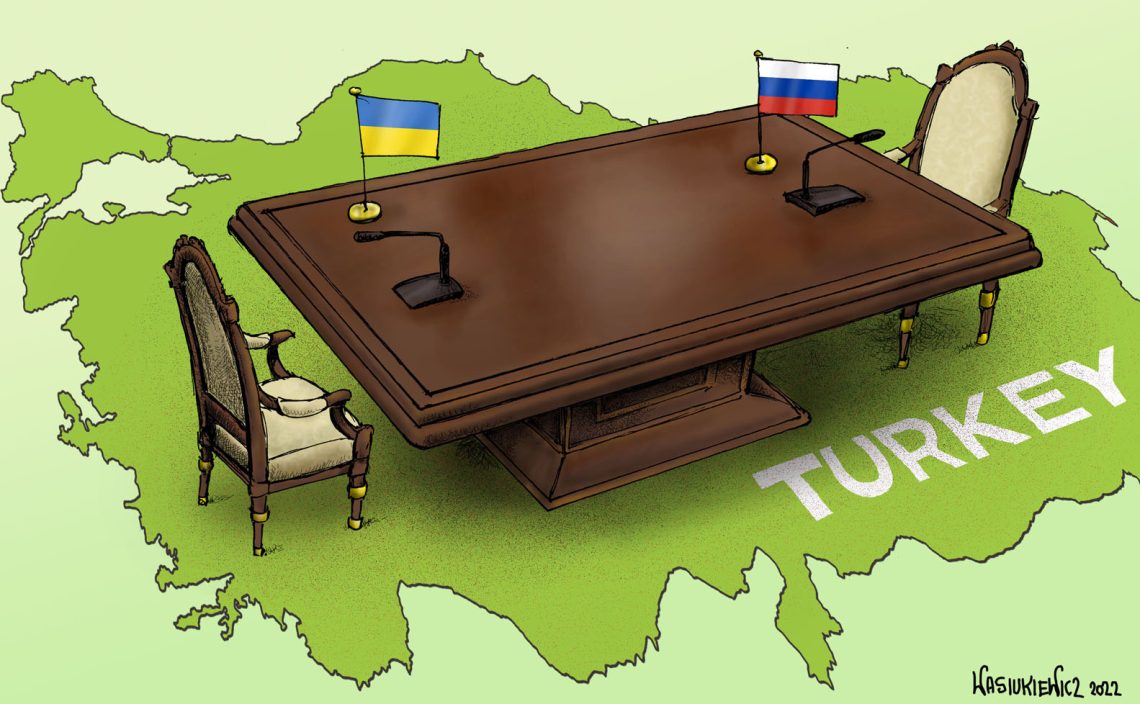
Turkey has been working hard to keep the Kyiv-Moscow talks alive. This dialogue is critical to get both sides to agree to a cease-fire and prevent further destruction of Ukraine. Most likely, the Kremlin has little appetite for expanding its faltering invasion into Western Ukraine, where Russian forces could meet with even stronger resistance. Western Ukraine has a Polish-Austrian history; the Soviet Union incorporated it following the 1939 partition of Poland between Stalin and Hitler. President Putin cannot be interested in creating an Afghanistan-like asymmetric battlefield in Ukraine.

Urge to punish

The West must stand firm against this Russian aggression. However, NATO will continue  to avoid direct military involvement unless the conflict escalates. It probably is an illusion – even if many in the West harbor it – that Russia’s policy would change if President Putin was removed from power.

Russia’s overarching objective is to prevent the U.S. and Western Europe from interfering in the Russian Federation’s internal affairs.

There is only one realistic way to avoid further bloodshed and destruction in Ukraine. Moscow and Kyiv need to reach an arrangement that, on the one side, would validate the West’s point that such transgressions are not allowed and, on the other side, would let Russia feel that the West is ready to respect its internal governance system. For such an agreement to come into existence, it must be based on realpolitik, not a desire to punish.

It is a welcome development that the talks in Turkey are now conducted directly between Kyiv and Moscow, without the involvement of the U.S.

The conflict in Syria offers a valuable lesson: good negotiations start with no preconditions. After the start of the civil war there in 2011, the administration of U.S. President Barack Obama and the European governments put forth a  precondition: President Bashar al-Assad had to go first and be put on trial. That made a solution impossible. Had negotiations back then been  pragmatic and without preconditions the disaster that eventually caused hundreds of thousands to lose their lives and millions to be displaced could have been prevented. President al-Assad is still in power.

Face to face

Sadly, even the most justified urge to punish can block solutions that, while imperfect, may prevent bloodletting. Pragmatism is the foundation and essence of prudent statesmanship. Of course, this does not relieve leaders from their duty to defend their country and protect citizens’ freedom.

In the dramatic present circumstances, the U.S. president’s angry words about Mr. Putin were counterproductive and dangerous, and a show of poor statesmanship. Russian imperialism is not limited to President Putin personally; we need to acknowledge it as a historical trait. Following the Warsaw speech, the White House tried to walk the statement back, but President Biden stuck to his guns: he had expressed “moral outrage,” he said, while denying that he was “articulating a policy change.” This incident will only enhance Russian fears of foreign intervention in their internal affairs. The massacre in the Ukrainian city of Bucha, revealed to the world last week, illustrates the brutality of the war. The expression of outrage is justified, but the underlying problem will not be solved by a change of regime in Moscow.

It is undoubtedly good news that the negotiations in Turkey are now taking place without further American and Western European presence.

Read the original article on the site of GIS Report.

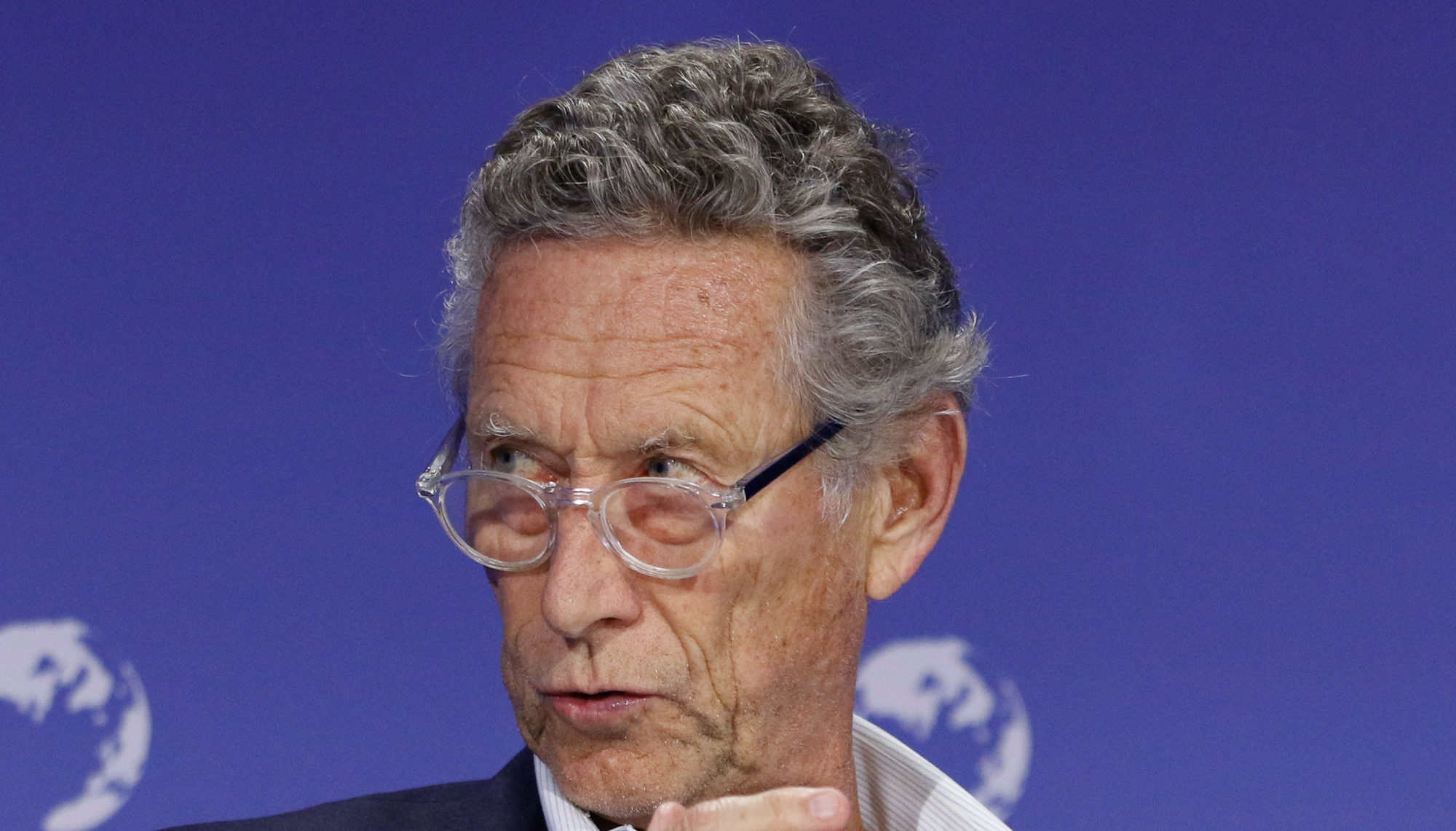
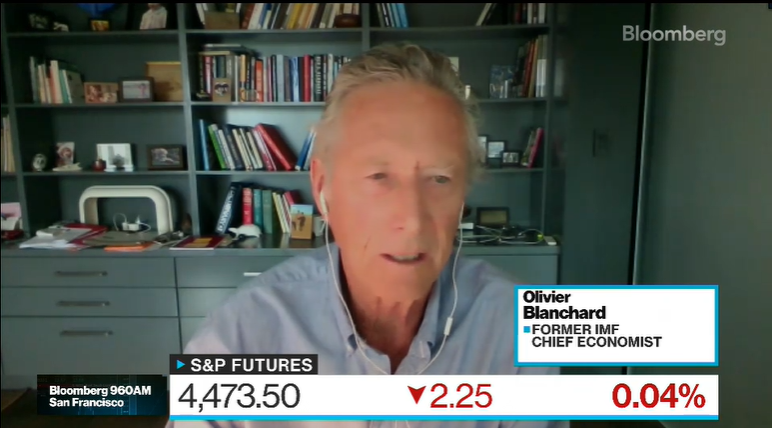
Olivier Blanchard : « When driving up debt makes sense »

In 2019, former International Monetary Fund chief economist Olivier Blanchard used his last speech as president of the American Economic Association to put forward a provocative yet simple idea: In a world where interest rates are very low, governments can afford to take on more debt.

The gist of his argument: As long as the economy is growing at a rate faster than the interest rate on government borrowing, financing debt should be sustainable.

Fast forward three years — Governments around the world borrowed trillions to combat a global pandemic that walloped their economies and are now faced with rising interest rates to combat soaring inflation. In the U.S., fiscal responsibility is back in vogue — Sen. Joe Manchin (D-W.Va.) has pushed for deficit reduction, a message also embraced by the White House, which needs Manchin’s support to salvage its social spending agenda.

Blanchard, who has a forthcoming book, Fiscal Policy Under Low Interest Rates, chatted with MM about U.S. debt, the Biden administration’s Covid response and the role of fiscal policy in combating inflation. (He’ll discuss the book at an event today hosted by the Peterson Institute for International Economics, where he is a senior fellow.)

The following conversation has been edited for length and clarity:

You said in a recent magazine piece, give me a specific country in a specific time and I’ll tell you whether the level of debt is safe right now. So what is your view of U.S. debt?

“I don’t worry about U.S. debt. There is going to be a bump in real rates due to the need to decrease inflation, but after this, we should go back to a world in which the real rate remains negative, or zero. So in that context, you can clearly afford more debt. It’s not the end of the world, even when you take account of the uncertainty. So if we need to have larger deficits for a good reason, then it’s fine.”

“I’m not against debt, but it has to be used for the right reason.”

Sen. Joe Manchin has raised concerns about new spending programs that may add to deficits over the coming years. Is he right to be concerned?

“I think he’s partly right. If we are going to have to spend more, there’s no particular reason not to make us, the American taxpayers, pay for it now. There’s no reason to basically push it to the future. For example, child care — I’m very much in favor of child care, I think child care is absolutely essential. Why should it not be financed by taxes? Why should it be financed by debt? What is the argument for delaying the cost to future generations? I don’t see it.”

“I think that this administration got derailed at the beginning in doing too much and in not worrying enough about the macroeconomic effects on the economy, the overheating and the inflation. I think that they went too far.”

Do you think deficit reduction should be a priority right now?

“Deficits are going to come down because some of the pandemic spending is going to go away. But we should try to prevent very large deficits going forward, if they are not justified. In the U.S., the primary deficits even before Covid were too large. There is no question. So we have to have a plan, such that at least we don’t increase debt or the debt ratio.”

Senator Manchin has also argued that we should reduce deficits now because inflation is high. Do you agree?

“These are two completely different issues. We need to reduce inflation because we don’t want too high inflation.”

“Inflation comes from demand today, and we basically have to slow down demand now. And that’s what the Fed has to do. We can have a discussion about whether inflation will come down on its own, whether the Fed will have to tighten and increase interest rates a lot. But that has absolutely nothing to do with Build Back Better. BBB is relevant to what happens in the next 10 years.”

“If I were him, I would make the argument that, if we’re going to do good things for people, we should pay for most of it today. Which seems to me to be a much better argument than saying, oh, inflation is high.”

Is there a role for fiscal policymakers to play to help bring down inflation?

“My sense is the Fed is still the primary mover, because it is the one which says it wants to achieve 2 percent inflation. So that hopefully gives people a sense of where the Fed is trying to go, and that affects expectations.”

“The other way to slow down inflation would be with a dramatic deficit reduction, a big tax increase, and people would spend less. This would increase unemployment, which would lead to less wage pressure, less price pressure. But how to control demand and bring inflation under control can be done much better by the Fed. In this case, fiscal policy should not stand in the way, one way or the other, either by being too tight or being too loose.”

Read the original article on the site of Politico.

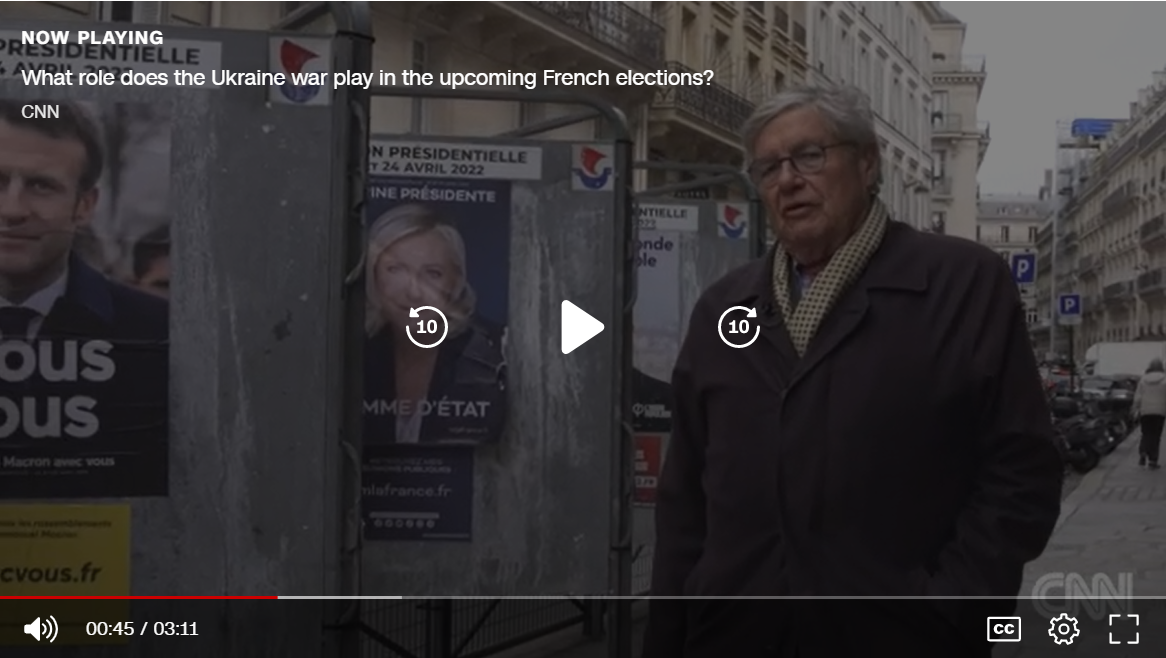
What role does the Ukraine war play in the upcoming French elections?

With the field and debate dominated by two far-right candidates and Macron’s mixed legacy, it seemed that all was to play for in this Sunday’s French presidential election. But war in Ukraine has unsettled the field, forcing U-turns on Putin from some candidates and penalizing Macron’s preference for international diplomacy over campaigning. CNN’s Jim Bittermann reports from Paris.

Watch the report of the CNN website.

« Même si les Russes ne voulaient pas de cette guerre, ils attendent de leur président une victoire militaire convaincante »

Rétablissement de la grandeur, lutte contre le nazisme, rejet multiforme de l’Occident… telles sont les cordes sensibles sur lesquelles Vladimir Poutine joue pour susciter l’adhésion de la population à son intervention en Ukraine, analyse dans une tribune au « Monde » Tatiana Kastouéva-Jean, spécialiste de la Russie.

« Les Russes veulent-ils la guerre ? » Ainsi commence une célèbre chanson soviétique, devenue symbole du pacifisme dans le pays qui a subi les plus grandes pertes humaines lors de la seconde guerre mondiale. Pourtant, si le conflit que Vladimir Poutine livre à l’Ukraine horrifie une partie des Russes et pousse certains d’entre eux à protester ou à fuir à l’étranger, beaucoup semblent la soutenir.

Quelles fibres de l’âme russe le maître du Kremlin a-t-il réussi à toucher pour susciter une adhésion à sa sanglante aventure ? Depuis l’annexion de la Crimée en 2014, la population russe baigne dans une propagande féroce. Omniprésente dans le champ informationnel russe, l’Ukraine était ces dernières années l’objet du mépris et de la haine d’innombrables commentateurs.

De nombreux Russes n’acceptent aujourd’hui que le récit diffusé par les chaînes publiques nationales, même face aux témoignages des parents proches ou aux vidéos des prisonniers russes en Ukraine, qu’ils considèrent comme victimes ou vecteurs de la propagande ennemie. Quant à la propagande russe, elle joue sur plusieurs cordes sensibles.

La quête d’une grandeur perdue

Tout d’abord, la nostalgie de l’URSS qui ne s’est jamais vraiment estompée : trente ans après sa disparition, 63 % des Russes continuent à regretter l’Union soviétique ; la majorité impute son effondrement à la « trahison des élites » et à la « perfidie de l’Occident ». Pour préserver la paix sociale, l’Etat russe n’a jamais officiellement condamné le Parti communiste. Lénine gît toujours dans son mausolée sur la place Rouge et Staline reste la personnalité historique la plus admirée.

Il n’y a pas eu de lustration en Russie, et les anciens agents du KGB tiennent aujourd’hui tous les rênes du pouvoir. Le travail sur la mémoire historique a été essentiellement mené dans les milieux intellectuels urbains, notamment par l’association Memorial, récemment dissoute. La population russe est vieillissante : parmi les 37 millions de retraités, nombreux sont ceux qui restent très attachés au passé soviétique et arrivent même à convertir une partie des jeunes à leur quête d’une époque perdue de grandeur nationale.

Lire l’article sur le site du Monde.

Why China Won’t Mediate an End to the Ukraine War

If there is one person other than Vladimir Putin who can end Russia’s war in Ukraine, it is Chinese President Xi Jinping. But Xi has so far remained on the sidelines and is likely to stay there, owing to various domestic political vulnerabilities and his own lack of courage and imagination.

CAMBRIDGE – Russian President Vladimir Putin thought he could quickly capture Kyiv and replace Ukraine’s government. Whether he was misled by poor intelligence or by his own fantasies about history, his “smash and grab” failed in the face of effective Ukrainian resistance. He then turned to a brutal bombardment of cities like Mariupol and Kharkiv to terrorize the civilian population into submission – as he had previously done in Grozny and Aleppo. The tragic upshot is that Ukraine’s heroic resistance has been accompanied by increasing civilian suffering.

Is there any way to end this nightmare quickly? One possibility is for Chinese President Xi Jinping to see that he has a “Teddy Roosevelt Moment.” After the brutal war between Russia and Japan in 1905, Roosevelt stepped in to mediate. He pressed hard for the parties to compromise and ultimately prevailed, thereby boosting America’s global influence and winning himself a Nobel Peace Prize.

Read the entire article on the site of Project Syndicate.

Guerre en Ukraine : les pays Baltes veulent obtenir une protection accrue de l’Otan

Avant le sommet de l’Otan à Madrid en juin prochain, les dirigeants des pays Baltes continuent d’alerter sur la nécessité de renforcer la protection de leurs pays après l’invasion de l’Ukraine.

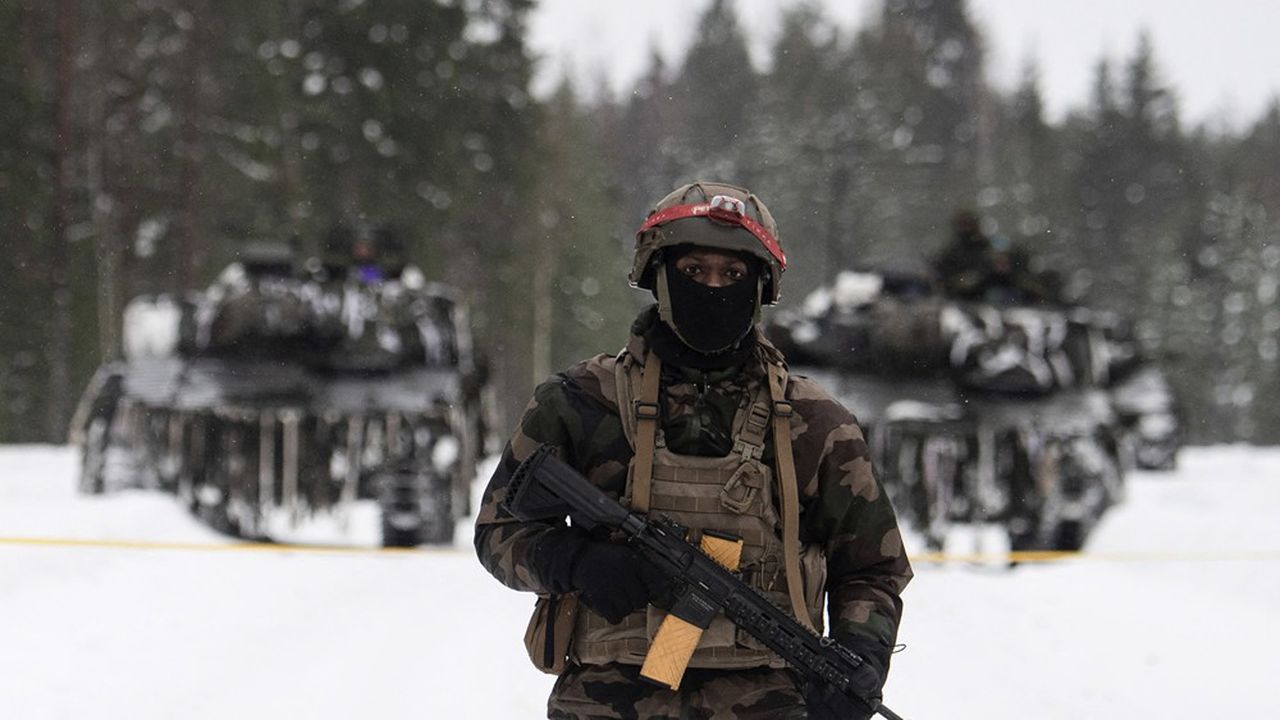
Un soldat français lors d'un exercice de l'Otan à la base militaire de Tapa, en Estonie, en février 2022.
Un soldat français lors d’un exercice de l’Otan à la base militaire de Tapa, en Estonie, en février 2022. (ALAIN JOCARD/AFP)

Par Virginie Robert, Emmanuel Grasland

Publié le 30 mars 2022

Pas assez écoutés – malgré les annexions successives par la Russie de territoires en Géorgie, au Donbass et en Crimée -, et se sentant encore plus vulnérables depuis l’invasion de l’Ukraine, les pays Baltes n’ont de cesse de réclamer une protection plus importante des membres de l’Alliance atlantique qu’ils ont rejointe en 2004.

« Il faut que l’Otan se prépare aux menaces futures » et il n’y a qu’une réponse possible : « une dissuasion crédible, visible, et efficace », plaide le président d’Estonie , Alar Karis, dans une tribune publiée par le « Financial Times » mardi. Cela passe selon lui par une présence permanente et renforcée sur le flanc est de l’Otan, qui succéderait aux rotations actuelles et mettrait la Pologne et les pays Baltes à égalité avec l’Allemagne, l’Italie ou le Royaume-Uni.

Lors du Sommet de Varsovie en juillet 2016, l’Otan a établi une présence avancée renforcée (« enhanced Forward Presence », eFP) dans les pays Baltes et en Pologne avec des bataillons multinationaux. La France vient d’ajouter 150 soldats aux 300 présents en Estonie, où les Britanniques sont la nation cadre. Mais ce dispositif est encore jugé insuffisant.

A l’avant-poste face aux Russes

Les pays Baltes réclament une aide sur terre, sur mer et dans les airs pour avoir « le muscle nécessaire afin de bloquer Poutine » qui cherche « à restaurer les frontières de l’Otan de 1997 et créer un nouveau rideau de fer en Europe », assure Alar Karis. Du grain à moudre pour les membres de l’Alliance atlantique qui vont se retrouver en juin à Madrid.

« Les pays Baltes se sentent à l’avant-poste de l’Union européenne et de l’Otan face à la Russie. Par rapport à la question ukrainienne, ils sont extrêmement engagés et ne cessent de dire qu’il faut aller plus loin et qu’on n’en fait pas assez. En général de concert avec la Pologne », explique Céline Bayou, enseignante à l’Institut national des langues et civilisations orientales et spécialiste de la région.

Populations russophones

Imants Lieģis, ancien ministre de la Défense et ancien ambassadeur de Lettonie en France, raconte combien la situation a été extrêmement tendue en Lettonie après l’invasion de l’Ukraine. « Les gens étaient inquiets. J’ai rassuré ma femme en disant que nous faisions partie de l’Otan. Elle m’a répondu que ses parents avaient quitté le pays en 1944 avec une valise et qu’elle ne voulait pas se retrouver dans cette situation. »

Les pays Baltes, depuis qu’ils sont sortis du giron soviétique en 1991, sont passés du collectivisme à une économie de marché, du parti unique au pluralisme. Il leur a aussi fallu construire un discours national, plus évident pour la Lituanie riche d’une histoire millénaire que pour l’Estonie et la Lettonie. Alors qu’il y avait moins de 10 % de russophones dans les trois pays Baltes avant 1939, on compte désormais 30 % de russophones en Lettonie , 25 % en Estonie et 6 % en Lituanie.

« Enfin, on nous écoute »

« Les pays Baltes n’ont cessé de dire pendant des années que la Russie était une menace mais ils étaient souvent considérés comme des russophobes au sein de l’Union européenne. Aujourd’hui, les leaders d’opinion et les élites politiques de ces pays se disent : enfin, on nous écoute, enfin l’Europe a compris », explique Katerina Kesa, estonienne et enseignante à l’Institut national des langues et civilisations orientales.

Face à la menace russe, les dangers sont multiples : dépendance énergétique, cyberguerre, campagnes de désinformation, attaques hybrides avec l’envoi de migrants syriens orchestrés depuis la Biélorussie.

Les pays Baltes ont fait des choix stratégiques pour leur sécurité : intégration à l’Otan, protection des Etats-Unis, adhésion à l’Union européenne. « Nous voulons que les Américains et les Européens travaillent ensemble car ce sont les démocraties qui sont défiées », explique un conseiller diplomatique pour qui l’appui américain est une « question de survie ».

Coincés entre la Russie, la Biélorussie et Kaliningrad

Les Baltes éprouvent en revanche la plus grande méfiance vis-à-vis du concept d’autonomie stratégique européen et de défense européenne. « Quels sont les objectifs, quelles sont les lignes rouges ? » s’interroge un diplomate balte. Toute architecture sécuritaire ne peut s’entendre qu’avec l’Alliance atlantique, car l’Union européenne est très loin d’être une puissance militaire. Coincés entre la Russie, la Biélorussie et le couloir de Kaliningrad, les risques de conflits conventionnels, voire nucléaires, leur paraissent plus réalistes que jamais.

Lire l’article sur le site des Echos.

Quelle alimentation pour demain ?

CHRONIQUE. Comment nourrir la planète en temps de guerre et de dérèglement climatique ? Les innovations existent, mais elles n’incarnent pas toutes le progrès.

Les << laits sans vache >> representent 15 % du marche americain (pour un montant de 20 milliards de dollars).

Les « laits sans vache » représentent 15 % du marché américain (pour un montant de 20 milliards de dollars).© CARDOSO / BSIP / BSIP via AFP

Par Jean de Kervasdoué

Nabil Fahmy Describes Egypt-US Ties as ‘Vital’

Saturday, 2 April, 2022 – 09:00
Egypt’s former foreign minister Nabil Fahmy (File/Reuters)
Cairo – Rasha Ahmed

Egypt’s former foreign minister Nabil Fahmy described the Egyptian-US relations as “vital” throughout modern history, citing Cairo’s pioneering role at the regional level and Washington’s leadership at the global level.

His remarks came during the signing ceremony of his book dubbed “Epicenter of Events…Egypt’s Diplomacy in War, Peace and Transition” at the American University in Cairo, where he currently serves as the Dean of School of International Affairs and Public Policies.

Speakers at the event included Foreign Minister Sameh Shoukry, former secretary- general of the Arab League and former Egyptian foreign minister Amr Moussa, Director of the Bibliotheca Alexandrina Mostafa El- Feki, Chairman and Founder of Dar El Shorouk Ibrahim al-Moallem, AUC President Ahmad Dallal, and other senior diplomatic figures.

His book covers an Egyptian diplomatic era, with its regional and global interactions over four decades of his public service in the offices of the Egyptian Presidency as a career diplomat.

He served as policy advisor to the Foreign Minister, ambassador to Japan, and was appointed as ambassador to the US for nine years before leading Egypt’s foreign policy as foreign minister in 2013-2014.

Fahmy said he visited Moscow in 2013 and met his Russian counterpart Sergei Lavrov at the time and told him that Cairo does not intend to replace the US with Russia but rather aims to expand the circle of its international partners and diversify its options to preserve the sovereignty of Egypt’s decisions.

He stressed that “misunderstanding” in relations with major powers is more critical than differences in positions.

Commenting on the peace process, Fahmy said the Palestinian cause is no longer on the international community’s agenda, even before the Russian war on Ukraine.

He called for engaging multiple parties in sponsoring the global peace process, urging Palestinian parties to unite and learn a lesson from the Israelis who put aside their fundamental differences and united to topple Benjamin Netanyahu and keep him from forming a government.

Read the original article on the site of Asharq Al-Awsat.

New cold wars emanating from Russia, China put Asia on edge

Moscow’s invasion of Ukraine upends region’s security landscape

U.S. President Joe Biden, second from left, speaks with, left to right, Japan’s Prime Minister Fumio Kishida, NATO Secretary General Jens Stoltenberg, European Commission President Ursula von der Leyen, Canada’s Prime Minister Justin Trudeau and Germany’s Chancellor Olaf Scholz in Brussels on March 24.   © Reuters

TOKYO — Just a little over a month since Russia launched its invasion of Ukraine on Feb. 24, the world is facing two wars. One is Russia’s cruel aggression against its western neighbor; the other is the outbreak of a new cold war between Russia and the West.

Read the article on the site of Nikkei Asia.

Ukraine war gives Turkey a way in from the European cold

Turkey this week hosted another round of negotiations between Ukraine and Russia. As tragic as the Ukraine war is, it has become an opportunity for Ankara to improve its relations with Europe after a long period of tension.

Turkey has, in recent years, had a rough relationship with the EU, exacerbated by its combative attitude toward both France and Greece. Relations between Turkey and France first became tense over Libya, as the two NATO allies were supporting opposing sides. However, the animosity grew and reached a personal level as French President Emmanuel Macron said, following the beheading of a schoolteacher by a fanatic, that Islam needed “reform.” Erdogan used this comment to launch a campaign against France, even accusing Macron of having mental health problems. Meanwhile, the long-standing problem with Greece over Cyprus intensified in 2019, when Turkey demarcated its maritime border with Libya, cutting through Crete.

However, as Europe faced up to the Russian invasion of Ukraine, it found in Turkey a necessary ally, while Ankara seized the opportunity to rekindle its relationship with the EU. Last week’s NATO summit was an opportunity for Turkey and France to mend their relations. Meetings have already taken place between the two countries on a ministerial level. Their cooperation on Ukraine will also help them coordinate on other issues, such as Syria, Libya and the eastern Mediterranean.

Despite the previous bitterness between Macron and Turkish President Recep Tayyip Erdogan, their countries’ interests dictate that they cooperate. Turkey has been trying to get into the EU. However, its accession process, which started in 2005, initially failed due to French President Nicolas Sarkozy’s ferocious objection. Another opportunity arose in 2016, when the Syrian crisis produced a flow of refugees heading to the old continent. Turkey was a good buffer zone and it struck a deal with the EU, under which it absorbed many of the refugees and prevented them from traveling to Europe. In return, Ankara was promised visa-free travel for Turkish nationals in addition to €6 billion ($6.6 billion) and trade facilitation.

Then, however, the 2016 coup attempt took place in Turkey and mass arrests were made. This provided the perfect excuse for the Europeans to weasel out of a deal they were forced to strike in order to stop the flow of refugees. Since then, relations have soured, with the Turks driven by the sentiment of being cheated by Europe and left to handle the burden of 3.5 million refugees alone, with Europe providing minimal assistance. The nadir was reached when European Commission President Ursula von der Leyen was seated alone behindErdogan while her male colleague sat next to the Turkish president. Von der Leyen accused Erdogan of disrespecting her because she was a woman.

The coming months will reveal how carefully Erdogan treats his relations with the Europeans and what benefits they bring

Dr. Dania Koleilat Khatib

Today, Turkey is providing mediation that the Europeans are hoping will end the Ukraine conflict with the least damage possible. Meanwhile, Turkey’s strategic location is indispensable when crafting any policy to contain Russia. The war in Ukraine erupted at a time when Erdogan realized he had created far too many problems and that he needed to patch up ties with former allies who were on the verge of turning into enemies. This was greatly influenced by the economic situation in Turkey. Erdogan faces elections in a year’s time and he cannot afford a free-falling currency and deteriorating living standards.

The Turkish president started by engaging with the Arab Gulf countries and then turned to Europe. The Ukraine crisis coincided with his efforts to engage with Europe. In addition to its mediation and the support it is providing Ukraine thanks to its Bayraktar drones — as well its control of the straits that control the Russian navy’s access to warm waters — Turkey is also the endpoint of the Baku-Tbilisi-Ceyhan pipeline that transports 1 million barrels of oil per day from Central Asia to the Mediterranean.

Despite Turkey’s past coordination with Russia, Ankara and Moscow are on opposing sides in the conflicts in Syria, Libya and the Caucasus. Turkey would therefore not want Russia to win in Ukraine, as that would embolden Vladimir Putin in other territories. With its relations with heavy hitter France improving, ties with the EU are also likely to progress. The issues now are how Erdogan plans to use this opportunity to his country’s benefit, what role Turkey will play and what it will ask for in return. Of course, this crisis is an opportunity for Erdogan to make some of gains he could not make in 2005 and 2016.

The coming months will reveal how carefully Erdogan treats his relations with the Europeans and what benefits they bring. Will he gain concessions in Libya, Syria and the eastern Mediterranean? Will Turkey obtain access to the common market and visa-free travel for Turkish citizens? Or will it be another disappointment?

Read the original article on the site of Arab News.

« Les Vingt-Sept ont devant eux l’occasion de résoudre une injustice, celle de la politique de migration européenne »

Parmi les débats relancés par la guerre en Ukraine et l’exode de millions des réfugiés, celui sur la répartition des migrants entre les pays européens doit être une priorité. Afin de la rendre plus juste, Randy Kotti, chercheur en économie, prône, dans une tribune au « Monde », l’abandon du règlement de Dublin.

Publié le 01 avril 2022

Tribune. La couverture médiatique de la guerre en Ukraine n’a pas manqué de révéler les biais profondément ancrés que nous, Européens, avons construits sans distinction autour des mots « migrant » ou encore « réfugié ». Maintenant que l’opinion publique semble plus favorable à accueillir une vague de migration forcée, les Vingt-Sept ont devant eux l’occasion de résoudre la vraie injustice : la politique de migration européenne.

En application du règlement actuel, aussi appelé « règlement de Dublin », les demandes d’asile ne peuvent être déposées que dans le pays de première arrivée. Ce système avait été établi en 1997 dans un contexte où les flux migratoires étaient encore maîtrisables et maîtrisés. Mais dès que l’Union européenne (UE) a dû faire face à la « crise des migrants », commencée en 2015, le règlement de Dublin a imposé, de fait, une responsabilité disproportionnée aux Etats membres situés sur les principales routes migratoires au sud de l’Union, notamment la Grèce et l’Italie, qui se trouvaient déjà en position de fragilité à la suite de la crise de la zone euro.

En 2015, au plus fort de la crise migratoire, plus de 1,8 million d’entrées illégales ont été enregistrées sur le territoire européen, ainsi que 1,3 million de demandes d’asile. Les Etats membres de première ligne ont été submergés. La photo du petit Aylan, retrouvé mort noyé sur une plage [de Turquie], est devenue l’emblème de la crise. En dépit de l’urgence, l’UE n’est pas parvenue à trouver une solution de long terme ; la proposition de la Commission européenne de relocaliser les demandeurs d’asile entre Etats membres ne trouvant pas suffisamment de soutien. Même lorsque Angela Merkel, dans un rare élan de courage politique, a ouvert grande la porte de l’Allemagne, le reste de l’Europe est resté fermé. L’opinion publique était trop hostile aux migrants.

Pacte avec le diable

Pour résoudre la crise, l’UE n’a eu d’autre choix que de conclure un pacte avec le diable. En échange de 6 milliards d’euros d’assistance et de la redynamisation très controversée du processus d’accession de la Turquie à l’UE, Erdogan a accepté en 2016 d’accueillir la part de réfugiés qui incombait à l’Europe. L’UE a ainsi acheté un succès de court terme au prix fort – un pansement sur une jambe cassée. En externalisant sa politique migratoire et en se laissant extorquer des fonds par un gouvernement notoirement irrespectueux des droits de l’homme, l’UE a révélé son point faible, la migration, donnant plus tard l’occasion à la Biélorussie de Loukachenko d’utiliser les demandeurs d’asile comme arme de déstabilisation.

Lire l’article original sur le site du Monde.

WHY WORLD BACKUP DAY HAS NEVER MATTERED MORE

Is your business protected from losing all its data? Are you fully backed-up and prepared against data loss and data theft?

How recoverable is your critical data? Are you covered across all devices, from the cloud through to a device such as a network attached storage? World Backup Day on March 31st places the focus on these key questions and today’s protection imperative encouraging individuals, families, and organizations alike to ‘take the pledge’ and backup their important documents, files, and data. It is perhaps then no wonder that World Backup Day has over 72,000 publications and mentions in media all over the world – this is something that impacts every single one of us.

And while the #WORLDBACKUPDAY focus is highlighted once a year, it has never been more important to make data protection and recoverability a 360-degree whole year commitment, baked in by design into our personal and professional practices. Backup can no longer be an afterthought or reactive behavior to an issue – it must be a proactive and integral part of an organization’s overall security posture. This is something I had the pleasure to discuss with Jack Bailey, Director of Sales & Channel Enablement at iland, an 11:11 Systems company, and global leader in managed infrastructure solutions provision across cloud, connectivity and systems. Here are our collective thoughts on what has changed and how to get ahead.

Dynamic_Threat_Landscape.png

Lessons Learnt: Recent Ransomware and Cybersecurity Events

Cybersecurity attacks are more pervasive than ever, with multiple change drivers coming to the fore over the last year including the rise in the value of data, the IoT device explosion and growth of the API economy, an acceleration in multi-cloud adoption and cloud-native applications, increased technology and IT/OT convergence, and the rise of hybrid decentralized working and Bring/Choose Your Own Device.

In combination, cyber threats have fast become more complex, converged, and sophisticated. Examples include bad actor collaboration, Supply Chain, IoT and Small to Medium Business vulnerabilities, device hacking, phishing, attacks right across the DoS, DDoS, SaaS platform, MitM and Log4j spectrum and notably the rising risk of ransomware. A ransomware event is projected to occur every 11 seconds in 2022, with 83% of these successful ransomware attacks employing alternative extortion methods such as using stolen data to extort customers (Venafi) and backups being specifically targeted. Putting this all into context, the average ransom payment today has now reached an eyewatering $1.79 million (Cloudstrike).

‘Security threat actors are continually evolving their attack approaches to make them more impactful, including the coming together of cyber-criminal gangs with increasingly complex and professional tactics. We must respond in kind as a sector and as organizations and individuals – this requires a 4 Pillar focus on Technology, Culture, Processes and Skills’.

 Dr Sally Eaves, Chair of Global Cyber Trust, Global Foundation of Cyber Studies and Research

Backup_Beyond_the_Tech.jpeg

As highlighted above, I believe the key lesson from this conflation of threats is the need to focus on security protection holistically across the Four Pillars of Technology, Culture, Processes and Skills. No gaps can be left behind. For example, in respect to data we have seen some critical types sometimes overlooked (Github 2021). With security increasingly shifting left or in other words earlier into the development lifecycle, it is key to consider code as intellectual property and back up your devops processes, repositories, servers and metadata too.

Equally, education and awareness gaps persist. As an example, a key challenge facing SMBs is confusion around shared responsibility models and clarity around what security duties are handled by their cloud service provider and which belong to the organization itself as a user (Eaves 2022). Backup plays an important role in addressing these lessons across the four pillars, especially facing the growing threat of ransomware targeting backups directly, and organizations having inadequate backup and recovery processes in place. Recent research reflecting that less than half of ransomware victims were able to successfully restore their systems (CyberEdge) puts this into sharp focus – but this is something that can be overcome:

More than ever, having an air-gapped/hardened backup target has become a must-have. Many ransomware varieties or malicious processes will attempt to delete or encrypt backup data. Ensuring your organization’s backups are protected from those threats is an absolute necessity’ Jack Bailey, Director of Sales & Channel Enablement at iland

Future Proofing Protection: Evolving Ways of Work

Ensuring reliable backup will become ever more critical for organizations to expediently leverage their mission critical restorations, with BaaS growth understandably predicted to more than double in the next three years (iland). And this is brought to the fore when we focus further on one of the key drivers of change – the evolution of ‘the office’. As identified by new Morgan Lovell research, an illuminating ‘87% of workers believe their workplace needs to change substantially after covid’. These are trends set to stay!

Indeed, we are seeing the blending of Space, Place and Pace giving rise to Workplace 4.0 and the brand new concept of the physical ‘Collaboratory’ space (Eaves and Mitel 2022) accessed for specific activities whilst other tasks are conducted remotely. This reflects the current transition to hybrid or remote working models for the long-term and seeks to balance decentralized WFH/WFA activities with physical office space for collaborative, interactive and social hub activities alongside dedicated quiet spaces, and all empowered by a focus on the three pillars of technology, sustainability and wellbeing.

Organizations of any size need to be able prevent security risks and recover quickly if they occur, so backup affords a vital role in the security strategy of actualizing the work from anywhere model – from our home, when on the move and when in ‘the Collaboratory’ and all often using devices that well may be our own. As discussed with Jack Bailey, Director of Sales & Channel Enablement at iland, this means developing a security strategy that consists of both « protecting » and « recovering » data and applications. Customers need to be able to continually and easily monitor and remediate risks along with the ability to restore and recover on-site, or perform recovery to the cloud as well as connect in a secure and seamless manner – from anywhere.

So as organizations shift towards a hybrid or remote workforce this means three things:

1. Critical data is in more locations and needs to be protected wherever it is.

2. Given human error is a great cause of data loss and access, the risks to data increase. Having a strong backup strategy in place is even more necessary.

3. This must be supported by investment in education and training at all levels of the organization including within non tech facing roles.

Read the original article on the site of BBN Times.

More Mixed Signals From Russia as Ukraine War Enters Sixth Week

March 31, 2022

Megan Specia, Anton Troianovski and 

A military funeral for three Ukranian soldiers in Lviv on Thursday.
Credit…Mauricio Lima for The New York Times

KRAKOW, Poland — Facing deeper isolation by the day over the Ukraine war, Russia seemed to slightly recalibrate its stance Thursday, allowing greater humanitarian access to the devastated port city of Mariupol and apparently retreating from a payment confrontation with European gas customers.

But Western officials said they saw little evidence to support Russia’s claims that it was greatly reducing its military presence around Kyiv, Ukraine’s capital, and fighting continued unabated in areas around the city on Thursday. In Dnipro, the central city that has become a hub for humanitarian aid to other parts of Ukraine, a Russian attack overnight destroyed an oil terminal, a local official said.

“Russia maintains pressure on Kyiv and other cities, so we can expect additional offensive actions, bringing even more suffering,” the NATO secretary general, Jens Stoltenberg, said at a news conference.

Whatever Moscow’s real intentions on the battlefield, Russian officials scoffed Thursday at American claims a day earlier that subordinates of President Vladimir V. Putin, fearing his wrath, were misleading him about how the war was going.

“They do not understand President Putin,” said the Kremlin spokesman, Dmitri S. Peskov. “They do not understand the decision-making mechanism and they do not understand the efforts of our work.”

Image

A damaged street in Mariupol on Thursday. The city has been cut off from the outside world by heavy Russian bombardment and intense fighting.
Credit…Alexander Ermochenko/Reuters

In Mariupol, where the population has, for weeks, been cut off from the outside world by heavy Russian bombardment and intense fighting, a respite appeared possible amid reports that a team from the International Committee of the Red Cross was preparing to try to enter the city. The group hoped to deliver emergency humanitarian aid and begin evacuating residents on Friday.

“There seems to be a glimmer of hope we might be able to go, so we need to be close,” said Crystal Wells, a spokeswoman for the Red Cross in Geneva.

Thousands of civilians are believed to have died, and survivors have been trapped in basements without heat or electricity, and desperately short of food, water and other essentials.

Ukraine’s deputy prime minister, Iryna Vereshchuk, said Thursday that a convoy of 45 buses had departed for Mariupol to reach trapped civilians, and that an agreement had been reached on a passageway for evacuating people from the city of Melitopol, farther west.

People from both cities were expected to make their way to Zaporizhzhia, a city farther north that remains under Ukrainian control, although evacuations in previous days have been sporadic and have often been scrapped at the last minute because of fighting.

Image

The bodies of soldiers and civilians in Irpin, being taken away for burial on Thursday.
Credit…Daniel Berehulak for The New York Times

The Russians also appeared to show some leeway on Mr. Putin’s demand that European customers of his country’s natural gas now pay in rubles, or risk a cutoff. European governments, which rely heavily on Russian gas imports, had rejected this new condition, arguing that it violated purchase contracts.

After speaking with the Russian leader, the prime minister of Italy, Mario Draghi, said he did not believe that Europe was “in danger” of having its gas supply halted. He said that he understood that the Russian president would grant a “concession” to European countries, and that the conversion of payments from dollars or euros into rubles was “an internal matter of the Russian Federation.”

Russia also said Thursday that its forces were leaving the defunct Chernobyl Nuclear Power Plant, according to a statement from Ukraine’s state-run energy company. Chernobyl, site of the worst nuclear accident in history, had been occupied by Russian forces since the war’s early days.

Asked about unconfirmed reports that some Russian soldiers had suffered radiation sickness, the Pentagon press secretary, John F. Kirby, said the troop movement appeared to be part of a broader repositioning and not from “health hazards or some sort of emergency or a crisis at Chernobyl.”

Both Ukrainian and Russian officials signaled a willingness to keep negotiating over how to end the war, now in its sixth week. A member of Ukraine’s negotiating team said that discussions would resume via video link on Friday, and the foreign minister of Turkey, which hosted talks this week, said that his Russian and Ukrainian counterparts could meet within weeks.

And on Thursday, Turkey’s president, Recep Tayyip Erdogan, offered cautious backing to a proposal circulating in European corridors of power that might help bring about a peace agreement. In principle, Mr. Erdogan said, Turkey could help guarantee Ukraine’s security.

Image

The site of an apparent missile strike Thursday in the vicinity of a cultural center near central Kharkiv that was being used as a military barracks.
Credit…Tyler Hicks/The New York Times

During peace talks earlier this week in Istanbul, Ukrainian officials said their country was ready to concede a key demand from Moscow and declare itself permanently neutral, forsaking hopes of joining NATO. Ukrainian negotiators also said they were willing to discuss Russian territorial claims.

But the Ukrainians said they would make the concessions only in return for security guarantees from a group of other nations.

Ukrainian officials envision an arrangement in which a group of countries — potentially including NATO members like the United States, Britain, Turkey, France and Germany — would commit to defending Ukraine.

On Thursday, a Ukrainian negotiator, Mykhailo Podolyak, suggested to a Turkish broadcaster that the so-called guarantor countries would have legal obligations to provide weapons, military personnel or financial help if conflict involving Ukraine erupted again.

“This is the meaning of this pact: A country that considers an attack will know that Ukraine is not alone,” he said.

The big question was whether Moscow, which has repeatedly objected to what it calls NATO encroachment, finds this palatable.

Despite Russian claims that the war was proceeding according to plan, the Kremlin is said to be struggling with problems in its military, which has made far less headway in Ukraine than Western experts had once expected.

On Thursday, the director of Britain’s electronic surveillance agency, Jeremy Fleming, said the Russian forces, hampered by low morale and weapons shortages, had accidentally shot down their own aircraft and had refused to carry out orders.

But in Russia itself, Mr. Putin’s approval ratings have reached levels unseen in years, according to a Russian poll released on Thursday, as many Russians rally around the flag in the face of sanctions and other international pressure.

Image

A volunteer teacher organizing games and activities for children in a bunker in a small town south of Kyiv on Thursday.
Credit…Ivor Prickett for The New York Times

Although the credibility of the poll might be questionable — especially since Mr. Putin has severely limited free expression since the war — it was conducted by the Levada Center, one of the few independent pollster groups left in Russia.

“The confrontation with the West has consolidated people,” said Denis Volkov, the center’s director.

While they generally did not support Mr. Putin, some respondents said that now was the time to do so.

People believe that “everyone is against us” and that “Putin defends us; otherwise, we would be eaten alive,” Mr. Volkov said.

The war’s destructive ripple effects have spilled over into marketplaces around the world.

Both Ukraine and Russia are major providers of the world’s wheat, corn and barley, but Ukrainian agricultural officials said Thursday that more than 16 million tons of grain had been stranded in the country, and that Ukraine had missed out on at least $1.5 billion in exports. Earlier in the week, the U.S. State Department’s No. 2 official warned at a U.N. Security Council meeting that the war posed “immediate and dangerous implications for global food security.”

With fuel costs soaring over sanctions on Russian oil, the U.S. government announced a plan to release up to 180 million barrels from strategic reserves over the next six months to enlarge the supply and ease prices.

An Irpin resident evacuating from the city with her dogs on Thursday.


Credit…Daniel Berehulak for The New York Times

Still, the Biden administration made clear that it would expand the sanctions on Russia as part of the American-led effort to cripple the Russian economy as punishment for the Ukraine invasion.

In Washington, the Treasury Department on Thursday leveled new sanctions on Russian technology companies and what it called illicit procurement networks that Russia is using to evade existing sanctions.

“We will continue to target Putin’s war machine with sanctions from every angle until this senseless war of choice is over,” the Treasury secretary, Janet L. Yellen, said in a statement.

Read the original article on the site of the New York Times.

«Les tristes restes du néoconservatisme»

Renaud Girard. Jean-Christophe MARMARA/Le Figaro

CHRONIQUE – Dans son discours de Varsovie, Joe Biden a déclaré que Poutine ne pouvait pas «rester au pouvoir». Or ce n’est pas aux Américains mais aux Russes de décider qui doit gouverner en Russie.

Le samedi 26 mars 2022, dans la cour du château royal de Varsovie, Joe Biden a fait un discours destiné à rester dans les annales. Requinqué par une résistance ukrainienne à l’exact opposé de l’effondrement militaire afghan d’août 2021, le président américain affichait une forme olympienne. Comme si l’agression russe contre l’Ukraine du 24 février 2022 avait offert une seconde vie au chef de l’Alliance atlantique.

Non seulement l’Otan avait connu une résurrection par rapport à son «état de mort cérébrale», diagnostiqué en novembre 2019 par Emmanuel Macron, mais elle avait un chef à sa tête, bien décidé à appliquer son article 5 (la défense commune de tout État membre agressé militairement). Comme Donald Trump avait fait planer un doute sur l’application automatique par les États-Unis de cet article 5, Joe Biden sut saisir l’occasion de se démarquer de son prédécesseur.

Lire l’article complet sur le site du Figaro.

Investing for Impact and Profit

Although environmental, social, and governance investing has become increasingly fashionable, it has not lived up to its promise. Activists and advocates have tried to change the basic logic of financial investment and corporate governance when they should be focusing on ways to harness it.

PARIS – Environmental, social, and governance (ESG) standards are the talk of the investment world these days. But despite the trillions of dollars of investments that have been labeled “ESG,” this form of investing has yet to have much real-world impact.

This is especially true on the environmental front (though such investments’ social impact has not been much more evident). Investor coalitions to combat climate change have exploded onto the scene, promising to steer a massive amount of capital toward “green” businesses and industries. At last year’s United Nations Climate Change Conference (COP26), private financial institutions pledged to mobilize $130 trillion – a figure greater than global GDP – for clean energy. And yet, the climate outlook is only worsening. Last month’s report from the Intergovernmental Panel on Climate Change offered “the bleakest warning yet” about what awaits humanity on a rapidly warming planet.

Welcome to the world of greenwashing: Though firms’ owners have committed to cutting carbon dioxide emissions, they have not actually ordered firms’ managers to do so. But, instead of blaming investors or companies, ESG activists should consider why there is such a large, persistent gap between public commitments and action. Simply put, climate advocates have failed to persuade investors and firms to act because they have failed to understand what ultimately drives business.

Read the entire article on the site of Project Syndicate.

L’échec de la gouvernance mondiale de la santé publique : une analyse médico-légale

L’échec de la gouvernance mondiale de la santé publique : une analyse médico-légale

Cet article propose de considérer la gouvernance mondiale de la santé publique dans la perspective plus large de la réforme de la gouvernance internationale. Il distingue plusieurs phases : la phase «  amont » de la préparation à la pandémie caractérisée par « le déni et la négligence » ; la première phase (« faire face à l’épidémie ») qui a bénéficié d’une coopération scientifique immédiate, bien que la  réponse à l’épidémie se soit fait attendre et qu’elle ait souffert du manque de coordination; la deuxième phase (« répondre et contenir l’épidémie ») avec une montée en régime du dépistage, freinée par la concurrence face à la disponibilité limitée des équipements  et la mise sur le marché des tests tardive ; la troisième phase (« protéger ») marquée par le développement exceptionnellement rapide de nouveaux vaccins dans un contexte de rivalités nationales ; et enfin la dernière phase (« la sortie ») où l’accélération de la distribution des vaccins n’a pas empêché l’échec flagrant de  la vaccination dans les pays pauvres.

Par Anne Bucher, George Papaconstantinou et Jean Pisani-Ferry

Publié le 

Synthèse

L’analyse de la gouvernance mondiale dans différents domaines politiques a mis en lumière six dimensions importantes. On retrouve deux d’entre elles clairement dans la santé publique : un diagnostic du problème et une expertise communs, notamment dans la réponse scientifique et institutionnelle. C’est moins le cas pour les principes d’action communs, et les mécanismes de notification et de communication transparents. Enfin, pour les deux dernières dimensions, l’absence d’un processus collectif d’évaluation et d’ajustement des instruments ainsi que le manque de confiance qui a entravé l’action de l’Organisation Mondiale de la Santé (OMS) ont été très problématiques.

La décision importante qui a été prise d’explorer la possibilité d’un nouveau traité sur les pandémies doit être évaluée au regard de la réforme de la gouvernance mondiale de la sécurité sanitaire, notamment de quatre propositions qui sont à l’ordre du jour. Les deux premières concernent le renforcement de l’OMS afin d’en faire une autorité de normalisation et de surveillance forte et indépendante en matière de préparation, de prévention et d’intervention, ainsi que la rationalisation et la consolidation des institutions et initiatives existantes afin d’améliorer la fourniture de produits  médicaux essentiels dans le monde.

Un organe de type G20 devrait être créé pour assurer le leadership et garantir une approche « pangouvernementale » qui repositionne la gouvernance mondiale de la santé dans l’ordre mondial et la place au même niveau que l’interdépendance économique ou la stabilité financière en termes de gouvernance, de soutien institutionnel et de ressources. Enfin, il faudrait mettre en place un financement adéquat par le biais d’un fonds autonome pour remédier aux défaillances que la crise de la  COVID-19 a révélées en matière de préparation des systèmes de santé nationaux, de surveillance pour la détection et l’endiguement de pénuries et d’allocations erronées des produits médicaux essentiels.

Lire l’article complet sur le site de Terra Nova.

“How the Ukraine War Must Remake Europe”

Russia’s invasion of Ukraine has made Europe more united than it has ever been. The challenge now is to uphold this sense of common purpose, and build a stronger, more resilient, and more self-sufficient EU capable of advancing its geopolitical interests in a world of renewed great-power rivalry.

War has returned to Europe. One month ago, a European great power attacked its smaller neighbor – which it claims does not have the right to exist as a sovereign nation-state – and even threatened to deploy nuclear weapons against those that challenge it. With that, the world was fundamentally changed. Europe must change with it.

With his unprovoked aggression against Ukraine, Russian President Vladimir Putin deliberately destroyed the underpinnings of European peace and, to some extent, of the entire post-Cold War international order. Not only has the West’s diplomatic and economic relationship with Russia been decimated; direct military confrontation between NATO and Russia is a distinct possibility.

Read the rest of the article on Project Syndicate.

Michel Foucher : « La France est une puissance moyenne de rang mondial »

Michel Foucher est géographe, diplomate, conseille, ancien directeur du Centre de prévision du ministère des Affaires étrangères.Michel Foucher est géographe, diplomate, conseille, ancien directeur du Centre de prévision du ministère des Affaires étrangères. COLLECTION PERSONNELLE

Publié le 

DOSSIER « LA FRANCE DANS LE MONDE » – Géographe, Michel Foucher a enseigné à l’Institut d’études politiques de Paris, à l’École normale supérieure de la rue d’Ulm, contribue au « 1 » et au « Point ». Il fut aussi l’ambassadeur de la France en Lettonie.

Quel genre de puissance est aujourd’hui la France sur la scène internationale ?

La réponse la plus précise est de la définir comme une puissance moyenne de rang mondial. Puissance en raison de son passé, de sa langue, de son influence culturelle, de la connaissance que l’on a d’elle à l’extérieur, de son indépendance stratégique. Moyenne en raison de sa démographie et de son économie, par comparaison aux États-Unis et Chine, et même à l’Allemagne. De rang mondial avec le 4° réseau diplomatique, sa place au Conseil de sécurité des Nations unies et dans les institutions internationales et son influence dans l’Union européenne. Il y a une quinzaine de puissances de ce type dans le monde. Sur 195 pays ce n’est déjà pas si mal.

Qu’incarne la France, en a-t-on une image positive ?

La France a une image assez nette, ce qui est déjà beaucoup. Elle est sur la carte mentale des autres. En même temps, son profil varie, ce n’est pas la même France selon que vous vous trouvez à Pékin, Berlin, Washington ou Moscou. Pays de la révolution en Chine, romantique aux USA, pays du débat politique en Italie, rivalité des proches au Royaume-Uni, pays de culture pour les Émirats Arabes Unis. Au Brésil, l’influence de la France est marquée sur le drapeau, la devise Ordre et progrès d’Auguste Comte.

Est-elle un interlocuteur que l’on entend, sollicite ?

Certainement, car la réputation de la France est sa capacité à émettre des idées, du moins si elle sait les partager avec d’autres. C’est un pays de penseurs, d’écrivains, littéraire, très innovant sur le plan diplomatique.

Pourquoi précisez-vous : « Si elle sait les partager avec d’autres » ?

Notre problème, et ce sont les limites de l’influence, est qu’on a le sentiment que quand on a énoncé quelque chose ça suffit. Autrement dit, le verbe tient lieu d’action, on a beaucoup de mal à faire le service après-vente, on ne travaille pas assez avec les autres. On le voit très bien avec le discours de la Sorbonne du Président de la république, en septembre 2017, sur la souveraineté européenne et la recherche de l’autonomie stratégique. Très bien. Il se trouve que l’agression russe lui donne raison, mais jusqu’en février 2022 personne ne comprenait de quoi il s’agissait, c’est une idée qui n’était pas partagée

La réputation de la France est sa capacité à émettre des idées, du moins si elle sait les partager

La France doit-elle pousser ainsi l’Europe pour avoir une taille plus critique ?

C’est l’évidence même car c’est en se rassemblant que l’on peut peser sur les règles dans un monde de rapports de force. Que représente son siège au Conseil de sécurité des Nations unies, à cet égard ? C’est une capacité de rappeler qu’il y a des règles de conduite dans les relations internationales, surtout en période de crise. Elle “tient” la plume au Conseil, prenant ainsi nombre d’initiatives dans la rédaction de projets de résolution, notamment ceux concernant des opérations de maintien de la paix importantes.

Mais cette influence n’est pas que géopolitique, non ?

Dans mes deux atlas (NDLR, Atlas de l’influence française au XXIe siècle, chez Laffont, et Atlas des mondes francophones, Grand Prix de l’Académie française en 2021, chez Marie B), j’insiste sur la culture dans tous les domaines, de la littérature à la BD, aux livres pour la jeunesse. Sur la langue, sur la richesse de la pensée, philosophie, sociologie, histoire, la recherche, l’économie ; sur le débat, comme ceux organisé par les Instituts français dans le monde, les seuls à le pratiquer. Oui, création, diffusion d’idées, innovation.

L’aspect philosophique, au sens des Lumières, joue-t-il dans la place que la France se donne dans le monde ?

Il y a sans aucun doute cet héritage du XVIIIe, qui a été décliné d’abord dans le droit international, droits de l’homme, droit humanitaire, qui doivent beaucoup aux juristes français qui ont plaidé pour leur caractère universel et pas seulement international. La Déclaration des droits de l’homme de 1958 est l’œuvre de René Cassin, comme la création de l’Organisation internationale du travail par Léon Bourgeois, etc. Il n’y a pas beaucoup de pays qui sont intéressés par la marche du monde, pensent à l’échelle mondiale. La France a participé à la majorité des grandes conférences internationales de sécurité, contribué à la création des organisations intergouvernementales. Les forums informels ont été lancés à Paris dès 1975, le G5 devenu G8, G7.

Cela trouve-t-il un écho chez les Français ?

L’engagement des dirigeants français dans les affaires du monde est soutenu par les électeurs, c’est incontestable.

Outremer : Des relais sur trois océans

162 îles, un immense territoire en Amérique du Sud. La France possède la deuxième zone économique exclusive derrière les États-Unis. 11,3 millions de km² qui lui « donnent une présence à travers tous les continents », sur les océans Atlantique, Pacifique et Indien, décrit le géographe Jean-Christophe Gay, des richesses dont une part est encore un potentiel, mais une puissance relative. La présence armée y est « modeste », relève ce professeur agrégé, ancien de l’université Paul-Valéry, en poste désormais à l’université Nice-Côte d’Azur. « Ce n’est peut-être pas le facteur de la puissance n°1, continue son collègue Alain Nonjon, mais ce sont des relais important pour sa projection. Et on peut penser, au regard des turbulences terrestres, que la mer est encore le plus sûr moyen pour défendre et approvisionner un pays. » Sur un plan économique, « les Terres australes et antarctiques françaises sont les plus exploitées à travers le poisson. La légine en particulier, vendue sur le marché japonais. C’est une vraie, vraie richesse. » Une autre tapisse les fonds de Clipperton, les nodules polymétalliques dont l’évolution des prix des métaux dira s’il sera demain rentable de les collecter. Au-delà, Jean-Christophe Gay souligne « la diversité extraordinaire » que représente cet ensemble épars et hétérogène, en même temps que « le laboratoire juridique, avec des choses très hardies », qu’il a constitué pour la Métropole, en Polynésie et Nouvelle-Calédonie. « Des statuts, une autonomie, que la Corse regarde avec beaucoup d’attention. »

Lire l’interview sur le site de Midi Libre.

Freedom of opinion and fake news

Prince Michael of Liechtenstein at 2015 WPC

For democracy to flourish, we need to be more tolerant of opposing views.

Cartoon (fake news)
Phenomena like cancel culture are stifling open debate. © GIS

The term “fake news” has come to dominate society and the media. The definition of fake news is difficult to come by and is open to subjective assessment. There are plenty of examples throughout history of facts initially condemned by most people (even scientists) and whose dissemination was forbidden and criminalized, but which ended up proving true. One striking case is Galileo’s promotion of Copernican heliocentrism. Who decides what is fake news and what is not?

Over centuries, the free world gradually adopted the concept of freedom of opinion. It is one of humanity’s great achievements and allowed open society to develop. The competition of ideas continues to enrich humankind. Democracy feeds off divergent opinions and open debate, and even tolerates strongly conflicting or grotesque-appearing arguments. It must even tolerate instances of stupidity and when people ignore facts. A healthy, confident democracy should be able to cope with such factors.

Growing intolerance

Tolerance is an important foundation of a free society. Unfortunately, intolerance toward contrary opinions is growing. Cancel culture, support for particular views on gender, and, in the United States, the rise of critical race theory are radically suppressing debate and differing ideas. Twitter and Facebook censor certain messages, not limited to hate speech or other illegal activities.

Social media is widely blamed as the main source of fake news because there is no gatekeeper who limits what people can say. But realistically speaking, plenty of politicians, traditional media and public institutions – at the national and supranational level – frequently ignore facts or interpret them in the wrong way. This is certainly not good, but it normally backfires eventually. One example of this is how the head of the European Central Bank continues to declare that inflation will be “contained” – a statement that was accepted without question by most in the mainstream media.

This phenomenon shows the danger we face. The information behind this “news” was falsely interpreted or analyzed, based either on a hidden agenda or mere incompetence. The wrong policy decisions were made, and the damage was enormous.

Fake news debate

The debate on what fake news is, where it appears and what should be done about it rages on. Most people engaging in this debate agree that democracy thrives – as mentioned above – on an open exchange of differing opinions. However, in intellectual and social-science circles, as well as in established Western political parties, there is wide consensus that this discussion must take place within the parameters of commonly accepted facts and based on a certain social consensus. According to this view, obvious lies – especially those that do societal harm – should be eliminated.

We need to trust in citizens’ sound judgment.

We can agree that one should not lie. But who decides which lie can be disseminated and which cannot? Which lies are “obvious” and how does one manage the damage they do? As these questions are pushed aside, a “moralistic intolerance” is increasingly becoming apparent. This stance opens the door for arbitrary views and decisions. Canceling and intolerance present a big challenge to freedom.

Instead, we should increase the quality of information that citizens receive, decrease intellectual narrow-mindedness and reject the “harmonization” of opinions. Just a few months ago, people who doubted the effectiveness of vaccines against Covid-19 were marginalized and called “covidiots.” In the meantime, it was shown that while the vaccines did increase protection against the virus, breakthrough infections could occur. The arrogant way in which the doubters were demeaned, however, increased their opposition to the vaccine.

Politicians must learn to be clearer in what they say and more open in debate. It has come to a dangerous point when a president of the European Commission says, “When it becomes serious, you have to know how to lie” and a German chancellor declares that her decisions are “alternativlos” (without any alternative). At least we can recognize that the Commission president’s remarks contained a grain of sound cynicism. But not only do such statements produce fake “facts,” which naturally lead to fake news, they also create fertile ground for fake news to flourish.

A show of strength

Western Europe should also show strength in the face of the war in Ukraine. Russian news channels such as Russia Today have been blocked in many European countries. Yes, the quality of its news is highly debatable, some of its stories have been clearly wrong and its interpretations have distorted the truth. But the question is whether a healthy, free society needs this act of censorship.

Banning such channels creates more conspiracy theories than would showing benign tolerance, which is a sign of strength. Most people – especially those entitled to vote – should be able to distinguish nonsense from reality. The minority that believes the disinformation will only see the banning of such media as support for their unreasonable views.

We need to trust in citizens’ sound judgment. Frequently, they have more common sense than the arrogant, self-declared “moral judges” in intellectual circles, positions of authority, academia and politics. Also, the media should be more courageous. It should think creatively and step out of its established comfort zone. Most importantly, it should be more tolerant.

Read the original article on the site of GIS.

Philippe Baptiste : “Le programme européen spatial est fragilisé par la guerre en Ukraine”

Ce vendredi 18 mars, Philippe Baptiste, président du CNES, est revenu sur les conséquences de laguerre en Ukraine sur les programmes spatiaux, dont la mission ExoMars avec les Russes, dans l’émission Good Morning Business présentée par Sandra Gandoin et Christophe Jakubyszyn. Good Morning Business est à voir ou écouter du lundi au vendredi sur BFM Business.

Regarder son intervention sur le site de BFM TV.

A tale of two summits

The Negev Summit was at once a spectacular success and one of the most flagrant displays of Israeli diplomatic incompetence in history.

The just-concluded Sde Boker summit was at once a tremendous and moving success and an unmitigated disaster. It was in fact two summits happening at the same time.

The first was an Arab-Israeli summit and revolved around Arab-Israeli dynamics unimaginable only a few years ago, not only in their warmth but also in the seriousness of common strategic purpose. That aspect proceeded almost in complete obliviousness to the American elephant in the room. It was symbolized by the astonishing and heart-capturing speech by the United Arab Emirate’s foreign minister, His Excellency Sheikh Abdullah bin Zayed Al Nahyan, in which he expressed his regret for knowing so little about Israel and his determination to remedy that.

The second summit was the U.S.-Israeli-Arab regional meeting, where America attempted to redefine the agenda and interject itself between Israelis and Arabs. In the process, U.S. Secretary of State Antony Blinken reflected not only his irrelevance but the harm of U.S. involvement at this point, based on its Middle East team’s haughty and increasingly hostile policy toward the states attending.

In truth, the summit should have been an Israeli-Arab summit only, namely an escalated continuation of the Sharm el-Sheikh summit, with no American presence. Its purpose should have been strategic planning among regional partners for a period of American absence or even hostility, and to establish an independent regional cooperative structure that deals with global crises in unison (such as the impending grain and raw materials shortages).

Bringing in the United States changed the summit’s dynamics and transformed part of it into a catastrophe. By doing so, the summit hosts—the Israelis themselves—empowered the Biden team to reassert its primary goals of:

1. Maintaining control of allies over whom Washington was rapidly losing control due to its betrayal of them;

2. Sabotaging the operational cooperation emerging among regional partners to create an effective strategy of confrontation and even war against Iran;

3. Reasserting the primacy of America’s obsession with the Palestinian issue and transforming the achievement of the Trump-era Abraham Accords into another chapter of Palestine-first failure. The statement by Blinken at the edge of the summit not only captured this aim perfectly, but also humiliated the Israeli host and registered a partisan dig at the previous administration by forwarding the idea that the Abraham Accords were neither significant nor a real peace, saying these “agreements are not a substitute for progress between Palestinians and Israelis.”

4. Putting Israel on the defensive on regional issues by publicly blaming and shaming it in front of its regional partners for its implied intransigence, its settling of Judea and Samaria, the failure of the Palestinian issue and its alleged tolerance of settler violence against Arabs.

At the press conference just preceding the summit, no mention was made of Palestinian terror (which had already claimed four elderly Israeli lives the day before), the P.A.’s refusal to negotiate with the Israelis directly for the previous decade, the constant incitement that led to a dangerous war last year and threatens an internal uprising of Israeli Arabs, and the persistence of the P.A. “pay for slay” policy.

The focus, stated bluntly, was “curbing settlement expansion, settler violence… and halting evictions of Palestinians from their homes.” Standing next to Israel’s prime minister while saying this, Blinken made no mention of the facts that settler violence is negligible compared to the volume and lethality of violence against Israelis, or that the planned eviction was of Arab squatters in houses which Jews have held deeds to for the last 100 year or more.

Worse were the optics in a regional cultural framework. For a guest to so humiliate his host in front of other guests is, in Arab culture, tantamount to political castration.

This all had the result of forcing a wedge and exposing a strategic disconnect between Israel—who still grovel in the unrealistic hope that the Biden administration can “be brought back around”—and the Arabs, who have concluded that this administration is irreconcilably hostile to their interests. Thus, the United States also tarnished Israel’s image as a strong horse worthy of an alliance.

Even more disturbing was the news that Israeli Defense Minister Benny Gantz—who embodies the collective Israeli defense establishment and its “concept”—even tried to insert Palestinian Authority leader Mahmoud Abbas and King Abdullah of Jordan, who increasingly sets the aim of Jordanian foreign policy as being to champion Palestinian Arab nationalism. Gantz’s thankfully failed intervention reveals a depth of misunderstanding of regional political and geo-strategic dynamics that would be mind-numbing if it were not so horrifying.

Instead of this summit being only and unequivocally a meeting of regional allies to plan for a period of American absence or even American hostility, it became also an Israeli-sponsored diminishing of the Jewish state by the U.S. Secretary of State. Israel owes considerable gratitude to the UAE and Bahrain, as well as the other Arab participants, for at least balancing the spectacular failure of this “second” summit with the even more spectacular success of the Arab-Israeli “first” summit.

Sadly, as an American patriot, I have come to the conclusion that the only way the dynamics unleashed by the United States’ disruptions before and at the summit could have been salvaged would have been by a strong and public Israeli rebuke of Blinken.

Such an act would become a public admission by Israel—and a clarion call to its friends in the United States—that it faces a U.S. administration animated by the hostility of its progressive camp and/or BDS-sympathetic Middle East appointees. Such a rebuke would have put Blinken in a terrible position in front of cameras and signaled to the United States that it was losing all residual regional credibility (the last pockets of which were among Israeli defense and foreign policy elites).

But it would have also demonstrated to the Arabs in attendance that Israel was on the same page as they were, and is a strong ally confident that it can stand on its own, even in the face of tension with this U.S. administration.

Instead, the Israeli government left this second summit’s challenge unanswered. In doing so, this “second” concurrent summit will stand as a spectacular display of Israeli weakness and represents one of the most incompetent Israeli diplomatic meltdowns I have ever seen—and all of it self-inflicted.

Read the original article on the site of JNS.

Jean de Kervasdoué : « Quelle réforme pour sauver l’hôpital »

LE GRAND DÉBAT / 2022 : quelle réforme pour sauver l’hôpital ?

L’hôpital public fait face à une crise sans précédent, révélée par les deux années de pandémie de Covid19. En octobre 2021, le ministre de la Santé, Olivier Véran, a annoncé un chiffre significatif : 1300 infirmiers ont démissionné après « leur premier stage à l’hôpital, en pleine vague épidémique de Covid-19. » Le syndicat national des professionnels infirmiers (SNPI) a porté le coup de grâce en décembre dernier, estimant le nombre d’infirmiers manquant en France à 60 000. Les soignants, confrontés à des conditions de travail difficiles, font aujourd’hui face à une « crise de sens ». Comment redonner de la valeur aux soins ? Réformer l’hôpital public est-il encore possible ?

Invités :
– Grand témoin : Mathias Wargon, médecin urgentiste, chef des urgences et du SMUR de l’hôpital Delafontaine à Saint-Denis, auteur d’ « Hôpital : un chef-d’oeuvre en péril » (Editions Fayard)
– Nora Sahara, ancienne infirmière, journaliste indépendante
– Bertrand Guidet, chef du service de réanimation à l’Hôpital Saint-Antoine
– Jean de Kervasdoué, économiste de la santé, professeur émérite au CNAM, ancien directeur des hôpitaux de France

Regarder son intervention sur le site de LCP.

L’heure des sanctions économiques a sonné

Les pays de l’Union européenne ne sont pas restés passifs devant l’agression russe de l’Ukraine. Mais, en concentrant leur réponse sur les sanctions économiques, ont-ils choisi un levier efficace ? Quels dommages sommes-nous prêts à supporter pour arrêter l’offensive russe ?

Par Jean Pisani-Ferry
Publié le 

L’Europe, comme écrivait Robert Kagan dans un texte célèbre en 2003, « se détourne du pouvoir ; elle s’avance vers un au-delà du pouvoir dans lequel le monde serait régi par des lois et des règles ». Alors que la guerre fait rage en Ukraine, l’Union européenne a décidé que le temps était venu de lui donner tort. Le pouvoir économique, au moins, a été mobilisé contre l’agression russe, et une série de sanctions monétaires, financières, commerciales et d’investissement sont aujourd’hui déployées.

Rapide et vigoureuse, la réaction de l’Europe a été à juste titre saluée. L’effet de choc du gel des réserves de change de la banque centrale russe a été spectaculaire. Mais, alors que la guerre s’installe dans la durée, des questions surgissent : l’efficacité des sanctions perdurera-t-elle ? Et si elle faiblit, comme cela semble probable, l’UE sera-t-elle en mesure de les renforcer de manière significative ? La décision du 15 mars d’interdire les importations d’acier et les exportations de produits de luxe, suivie de l’absence d’autres annonces lors de la réunion des dirigeants du 24 mars sont des signaux inquiétants : ce n’est pas en privant les oligarques des dernières Ferrari et des derniers sacs-à-main Vuitton que l’Europe forcera Poutine à faire marche arrière.

Ces questions ne peuvent être éludées. Le 7 mars, quelques jours après le gel des réserves, 100 roubles valaient 72 cents, contre 130 début février. Mais le 27 mars, ils valaient 99 cents. Comme l’a souligné Robin Brooks de l’Institute for International Finance, la Russie accumule actuellement des excédents massifs de sa balance courante. Elle est en passe de reconstituer à la fois ses réserves et sa capacité d’importation.

Mais si l’interdiction faite à la banque centrale d’accéder aux réserves n’a rien coûté à l’UE, il n’en va pas de même pour la prochaine vague de sanctions. Pratiquement tout ce qui pourrait être entrepris à présent – réduire les importations de pétrole et de gaz, élargir la liste des interdictions d’exportation ou demander aux entreprises européennes de se retirer de Russie – a un coût économique. C’est pourquoi l’UE tergiverse. Un embargo, ou une taxe sur le pétrole russe et une réduction progressive des importations de gaz sont évoqués, mais le chancelier allemand Olaf Scholz s’oppose fermement à cette idée. Selon lui, une réduction brutale des importations d’énergie plongerait l’Allemagne et l’Europe dans la récession.

Quel serait le coût d’un nouveau tour de vis ? Pour commencer, les perspectives économiques se sont déjà assombries. Le récent scénario de l’OCDE, qui suppose que les prix de l’énergie et des produits de base resteront élevés, prévoit que la croissance de la zone euro sera réduite d’un point et demi de pourcentage et que l’inflation sera augmentée de deux points de pourcentage. D’autres évaluations sont plus bénignes, mais uniquement parce qu’elles partent d’hypothèses moins défavorables.

Ces chiffres sont importants, mais deux nuances s’imposent. Jusqu’à ce que la guerre éclate, on s’attendait à une croissance soutenue en 2022–2023 ; enlever 2 % à une prévision de 4 % n’est pas la même chose que de les enlever à une prévision de 1 %. En outre, l’OCDE observe à juste titre que les politiques économiques peuvent contribuer à amortir le choc et à réduire le déficit de croissance. De telles politiques sont effectivement mises en œuvre, sous la forme d’un soutien fiscal ciblé aux ménages à faibles revenus les plus touchés.

La question la plus difficile est de savoir combien il en coûterait pour réduire, et finalement éliminer, la dépendance de l’Europe à l’égard de l’énergie russe – ou, de manière équivalente, pour faire face à une interdiction des exportations russes. Les données sont effrayantes, puisque l’UE importe 47 % de son charbon, 41 % de son gaz et 27 % de son pétrole de Russie (données 2019). Et si le charbon, mais aussi le pétrole, sont des produits de base mondiaux, ce qui implique qu’un fournisseur peut largement être remplacé par un autre, le gaz est une question plus difficile, car les flux d’échange dépendent de l’infrastructure des pipelines et (pour la partie liquéfiée) des installations de liquéfaction et des terminaux de regazéification.

Ici, la Russie ne peut guère exporter ailleurs qu’à l’ouest, et l’UE, qui a davantage de capacités de substitution, est en position de force par rapport à son adversaire. Mais le remplacement du gaz russe ne se fera pas sans mal. Les deux jouent donc à se faire peur l’un l’autre. Le 23 mars, Vladimir Poutine a annoncé que la Russie n’accepterait que le gaz payé en roubles. Il s’agit probablement avant tout d’un moyen de contraindre l’UE à violer sa propre interdiction d’effectuer des transactions avec la Banque centrale de Russie, mais c’est aussi une façon de signaler qu’il est prêt à cesser d’exporter et à se passer des revenus correspondants.

L’UE peut-elle mettre Poutine au pied du mur ? Les économistes débattent du coût de la réduction des importations d’énergie. L’expérience de la fermeture soudaine des centrales nucléaires après la catastrophe de Fukushima suggère que le système économique peut s’adapter rapidement. Dans le cas de l’Allemagne, un article largement cité de Rüdiger Bachmann et de ses collègues situe le coût global d’un arrêt brutal des importations d’énergie russe entre 0,5 % et 3 % du PIB. Les résultats pour l’ensemble de l’UE semblent similaires, mais l’impact sur des pays comme la Lituanie et la Bulgarie serait beaucoup plus élevé.

L’incertitude rend les responsables politiques européens nerveux, ce qui est compréhensible. Mais quel qu’en soit l’initiateur, un embargo énergétique est désormais dans le champ des possibles à très court terme. L’Alliance Atlantique ayant investi toute sa crédibilité dans l’efficacité des sanctions économiques, l’irrésolution peut rapidement devenir un inconvénient fatal. L’UE n’a plus beaucoup de temps pour se préparer.

Le problème est qu’au lieu d’élaborer des plans d’urgence pour adapter le système énergétique européen, de développer de nouveaux mécanismes collectifs de sécurité énergétique et de soutenir les États membres les plus touchés, les pays européens ont commencé par se précipiter en ordre dispersé chez les producteurs du Moyen-Orient pour conclure des accords individuels. L’absence de coordination était patentée. Il faut espérer que l’accord du 25 mars sur l’organisation d’achats conjoints va marquer un changement d’attitude.

Le nœud de l’affaire est qu’on ne peut pas gagner contre un adversaire qui est prêt à supporter une baisse de 20 % du revenu national si l’on ne supporte pas le risque de voir le sien baisser de 2 %. Or les mêmes dirigeants politiques qui ont récemment osé confiner leurs concitoyens sont maintenant incapables de leur dire de conduire un peu moins vite.

Ce sont des jeux très dangereux. Le risque d’échouer est trop grand pour être couru.

Lire la chronique sur le site de Terra Nova.

Richard Haass: « Russia puts the strength of NATO alliance to the test »

NPR’s Danielle Kurtzleben speaks with Richard Haass of the Council of Foreign Relations about how the conflict in Ukraine challenges the systems created after World War II to preserve world peace.

DANIELLE KURTZLEBEN, HOST:

In his speech today in Warsaw, President Biden took a moment to reject Russian President Vladimir Putin’s narrative that the NATO military alliance is a threat to Russia’s national security. Let’s listen.

(SOUNDBITE OF ARCHIVED RECORDING)

PRESIDENT JOE BIDEN: The Kremlin wants to portray NATO enlargement as an imperial project aimed at destabilizing Russia. Nothing is further from the truth. NATO is a defensive alliance. It has never sought the demise of Russia.

KURTZLEBEN: NATO, of course, is a military alliance that spans Europe and North America. It was created in 1949 to counter the threat then posed by a nuclear-armed Soviet Union. And it was part of a multilateral system created after the Second World War to help preserve the global peace, even as a new Cold War got underway. The United Nations was another institution with that aim. Now, Vladimir Putin’s Russia is challenging those institutions in new ways, and we want to discuss whether they’re still up to the task. For that, we’ve invited Richard Haass back to the program. He’s the president of the Council on Foreign Relations and a veteran U.S. diplomat. Ambassador Haass, welcome.

RICHARD HAASS: Good to be back.

KURTZLEBEN: So first of all, what did you make of President Biden’s speech in Poland today?

HAASS: It was clearly designed to be well-received in Poland and throughout Eastern Europe, anyone who is under the direct threat of Russia. It was a very strong justification of NATO in its current role. But I would think what’s going to make the most news were literally the last few words of the speech, where he essentially raised U.S. aims or objectives for this crisis – not simply an end to the war, not simply reversing Russian aggression against Ukraine but calling, essentially, for a change in power in Russia.

KURTZLEBEN: Today and throughout his trip this week, President Biden has claimed that NATO has never been more united. I want to ask you about that. In your view, is he right?

HAASS: Yes. After the Cold War, there were lots of debates about what is the raison d’etre – what’s the purpose of NATO, absent the Soviet threat, absent the Soviet Union? And for years, NATO went in search of a mission. Sometimes, it acted in other parts of the world, like the Middle East, what was called out of area. Some people saw it as a way of anchoring these new democracies, countries that came out of the Warsaw Pact or the former Soviet Union. But with the reemergence of a Russian threat that we’ve seen, including Ukraine seven, eight years ago, NATO now – no one has to ask what NATO’s purpose is.

KURTZLEBEN: We’ve been talking all about NATO here. I want to turn to the United Nations. The U.S. and other nations often turn to the U.N. to hold countries that break the rules to account, and the U.N. General Assembly did condemn the Ukraine invasion earlier this month. But Russia, like the U.S., has veto power on the U.N. Security Council. I’m wondering, how big of a problem is that when Russia is the aggressor in Ukraine?

HAASS: What you say highlights what you can either describe as a structural reality or a structural flaw of the United Nations. When the organization was designed, it was never really meant to be used by one great power against another. And the five great powers of the moment after World War Two, the United States, the Soviet Union, Britain, France and China all given a veto, in some ways to make sure that could never happen. So what you have now is the gridlocking of the Security Council because Russia, which inherited the Soviet veto after the Soviet Union dissolved, makes it impossible. And the Security Council is the principal organ of the U.N., meant to promote peace and stability.

So what you have in these situations is, yes, you can take things to the General Assembly, but that’s not really an operational forum, for the most part. So that’s why you have, in this case, say NATO is acting. You find workarounds around the United Nations when the major powers don’t agree. And we’re simply at a point in history where the United States cannot insist or impose that its definition of international order is accepted by others, which is a long-winded way of saying that’s why any measure of global order is going down. If this were a stock market, you would call it a correction. But we’re living in an era where the major powers increasingly disagree, and there’s an absence of any meaningful consensus on what to deal either with regional challenges like in Iran or North Korea or what to do with global challenges, say, like cyberspace or climate change.

KURTZLEBEN: We’ve been building to a big question here, and it’s this – the United Nations and NATO have helped avoid a world war for decades. I’m wondering, are they still up to the task? And if not, what’s the alternative?

HAASS: Well, the United Nations has never really been all that central to the avoidance of world war. We’ve avoided one for 75 years, but that was more because of nuclear deterrence. And then the United States and the Soviet Union were able to engage in direct diplomacy, particularly in 1962, at the time of the Cuban Missile Crisis, which, at least until now, was the closest the world ever came to nuclear war.

Question is, going forward, can these aging institutions still do the trick? Again, I’m not optimistic about the United Nations. The veto and the like is never going to make it a particularly serious institution when the great powers disagree. NATO is not here to promote a dialogue so much as a defensive alliance. It represents 30 countries associated with the West, with the United States. The question is whether they can deter and, if need be, turn back aggression, in this case by Russia. But what Ukraine is doing for all of us is highlighting that the consensus that is necessary, the restraint that is necessary to maintain world order may be fading.

And that’s what’s so frightening about this crisis, is that Russia has acted aggressively, has crossed an international border, rejecting the fundamental rule of international relations that borders are not to be changed by force. There’s talk about possibly using weapons of mass destruction. And you have an individual leader like Vladimir Putin, who has, in many ways, hollowed out the institutions of Russian government. So he has an extraordinarily free hand. So I don’t think it’s any exaggeration to say that we’ve either arrived at a point or are getting perilously close to a point where the threat to world order, to world peace is greater than it has ever been. And, you know, I don’t mean to be alarmist, but this, again, is fast emerging as the most dangerous moment in history since 1962, since the Cuban Missile Crisis.

KURTZLEBEN: That was Ambassador Richard Haass, president of the Council on Foreign Relations and author of « The World: A Brief Introduction. » Ambassador Haass, thank you so much for speaking with us today.

HAASS: Thank you for having me.

Read the original interview on the site of NPR.

Act now to prevent a new sovereign debt crisis in the developing world

The economic impact of Russia’s invasion of Ukraine will be felt most in low-income countries.

People queue to buy government-subsidised food in Dhaka, Bangladesh © Monirul Alam/EPA-EFE/Shutterstock
William Rhodes and John Lipsky MARCH 23 2022

Since late February, the world’s attention has been focused on Russia’s brutal invasion of Ukraine. However, some of the most damaging economic and financial impacts of this act of aggression will be felt by non oil-exporting developing economies in Africa, Asia and Latin America.

Even prior to the invasion, many of these countries were experiencing debt distress, reflecting the strains of their response to the Covid-19 pandemic. Recent events in Ukraine have made the prospect of a new sovereign debt crisis both more imminent and more damaging.

Adding to the potential downside risks for these countries, the mechanisms currently in place to deal with sovereign debt problems have become dysfunctional. While the need for reform had been recognised previously, the G20s’ recent effort in this direction appears to have failed. Renewed international action is needed urgently to prevent a paralysing stalemate. However, the current crisis will make finding a solution more difficult, just as it has raised the cost of failure.

The added risks for low-income countries from recent events are self-evident: the economic and financial fallout from the Ukraine conflict — including the unprecedented sanctions imposed on Russia, and its expected default on its sovereign debt — has already produced substantial downward revisions to global growth forecasts, but upward revisions to expected near-term inflation.

Prior to the start of the war, the impact of the pandemic on low-income countries’ public spending and revenues had produced an increase in their gross sovereign borrowing equivalent to about 25 per cent of their gross domestic product. As shown in World Bank data, this increase was somewhat larger in percentage terms than that of higher-income borrowers. However, as IMF calculations demonstrate, the increase in these countries’ debt service costs relative to government revenues was dramatically greater than for higher-income economies.

Co-operative policy action after Covid struck staved off an immediate debt crisis for low-income borrowers. In addition to providing new financial support programmes, the IMF and the World Bank in May 2020 agreed on a Debt Service Suspension Initiative (DSSI) that was then endorsed by the G20 finance ministers, and eventually extended for all multilateral and bilateral official lending until the end of 2021.

With the DSSI now ended, a critical challenge is to make the debt exposure of low-income countries sustainable. Undoubtedly, this will require establishing a workable mechanism for restructuring sovereign debt. However, as noted in the World Bank’s latest World Development Report, the G20’s effort to create a new system for debt renegotiation — the Common Framework for Debt Treatment — appears to have failed.

According to analysis by the Bretton Woods Committee’s Sovereign Debt Working Group, a key factor sharply weakening the pre-existing arrangements for sovereign debt renegotiation has been the lack of transparency regarding the scale and terms of outstanding debt obligations. In part, this reflects the sharp shift in the sources of lending to low-income countries after the global financial crisis. China is now the largest single lender to these borrowers, but Chinese institutions often fail to provide consistent or complete data reporting on their lending.

An immediate goal of reform should be to achieve real progress on transparency, while addressing the related challenge of strengthening the degree of engagement, fairness and trust in the process of sovereign restructuring. To be successful, reforms must reach beyond simple data transparency to greater clarity regarding the entire restructuring process. This won’t be easy or quick: the G20 finance ministers’ latest communiqué supported the goal of enhanced debt transparency, but in practice did no more than mention the existing — and apparently failing — effort.

Nonetheless, progress is possible. The Working Group has developed a menu of concrete steps that would meaningfully reduce crisis risks. The key uncertainty is whether the principal protagonists are capable of meaningful co-operation, or whether the current spiral of great power confrontation will prevent mutually beneficial action. Global leadership is needed urgently. The potential costs of failure include a new sovereign debt crisis that would do the worst damage to the poorest and most vulnerable.

Read the original article on the site of the Financial Times.

Jean-Pierre Cabestan : « Hong-Kong: l’emprise de Pékin se renforce »

Carrie Lam, cheffe de l’exécutif hongkongais, annonce de nouvelles mesures restrictives pour lutter contre la pandémie de SARS-CoV-2, à Hongkong, le 5 janvier 2022.Carrie Lam, cheffe de l’exécutif hongkongais, annonce de nouvelles mesures restrictives pour lutter contre la pandémie de SARS-CoV-2, à Hongkong, le 5 janvier 2022.

Amélie Beaucour
Alors qu’Hong-Kong est touchée de plein fouet, en ce début d’année 2022, par la pandémie de Covid-19, Carrie Lam, cheffe de l’exécutif, a récemment repoussé l’élection à sa succession. Le scrutin, qui devait se tenir ce dimanche 27 mars, aura finalement lieu le dimanche 8 mai 2022. Plus que jamais isolé, le troisième centre financier de la planète a perdu un nombre considérable de résidents – fuyant des mesures sanitaires draconiennes et une répression sévère de toute opposition politique dans la société civile.

Ce virage sécuritaire, qui musèle également la presse, ne cesse de se renforcer depuis l’entrée en vigueur de la loi sur la sécurité nationale en 2020. Hong-Kong peut-elle sortir de cette impasse sanitaire et politique ? Comment se présentent les élections à venir?


Nous en débattons avec:

  • Jean-Pierre Cabestan, directeur de recherche au CNRS et à l’IFRAE, en mission longue durée à Hong-Kong.
  • Jean-Philippe Beja, directeur de recherche émérite au CNRS et au CERI de Sciences Po.

Retrouver l’interview sur le site de RFI.

Ukrainian war: an economic crisis in Eastern Europe and Central Asia will lead to a health crisis

Michel Kazatchkine, course director

A huge amount of attention has been focused on the economic impact of sanctions imposed on Russia as a result of the invasion of Ukraine. Much of this has centred on the impact that this is having in Russia itself. While the reasons for imposing the sanctions as a reaction to Russia’s illegal invasion of Ukraine are understandable, the sanctions have crippled the ruble and will have significant consequences as the conflict continues.

The attention on sanctions is obscuring the resulting economic crisis that the war will produce across the entire Eastern European and Central Asia (EECA) region, one that will create a long lasting health crisis in the Russian Federation and in countries in the region that are economically dependent on its economy. The impact will reach beyond the first circle of countries that along with Russia belong to the Eurasian Economic Union: Armenia, Belarus, Kazakhstan, Kyrgyzstan.

The forthcoming regional scenario is an intimidating one: national budgets will be very constrained, currencies may crash, the ability to import will be very limited and unemployment will rise. An economic downturn will drive inequalities, which in turn will impact on the provision of, and access to, healthcare.

An additional consequence of the economic sanctions imposed on Russia will be to accelerate and amplify this crisis. The weaker ruble means less money for millions of households, especially in Central Asia whose countries depend heavily on remittances from Russia, the main destination for its migrant workers.

Since 1 January 2022, the ruble has lost 45 per cent of its value. In Kazakhstan measures are being taken by the national bank and government aimed at maintaining the current social and economic situation in the country as the tenge—the nation’s currency—continues to lose its value against the dollar. In Kyrgyzstan, the local currency, the som, has lost more than 40 per cent in value since February and the country’s health programmes have already been significantly hampered.

Almost all the region’s pharmaceutical production is located in Russia and while it is a major producer of medicines and vaccines, it still imports a number of life saving medicines, both in generic form and from Western pharmaceutical companies, such as cancer drugs. The Russian government’s ability to pay for locally produced medicines or import them from countries like India may also become severely affected. The same goes for the other governments in the region.

The longer the war goes on, the more likely it is that the region’s economic instability will morph into a health crisis, as regional governments exhaust cash reserves needed to procure essential medicines and medical supplies, and keep their own essential health infrastructures running.

This matters greatly in Eastern Europe and Central Asia which continues to be home to the fastest growing HIV epidemic in the world and the global epicenter of multi-drug resistant tuberculosis (MDR-TB).1 The region is already characterised by fragile and underfunded health systems that have been weakened by covid-19 and whose resilience during a prolonged conflict will be brittle at best.

Some 1.6 million people are living with HIV in the region (with Russia accounting for 70 per cent) and around 146 000 are newly infected each year.2 Drug use accounts for around 50 per cent of new infections, but unprotected sex is set to become the main driver in the coming years.

The greatest driver of MDR-TB is treatment interruption, which will no doubt be exacerbated in the weeks and months to come, as healthcare systems in the region come under pressure.

We are currently seeing the disastrous humanitarian impact of the Russian invasion of Ukraine. The World Health Organisation reports that 52 healthcare facilities in Ukraine have been attacked since the conflict began. Ukraine is also lacking essential medicines and is struggling to keep the most basic of health services up and running. The steady inroads that Ukraine has made against infectious diseases like HIV and tuberculosis will be set back years.

We must not forget either that the region is presently a hotspot of the covid-19 pandemic with high case numbers and hospital admissions being driven largely by the low vaccination rates within the region, and also in neighbouring countries.3 Controlling the pandemic is likely going to be much harder for governments the longer the conflict continues, and economic crisis spills over into the region.

The main focus and priority at present is understandably on the shocking humanitarian crisis in Ukraine, both for those in the country and for refugees fleeing the war. However, we also need to ensure that the supply of essential medicines and vaccines to Russia and neighbouring countries is maintained.

We must keep an eye on the health of a region whose immediate future is tied to the hope of a permanent ceasefire. While the sanctions levied by the West do not apply to medicine and medical equipment, they may well end up doing so indirectly. We are going to need some decisive policy measures that prioritise healthcare in the region and provide safety nets for people, especially the most vulnerable, to protect them from a crisis foretold, one that will superimpose itself on the covid-19 pandemic.

Read the original article on the site of The BMJ.

Actes de conférence 2021

08:30 – 10:00 | Session plénière 1

Comment la mondialisation va-t-elle muter ?

Jean-Claude Trichet

Président de la Commission trilatérale pour l’Europe, ancien président de la BCE

Pouvons-nous répondre aux externalités négatives de la mondialisation, les crises du climat, de la santé, de l’économie et des finances de ces dernières années, ainsi qu’au problème de l’inégalité, sans pour autant perdre les avantages de la division du travail au niveau mondial ni tous les avantages pour les pays en développement qui leur permettent de rattraper les pays développés, de devenir d’abord des pays émergents puis à l’avenir, peut-être aussi riches que les économies avancées ?

Lire le texte intégral

Masood Ahmed

Président du Center for Global Development, ancien directeur du département Moyen-Orient et Asie centrale du FMI

Le processus de mondialisation et sa gestion vont devenir plus compliqués dans les années à venir. Nous pouvons penser ce problème par cinq forces poussant dans des directions différentes et qui doivent être gérées et équilibrées.

Lire le texte intégral

Bertrand Badré

Associé gérant et fondateur de Blue like an Orange Sustainable Capital, ancien directeur général et directeur financier du Groupe de la Banque mondiale

Sommes-nous capables d’être inclusifs avec le monde entier et de canaliser l’argent nécessaire pour emprunter la voie de la durabilité et du climat ? Ou bien les pays de l’OCDE vont-ils être trop à l’aise et dire oui, non, nous connaissons les règles et nous allons nous protéger ?

Lire le texte intégral

Bark Taeho

Président du Lee&Ko Global Commerce Institute, ancien ministre du Commerce de Corée

Afin de permettre à la mondialisation d’aller dans une direction souhaitable à l’avenir, il serait crucial de fournir un environnement des entreprises propice avec des règles transparentes, justes et multilatérales dans différents domaines.

Lire le texte intégral

Thomas Gomart

Directeur de l’Ifri

Je pense qu’un phénomène est en train d’apparaître, c’est le phénomène de confrontation cognitive, qui est devenu très évident lors des différents confinements, c’est-à-dire que les confinements se sont traduits par un blocage des corps, mais des corps avec des cerveaux qui n’ont jamais été aussi interconnectés par l’intermédiaire des plateformes numériques.

Lire le texte intégral

Yuichi Hosoya

Professeur de politique internationale à l’Université Keio

Je pense que la Chine essaie de se rapprocher de l’ASEAN qui est aujourd’hui son plus gros partenaire commercial. Dans la situation actuelle avec le coronavirus, la Chine tente de créer un espace économique fort et profond en Asie. La question est comment les États-Unis, l’Europe et le Japon vont essayer de faire face aux difficultés actuelles.

Lire le texte intégral

Mari Kiviniemi

Directrice générale de la Fédération finlandaise du commerce, ancienne secrétaire générale adjointe de l’OCDE, ancienne Première ministre de Finlande

Le Covid-19 nous a montré à quel point nous sommes dépendants les uns des autres et en ce sens, cela nous a également montré à quel point il est important pour l’avenir d’assurer que les chaînes logistiques mondiales continuent de fonctionner.

Lire le texte intégral

Débat

Lire le texte intégral

10:00 – 11:30 | Session plénière 2

Perspectives politiques et économiques mondiales après la pandémie

Lionel Zinsou

Coprésident de SouthBridge, président du think tank Terra Nova, ancien Premier ministre du Bénin

Je crois que les crises sans précédent se succèdent. La crise actuelle est sans précédent, elle a des caractères exceptionnels, mais la précédente, celle de 2008, était sans précédent également dans sa brutalité et dans l’importance de la récession qu’elle a créée, même si maintenant, nous avons battu les records en termes de récession.

Lire le texte intégral

Nicolas Véron

Economiste à Bruegel, chercheur invité au Peterson Institute for International Economics

Nous aurons davantage de problèmes de pénurie et de difficultés d’ajustement, de lecture croisée en termes d’inflation, et je ne pense franchement pas qu’un économiste puisse prévoir ces problèmes avec certitude à ce stade.

Lire le texte intégral

Qiao Yide

Vice-président et secrétaire général de la Shanghai Development Research Foundation

La concurrence entre les États-Unis et la Chine va durer de nombreuses années. Je pense qu’à l’avenir, les perspectives politiques et économiques du monde dépendront largement de la relation entre les États-Unis et la Chine, et de leur capacité à bien gérer cette relation.

Lire le texte intégral

Aminata Touré

Femme politique sénégalaise, ancienne Première ministre

Il existe une marge de développement, mais nous devons dépasser les frontières et voir comment nous allons mettre en place ce projet majeur, le premier étant comme je l’ai dit, l’indépendance médicale et pharmaceutique. La dernière chose que nous souhaitons est que le Covid devienne un problème de santé publique permanent.

Lire le texte intégral

Serge Ekué

Président de la Banque ouest-africaine de développement

Sur la question de savoir comment, dans ce contexte, la dette publique peut être remboursée sans ralentir la croissance économique et provoquer une crise de confiance, il peut être très tentant de débattre de l’annulation de la dette. Mais nous ne pensons pas que ce soit la meilleure position à adopter.

Lire le texte intégral

Pierre Jacquet

Président du Global Development Network, ancien économiste en chef de l’Agence française de développement, ancien directeur adjoint de l’Ifri

Je crois que la mondialisation va perdurer, et le débat porte plutôt sur la manière de la gérer. C’est un défi profondément politique, qui engage ce que l’on appelait autrefois la « haute politique », selon laquelle le système institutionnel de l’après-guerre a été adopté et façonné.

Lire le texte intégral

Conclusion Lionel Zinsou

Coprésident de SouthBridge, président du think tank Terra Nova, ancien Premier ministre du Bénin

Même en Afrique, ce que nous avons vu, c’est une meilleure gouvernance collective au sein de l’Union africaine, ce qui signifie que le multilatéralisme au niveau d’un continent a énormément progressé.

Lire le texte intégral

11:30 – 13:15 | Session plénière 3

Les relations transatlantiques, la Russie et la Chine

Karl Kaiser

Associé principal du projet sur l’Europe et la relation transatlantique du Belfer Center for Science and International Affairs, Harvard

Il faut regarder au-delà des événements tumultueux de la politique internationale contemporaine et tenter d’identifier la façon dont les acteurs et régions-clé sont affectés par les mouvements tectoniques géopolitiques actuels, notamment le retrait de l’OTAN en Afghanistan et l’accord AUKUS.

Lire le texte intégral

Jean-Claude Gruffat

Président du Competitive Enterprise Institute, membre du Leadership Council de United Way Worldwide

La relation transatlantique s’est illustrée par sa continuité politique, largement en consensus bipartisan, à Washington. Quelques éléments de protectionnisme, plus avec les Démocrates. Trump a effectivement changé la priorité, passant de la Russie à la Chine.

Lire le texte intégral

Elisabeth Guigou

Présidente fondatrice d’Europartenaires, présidente de la Fondation Anna Lindh pour le dialogue des cultures euro-méditerranéennes, ancienne présidente de la Commission des Affaires étrangères de l’Assemblée nationale de France

J’espère qu’il n’y aura pas de nouvelle guerre froide, car je ne vois pas comment nous pourrions résoudre la question du climat en étant dans une guerre froide avec la Chine, qui est le premier émetteur de CO2 au monde. Les Européens doivent se recentrer sur les défis prioritaires pour eux.

Lire le texte intégral

Bogdan Klich

Sénateur au Parlement polonais, président de la commission des affaires étrangères et européennes au Sénat polonais

La Russie essaie de recréer la plus grande part possible de l’ancienne Union soviétique et nous assistons à l’annexion en douceur de la Biélorussie, qui n’est pas récente car elle a commencé après la Révolution pour la Liberté là-bas, mais nous assistons à une accélération récente.

Lire le texte intégral

Zaki Laïdi

Conseiller principal du Haut Représentant et vice-président de la Commission européenne, professeur à Sciences Po

Si l’on compare avec la guerre froide, il y a une différence majeure : l’ampleur de la rivalité entre les États-Unis et la Chine. En effet, elle possède une composante économique et technologique qui n’existait pas pendant la guerre froide.

Lire le texte intégral

Ana Palacio

Avocate internationale, ancienne ministre des Affaires étrangères d’Espagne, ancienne première vice-présidente et conseillère juridique principale du Groupe de la Banque mondiale

La loi n’est plus ce qu’elle était ; elle ne se résume plus seulement aux traités, mais inclut le droit souple. Cependant, l’élément le plus frappant à l’heure actuelle est sa contestation.

Lire le texte intégral

Wang Jisi

Président de l’Institut des études stratégiques et internationales de l’université de Pékin

Pékin voit les changements en Afghanistan comme un échec de la démocratie à l’occidentale dans un pays pauvre, ainsi qu’un reflet de la vague « essor de l’Est, déclin de l’Ouest » qui balaie la politique mondiale en général, et le déclin de la puissance américaine au Moyen Orient en particulier.

Lire le texte intégral

Igor Yurgens

Président du conseil d’administration de l’Institut du développement contemporain, vice-président de l’Union russe des industriels et des entrepreneurs

La nouvelle zone dangereuse est l’Afghanistan. Je ne vais pas analyser la décision de Biden de se retirer, mais c’est une décision intelligente du point de vue de la confrontation avec la Russie car elle place les problèmes liés aux talibans à la frontière russe.

Lire le texte intégral

Débat

Lire le texte intégral

13:15 – 14:45 | Déjeuner-débat

Louise Mushikiwabo

Secrétaire générale de l’Organisation internationale de la Francophonie

Les groupements de pays vont de plus en plus aller par intérêts ou par thèmes, plutôt que par géographies ou même par groupements géopolitiques qui existent, comme le G7 ou les Nations Unies elles-mêmes. Je pense que l’on va avoir de plus en plus de nations qui se mettront ensemble pour un sujet bien précis.

Lire le texte intégral

Débat

Lire le texte intégral

14:45 – 15:15 | Session plénière 4

Conversation avec Josep Borrell Fontelles

Josep Borrell Fontelles

Haut Représentant de l’Union européenne pour les affaires étrangères et la politique de sécurité, vice-président de la Commission européenne

Si l’Europe veut être un pôle dans cette multipolarité, il faut lutter contre cette force qui nous pousse à nous rétrécir dans notre environnement immédiat. Il faut avoir une stratégie indopacifique comme il faut avoir une stratégie pour le Golfe.

Lire le texte intégral

Débat

Lire le texte intégral

15:15 – 16:45 | Session plénière 5

Le monde digital après la pandémie

François Barrault

Fondateur et président de FDB Partners, président de l’IDATE DigiWorld

Quand vous ajoutez le choc de la pandémie à la révolution technologique, il y a un choc de culture et le cercle vertueux de l’innovation est assez simple à comprendre. La technologie change l’usage, l’usage change les business models, et les business models changent les vecteurs d’investissement qui vont dans les technologies.

Lire le texte intégral

Benoît Coeuré

Directeur du pôle innovation de la BRI, ancien membre du directoire de la BCE

Nous ne devons pas nous mentir : de puissantes forces travaillent contre la coopération internationale dans ce domaine. Tout d’abord, comme je l’ai dit, la monnaie est un attribut de souveraineté, c’est donc au final quelque chose qui doit se décider au niveau national. Ensuite, nous parlons de technologie, et les guerres d’aujourd’hui sont des guerres technologiques.

Lire le texte intégral

Kazuto Suzuki

Professeur de politique scientifique et technologique à l’École supérieure de politique publique de l’université de Tokyo

Il existe plusieurs façons de gérer les données. Les États-Unis se concentrent sur l’entreprise, et c’est l’entreprise qui fait la collecte, la maintenance et la gestion des données. Alors qu’en Chine, les données sont collectées et contrôlées par l’État, et en Europe, le modèle de l’Union européenne se concentre davantage sur la propriété individuelle.

Lire le texte intégral

Agnès Touraine

Présidente et fondatrice d’Act III Consultants, conseillère principale de McKinsey, ancienne présidente de l’Institut français des administrateurs

Pouvons-nous laisser l’anonymat persister ? C’est une vraie question qui, encore une fois, touche la souveraineté économique, quand il s’agit de cyber, etc., la souveraineté politique et évidemment sociale.

Lire le texte intégral

Patrick Nicolet

Fondateur et partenaire principal de Line Break Capital SA, ancien directeur des technologies de Capgemini

L’économie de jetons peut également être considérée comme une évolution durable, si nous veillons à ce qu’il existe pour elle un marché commercial adéquat. Les autorités sont souvent réticentes à laisser émerger des systèmes parallèles quand la monnaie entre en jeu, car elle a toujours été considérée comme souveraine.

Lire le texte intégral

Carlos Moreira

Fondateur et président-directeur général de WISeKey, ancien expert en cybersécurité aux Nations Unies

Ce matin, tout le monde parlait de la guerre froide et nous n’y sommes plus, nous sommes dans une guerre invisible. La guerre invisible entre des pays qui veulent contrôler le métavers.

Lire le texte intégral

Jean-Louis Gergorin

Maître de conférences à Sciences Po Paris, gérant de la société de conseil en cybernétique et aérospatiale JLG Strategy

Ce qu’il faut, c’est intégrer la discussion du sous-jacent géopolitique des conflits et les discussions sur la modération, la limitation de l’utilisation offensive du cyberespace. Il convient d’avoir un forum pour cela, et je pense que le forum le plus légitime est celui du Conseil de sécurité des Nations Unies.

Lire le texte intégral

17:00 – 19:00 | Ouverture officielle

Message de bienvenue de Cheikh Nahayan Mabarak Al Nahayan

Ministre de la Tolérance et de la Coexistence, Émirats arabes unis

Abou Dabi a su saisir toutes les opportunités pour devenir véritablement une ville d’envergure mondiale, pas seulement un centre pour la finance, les affaires, l’éducation, la santé, l’énergie, la technologie et la culture, mais également une source nourricière d’innovation et de créativité qui entend apporter ses bienfaits au monde entier.

Lire le texte intégral

Thierry de Montbrial

Fondateur et président de l’Ifri et de la WPC

Je crois plus que jamais à la vocation de la WPC telle que nous l’avons formulée dès son origine en 2008 : les puissances moyennes doivent travailler ensemble pour exprimer leurs vues sur les conditions propres à assurer la pérennité d’un monde raisonnablement ouvert.

Lire le texte intégral

SS Bartholomée Ier

Archevêque de Constantinople – Nouvelle Rome et patriarche oecuménique

La coopération et l’action commune sont l’impératif catégorique face à l’immense crise contemporaine. Aucun état, aucune religion, la science à elle seule, aucune institution, aucun leader à lui seul ne pourrait affronter les problèmes majeurs sans la collaboration des autres instances.

Lire le texte intégral

Edi Rama

Premier ministre de la République d’Albanie

Dans ces moments de défis mondiaux, qui sont aussi des moments où la confiance est mise à l’épreuve, une approche mondiale est nécessaire. L’implication de nous tous dans les structures que nous avons mises en place est nécessaire.

Lire le texte intégral

Patrick Achi

Premier ministre de la République de Côte d’Ivoire

Je veux croire que la période extraordinaire que nous traversons, qui impose à l’Afrique, mon continent, des enjeux inouïs par leur complexité, leur multiplicité et leur célérité, sera aussi celle du redoublement des idées et des engagements.

Lire le texte intégral

Message du Prince Faisal bin Farhan Al Saud

Ministre des Affaires étrangères d’Arabie saoudite

Se joindre au reste du monde pour une reprise durable signifie également travailler ensemble pour trouver des moyens créatifs pour résoudre le réchauffement climatique tout en maintenant la sécurité et l’efficacité énergétique.

Lire le texte intégral

19:30 | Dîner-débat

Thierry de Montbrial

Fondateur et président de l’Ifri et de la WPC

Lire le texte intégral

Paul Kagame

Président de la République du Rwanda

Un autre domaine où de bons partenariats peuvent produire des résultats efficaces est la lutte contre l’insécurité, le terrorisme, les idéologies extrémistes, y compris l’idéologie génocidaire. Il existe des défis transfrontaliers qui nécessitent une étroite coopération.

Lire le texte intégral

Débat des intervenants

Lire le texte intégral

Débat

Lire le texte intégral

08:30 – 10:00 | Session plénière 6

L’Asie et la rivalité sino-américaine

Thomas Gomart

Directeur de l’Ifri

Quelle est la nature de cette rivalité. Dans quels domaines va-t-on la retrouver ? Est-ce dans le domaine militaire par exemple, qu’en est-il de Taïwan ? Est-ce davantage dans le domaine de la technologie et des puces, un sujet que nous avons abordé hier ?

Lire le texte intégral

Hiroyuki Akita

Chroniqueur de Nikkei, Japon

La compétition entre les États-Unis et la Chine s’intensifie et devient de plus en plus profonde. Avant cette pandémie, deux puissances se disputaient l’hégémonie technologique et la primauté géopolitique, principalement dansle domaine maritime.

Lire le texte intégral

Renaud Girard

Grand reporter et correspondant de guerre du Figaro

Je pense que ce que Xi Jinping veut léguer à la Chine de son passage au pouvoir, est la récupération de Taïwan. Je pense même que cela frise l’obsession chez lui. Cependant, je ne pense pas que dans ce conflit, la Chine souhaite livrer bataille.

Lire le texte intégral

Lee Hye Min

Conseiller principal de KIM & CHANG, ancien sherpa du G20, ancien ministre adjoint du Commerce de Corée, ancien négociateur en chef pour l’ALE Corée-Union européenne

Comment rester un bon et loyal partenaire des États-Unis sans provoquer la Chine est le défi principal de la Corée pour les années à venir.

Lire le texte intégral

Mayankote Kelath Narayanan

Président exécutif de CyQureX Systems Pvt. Ltd., ancien conseiller principal et conseiller en sécurité nationale du Premier ministre d’Inde

Le continent asiatique est probablement celui comptant le plus de conflits internationaux à l’heure actuelle. La rivalité sino-américaine a des conséquences très importantes dans une Asie déjà marquée par les tensions entre la Chine et l’Inde.

Lire le texte intégral

Marcus Noland

Vice-président exécutif et directeur d’études au Peterson Institute for International Economics

Les attitudes américaines envers la Chine se sont durcies dans tout le spectre politique, que ce soit au niveau des masses ou au niveau des élites. Ce consensus semble pouvoir être largement attribué à l’idée que le gouvernement chinois est impliqué dans une attitude de plus en plus oppressive intérieurement et de plus en plus agressive extérieurement.

Lire le texte intégral

Wang Jisi

Président de l’Institut des études stratégiques et internationales de l’université de Pékin

L’environnement externe n’est pas favorable à la Chine. D’abord, des rapports médiatiques indiquent que l’opinion publique dans les pays occidentaux, au Japon, en Corée du Sud et en Inde est de plus en plus défavorable à la Chine.

Lire le texte intégral

Débat

Lire le texte intégral

10:00 – 10:30 | Session plénière 7

Conversation avec Kevin Rudd

Kevin Rudd

Président de l’Asia Society Policy Institute, ancien Premier ministre d’Australie

Je pense que nous ne devrions pas anticiper d’actions rapides de la Chine contre Taïwan. Non pas parce la Chine a renoncé à l’usage de la force mais parce que la Chine croit que l’équilibre des forces sera davantage à son avantage contre les États-Unis à la fin de la décennie plutôt qu’au début.

Lire le texte intégral

Débat

Lire le texte intégral

10:30 – 11:45 | Session plénière 8

La santé, enjeu de gouvernance mondiale : les leçons de la pandémie du Covid-19

Michel Kazatchkine

Ancien directeur exécutif du Fonds mondial de lutte contre le sida, la tuberculose et le paludisme, Senior Fellow au Global Health Centre de l’Institut de hautes études internationales et du développement, Genève

Le monde n’était pas prêt. Bien que les responsables de la santé, les experts et les rapports internationaux antérieurs ont prévenu du risque de pandémie depuis l’épidémie de SARS, le Covid-19 a pris une grande partie du monde par surprise.

Lire le texte intégral

Christian Bréchot

Président du Global Virus Network

Nous ne devons jamais oublier le problème des conséquences médicales à long terme et la portée réelle de ce que nous appelons le Covid-19 long. C’est un domaine où il y a toujours beaucoup d’incertitude.

Lire le texte intégral

Juliette Tuakli

Présidente-directrice générale du groupe médical CHILDAccra, présidente du conseil d’administration de United Way Worldwide

La pandémie a mis en lumière les inégalités sanitaires existantes, ainsi que d’autres faiblesses systémiques, telles que la déficience, l’inefficacité et l’inégalité des systèmes de santé.

Lire le texte intégral

Jean Kramarz

Directeur des activités Santé du groupe AXA Partners

La santé est un enjeu stratégique et à ce titre, les gouvernements devraient investir massivement dans la santé avant qu’une crise ne se produise, pas après. Les stocks de produits médicaux devraient être traités avec la même attention que les moyens militaires.

Lire le texte intégral

Robert Sigal

Directeur général de l’Hôpital américain de Paris

Ce qui rend la lutte efficace est la coordination entre les médecins généralistes et les hôpitaux, et, de façon moins évidente, entre le secteur privé et le secteur public. Le maillon le plus important a été la coordination orchestrée par les agences publiques.

Lire le texte intégral

Haruka Sakamoto

Professeure adjointe à la faculté de médecine, département de la politique et de la gestion de la santé de l’Université Keio

La gouvernance sanitaire mondiale est souvent évoquée en termes négatifs, tels que l’affaiblissement de l’OMS, l’absence de leadership et le conflit entre les États-Unis et la Chine qui se retrouve mêlé à la santé mondiale.

Lire le texte intégral

Conclusion Michel Kazatchkine

Ancien directeur exécutif du Fonds mondial de lutte contre le sida, la tuberculose et le paludisme, Senior Fellow au Global Health Centre de l’Institut de hautes études internationales et du développement, Genève

Nous devons adapter notre structure de gouvernance et travailler sur une préparation et une réponse culturelle et politique adaptées aux modèles régionaux.

Lire le texte intégral

Débat

Lire le texte intégral

11:45 – 12:45 | Session plénière 9

Santé mondiale : technologie, économie et éthique

Patrick Nicolet

Fondateur et partenaire principal de Line Break Capital SA, ancien directeur des technologies de Capgemini

L’innovation doit être socialement acceptable, économiquement viable et technologiquement réalisable. Dans le domaine de la santé, nous nous sommes arrêtés trop souvent sur ce dernier critère en négligeant, voire en oubliant, les deux premiers,

Lire le texte intégral

Jacques Biot

Administrateur de sociétés et consultant senior dans le domaine des télécommunications et de l’intelligence artificielle, ancien président exécutif de l’École polytechnique de Paris

Mon intervention aborde la difficulté de réconcilier l’offre et la demande dans le domaine en perpétuelle expansion des services et produits de la santé. Je propose d’introduire des élans stratégiques pour maximiser le bénéfice pour la société dans ce domaine qui, à l’heure actuelle, n’est dirigé par aucune force invisible

Lire le texte intégral

Daniel Andler

Professeur émérite de Sorbonne Université, membre de l’Académie française des sciences morales et politiques

L’éthique est importante dans le domaine de la santé. Non pas parce que chacun a droit à la santé et qu’il est de notre devoir individuel et social de la fournir, mais parce que s’acquitter de ce devoir n’est pas simple.

Lire le texte intégral

Kim Sung-Woo

Président-directeur général de MiCo BioMed Co. Ltd.

Nous entrerons prochainement dans l’ère des soins de santé omniprésents grâce à des systèmes de télédiagnostic innovants. De nombreuses applications peuvent être adaptées aux instituts mondiaux tels que l’OMS, le CDC américain ou l’Institut Pasteur.

Lire le texte intégral

Carlos Moreira

Fondateur et président-directeur général de WISeKey, ancien expert en cybersécurité aux Nations Unies

Dans le cadre de la quatrième révolution industrielle, le pouvoir d’une meilleure santé sera de plus en plus entre les mains des individus. Au fur et à mesure que ce pouvoir sera transféré, des groupes d’individus seront à la fois inspirés et habilités à en partager les bénéfices.

Lire le texte intégral

Patrick Nicolet

Fondateur et partenaire principal de Line Break Capital SA, ancien directeur des technologies de Capgemini

Si nous réunissons des visions plus holistiques, nous devrions pouvoir définir des chemins pour aller de l’avant, anticiper et, comme cela a été dit, préparer l’avenir. Je ne suis pas utopiste, mais je me situe du côté optimiste de la technologie.

Lire le texte intégral

Débat

Lire le texte intégral

12:45 – 13:15 | Session plénière 10

Conversation avec Didier Reynders

Didier Reynders

Commissaire à la Justice en charge de l’État de droit et de la protection des consommateurs à la Commission européenne

Depuis la crise bancaire et la crise de la dette souveraine il y a 10 ans, nous avons renforcé les contrôles sur le budget. Désormais, peut-être en raison de l’évolution de certains États membres vers des régimes autoritaires, nous accordons également davantage d’attention aux valeurs, et c’est très nouveau.

Lire le texte intégral

Débat

Lire le texte intégral

15:00 – 15:30 Plenary session | Session plénière 11

Conversation avec Anwar Mohammed Gargash

Anwar Mohammed Gargash

Diplomatique du président, Émirats arabes unis

Après la chute de l’Union soviétique, le système international a connu un très bref moment américain. Même si les États-Unis restent dominants et prépondérants, le système international n’est clairement pas unipolaire.

Lire le texte intégral

Débat

Lire le texte intégral

15:30 – 16:30 | Session plénière 12

Dimensions géopolitiques de l’approvisionnement futur en matières premières critiques

Holger Bingmann

Président de la section allemande de la Chambre de commerce internationale, président d’honneur du Conseil commun germano-émirati pour l’industrie et le commerce

Les politiques centrées sur le climat ne vont pas sitôt disparaître en Europe, l’économie et l’industrie ont donc besoin d’un approvisionnement constant et sécurisé en matières premières nécessaires pour se plier aux règles du Green Deal

Lire le texte intégral

Ingvil Smines Tybring-Gjedde

Directrice non exécutive chez Norge Mining

En tant qu’ancienne ministre de la Sécurité publique, je dirai que cela constitue au moins un immense défi à cause des 30 millions d’emplois dans l’UE qui dépendent directement de l’accès aux matières premières.

Lire le texte intégral

Peter Handley

Chef de l’unité Industries à forte intensité énergétique et matières premières auprès de la direction générale de la croissance de la Commission européenne

Lorsque le président chinois de l’époque a déclaré : « Le Moyen-Orient a du pétrole, mais la Chine a des terres rares », c’était le signal de départ pour la Chine de l’établissement d’une forte position dans la chaîne de valeur des métaux et minéraux.

Lire le texte intégral

David Wurmser

Fondateur et membre exécutif du Delphi Global Analysis Group, ancien conseiller principal du vice-président des États-Unis pour le Moyen-Orient

Nous laissons de côté les connaissances actuelles essentielles et le capital humain. L’abaissement de la création de valeur et l’externalisation par les pays occidentaux, en particulier dans des domaines comme l’exploitation minière, ont entraîné une augmentation de l’atrophie des talents clés.

Lire le texte intégral

Débat

Lire le texte intégral

16:30 – 19:00 | Ateliers parallèles

Atelier n°1 – Money et finance

Jean-Claude Trichet

Président de la Commission trilatérale pour l’Europe, ancien président de la BCE

Je ne considère pas du tout que l’inflation soit une catastrophe ! Je pense que c’est avant tout exactement le but recherché par les banques centrales. De ce point de vue, c’est positif.

Lire le texte intégral

Abdul Aziz Al Ghurair

Président du conseil d’administration de Mashreq

Les acteurs financiers devront investir rigoureusement dans la technologie, les partenaires, les relations avec les développeurs. Il est essentiel de réfléchir stratégiquement à la survie.

Lire le texte intégral

Raed Charafeddine

Banquier central et commercial, ancien premier vice-gouverneur de la Banque du Liban

Les mesures de politique monétaire n’auraient qu’un effet limité en termes d’échéancier et de facteurs macroéconomiques si elles n’étaient pas accompagnées et intégrées au développement d’un plan financier et économique complet et intégré à court, moyen et long terme.

Lire le texte intégral

Serge Ekué

Président de la Banque ouest-africaine de développement

Les pays émergents d’Afrique, dont les taux de vaccination se situent entre 2 et 4 %, sont confrontés à un obstacle supplémentaire avec le risque d’être relégués en marge des échanges commerciaux internationaux.

Lire le texte intégral

Jean-Claude Meyer

Vice Chairman International de Rothschild & Cie

Nous sommes à un moment charnière avec de nombreuses incertitudes. La surchauffe et l’inflation menacent alors que la Réserve fédérale a modifié sa position pour donner une plus grande marge de manoeuvre à l’inflation et une plus grande priorité à l’emploi.

Lire le texte intégral

Jacques Michel

Président de BNP Paribas Middle East and Africa pour la banque des entreprises et des institutionnels

Nous sommes dans un nouveau modèle depuis 2015, lorsque les prix du pétrole ont chuté de plus de 50 % et que les pays du Golfe sont arrivés sur les marchés des prêts et des obligations.

Lire le texte intégral

Débat

Lire le texte intégral

Atelier n°2 – Énergie, climat et développement durable

Introduction

Lire le texte intégral

Arnaud Breuillac

Conseiller principal du président-directeur général de TotalEnergies

Le gaz est un catalyseur de la transition énergétique, tant dans le domaine de l’électricité que dans celui de l’industrie. Le développement de carburants liquides et de gaz plus verts contribuera largement à cette transition.

Lire le texte intégral

Débat

Lire le texte intégral

Mariam Al Mheiri

Ministre du Changement climatique et de l’Environnement, Émirats arabes unis

La sécurité alimentaire recouvre le commerce alimentaire, la nutrition, la perte et le gâchis de nourriture, la sécurité sanitaire des aliments et la garantie de réserves nationales, en particulier pour un pays qui n’est pas doté des terres agricoles typiques.

Lire le texte intégral

Débat

Lire le texte intégral

Isabelle Tsakok

Economiste, consultante en agriculture et développement rural, Senior Fellow au Policy Center for the New South

Les gouvernements et les marchés doivent travailler ensemble. Cette approche globale peut également être envisagée sous l’angle de la trilogie du développement, à savoir la croissance, l’équité et la stabilité.

Lire le texte intégral

Olivier Appert

Président de France Brevets, conseiller scientifique du Centre Énergie et Climat de l’Ifri, ancien président du Conseil français de l’énergie

Le système électrique doit équilibrer l’offre et la demande en temps réel sur l’ensemble du réseau, en tenant compte du fait que le stockage de l’électricité est difficile et très coûteux, surtout à grande échelle.

Lire le texte intégral

Debate

Débat

Lire le texte intégral

Peter Handley

Chef de l’unité Industries à forte intensité énergétique et matières premières auprès de la direction générale de la croissance de la Commission européenne

Nous sommes également en train de discuter avec la Banque européenne d’investissement pour voir comment financer ces projets et où les fonds européens tels qu’InvestEU peuvent être déployés.

Lire le texte intégral

Marc-Antoine Eyl-Mazzega

Directeur du Centre Énergie et Climat de l’Ifri

Le gaz est pointé du doigt en Europe, mais le véritable ennemi n’est autre que le charbon. Les États européens n’en font pas assez pour en sortir (notamment l’Allemagne), et le G7 devrait se mobiliser pour aider l’Afrique du Sud, le Vietnam, l’Indonésie et l’Inde à se passer progressivement du charbon.

Lire le texte intégral

Conclusion

Lire le texte intégral

Atelier n°3 – L’Afrique

Robert Dossou

Président de l’Association africaine de droit international, ancien ministre des Affaires étrangères du Bénin, ancien président de la Cour constitutionnelle du Bénin

Pourquoi les États africains ne peuvent-ils pas s’organiser pour que leur propre armée puisse combattre le mal qui atteint ou qui attaque le territoire ?

Lire le texte intégral

Cheikh Shakhbut bin Nahyan Al Nahyan

Ministre d’État au ministère des Affaires étrangères et de la Coopération internationale, Émirats arabes unis

Il ne fait aucun doute que les EAU sont profondément investis dans l’avenir de l’Afrique et de ses peuples et, bien sûr, nous espérons continuer à jouer un rôle proactif et précieux dans le continent.

Lire le texte intégral

Nathalie Delapalme

Directrice exécutive de la Fondation Mo Ibrahim

Si les perspectives de la jeunesse africaine continuent de se réduire, nous verrons encore plus de mouvements migratoires non contrôlés, une attractivité grandissante du terrorisme et des réseaux criminels, plus d’instabilité sociale et plus de conflits.

Lire le texte intégral

Cheikh Tidiane Gadio

Vice-président de l’Assemblée nationale du Sénégal, président de l’Institut Panafricain de Stratégies, Paix-Sécurité-Gouvernance

La crise profonde du leadership se manifeste particulièrement à travers sa gestion de la question de la sécurité puisque le terrorisme est la menace numéro 1 du continent africain.

Lire le texte intégral

Elisabeth Guigou

Présidente fondatrice d’Europartenaires, présidente de la Fondation Anna Lindh pour le dialogue des cultures euro-méditerranéennes, ancienne présidente de la Commission des Affaires étrangères de l’Assemblée nationale de France

Je vous signale une étude extrêmement fine des zones industrielles spéciales partout sur le continent africain, de celles qui ont réussi, c’est-à-dire celles qui font appel à la main d’oeuvre, qui favorisent des transformations structurelles qui bénéficient aux Africains.

Lire le texte intégral

Aminata Touré

Femme politique sénégalaise, ancienne Première ministre

On parle de l’Afrique comme si nous parlions la même langue, dansions sur la même musique et avions les mêmes rites mortuaires. Absolument pas. L’Afrique est diversifiée, elle a une culture diverse et une trajectoire également diverse.

Lire le texte intégral

Juliette Tuakli

Présidente-directrice générale du groupe médical CHILDAccra, présidente du conseil d’administration de United Way Worldwide

J’ai noté qu’au déclenchement de l’épidémie, j’avais été frappée par le fait qu’en Afrique, nous semblions avoir une stratégie remarquable avec un important manque de capacité. En Occident, il y avait une stratégie désastreuse avec une capacité importante.

Lire le texte intégral

Lionel Zinsou

Coprésident de SouthBridge, président du think tank Terra Nova, ancien Premier ministre du Bénin

Il faut se lamenter du fait que nous avons dû nous endetter pendant le Covid, beaucoup moins que l’Europe, infiniment moins que l’Amérique du Nord. Toutefois, nous avons dû nous endetter comme tout le monde pour faire face aux dépenses d’urgence et aux effets de confinement.

Lire le texte intégral

Nardos Bekele-Thomas

Coordonnatrice résidente des Nations Unies en Afrique du Sud

Nous devons placer notre jeunesse au premier rang et au coeur, et nous devons impliquer nos institutions d’éducation, de recherche et de technologie dans la planification et la mise en oeuvre de nos programmes.

Lire le texte intégral

Alain Antil

Directeur du Centre Afrique subsaharienne de l’Ifri

Parfois de vastes portions de territoire n’ont pas du tout été transformées par les quinze ou vingt années de croissance très importante. C’est un problème majeur de gouvernance sur lequel je voulais vous interroger. Comment aborder cela ?

Lire le texte intégral

Débat

Lire le texte intégral

20:00 | Dîner de gala avec Khaldoon Khalifa Al Mubarak

Introduction – Thierry de Montbrial

Fondateur et président de l’Ifri et de la WPC

Lire le texte intégral

Khaldoon Khalifa Al Mubarak

Président de l’Executive Affairs Authority, président-directeur général du groupe Mubadala

En tant que passerelle entre l’Orient et l’Occident, les Émirats arabes unis sont profondément impliqués dans des liens diplomatiques forts dans le monde entier, qui se sont sans aucun doute renforcés pendant la pandémie.

Lire le texte intégral

09:00 – 10:00 | Rapports des ateliers parallèles

Atelier n°1 – Rapport

Pierre Jacquet

Président du Global Development Network, ancien économiste en chef de l’Agence française de développement, ancien directeur adjoint de l’Ifri

Nous avons eu une discussion très animée sur la situation économique et financière actuelle, pendant laquelle nous avons également évoqué certaines des transformations structurelles qui ont lieu en ce moment même.

Lire le texte intégral

Atelier n°2 – Rapport

Marc-Antoine Eyl-Mazzega

Directeur du Centre Énergie et Climat de l’Ifri

Si nous devons nourrir une population toujours grandissante, alors il faut regarder à nouveau du côté des OGM, mais également construire une agriculture plus résiliente pour faire face aux défis du changement climatique.

Lire le texte intégral

Atelier n°3 – Rapport

Robert Dossou

Président de l’Association africaine de droit international, ancien ministre des Affaires étrangères du Bénin, ancien président de la Cour constitutionnelle du Bénin

La colonisation a mis ensemble plusieurs entités qui depuis l’indépendance n’ont pas réussi à faire de l’appareil administratif hérité de la colonisation un véritable État exempt de patrimonialisme.

Lire le texte intégral

10:00 – 10:30 | Session plénière 13

Conversation avec Nabil Fahmy

Nabil Fahmy

Doyen fondateur de la School of Global Affairs and Public Policy à l’Université américaine du Caire, ancien ministre

Nous coopérons assez fortement avec l’Europe sur le plan économique, mais le débat sur les questions de politique générale est plus formel que profond. J’aimerais que l’Europe s’implique davantage dans notre façon de travailler sur la Méditerranée

Lire le texte intégral

Débat

Lire le texte intégral

10:30 – 11:30 | Session plénière 14

Le Moyen-Orient et les puissances extérieures

Fareed Yasseen

Ambassadeur d’Irak aux États-Unis

Le décor est donc planté : une région où il y a un jeu entre les puissances mondiales, les ambitions des puissances régionales émergentes et l’intérêt national des pays qui veulent affirmer leur souveraineté.

Lire le texte intégral

Khalifa Shaheen Almarar

Ministre d’État au ministère des Affaires étrangères, Émirats arabes unis

Le Moyen Orient et notre région, en particulier au cours de la dernière décennie, ont connu de nombreuses crises et conflits qui ont consommé beaucoup d’efforts et de ressources et ébranlé les fondations des institutions nationales dans les États.

Lire le texte intégral

Vitaly Naumkin

Président de l’Institut d’études orientales de l’Académie des sciences russe, conseiller politique principal auprès de l’envoyé spécial du Secrétaire général des Nations Unies pour la Syrie

Un exemple de l’aide que la Russie tente d’apporter à ses différents partenaires ou différents acteurs devrais-je dire, même ceux qui ne sont pas très amicaux envers la Russie, est notre dialogue avec les talibans.

Lire le texte intégral

Stuart Eizenstat

Senior Counsel chez Covington & Burling LLP, ancien conseiller principal en politique intérieure de la Maison-Blanche auprès du Président Jimmy Carter

Même s’il y a un retour des États-Unis et de l’Iran dans l’Accord de Vienne ou un accord de non-prolifération légèrement développé, les États-Unis maintiendront des sanctions séparées envers l’Iran pour son programme de missiles nucléaires et son soutien au terrorisme.

Lire le texte intégral

Memduh Karakullukçu

Membre fondateur du conseil exécutif du Global Relations Forum, partenaire fondateur de Kanunum, président de Kroton Consulting

Toute la région ne repose malheureusement que sur des failles séculaires et des dissensions ethniques, communautaires et religieuses qui sont présentes à tous les niveaux : infranational, national, sous-régional, régional, continental. Le territoire n’est que division communautaire et ethnique.

Lire le texte intégral

11:30 – 13:00 | Session plénière 15

Afghanistan

Ali Aslan

Présentateur TV et journaliste international

Bienvenue dans ce qui promet d’être une session très instructive sur probablement l’un des défis géopolitiques les plus pertinents, imminents de notre époque, du XXIème siècle.

Lire le texte intégral

Débat

La situation actuelle en Afghanistan

Je pense que le retrait d’Afghanistan est fondamentalement un signal disant que les États-Unis ne s’impliqueront plus dans des conflits régionaux qui ne changent rien à leur ambition stratégique, quelle que soit la politique stratégique des États-Unis.

Lire le texte intégral

Débat

L’échec du « nation building » mené par les Etats-Unis

C’est une erreur que l’armée américaine commet toujours, apprendre aux locaux à utiliser nos armes de haute technologie et ce genre de choses ; puis, quand l’infrastructure des armes de haute technologie s’en va, ils sont perdus.

Lire le texte intégral

Débat

Traiter ou non avec les Talibans

Je pense que nous devrions ouvrir le dialogue avec les talibans, ou le gouvernement, et aussi avec la population. Il ne s’agit donc pas de limiter notre engagement au gouvernement. L’Afghanistan en a assez, nous devons donc soutenir le peuple afghan.

Lire le texte intégral

Débat

Les conséquences de la politique intérieure américaine sur l’Afghanistan

Nous devons nous rappeler qu’il y a quelque chose de pire que la dictature politique, et c’est l’anarchie. Il y a quelque chose de pire que l’anarchie, et c’est la guerre civile. Maintenant, en Afghanistan, nous sommes entre la dictature et l’anarchie, un peu des deux. S’il vous plaît, ne revenons pas à la guerre civile.

Lire le texte intégral

Débat des intervenants

Lire le texte intégral

Débat

Lire le texte intégral

15:00 – 16:15 | Session plénière 16

Le Moyen-Orient en 2030 : perspectives géopolitiques et économiques

John Andrews

Conseiller de rédaction à The Economist et Project Syndicate

Si vous réfléchissez à l’influence et aux interventions extérieures dans le monde arabe et en Iran, une très grande partie est liée au pétrole et au gaz et à la lutte pour les contrôler. Le passé a été assez compliqué mais peut-être nous dirigeons-nous vers une ère post-pétrole.

Lire le texte intégral

Ebtesam Al-Ketbi

Présidente et fondatrice de l’Emirates Policy Center

L’entremêlement de la sécurité, de l’économie et de la politique avec l’histoire, la religion et les questions d’identité risque fort de continuer et le contrat social sur le système légal et la gestion de la sphère publique, le système des droits et libertés, tout cela est lié à une seule question.

Lire le texte intégral

Itamar Rabinovich

Vice-président de l’Institut d’études de sécurité nationale à Tel Aviv, ancien ambassadeur d’Israël aux États-Unis, ancien négociateur en chef avec la Syrie

Les tendances dominantes au Moyen-Orient sont actuellement l’agitation dans le monde arabe, l’ascension de l’Iran et de la Turquie en tant que puissances régionales majeures, le changement de cap des États-Unis et l’amélioration spectaculaire des relations entre Israël avec une partie du monde arabe, amélioration mitigée par les effets toujours présents de la question palestinienne.

Lire le texte intégral

Bernardino León Gross

Directeur général de l’Anwar Gargash Diplomatic Academy

La démographie sera un facteur essentiel et je dirais même le facteur principal de la décennie à venir, affectant et influençant en même temps les problèmes économiques et politiques. Le sous-facteur qu’il est important de garder à l’esprit ici est la migration.

Lire le texte intégral

Mona Makram Ebeid

Sénatrice égyptienne, conseillère du Haut Représentant des Nations Unies pour l’Alliance des civilisations

Je dirais que l’accès aux ressources énergétiques a depuis longtemps été un moteur pour la politique étrangère. Par conséquent, le défi pour tout État est de trouver comment utiliser l’énergie comme un atout géoéconomique et réussir à en faire à la fois une source de revenu et une source de pouvoir étatique.

Lire le texte intégral

Volker Perthes

Représentant spécial du Secrétaire général pour le Soudan et chef de la Mission intégrée des Nations Unies pour l’assistance à la transition au Soudan

La principale difficulté mais également la dimension la plus intéressante pour la transition de cette région, le Moyen-Orient et l’Afrique du Nord, est la transition politique. C’est le plus difficile car le partage de pouvoir entre l’armée et les civils est une occurrence plutôt exceptionnelle dans cette partie du monde.

Lire le texte intégral

Débat des intervenants

Lire le texte intégral

Débat

Lire le texte intégral

16:15 – 17:00 | Session plénière 17

Les enjeux de la compétition spatiale

Thierry de Montbrial

Fondateur et président de l’Ifri et de la WPC

De nos jours tout le monde s’intéresse à l’espace. C’est une question de technologie et l’économie mondiale future se tournera vers l’espace en s’appuyant sur la technologie. Aujourd’hui, toute la technologie dépend de l’espace d’une façon ou d’une autre.

Lire le texte intégral

Sarah Al Amiri

Ministre d’État aux Technologies avancées, présidente de l’Agence spatiale des Émirats arabes unis

Quel meilleur secteur peut-on utiliser pour accélérer les capacités technologiques en un court laps de temps ? C’est dans ce but que le secteur spatial est utilisé depuis le début.

Lire le texte intégral

Philippe Baptiste

Président-directeur général du Centre national d’études spatiales (CNES)

Alors que le trafic spatial en orbite terrestre bas double tous les deux ans, nous voyons arriver de nouveaux acteurs spatiaux, issus à la fois du secteur public et du secteur privé, porteurs d’ambitions nouvelles.

Lire le texte intégral

Débat des intervenants

Lire le texte intégral

Débat

Lire le texte intégral

17:00 – 18:00 | Session plénière 18

Young Leaders : GovTech

Lucia Sinapi-Thomas

Directrice exécutive de Capgemini Ventures

Il y a une accélération notable du rythme de l’innovation, la technologie alimentant le changement et la numérisation basée sur les données appelant à la transformation.

Lire le texte intégral

Débat

Définir la govtech

GovTech est une contraction de « gouvernement » et « technologie » et pour faire simple, je la définis comme l’usage et l’achat de solutions technologiques innovantes par des acteurs étatiques pour mener à bien une politique définie.

Lire le texte intégral

Débat

La big tech et la souveraineté de l’Etat

Les citoyens doivent pouvoir s’exprimer sur le sujet de la GovTech car au final, c’est la qualité des services publics qui est en jeu et également, à un moment ou à un autre, leurs données personnelles.

Lire le texte intégral

Débat

La gouvernance des données de santé

Les données sont essentielles car elles permettent d’intégrer l’intelligence artificielle, qui offre un outil plus puissant pour établir des diagnostics et autonomiser les personnes. Peut-être qu’un jour tout le monde utilisera les ultrasons car ils sont non-invasifs et sûrs.

Lire le texte intégral

Débat

La position de l’Europe sur la question de la tech

Je pense que la souveraineté européenne réside dans sa capacité à créer un écosystème d’acteurs industriels dans le secteur de la GovTech et dans ce sens, la pandémie a ouvert les yeux de l’UE.

Lire le texte intégral

Conclusion

Si on observe la pyramides des âges d’Europe nous avons une surreprésentation de la génération des baby-boomers dans toutes les positions de pouvoir en particulier au sein de la société, dans les entreprises et les gouvernements. Je pense que c’est un gros problème .

Lire le texte intégral

Débat

Lire le texte intégral

18:00 | Clôture

Thierry de Montbrial

Fondateur et président de l’Ifri et de la WPC

Lire le texte intégral