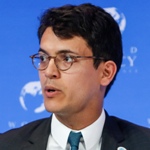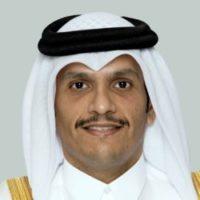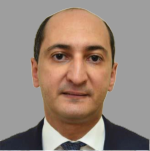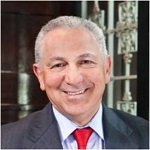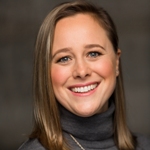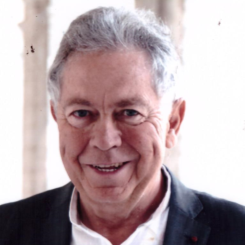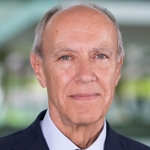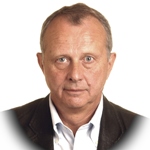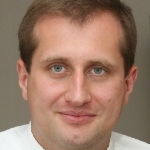
Founding Partner of Okan Partners, strategy and financial advisory boutique dedicated to Africa since 2012. Former McKinsey, PAI Partners and Ardian, Benjamin has developed an expertise in financial advisory and fundraising in Africa. At Okan, he mainly leads infrastructure, agriculture and mining sectors. Benjamin graduated from HEC Paris.
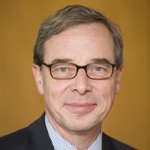
Seyed Kazem Sajjadpour
President, Institute for Political & International Studies (IPIS). He is also Head of Center for International Research and Education (known as Deputy for Research and Education). He was an advisor to the Iranian Minister Foreign Affairs on Strategic Issues (2013-2016). He was also Ambassador of Iran to the United Nation in Geneva (2003-2004). He served as Director General of Institute for Political and International Studies (IPIS) (1999-2003). He has been Editor in Chief of Iranian Review of Foreign Affairs. He graduated from the University of Tehran and he holds a PhD in political science from George Washington University.
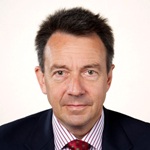
Sékou Kouréissy Condé
Professor and scholar focused on socio-political and socio-cultural analysis of conflict in Africa. Executive Director of ACG – Frontières d’Afrique. ACG, a pan-African consultancy organization, offers mediation to governments and organizations and works to raise awareness at regional and continental levels around all issues relating to human security, and conflict management, both transnational and cross-border, across Africa. Dr. Condé is a former minister of the Republic of Guinée, a former Mediator of the Republic and a former Member of Parliament. He worked as researcher with the distinguished Max-Planck Institute for Criminology and International Criminal Law in Freiburg im Breisgau/Germany, and later taught African crisis resolution at Columbia University in New York where he also founded the American Council on Africa. Having lived and worked in the United States, Europe (on both sides of the iron curtain during the cold war), and a number of African countries, Dr. Condé offers profound insight into the state of the world as it relates to African progress. In addition to speaking several African languages, Dr. Condé is fluent in French, English, German, Czech, Slovak and Polish.
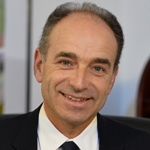
John Sawers
John Sawers is Executive Chairman of Newbridge Advisory, which he founded in 2019 to advise corporate leaders on geopolitics and political risk. He is also a Non-Executive Director of BP. He was Chief of the British Secret Intelligence Service, MI6 (2009-2014). Prior to that he was UK’s Ambassador to the United Nations and Egypt, Political Director of the Foreign Office and Foreign Policy Adviser to Prime Minister Tony Blair. Since leaving public service he has been advising global companies and investors. John Sawers studied at the universities of Nottingham, St. Andrews and Harvard.
Patrick de Castelbajac
Head of Airbus Strategy and International since 2017. He began his career in the aeronautical industry at MBDA in 1997, before spending three years with Baker & McKenzie. He joined Airbus in 2002. At the end of 2010, he joined the Commercial Division of Airbus and was appointed Vice-President Contract. In 2014, he was appointed Chief Executive Officer of ATR. In 2016, in the frame of the Airbus reorganization, he came back to Airbus as member of the Executive Committee, becoming Corporate Secretary (of Airbus Commercial Aircraft) and Executive Vice-President Strategy (of Airbus). He has a DESS (advanced post-graduate diploma) from the University of Bordeaux, and a DEA (advanced post-graduate diploma) from the Sorbonne University and Paris II Assas. He is a qualified attorney (CAPA) with the Paris Bar.
Oliver Bussmann
Founder and Managing Partner, Bussmann Advisory. He also holds important mandates in industry associations, including as President of the Swiss Crypto Valley Association, Global Ambassador for UK-based Innovate Finance and as a Board Member of Identity 2020. He served as was Group Chief Information Officer of UBS (2013-2016). Prior to joining UBS, he was Global Chief Information Officer at SAP, and before that CIO for North America & Mexico at Allianz. Previous roles have included executive positions at Deutsche Bank and IBM. He has been included twice on the Financial News “FinTech 40” list of innovators shaping the future of finance.
Richard Burt
Managing Partner of McLarty Associates. He has led the firm’s work in Europe and Eurasia since 2007. He was a partner with McKinsey & Company (1992-1995). He also served as US Chief Negotiator in the Strategic Arms Reduction Talks with the former Soviet Union. Prior to this, he was US Ambassador to the Federal Republic of Germany (1985-1989). He worked at the State Department as Assistant Secretary of State for European and Canadian affairs (1983-1985). He also serves as a Senior Advisor to the Center for Strategic and International Studies and is a member of the Council on Foreign Relations. He graduated from Cornell University and from the Fletcher School of Law and Diplomacy at Tufts University.
Christoph Beier
Vice-Chair of the Management Board, Deutsche Gesellschaft für Internationale Zusammenarbeit (GIZ) since 2011. He held several positions at Deutsche Gesellschaft für Technische Zusammenarbeit (GTZ) GmbH (2000-2010) and among others Managing Director, Director General of the Country Department Asia/Pacific, Latin America/Caribbean, Director General of the Country Department Mediterranean Region, Europe and Central Asian Countries. He was also a Research associate to the chair of economic and social geography, Ruhr-Universität Bochum (1991-1996). He is member of the Board and Honorary Professor of Tongji University, Shanghai. He holds a doctorate degree from the Ruhr-Universität Bochum (RUB).
Jihad Azour
Director, Middle East and Central Asia Department, International Monetary Fund since 2017. He served as Lebanon’s Finance Minister (2005-2008). Before and since his time as finance minister, he has held a wide range of posts in the private sector, including McKinsey and Booz and Co. where he served as vice president and senior executive advisor (2009-2013). Prior to joining the Fund he was a managing partner at the advisory and investment firm Inventis Partners. He holds a PhD in International Finance and a post-graduate degree in International Economics and Finance, both from the Institut d’Etudes Politiques de Paris. He also did research on emerging economies and their integration into the global economy as a post-doctoral fellow at Harvard, and holds a Master’s degree in Applied Economics and Finance from Dauphine University, Paris.
Ali Aslan
Internationally renowned TV presenter, talk show host, conference moderator, emcee and journalist. His international career in broadcast journalism spans more than two decades and three continents. Throughout his career, Aslan has hosted numerous international TV talk shows with a global audience, often reaching over 100 countries and more than 100 million viewers weekly worldwide. Aslan is also one of the world’s most sought-after moderators and Masters of Ceremonies of high-level international conferences & summits, including for the UN, the EU, the G20, the World Bank, the IMF and the OECD. Aslan has interviewed and shared the stage with numerous presidents, prime ministers, CEOs, Nobel Prize winners and leading personalities from all over the world, including US President Bill Clinton, French President Emmanuel Macron, German Chancellors Olaf Scholz and Angela Merkel, Canadian Prime Minister Justin Trudeau, Ukrainian President Volodymyr Zelensky, European Commission President Ursula von der Leyen, to name a few. Aslan earned two masters degrees in International Relations and Journalism from Columbia University and a bachelor’s degree in International Politics from Georgetown University.
Ilona Antoniszyn
Economist, local and national government official, politician, Poland. Volkswagen AG Head of Group Office Poland – Government Relations and Public Policy Volkswagen AG since 2016. She served as undersecretary of state at the Ministry of Economy, responsible for international trade, investment and European Funds (2011-2015), secretary of the Chief Executive Committee of the Polish People’s Party (PSL) (2012-2015) and Deputy Governor (Voivode) of Dolnośląskie Region (2010-2011). She graduated from the Viadrina European University in Frankfurt (Oder) and from the Diplomatic Academy in Vienna. She acquired international experience at the École Nationale d’Administration in Paris and Helsinki University of Technology, among others.
James Stuewe
Director, Strategic Business and Planning Division, Natural Resources Canada, Government of Canada. Previous to his current role, he has worked at the heart of the Canadian federal public service in both the Privy Council Office and Treasury Board Secretariat. He has also worked in consulting for Deloitte and the Royal Bank of Canada in Toronto. He is a Fellow of the Action Canada public policy leadership program. He graduated with a Masters degree from Dalhousie University.
Aminata Touré
Senegalese politician and Human Rights activist. Member of the Committee of Experts on Public Administration of the United Nations (UN/CEPA). She held several governmental positions including Prime Minister (2013-2014), Minister of Justice (2012-2013), President’s Special Envoy for Internal and External Affairs (2015-2019), President of the Economic, Social and Environmental Council (2019-2020), and elected representative of the National Assembly (July 2022). Dr. Touré worked for 24 years in the United Nations Organization where she held technical expert positions in Burkina Faso, Côte d’Ivoire and Senegal. She also headed the Gender and Human Rights Direction at the United Nations Population Fund Headquarters in New York. At the early stage of her career, Dr. Touré worked in the private sector and with the Senegalese branch of the International Planned Parenthood Federation. From 2014 to 2020, Dr. Touré led and co-led Presidential election observation missions on behalf of the African Union and The Carter Center in Mauritius, Côte d’Ivoire, Kenya, Liberia and Guyana. Aminata Touré holds a Master in Economics and an MBA from the University of Aix-Marseille in France and a PhD from the International School of Management in Paris. Dr. Touré directed more than 30 United Nations publications and authored in 2021 a book highlighting Africa’s contribution to International Penal Law through the Extraordinary Judiciary Chambers that tried Hissein Habré, former President of Chad.
Aleksandar Vučić
President of the Republic of Serbia since 2017. He joined the Serbian Radical Party in 1993. The same year he was elected an MP into the National Assembly of the Republic of Serbia, and he was elected the Secretary General of the Serbian Radical party in 1994. He stayed in that position until 2008. In 2012, he was appointed the Minister of Defense and the First Deputy Prime Minister, in charge of fight against crime and corruption. As of September 2013, he kept only the position of the First Deputy Prime Minister. He was also Prime Minister of Serbia (2014-2016). He graduated from “Zemunska gimnazija”, and from the Faculty of Law, University of Belgrade.
Mohamed Abdellahi Yaha
Chairman and CEO, Maurinvest Group, which he founded in 2011. It is a company that develops industries and add values through fundings with international partners. He is also the Chairman/CEO of MAURILOG a logistics services & transport company for Industrial Projects, Oil & Gas and Mining activities in Mauritania. He started in the fishing business at the age of 28. He is the founder of MIP SEAFOOD, the unique Mauritanian company able to reach Europeans standards allowed to export directly transformed products from the sea. He has been providing outboard motors for the fishing sector for the past 20 years. He served as in Charge of the Promotion of Private Investments between 2007 and 2008. He graduated from ENSM (Ecole Nationale Supérieure de Mécanique) in France.
Yi Xiaozhun
Deputy Director-General at the World Trade Organization since 2013. He has extensive experience in world trade and economics, both as a senior government official and subsequently as China’s ambassador to the WTO. Prior to becoming China’s ambassador to the WTO in 2011, he was Assistant Minister and subsequently China’s Vice Minister of Commerce in charge of multilateral and regional trade negotiations and cooperation. Besides his contribution to China’s WTO accession, he played a leading role in negotiating numerous free trade agreements (FTAs), including the China-ASEAN agreement, China’s first FTA. He also worked as a diplomat at the Chinese Embassy in the United States for more than four years from the late 1980s to the early 1990s. He obtained a Master’s degree in economics from Nankai University in China in 1999.
Marina Hashim
Managing Director, Middle East Region, Electricité de France (EdF)since 2014, based in Abu Dhabi. She is an advisor to the French Foreign Trade since 2011. In 2012, she became Managing Director for MENA and Turkey for Alstom Transport. She was Country President for Near East at Alstom in Amman (Jordan) (2009-2012). In 2008, she was Project Manager at Bouygues Travaux Publics (Construction). In 2005, she settled in Jakarta (Indonesia) and held the position of Deputy Sales Director for Areva Transmission & Distribution until 2007. She graduated from the French school SUPELEC.
Xi Jinping, Trump, Poutine : un trio de durs face à une Europe trop douce
08.12.16
Par Alain Frachon
Ces trois-là ont tout pour se comprendre. Donald Trump à Washington, Xi Jinping à Pékin et Vladimir Poutine à Moscou s’entendent sur un point clé : « la communauté internationale », c’est eux – et personne d’autre. L’ancien promoteur new-yorkais, le « communiste aux caractéristiques chinoises » et l’ex-officier du KGB ont la même méthode de travail : le rapport de force. Ils ont la même vision du monde : une affaire de brutes.
Les doux Européens, volontiers confiants dans l’extension de la notion d’Etat de droit à la vie internationale, n’ont guère d’illusions à entretenir. Poutine, Trump et Xi Jinping, nationalistes convaincus, veulent façonner le monde à leur main. Un peu partout, l’idéal démocratique-libéral est en perte de vitesse et, avec lui, celui d’un ordre international qui serait régi par la norme de droit. Il n’y a qu’à Bruxelles qu’on cultive encore ce dernier rêve.
Les « Trois » se retrouvent dans la défense de leur zone d’influence – chacun la sienne. Durant la campagne électorale américaine, Trump a laissé entendre qu’il n’avait rien à redire à ce que la Russie reprenne la Crimée à l’Ukraine. Il veut bien que Pékin étende sa présence militaire en mer de Chine, dès lors que les Chinois s’abstiennent de commenter les relations de Washington avec Taïwan. Tout est affaire de négociation – de deal, dirait Trump – plutôt que de droit international.
« National-égoïsme »
Brut de décoffrage, cet état des lieux a été dressé à la World Policy Conference (WPC), présidée par son fondateur Thierry de Montbrial et réunie, pour sa 9e édition, fin novembre au Qatar. A Moscou, Pékin et Washington, l’idéologie montante est le bon vieux national-égoïsme, pas l’isolationnisme.
Le monde est appelé à rester global, la mondialisation est portée par la technologie. Mais, plus trompeuse que jamais, l’idée d’une gouvernance mondiale, incarnée dans des institutions internationales, est battue en brèche par la réalité des Etats. Les plus puissants d’entre eux l’entendent bien ainsi.
Une fois de plus, ce devrait être l’heure de vérité pour l’Europe, a constaté la WPC. Ce devrait être le moment du réveil pour les Européens, la prise de conscience de « l’impossibilité d’une île » : ils ne s’isoleront pas des crises, ils ne vivront pas comme dans une « grande Suisse ».
Dans ce monde de brutes, les épreuves à venir commanderaient de les trouver unis. Pour exister à côté de la « bande des Trois », négocier avec les grands émergents (Brésil, Inde), affirmer une singularité européenne dans la mondialisation. Seulement voilà, au moment précis où elle devrait être forte, l’Union européenne (UE) est au plus bas. Elle est victime d’une crise interne. Le projet européen va fêter son 60eanniversaire drapeau en berne.
Le mal est profond, peut-être terminal, diagnostique Hubert Védrine dans son dernier livre, Sauver l’Europe ! (Liana Levi, 96 pages, 10 euros). L’UE périt de l’intérieur : elle a perdu la confiance des peuples. Avant même le Brexit, elle était dans un état de « déréliction avancé ».
Pourquoi cette désaffection populaire ? L’ancien ministre des affaires étrangères – jamais eurolâtre, plutôt euroréaliste – incrimine une UE devenue à la fois trop vague et trop ambitieuse. Mal préparé, trop rapide, trop étendu, l’élargissement post-guerre froide l’a diluée dans une masse informe et sans cesse en mouvement.
Retisser du lien entre les peuples et l’Europe
L’instauration du marché unique s’est traduite par un déluge incontrôlé de directives, de « normes intrusives et tatillonnes » émanant de la bureaucratie bruxelloise. Celle-ci n’est pas si nombreuse que ça ni si antidémocratique qu’on veut bien le dire (elle applique des décisions prises par des gouvernements élus).
Mais la mise en musique de l’ensemble au son d’une partition ridiculisant les notions d’identité nationale et de souveraineté, pour célébrer à satiété les mérites d’un européisme élitiste, a fait le reste : les peuples ont décroché. L’euroscepticisme est majoritaire.
De la crise de l’euro à Schengen et à l’immigration, le livre passe en revue les difficultés traversées par l’UE. Il y a la manière Védrine : « no nonsense », dirait-on anglais – rester pragmatique, ne pas se payer de mots, éviter les batailles théologiques. Il ne se résout pas à la dislocation du projet européen. Une obligation : retisser du lien entre les peuples et l’Europe. L’originalité du livre est dans une proposition à double détente. D’abord décréter une « pause » à la fois dans l’élargissement et dans « la furie normalisatrice » de Bruxelles.
Ce serait le temps d’un bilan de la construction européenne : ce qu’il faut garder, ce qui ne marche pas. Ensuite convoquer une conférence « refondatrice » qui accoucherait d’un document politique de réorientation de l’ensemble du système : redéfinition stricte de la répartition des compétences entre les institutions européennes et les Etats ; redéfinition du rôle des dites institutions ; redéfinition d’un projet européen qui respecterait les espaces nationaux et resituerait l’ambition de l’Europe dans le monde de demain.
Védrine est souvent convaincant. Il est aussi convaincu de l’impérieuse nécessité de l’Europe pour préserver le mode de vie européen dans le monde de demain. Configuration géopolitique nouvelle : l’Europe a peu d’amis. Dans toute l’UE, Vladimir Poutine finance les partis d’ultra-droite qui veulent détruire le projet européen. A Washington, Trump est du côté des « brexiters » : il n’a que mépris, au mieux de l’indifférence, pour l’UE.
A Pékin, Xi Jinping serait le moins anti-européen de « la bande des Trois », mais les Chinois savent jouer de la division des Européens entre eux. Dans la multipolarité conflictuelle qui s’annonce, la désintégration du projet européen serait une tragédie. Pour les Européens.
Chorzy i niepełnosprawni Polacy nie obronią swojego kraju. Zdrowie to podstawa, żeby było bezpiecznie
08.12.16
Bezpieczeństwo narodowe większości z nas kojarzy się z dużą, silną armią i nowoczesnym uzbrojeniem. Mało kto dostrzega znaczenie bezpieczeństwa narodowego w zdrowym społeczeństwie i sprawnie działającym systemie opieki zdrowotnej.
Jeśli komuś trudno to sobie wyobrazić, niech sięgnie pamięcią do fabuły popularnej gry strategicznej „Twierdza”, w której twórcy pokazali, że w walce z wrogiem na nic szwadrony świetnego wojska i pełne zapasów spichlerze, kiedy lud trapią epidemie.
To oczywiście uproszczenie, rodem z gry, której akcja dzieje się w Średniowieczu. W realnym świecie trudno jednak wyobrazić sobie, że kraj jest w stanie się obronić przed wrogiem, jeśli jego obywateli trapią choroby i epidemie. Nie mówiąc już o tym, że chore i kalekie wojsko raczej nie obroni kraju.
Już w Średniowieczu o to dbali
Tak jak we wspomnianej grze, w dawnych czasach wytrawni stratedzy wojskowi planowali nie tylko ruchy swoich wojsk, ale również pamiętali o kwestiach zabezpieczenia zdrowotnego ludności np. w sytuacji oblężenia miasta. Dzisiaj kwestia zdrowia rozpatrywana w ramach bezpieczeństwa narodowego jest dużo szersza i bardziej skomplikowana. Od zdrowia społeczeństwa zależy też jego sytuacja gospodarcza, co z kolei przekłada się na pozycję kraju w danym regionie świata i jego potencjał obronny.
– Według Banku Światowego 50 proc. różnicy w tempie wzrostu gospodarczego między krajami bogatymi a biednymi przypisać można różnicom w stanie zdrowia ich obywateli i długości życia mieszkańców. Czym zdrowsze jest społeczeństwo, tym bardziej efektywna jest praca , większy jest odsetek pracujących, mniejsze kłopoty z dbałością o wychowanie dzieci. Uwaga – choroby cywilizacyjne bogatych społeczeństw mogą niebawem zniwelować te przewagi – już dzisiaj więcej osób na świecie umiera z nadmiernej otyłości niż z głodu! – mówił prof. Michał Kleiber podczas debaty „Zdrowie i bezpieczeństwo narodowe” zorganizowanej przez Polską Unię Onkologii oraz Instytut Studiów Politycznych Polskiej Akademii Nauk.
Na świecie o związku zdrowia z bezpieczeństwem narodowym dyskutowano już dawno, w Polsce to dopiero początek, ale specjaliści i decydenci są zgodni, że trzeba działać, stąd pomysł na wspomnianą debatę.
– Rok temu, podczas dorocznej konferencji organizowanej przez prestiżowy francuski think-tank IFRI World Policy Conference w Montreux, ważną rolę odgrywały dyskusje o zdrowiu. Podobnie było w tym roku w Doha, gdzie jedną z ważniejszych prezentacji przedstawił Instytut Pasteura – mówi podczas debaty Paweł Kowal z ISP PAN.
Eksperci uważają, że nie wolno nam bagatelizować żadnego z zagrożeń zewnętrznych dla bezpieczeństwa kraju. Ale też nie wolno zapominać o tym, że każdego dnia swoją prywatną wojnę z rakiem, zawałem, chorobami neurodegeneracyjnymi, psychiatrycznymi, metabolicznymi, rzadkimi schorzeniami genetycznymi przegrywa tysiące osób. Brakuje nam lekarzy, pielęgniarek i pieniędzy.
Coraz bardziej niepokojące dane epidemiologiczne dotyczące chorób cywilizacyjnych, szczególnie w kontekście kryzysu ekonomicznego i zmian demograficznych, to wyzwania nie tylko dla organizatorów systemu ochrony zdrowia, ale dla całej klasy politycznej UE.
Na skali wartości najważniejszych dla Europejczyków, badanych przez ekspertów Komitetu Regionów Komisji Europejskiej i WHO, najwyższą pozycję zajmuje zdrowie, a dopiero za nim są: miłość, rodzina, praca czy pieniądze.
– Nie możemy rozdawać miłości i zagwarantować pieniędzy dla wszystkich, ale możemy robić, co w naszej mocy, by kształtować politykę i promować praktyki, które sprzyjają zdrowemu trybowi życia i zapewniają racjonalne pod względem kosztów i dostępne dla wszystkich usługi zdrowotne – twierdzą europejscy eksperci.
Resorty muszą współpracować
Tyle europejscy eksperci, natomiast uczestnicy wspomnianej debaty, nie mieli wątpliwości, że i w Polsce najwyższy czas, by decydenci zaczęli traktować jako warunek konieczny, w zapewnieniu bezpieczeństwa narodowego i rozwoju gospodarczego, właśnie zdrowie społeczeństwa.
Tej dbałości o zdrowie Polaków nie jest w stanie zapewnić jeden resort, np. zdrowia. Tu potrzebna jest współpraca wielu ministerstw, a także współdziałanie polityków ponad politycznymi podziałami. W końcu niezależnie od opcji politycznej wszyscy chcą, żeby system ochrony zdrowia był w Polsce jak najlepszy. Jednak żeby taki tworzyć, potrzebne są w Polsce większe nakłady na ochronę zdrowia i edukację zdrowotną.
Wiceminister zdrowia dr Krzysztof Łanda zapewnił, że nakłady na ochronę zdrowia w Polsce będą coraz większe, jednak być może nie nastąpi to w tak szybkim tempie, jak byśmy tego oczekiwali.
Stwierdził również, że już teraz resort zdrowia ściśle współpracuje z innymi resortami, np. z Ministerstwem Rozwoju.
” Takim rozwiązaniem, które wprowadziliśmy, a które pomoże racjonalniej wydawać pieniądze, a tym samym poprawi funkcjonowanie systemu ochrony zdrowia jest np. Instrument Oceny Wniosków Inwestycyjnych w Sektorze Zdrowia (IOWISZ). Nie będziemy wydawać pieniędzy na niepotrzebne inwestycje, a to z kolei pozwoli na realizowanie tych, które są Polakom bardzo potrzebne. Przykładowo, nie będziemy budować kolejnego szpitala, jeśli w okolicy są już dwa o podobnym profilu. Za to możemy zbudować szpital, tam gdzie chorzy w promieniu wielu kilometrów nie mają dostępu do opieki szpitalnej. “
DR KRZYSZTOF ŁANDA – Wiceminister zdrowia
Za mało pieniędzy
Uczestnicy debaty zwracali uwagę, że kwestia finansowania w ochronie zdrowia jest kluczowa.
– Bez zwiększenia nakładów na ochronę zdrowia nie da się nic zrobić – mówiła dr Małgorzata Gałązka-Sobotka, dyrektor Instytutu Zarządzania w Ochronie Zdrowia Uczelni Łazarskiego.
W podobnym tonie wypowiadał się również dr Janusz Meder, prezes Polskiej Unii Onkologii.
– Bez zwiększenia nakładów na ochronę zdrowia nie da się poprawić zdrowia Polaków. Trzeba też racjonalizować wydatki, nie zapominając jednak o zagwarantowaniu pacjentom dostępu do nowoczesnych terapii.
Z kolei wiceminister zdrowia dr Jarosław Pinkas podkreślał, że największym wkładem obywateli w bezpieczeństwo państwa jest „moda na zdrowie”, która oznacza m.in. szczepienie się, zgodne z kalendarzem szczepień.
– Nie będzie szczepień, nie będzie nas. Zdziesiątkowany epidemią naród bardzo łatwo pokonać – mówił minister Pinkas.
Z kolei były minister zdrowia, członek Sekcji Zdrowia Narodowej Rady Rozwoju przy Prezydencie RP dr Marek Balicki podkreślał, że w Polsce sytuacja zdrowotna obywateli państwa zależy od ich statusu społeczno-ekonomicznego, a ten w Polsce jest bardziej zróżnicowany niż w innych krajach UE.
– W Polsce 30-letni mężczyzna z wykształceniem zawodowym żyje o 12 lat krócej niż jego rówieśnik z wykształceniem wyższym – mówił Balicki.
Dodał, że aby zapewnić bezpieczeństwo zdrowotne, państwo musi działać na rzecz niwelowania różnic statusu ekonomicznego Polaków.
Inwestycja w zdrowie jest opłacalna
Podczas debaty Wojciech Jakóbik z Biznes Alert, współautor raportu pt. „Bezpieczeństwo zdrowotne jako zadanie nowoczesnego państwa”, poinformował, że analiza danych z raportu wskazuje na dużą zależność między bezpieczeństwem zdrowotnym państwa a rozwojem gospodarczym, bezpieczeństwem narodowym i siłą społeczeństwa. Raport po raz pierwszy został zaprezentowany podczas debaty.
– Epidemie i pogorszenie stanu zdrowia populacji przyczyniają się do ekonomicznego osłabienia państwa. Dlatego konieczne jest zwiększenie nakładów na profilaktykę zdrowotną i badania. Inwestycje w zdrowie są istotne, bo badania epidemiologiczne, prowadzenie profilaktyki pozwalają np. zwiększyć odporność społeczeństwa na epidemie i choroby cywilizacyjne – wyjaśniał Jakóbik.
Dodał, że w UE na ochronę zdrowia przeznacza się średnio 10 proc. PKB. Z danych Organizacji Współpracy Gospodarczej i Rozwoju (OECD) wynika, że w 2015 r. Polska przeznaczyła na ochronę zdrowia tylko 4,3 proc. PKB. Oznacza to, że nakłady nie wzrosły w ciągu ostatnich 15 lat. W UE mniej od nas na opiekę zdrowotną wydają tylko Rumunia, Chorwacja, Bułgaria i Łotwa.
Specjalista tłumaczył, że pieniądze wydawane na zdrowie nie są pieniędzmi „wyrzuconymi w błoto”, a wręcz przeciwnie – wydane na ten cel przynoszą zyski. Fogarty International Center twierdzi, że każdy dolar wydany na świecie na badania dotyczące zdrowia zwraca się w postaci 64 centów, które zasilają gospodarkę krajową. Dodatkowo rozwiązania prawne, które sprzyjają inwestowaniu w badania zdrowotne, powodują większą innowacyjność gospodarki.
Uczestnicy debaty zaapelowali do polskich władz o zainicjowanie na forum UE prac nad powołaniem Unii Zdrowia, na wzór istniejącej już Unii Energetycznej, jako wyrazu troski o zdrowie wszystkich Europejczyków.
Napisz do autora: anna.kaczmarek@natemat.pl
HE Prime Minister Opens 9th World Policy Conference
20.11.16
Doha/Information Office/20 November 2016/
HE Prime Minister and Minister of Interior Sheikh Abdullah bin Nasser bin Khalifa Al-Thani opened the 9th edition of the World Policy Conference at Doha Sheraton Hotel today.
The opening session was attended by a number of Their Excellencies ministers, members of diplomatic missions accredited to Qatar and guests.
In his opening speech, HE Prime Minister welcomed the participants of the 9th World Policy Conference, and extended his thanks to French Institute of International Relations and to all those who contributed to the organization of this conference.
His Excellency said we are all aware that our modern world is going through an unusual stage full of serious challenges for security, stability and sustainable development due to the continued disruption of the global system which suffers from double standards in dealing with peoples’ issues.
However, more efforts should be made to maximize what has been achieved in the field of scientific progress and investment in human accomplishments in all aspects of life which made it impossible for any country to remain in isolation and away from the international surrounding, HE the Prime Minister said, while underling the importance of international cooperation and coordination and genuine partnership between States and at the regional and international levels and between governments and peoples and civil society organizations.
His Excellency said that stability and collective security require all actors in the international community, especially the Security Council to abide by international legitimacy and assume the moral and legal responsibility to achieve the will of the people and their legitimate aspirations for bringing about stability and security, freedom and change.
The biggest challenge in the Middle East remains the difficulties and obstacles facing peace process between the Palestinians and Israel, His Excellency said, adding that achieving desired peace and stability in the region is only possible through full commitment by Israel to the foundations and principles of the peace process in accordance with the two-state solution agreed upon by the international community on the basis of international legitimacy decisions. The absence of a comprehensive and just solution to the Palestinian issue threatens all attempts to pursue and consolidate the stability and security in the Middle East and indeed the world, His Excellency pointed out.
HE the Prime Minister noted that the humanitarian disaster that Syrian people are suffering at the hands of the current Syrian regime still has disastrous effects on the overall situation in the Middle East and is a threat to the preservation of the unity of Syria’s land and people.
If we examine the gravity of the violations of international humanitarian law committed by the Syrian regime in towns, villages and neighborhoods in Syria, we will be perplexed at the great distance between the magnitudes [of the violations] and the positions of the international community, His Excellency said, adding that the continuation of this crisis requires from the international community, especially the Security Council to bear legal and humanitarian responsibilities by implementing its decisions to impose a cease-fire and protect the Syrian people from murder and displacement.
He added that talking about Syria necessitates to mention that humanitarian crisis requires from all countries of the world to increase efforts to address this crisis.
HE the Prime Minister reiterated the need for the international community, especially the United Nations to develop a comprehensive perspective on the settlement of conflicts, ranging from prevention through mediation that aimed to prevent disputes from escalating into conflicts, to the stage of conflict management and reaching settlement built on the comprehensive peace agreements followed by the sustainability of peace and stability phase.
HE the Prime Minister and Interior Minister Sheikh Abdullah bin Nasser bin Khalifa Al-Thani said that the phenomenon of terrorism has become a serious threat to the Middle East and global stability in economic, political, social, security and development areas.
With regard to countering terrorism, HE said that it should not be limited to the security aspects, despite its importance, stressing the need for collective efforts to confront terrorism at the national, regional and international level, including cultural, intellectual, ideological, economic, social and media aspects.
In this context, HE Sheikh Abdullah bin Nasser bin Khalifa Al-Thani said that all are aware of the need to take advantage of youth’s energies and abilities as they are the future of the peoples and nations, adding that this will be achieved only by protecting them and fulfilling their hopes and aspirations which require taking the necessary measures to deal with their problems so as not to be easy prey for terrorist groups.
HE the Prime Minister said that the world is still looking for the potentials to stimulate economic growth and improve its pace as an important input for the realization of social justice and stability that people aspire to.
HE stressed that development challenges must be faced and its risks and negative effects on the political and social stability must be overcome, especially in the least developed countries, calling on the International Community to support the efforts of these countries to achieve their goals in economic and social development as well as other fields through the fulfillment of the international commitments on development aid in all its forms.
HE the Premier pointed out that the State of Qatar has spared no effort in providing development assistance and fulfilling its international obligations in this regard for many regions of the world, adding that Qatar has made great achievements in sustainable development in accordance with international and regional reports, particularly in areas such as education, health, employment, youth, human rights and economic growth thanks to the wise leadership of HH the Emir Sheikh Tamim bin Hamad Al-Thani and his keenness to achieve the aspirations of the Qatari people in all aspects of life.
HE the Prime Minister said that Qatar will continue its permanent development to achieve prosperity and sustainable development for the Qatari people through Vision 2030 and the related strategic plans to consolidate a modern state based on justice, the rule of law, openness in foreign relations in accordance with strong bases and pillars, especially the mutual respect, common interests according to the rules of international legitimacy, interaction between peoples, cultures and civilizations, respect for human rights and peaceful settlement of disputes.
HE the Prime Minister and Interior Minister Sheikh Abdullah bin Nasser bin Khalifa Al-Thani emphasized the importance of the issues and topics of this conference, including the changes currently witnessed by the world, especially in the European Union, looking forward to the outcomes of the discussions to achieve the desired goal of this conference for the security, stability and sustainable development in the world.
HE Prime Minister Opens 9th World Policy Conference
20.11.16
Doha, November 20 (QNA) – HE Prime Minister and Minister of Interior Sheikh Abdullah bin Nasser bin Khalifa Al-Thani opened the 9th edition of the World Policy Conference at Doha Sheraton Hotel today.
The opening session was attended by a number of Their Excellencies ministers, members of diplomatic missions accredited to Qatar and guests.
In his opening speech, HE Prime Minister welcomed the participants of the 9th World Policy Conference, and extended his thanks to French Institute of International Relations and to all those who contributed to the organization of this conference.
His Excellency said we are all aware that our modern world is going through an unusual stage full of serious challenges for security, stability and sustainable development due to the continued disruption of the global system which suffers from double standards in dealing with peoples’ issues.
However, more efforts should be made to maximize what has been achieved in the field of scientific progress and investment in human accomplishments in all aspects of life which made it impossible for any country to remain in isolation and away from the international surrounding, HE the Prime Minister said, while underling the importance of international cooperation and coordination and genuine partnership between States and at the regional and international levels and between governments and peoples and civil society organizations.
His Excellency said that stability and collective security require all actors in the international community, especially the Security Council to abide by international legitimacy and assume the moral and legal responsibility to achieve the will of the people and their legitimate aspirations for bringing about stability and security, freedom and change.
The biggest challenge in the Middle East remains the difficulties and obstacles facing peace process between the Palestinians and Israel, His Excellency said, adding that achieving desired peace and stability in the region is only possible through full commitment by Israel to the foundations and principles of the peace process in accordance with the two-state solution agreed upon by the international community on the basis of international legitimacy decisions. The absence of a comprehensive and just solution to the Palestinian issue threatens all attempts to pursue and consolidate the stability and security in the Middle East and indeed the world, His Excellency pointed out.
HE the Prime Minister noted that the humanitarian disaster that Syrian people are suffering at the hands of the current Syrian regime still has disastrous effects on the overall situation in the Middle East and is a threat to the preservation of the unity of Syria’s land and people.
If we examine the gravity of the violations of international humanitarian law committed by the Syrian regime in towns, villages and neighborhoods in Syria, we will be perplexed at the great distance between the magnitudes [of the violations] and the positions of the international community, His Excellency said, adding that the continuation of this crisis requires from the international community, especially the Security Council to bear legal and humanitarian responsibilities by implementing its decisions to impose a cease-fire and protect the Syrian people from murder and displacement.
He added that talking about Syria necessitates to mention that humanitarian crisis requires from all countries of the world to increase efforts to address this crisis.
HE the Prime Minister reiterated the need for the international community, especially the United Nations to develop a comprehensive perspective on the settlement of conflicts, ranging from prevention through mediation that aimed to prevent disputes from escalating into conflicts, to the stage of conflict management and reaching settlement built on the comprehensive peace agreements followed by the sustainability of peace and stability phase.
HE the Prime Minister and Interior Minister Sheikh Abdullah bin Nasser bin Khalifa Al-Thani said that the phenomenon of terrorism has become a serious threat to the Middle East and global stability in economic, political, social, security and development areas.
With regard to countering terrorism, HE said that it should not be limited to the security aspects, despite its importance, stressing the need for collective efforts to confront terrorism at the national, regional and international level, including cultural, intellectual, ideological, economic, social and media aspects.
In this context, HE Sheikh Abdullah bin Nasser bin Khalifa Al-Thani said that all are aware of the need to take advantage of youth’s energies and abilities as they are the future of the peoples and nations, adding that this will be achieved only by protecting them and fulfilling their hopes and aspirations which require taking the necessary measures to deal with their problems so as not to be easy prey for terrorist groups.
HE the Prime Minister said that the world is still looking for the potentials to stimulate economic growth and improve its pace as an important input for the realization of social justice and stability that people aspire to.
HE stressed that development challenges must be faced and its risks and negative effects on the political and social stability must be overcome, especially in the least developed countries, calling on the International Community to support the efforts of these countries to achieve their goals in economic and social development as well as other fields through the fulfillment of the international commitments on development aid in all its forms.
HE the Premier pointed out that the State of Qatar has spared no effort in providing development assistance and fulfilling its international obligations in this regard for many regions of the world, adding that Qatar has made great achievements in sustainable development in accordance with international and regional reports, particularly in areas such as education, health, employment, youth, human rights and economic growth thanks to the wise leadership of HH the Emir Sheikh Tamim bin Hamad Al-Thani and his keenness to achieve the aspirations of the Qatari people in all aspects of life.
HE the Prime Minister said that Qatar will continue its permanent development to achieve prosperity and sustainable development for the Qatari people through Vision 2030 and the related strategic plans to consolidate a modern state based on justice, the rule of law, openness in foreign relations in accordance with strong bases and pillars, especially the mutual respect, common interests according to the rules of international legitimacy, interaction between peoples, cultures and civilizations, respect for human rights and peaceful settlement of disputes.
HE the Prime Minister and Interior Minister Sheikh Abdullah bin Nasser bin Khalifa Al-Thani emphasized the importance of the issues and topics of this conference, including the changes currently witnessed by the world, especially in the European Union, looking forward to the outcomes of the discussions to achieve the desired goal of this conference for the security, stability and sustainable development in the world.
Remus Borza participa la World Policy Conference
22.11.16
Remus Borza, presedinte EuroInsol si candidat ALDE Brasov pentru Camera Deputatilor participa in perioada 20-23 noiembrie la cea de-a lX-a editie a , in Doha, Qatar.
In fiecare an la acest eveniment participa sute de personalitati din intreaga lume(sefi de stat,premieri,ministri,diplomati,bancheri,academicieni,profesori,sefi de mari companii,ziaristi,etc).
Si la aceasta editie s-au discutat teme de mare actualitate: America dupa alegerea lui Trump, UK dupa Brexit, rolul Turciei in Europa dupa puciul esuat, viitorul Orientului Mijlociu, Africa, noul El Dorado al secolului XXl, viitorul Uniunii Europene, combaterea Terorismului, noile schimbari in economia globala, criza hidrocarburilor, sanatate si educatie, etc.
Remus Borza, la a lX-a editie a World Policy Conference
22.11.16
In perioada 20-23 noiembrie se desfăşoară, la Doha, în Qatar, cea de-a lX-a editie a World Policy Conference.
In fiecare an, la acest eveniment participa sute de personalitati din intreaga lume (sefi de stat, premieri, ministri, diplomati, bancheri, academicieni, profesori, sefi de mari companii, ziaristi etc). La aceasta editie s-au discutat teme de mare actualitate: America dupa alegerea lui Trump, UK dupa Brexit, Rolul Turciei in Europa dupa puciul esuat, Viitorul Orientului Mijlociu, Africa – noul El Dorado al secolului XXl, Viitorul Uniunii Europene,Combaterea Terorismului, Noile schimbari in economia globala, Criza hidrocarburilor, Sanatate si Educatie etc.
La eveniment a fost invitat și Remus Borza, cel care a fost declarat omul anului în Energie, candidatul ALDE Braşov la Camera Deputaţilor.
Comandat de ALDE Brașov, realizat de Sed Media SRL
Remus Borza, prezent la Doha, Qatar, la cea dea IX-a editie a World Policy
22.11.16
In perioada 20-23 noiembrie are loc la Doha,Qatar, cea de-a lX-a editie a World Policy Conference.In fiecare an participa la acest eveniment sute de personalitati din intreaga lume (sefi de stat,premieri,ministri,diplomati,bancheri,academicieni,profesori,sefi de mari companii,ziaristi,etc). La eveniment a participat si Remus Borza, salvatorul Hidroelectrica si candidat ALDE Brasov la Camera Deputatilor. In cadrul acestei editii s-au discutat teme de mare actualitate:America dupa alegerea lui Trump,UK dupa Brexit,Rolul Turciei in Europa dupa puciul esuat,Viitorul Orientului Mijlociu,Africa, noul El Dorado al secolului XXl,Viitorul Uniunii Europene,Combaterea Terorismului, Noile schimbari in economia globala, Criza hidrocarburilor, Sanatate si educatie,etc.
Gadio sur l’Agenda 2063: «Ce que la Corée du Sud a fait en 20 ans, l’Afrique s’engage à le faire en …100 ans»
24.11.16
Seul panéliste africain subsaharien de la World Policy Conference tenue cette du 20 au 22 novembre 2016 à Doha (Qatar), Dr Cheikh Tidiane Gadio, Président de l’IPS, n’a pas du tout été tendre avec l’Agenda 2063 de l’Union africaine.
Selon l’ancien chef de la Diplomatie sénégalaise, l’Agenda 2063 déjà concurrencé par la fièvre épidémique des «Plans émergents» individuels, souvent irréalistes et solidement ancrés dans la poursuite suicidaire des “chevauchées individuelles pour un échec collectif”, contient un aveu de taille: «Ce que la Corée du Sud a réalisé en 2 décennies l’Afrique s’engage à le faire en… 100 ans».
«Ce pays asiatique, dira Cheikh Tidiane Gadio, qui était au même niveau que le Sénégal et le Ghana en 1960 a aujourd’hui un PIB équivalent à celui des 25 pays d’Afrique regroupés dans le marché du Nord-est et du Sud du continent. Au total, parmi les 54 pays de l’Afrique hyper-balkanisée (et en voie de balkanisation continue), que lèvent le doigt ceux qui ont réussi les fondamentaux du développement: agriculture, éducation santé, infrastructures et embryon d’industrialisation!»
À son avis, l’Afrique, en ayant refusé la vision et le plaidoyer panafricanistes de Nkrumah et de Cheikh Anta, n’a tout simplement “pas de stratégie” et a inscrit son action dans l’errance, le tâtonnement et l’éternel recommencement.
Ce faisant, il a déploré la faiblesse des réponses africaines aux défis sécuritaires et la résistance, au nom d’une souveraineté factice et très relative, à la mutualisation des forces et des compétences pour aider “l’Afrique à défendre l’Afrique”, “l’Afrique à protéger l’Afrique”.
«Face au carré infernal des Shebabs en Somalie et au Kenya, Daesh en Libye et en Egypte, Aqmi au Mali et dans le Sahel et Boko Haram au Nigeria et dans le BASSIN du Lac Tchad, le danger de déménager l’épicentre du terrorisme mondial en Afrique est loin d’être une vue de l’esprit», a exposé le Dr Gadio.
Omar Apo Mendy
Cheikh Tidiane Gadio à la World Policy Conference : « Mutualiser les forces pour aider l’Afrique à défendre l’Afrique… »
22.11.2016
À l’occasion de la World Policy Conference, tenue cette année à Doha au Qatar (20-22 novembre), le Docteur Cheikh Tidiane Gadio, Président de l’IPS, et Nathalie Delapalme, Directrice exécutive à la Fondation Mo Ibrahim, ont co-animé un Panel sur « Sécurité et développement économique en Afrique ».
La « World Policy Conference », un rendez-vous annuel initié, depuis 9 ans par Thierry de Montbrial, Président de l’IFRI, réunit des experts de haut niveau et des membres d’instituts académiques et des leaders de Think Tank de référence de tous les continents pour faire le point sur l’état du monde et proposer des perspectives.
Dr. Gadio, seul panéliste originaire de l’Afrique sub-saharienne, a séduit les participants, selon un communiqué parvenu à notre rédaction, par une analyse et des propositions loin de la langue de bois et appelant sans ambages à une rupture paradigmatique urgente sur les questions de sécurité et de développement en Afrique.
Selon le Président de L’IPS, l’Afrique, en ayant refusé la vision et le plaidoyer panafricanistes de Nkrumah et de Cheikh Anta, n’a tout simplement « pas de stratégie » et a inscrit son action dans l’errance, le tâtonnement et l’éternel recommencement.
Un coup c’est le brillant « Plan de Lagos », le lendemain c’est le « Traité d’Abuja », le surlendemain c’est « la vision et les missions de l’Union africaine », sitôt supplanté par le Nepad, lui même bousculé par le bouquet (final?) qu’est le fameux « Agenda 2063 » qui choisit d’inscrire l’urgence des grands ensembles et de la Renaissance africaine dans un incroyable et long processus de 50 ans. Ce dernier plan, déjà concurrencé par la fièvre épidémique des « Plans émergents » individuels, souvent irréalistes et solidement ancrés dans la poursuite suicidaire des « chevauchées individuelles pour un échec collectif », contient un aveu de taille: ce que la Corée du Sud a réalisé en 2 décennies l’Afrique s’engage à le faire en… 100 ans.
Le Docteur Gadio a rappelé que ce pays asiatique qui était au niveau du Sénégal et du Ghana en 1960 a, aujourd’hui, un PIB équivalent à celui des 25 pays d’Afrique regroupés dans le marché du Nord-Est et du Sud du continent.
Au total a-t-il conclu ce chapitre, parmi les 54 pays de l’Afrique hyper-balkanisée (et en voie de balkanisation continue), que lèvent le doigt ceux qui ont réussi les fondamentaux du développement: agriculture, éducation santé, infrastructures et embryon d’industrialisation!
Par ailleurs, Il a déploré la faiblesse des réponses africaines aux défis sécuritaires et la résistance, au nom d’une souveraineté factice et très relative, à la mutualisation des forces et des compétences pour aider « l’Afrique à défendre l’Afrique », « l’Afrique à protéger l’Afrique ». Face au carré infernal des Shebabs en Somalie et au Kenya, Daesh en Libye et en Egypte, Aqmi au Mali et dans le Sahel et Boko Haram au Nigeria et dans le BASSIN du Lac Tchad, le danger de déménager l’épicentre du terrorisme mondial en Afrique est loin d’être une vue de l’esprit. 22 pays du continent sont désormais directement affectés par le fléau du Terrorisme et les métastases continuent!!!
Seul le Tchad, avec son engagement sans réserve au Mali, au Nigeria, au Cameroun et au Niger, a été à la hauteur des urgences sécuritaires mais à quel prix. Puisque à force de se projeter avec ses ressources limitées sur plusieurs théâtres d’opérations, ce pays sahélien, qui subit gravement la chute brutale des cours du baril fait face maintenant à une très difficile situation économique. Parmi ceux qui ont bénéficié de la sollicitude du Tchad, puissances régionales et surtout les organisations internationales en charge de la sécurité internationale, qui a réellement mis la main à la poche en guise de solidarité réciproque avec le Tchad?
Le Président de l’IPS a conclu sa contribution, selon le document, en lançant un appel pour un sursaut africain dans une perspective fédéraliste et dans le cadre de regroupements régionaux forts, intégrés au plan économique et politique, capables demain d’être des interlocuteurs crédibles et respectés dans un monde des « global players » comme la Chine, les USA, l’Inde, le Canada, l’Europe unie et le Brésil…
World Policy Conference opened in Doha
20.11.16
On November 20, 2016 the Ninth session of the International Conference of World Policy, dedicated to the issues of global governance kicked off in Doha.
This year it takes place under the patronage of the Prime Minister of Qatar, Sheikh Abdullah Al Thani, who addressed the forum with a welcoming speech.
The Key-speakers of the event were Minister of Foreign Affairs of France H.E. Mr.Jean-Marc Ayrault and the former Turkish Prime Minister Mr.Ahmet Davutoglu (photo).
The main messages of the French Foreign minister`s address were:
– The international community must build “bridges of trust” between East and West;
– Humanitarian tragedy in Syria was caused by the actions of the Syrian regime;
– Only solidarity and unity of efforts of the whole international community can put an end to terrorism, radicalism and violence;
– The fight against international terrorism requires connecting all major partner countries led by the US, which is currently the strongest economy in the world;
– Today’s world lacks confidence in the future;
– Other most urgent challenges of nowadays are illegal immigration and climate change;
– A policy of isolationism proves to be ineffective;
– Arab world suffers from fragmentation, which should be brought to an end;
– Palestine and Israel have no other way but to live in peace and security that requires unconditional adherence to the relevant UN Security Council resolutions;
In his speech Mr. Ahmet Davutoglu pointed out the following signals:
– The main feature that characterizes today’s world is unpredictability;
– One of the greatest threats to the world is extremism in its various forms;
– The world has not yet recovered from the economic crisis of 2008;
– The world doesn’t maintain a global dialogue, whilst the current situation resembles the events of the late 30 th of the 20-th century on the eve of World War II;
– The way out from the current complex political situation in the world should be provided through inclusiveness of all parties to make them feel common responsibility for the future of the planet.
The conference was attended by a number of European and Arab officials, parliamentarians, diplomats, academics and journalists.
The opening ceremony was attended also by the Ambassador of Ukraine to Qatar Mr. Yevhen Mykytenko.
The event will continue until 22 November 2016.
Club Romania, la World Policy Conference, Ediția Doha, Qatar
06.12.16
Club România a participat pentru al patrulea an consecutiv la World Policy Conference, una dintre cele mai importante conferințe internaționale dedicată problemelor guvernanței globale, care s-a desfășurat în perioada 20-22 noiembrie, la Doha, Qatar.
În acest an, pe agenda întâlnirii, la care au participat înalți reprezentanți de stat și de guvern, ambasadori, personalități din mediul cultural și universitar internațional, lideri din zona de business și financiar-economică, societate civilă și mass-media, s-au aflat teme precum: „Europa după Brexit”, „Rolul european și internațional al Turciei”, „Schimbările tehnologice și noul contract social”, „Uniunea Europeană-ce urmează?”, „Lumea după alegerile americane”, „Spațiul-marea aventură tehnologică”, Combaterea Terorismului, Noile schimbari in economia globala, Criza hidrocarburilor,.
Club România a fost reprezentat atât la sesiunile plenare cât și la workshop-uri. Acad. Daniel Dăianu, membru CA al BNR a participat la panelul „Finance and Economy”, în calitate de speaker, iar Daniela Lulache, CEO Nuclearelectrica a avut o intervenție în secțiunea „Energy and Climate”.
De asemenea, Marius Stoian, fondator Club România a luat parte la panelul „World Policy Conference-Young Leaders”, în pregătirea proiectului „WPC-Young Leaders-România” , pe care îl va coordona și care va debuta în ianuarie 2017. Acest proiect se va desfășura în colaborare cu Asociația Română a Băncilor (ARB).
Din delegația României au mai făcut parte Lucian Isar, economist, Remus Borza, presedinte EuroInsol Grup, Traian Halalai, presedinte Eximbank, acad. Eugen Simion, Gruia Stoica.
Au Liban, la crise des réfugiés ne doit plus se traiter dans l’urgence mais s’inscrire dans la politique de développement
06.12.16
Le Liban ploie sous le fardeau des réfugiés. Les solutions provisoires ne suffisent plus.
« La situation au Liban est catastrophique et explosive », prévient le docteur Kamel Mohanna, fondateur de l’association Amel et coordinateur du collectif des ONG libanaises et arabes. Selon l’ONU, 1,1 million de Syriens (1,5 million selon le gouvernement) sont répartis dans 1.400 villages et 1.900 camps informels. Les Libanais veulent partager le fardeau. « Il est temps que la solidarité prime sur l’identité et la sécurité. Oui à l’Europe solidaire, non à l’Europe forteresse », plaide avec force le médecin dont l’association figurait parmi les nobélisables pour la paix cette année. A peine la moitié des fonds promis pour la communauté internationale (7 milliards de dollars) ont été versés. Et « 60 % de l’argent distribué est utilisé pour la logistique des associations », regrette Kamel Mohanna.
« En un an, tous les services publics ont été saturés », constate Olivier Ray, responsable de l’unité prévention des crises et relèvement post-conflit de l’Agence française de développement (AFD). Les réfugiés syriens ont toutes les peines du monde à trouver des places dans les hôpitaux et le financement de leurs soins (pris en charge à 75 % par le Haut-Commissariat aux réfugiés et des associations) est encore insuffisant pour des gens qui n’ont rien. 70 % des réfugiés vivent sous le seuil de pauvreté et 90 % sont endettés à un niveau moyen de 842 dollars par foyer pour couvrir leurs besoins de base (nourriture et santé). De même, le programme de scolarisation ne peut prendre en charge que 150.000 enfants sur les 400.000 qui résident dans le pays. Il y a aujourd’hui plus de naissances d’enfants syriens au Liban que d’enfants libanais. La gestion des déchets (7.500 tonnes par jour contre 5.000 avant le conflit syrien) est devenue un véritable casse-tête. « Le coût de la guerre en Syrie a représenté 12 milliards de dollars pour le Liban », rappelait récemment Raed H. Charafeddine, premier vice-gouverneur de la Banque du Liban à la World Policy Conference à Doha. « Il y a un fossé de plus de 6 milliards avec l’argent promis par l’aide internationale. »
La population est passée de 4 millions à près de 6 millions en deux ans (il faut aussi compter 450.000 réfugiés palestiniens) alors que l’approvisionnement en électricité, l’assainissement de l’eau ou les conditions sanitaires sont très largement insuffisants. « Tout a été impacté : le PIB s’est effondré, le coût des infrastructures s’est envolé et cela a pesé sur les finances publiques comme sur le développement social », insiste Raed H. Charafeddine. Et pourtant, observe Kamel Mohanna, les Syriens qui représentent un tiers de la population sont bien intégrés (à échelle équivalente cela équivaudrait à 22 millions de réfugiés en France). La population reste accueillante et résiliente. « On a pu développer des ateliers où les femmes travaillent, retrouvent leur dignité », se félicite le patron d’Amel. « Ce qui me donne confiance, c’est la jeunesse, et surtout les filles. » L’organisation non confessionnelle a développé 24 centres de services et 6 cliniques mobiles.
Une situation qui risque de durer
Mais le provisoire ne peut plus durer. Toutes les instances savent qu’on ne peut plus raisonner en crise de court terme et que cette situation va durer plusieurs années. « L’enjeu d’urgence doit maintenant être intégré dans la politique de développement », souligne Olivier Ray. Jusqu’à présent l’AFD, qui intervient principalement au moyen de prêts, avait très peu de ressources – une enveloppe de 4 à 5 millions d’euros – pour aider directement les associations. Cela va changer dès janvier prochain. Le Comité interministériel pour la coopération internationale et le développement vient en effet de doter l’agence d’un budget de 100 millions d’euros par an. D’autres institutions internationales comme la Banque mondiale ou KfW, l’équivalent allemand de l’AFD, ont déjà franchi ce cap. Cette dernière a consacré 800 millions d’euros pour l’Afrique du Nord et le Moyen-Orient en 2016.
Il s’agit pour l’AFD d’investir dans la prévention des crises (en particulier sanitaires, politiques, environnementales et sociales), par une action en amont sur le chômage et le sous-emploi des jeunes, sur les systèmes éducatifs défaillants et pour pallier les tensions entre réfugiés et populations hôtes. C’est un travail qui se fera avec des associations comme Amel ou Arc-en-Ciel au Liban, mais aussi avec les municipalités et les organisations de formation professionnelle. « Les moyens qu’on donne doivent aussi aider à reconstruire la Syrie de demain », explique Olivier Ray.
Le sommet d’Istanbul sur l’action humanitaire, en mai dernier, a beaucoup insisté sur l’adaptation des organisations aux défis posés par les crises et sur l’importance de faire des victimes les acteurs de leur rétablissement. Cela passera par une meilleure coordination en amont de l’action humanitaire et l’aide au développement.