Qatari foreign minister visits UAE in new sign of warming ties

06.10.2021

The Qatari top diplomat discussed with Abu Dhabi’s crown prince “ways to enhance ties to serve the interests of their nations.”

Qatari foreign minister Sheikh Mohammed bin Abdulrahman al-Thani. (Reuters)
Qatari foreign minister Sheikh Mohammed bin Abdulrahman al-Thani. (REUTERS)

DUBAI–Qatar’s foreign minister visited the United Arab Emirates (UAE), where he met Abu Dhabi’s Crown Prince Sheikh Mohamed bin Zayed al-Nahyan on Wednesday, state news agency WAM reported, as the two Gulf states work on improving bilateral ties after years of a bitter rivalry.

Sheikh Mohammed bin Abdulrahman al-Thani was received by the crown prince in Abu Dhabi and discussed “ways to enhance them (ties) to serve the interests of their nations,” WAM reported.

Wednesday’s meeting followed a similar visit in August by Sheikh Tahnoun bin Zayed al-Nayhan, UAE’s National Security Adviser and a brother of Sheikh Mohamed, to Doha where he met Qatar’s emir.

Saudi Arabia, the UAE, Bahrain and Egypt agreed in January to end the dispute that had led them to sever ties with Qatar in 2017 over accusations that Doha supported “terrorism”, a reference to Islamist groups. Doha denied the charges.

Riyadh and Cairo have led efforts to mend ties and appointed ambassadors to Qatar, while Abu Dhabi and Manama have yet to do so. All but Bahrain have restored travel and trade links.

The Gulf states have been pursuing a more moderate approach to defuse regional tensions, including with their rivals Iran and Turkey, as the United States reduced its military power in the Middle East.

Saudi Arabia and the UAE rely heavily on Washington for their security.

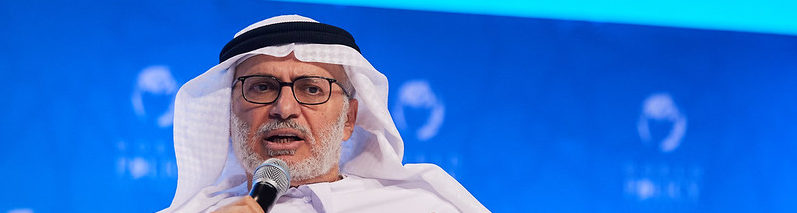
Earlier last week, Anwar Gargash, diplomatic adviser to the UAE president, told a conference in Abu Dhabi that there was uncertainty about the United States commitment to the region and concern over a “looming cold war” between Washington and Beijing.

He said the UAE is trying to manage long-running rivalries with Iran and Turkey through dialogue to avoid any new confrontations in the region as the Arab Gulf state homes in on its economy post COVID-19.

“We will see in the coming period really what is going on with regards to America’s footprint in the region. I don’t think we know yet, but Afghanistan is definitely a test and to be honest it is a very worrying test,” Gargash said.

“Part of what we need to do is manage our region better. There is a vacuum and whenever there is a vacuum, there is trouble,” he told the World Policy Conference.

The UAE has moved to reduce tensions by engaging with Qatar, Iran and Turkey, whose influence it had moved to counter in conflicts in Yemen, Libya and elsewhere in the region.

The UAE and Saudi Arabia believe the 2015 nuclear pact was flawed for not addressing Iran’s missiles programme and its network of regional proxies. The UAE has also moved to combat Islamist groups such as the Muslim Brotherhood which Gulf states see as a threat to their dynastic system of rule.

“Turkey’s recent re-examination of its policies towards Egypt, the Brotherhood and towards Saudi Arabia and others is very welcome. And I think for us to come mid-way and reach out is very important,” Gargash said.

“The Turks have been very positive about what we are saying to them,” he said. “Am I very positive about the reach out to Iran? Yes I am. Am I very positive that Iran will change its regional course? I have to say I am more realistic here, but I am betting Iran is also concerned about vacuum and escalation.”

Gargash said the pandemic placed non-political priorities at the forefront and that a main concern now was being caught in between the United States and China.

“We are all worried very much by a looming cold war. That is bad news for all of us, because the idea of choosing is problematic in the international system, and I think this is not going to be an easy ride,” he said.

Read the article on The Arab Weekly

Abu Dhabi, në konferencën “World Policy Conference”

*Fjala e Kryeministrit Edi Rama në Abu Dhabi në ceremoninë zyrtare të hapjes së konferencës “World Policy Conference”:

Të nderuar miq!

Siç mund ta përfytyroni, jam mes kryeministrave më të gjatë në botë, kështu që tundimi për të folur për botën është shumë i madh, por vendi im është mes vendeve më të vogla në botë. Kështu që nevoja për të folur për të është po kështu shumë e madhe.

Do të përpiqem t’i rezistoj tundimit dhe të përmbush këtë nevojë pa qenë i mërzitshëm e shpresoj në durimin tuaj për të patur një farë suksesi.

Unë besoj shumë fort se globalizmi është këtu e do të qëndrojë për aq kohë sa jetojmë në të njëjtin planet e ngrohemi nga i njëjti diell, për aq gjatë sa thellimi i ndërlidhjes sonë e varësia nga ajo është bërë e pandalshme.

Interesi ynë i mirëfilltë në bashkëpunimin përtej kufijve po bëhet më i madh, pavarësisht hezitimeve dhe refuzimeve dhe aksioni shumëpalësh duhet të jetë e të mbetet instrumenti i bashkëpunimit.

Problemet me të cilat përballemi sot bëhen për herë e çdo ditë më të ndërlidhura. Le të marrim ndryshimin e klimës e meqë ra fjala, të gjithë e dimë që ngrohja globale nuk është thjesht çështje e klimës, është çështje e zhvillimit, një çështje sigurie, çështje që ndikon në forcimin apo dobësimin e paqes botërore në tërësi dhe një çështje paqeje në shumë rajone. Një çështje me një ndikim mjaft afatgjatë, kështu që sa më efektivisht do të merremi me të, aq më mirë do të parandalojmë katastrofat natyrore, përmbytjet, rritjen e nivelit të ujërave, humbjen e tokës e kështu me radhë.

Sot, pandemia COVID-19, një çështje globale, ka marrë kaq shumë jetë, krahasuar dhe me humbjet në luftërat botërore. A jemi në gjendje të merremi të vetëm me këtë murtajë?

E kemi parë dhe përgjigja është natyrisht jo. E njëjta logjikë, në pikë vështrimin tim, shkon edhe për çështjen e sigurisë, për luftën kundër terrorizmit ndërkombëtar, luftën kibernetike, për sigurinë e furnizimit me ujë për të gjithë, për një zhvillim afatgjatë e të qëndrueshëm me synimin për të mos lënë askënd pas e me radhë.

Në këtë botë sfidash globale që janë po kështu dhe kohë të sfidave të besimit, kërkohet një qasje globale. Angazhimi i të gjithëve ne në strukturat që kemi ngritur është i nevojshëm, por sigurisht, përshtatja e këtyre strukturave për të përmbushur sfidat e sotme është një domosdoshmëri dhe jo në një mënyrë hegjemonike, por harmonike do të thoja.

Shqipëria beson se përtëritja e një angazhimi të thellë për të ndikuar veprimin shumëpalësh është shumë herë më i nevojshëm për të realizuar për paqen, demokracinë dhe të drejtat e njeriut. Në këtë kuadër, mbështesim fort agjendën ambicioze të reformës së Kombeve të Bashkuara dhe atë të Këshillit të Sigurimit. Në një angazhim të palëkundur ndaj parimeve të veprimit shumëpalësh, Shqipëria vitin e kaluar kryesoi OSBE-në duke dhënë kontribute afatgjata e të qëndrueshme për paqen, të drejtat e njeriut dhe barazinë.

Këshilli ministerial i Tiranës ra dakord për një sërë angazhimesh, për të luftuar krimin e organizuar ndërkombëtar, korrupsionin dhe parandalimin e torturës në rajonin e OSBE-së. Ne realizuam një ecuri mjaft të nevojshme në të gjitha dimensionet e sigurisë së OSBE-së dhe si besues të veprimit shumëpalësh në nivel global, Shqipëria do të jetë për herë të parë në historinë e saj të anëtarësisë në Kombet e  Bashkuara, një anëtare e Këshillit të Sigurimit të Kombeve të Bashkuara për periudhën 2022-2023. Të vetëdijshëm plotësisht për përgjegjësitë që na janë besuar nga familja e Kombeve të Bashkuara, ne do t’i sjellim Këshillit të Sigurimit këndvështrimin e një vendi të vogël, me një politikë të jashtme konstruktive dhe një angazhim të qëndrueshëm ndaj veprimit shumëpalësh. Me një grup njerëzish të njëjtë në mendim jemi përpjekur për të prezantuar një traktat kundër pandemisë, për t’u përballur siç duhet me pandemi të tilla kaq të kushtueshme.

Gjithashtu jemi të shqetësuar dhe për pasojat e infodemisë në kuadër të COVID-19 që mund të rrisin rrezikun e konflikteve, dhunës, shkeljes së të drejtave të njeriut dhe barbarive masive.

Na duhet një integrim më i madh për agjendën e zhvillimit të qëndrueshëm dhe me çështjet e paqes, sigurisë e të drejtave të njeriut. Shqipëria konsideron që arritja e këtyre objektivave të zhvillimit të qëndrueshëm dhe zbatimi i Agjendës 2030 është një përgjegjësi e përbashkët.

Ne jemi në të njëjtën linjë me politikat e BE-së dhe dokumentet ndërkombëtare dhe vendimet për të zhvilluar sektorin eneregjitik në mënyrë harmonike dhe miqësore me mjedisin.

Qeveria shqiptare ka nisur të reformojë sektorin e energjisë elektrike që prej vitit 2014 nëpërmjet masave të ndërmarra, për të plotësuar kuadrin ligjor dhe rregullator në përputhje me paketën e tretë të Bashkimit Europian për energjinë dhe në përputhje të plotë të direktivave të BE-së për energjinë. Ne jemi të përqendruar në diversifikimin e prodhimit të energjisë, mbështetur gjithmonë në energjitë e përsëritshme si atë diellore, të erës dhe natyrisht, kjo do të përmirësojë dhe kushtet aktuale ku prodhimi është pothuajse i mbështetur përgjithësisht në burimet ujore. Gjithashtu, qeveria do të miratojë planin e ri në përputhje me agjendën e komunitetit të energjisë për çkarbonizimin e sektorit të ekonomisë. Ky plan do të parashikojë prodhimin e energjisë në kapacitetet e instaluara në periudhën 2021-2030. Shqipëria pret që brenda kësaj dekade të bëhet një eksportuese neto e energjisë. Por duke folur për sfidat e kohëve tona në këtë qytet, nuk shmang dot pa folur për rolin si model i Emirateve të Bashkuara Arabe për bashkëpunimin shumëpalësh për paqen e të drejtat e njeriut. Marrëveshje mes Emirateve dhe Izraelit ishte një vazhdimësi pas kohërave të bllokimit, duke ndërmarrë një hap të jashtëzakonshëm për t’i shtrirë dorën një armiku historik. Emiratet drejtuan përmes shembullit atë çfarë bëhet në të ardhmen, jo duke harruar të shkuarën, por duke parë nga e ardhmja e duke e bërë të ardhmen bazë për t’u marrë me të shkuarën e për të mos e lënë të shkuarën të diktojë më të ardhmen. Ky zhvillim madhor në historikun e bërjes së paqes është burim i mirëfilltë frymëzimi për botën, si dhe për ne në rajonin e Ballkanit ku për një kohë kaq të gjatë, luftëra e konflikte të përgjakshme kanë parandaluar njerëz të kombeve të ndryshme që ta shohin veten si qenie njerëzore e të merren me njëri-tjetrin njerëzishëm.

Nga ana tjetër, ne Shqipëria, kemi përjetuar në vetë të parë solidaritetin e Emirateve pas tërmetit shkatërrues në nëntor të vitit 2019 ku 15 mijë familje humbën shtëpitë e tyre për më pak se një minutë. Sheiku Mohammed bin Zayed, Lartësia e tij ishte ndër të parët mes një numri të madh udhëheqësish ndërkomëbtarë që shprehën solidaritetin e tyre jo vetëm me fjalë, por dhe me vepra e falë tij dhe falë udhëheqjes së tij, një lagje krejt e re po ndërtohet për ato familje që humbën shtëpitë e tyre në këtë tragjedi.

Jam shumë krenar ta përmbyll këtë duke ju thënë se Shqipëria ka qëndruar fort në mbrojtje të afganëve në rrezik në vijim të ngjarjeve që ndodhën në Afganistan dhe në frymën e solidaritetit fola pak më parë se qeveria shqiptare mori përsipër angazhimin për të pritur deri në 4000 afganë. Është një numër shumë më i madh krahasuar me vende më të mëdha e më të pasura, kontributi i të cilave nuk u përputh me nivelin  e sfidës. Gjatë këtyre ditëve, shumë njerëz më kanë pyetur “pse”? Dhe përgjigja ime është shumë e thjeshtë: së pari, duke bërë një gjë të tillë, ne nderojmë historinë tonë dhe traditën tonë. Një prej faqeve më të mrekullueshme të historisë sonë është shpëtimi i hebrenjve gjatë Luftës së Dytë Botërore, kur Shqipëria qe i vetmi vend në Europë me më shumë hebrenj pas lufte se sa para saj, pasi askush, asnjë hebre nuk iu dorëzua nazistëve.

Së dyti, ne mund të mos jemi të pasur, por kujtesa jonë nuk mund të jetë e shkurtër. 30 vjet më parë afganët ishim ne kur në largim, në ikje nga ferri ynë, duke i ikur talebanëve tanë që nuk ishin fondamentalistë islamikë, por fondamentalistë stalinistë, na u desh aso kohe të kalonim detin e të shfaqeshim si alienë në brigjet e Italisë e të Europës e askush nuk e dinte madje as si dukeshim. E nëse nuk do të gjenim strehë, ndihmë dhe shpresë 30 vjet më parë, nuk do të ishim sot këtu, një vend me statusin e kandidatit për anëtarësim në BE, me aspiratën për t’u bërë një prej anëtarëve të Unionit.

Së treti dhe çka është më e rëndësishme, e bëmë sepse i detyrohemi fëmijëve tanë. Ata nuk duhen rritur në një mjedis ku u thuhet të mbyllin dyert, të jetojnë në frikë, t’u kthejnë kurrizin atyre që janë në nevojë. Ata duhet të mësojnë përmes veprave, jo fjalëve, se në këtë jetë ka një kohë kur kërkon, e ka një kohë kur duhet të japësh. Faleminderit shumë!

*Përkthim simultan

Read the speech on the Albanian Prime Minister’s Office website

世界政策会議、第14回開催 (World Policy Conference, 14e tenue) ビジネスの「米中分断」議論

21.10.2021

アラブ首長国連邦(UAE)のアブダビで10月上旬、著名シンクタンクのフランス国際関係研究所(IFRI)が主催する国際会議「世界政策会議(WPC)」が開かれた。産官学の登壇者が議論の中心としたのは米中の覇権争いで、世界のデカップリング(分断)がビジネスに及ぼす影響の行方についても発言が相次いだ。

世界政策会議は2021年で14回目。約300人が参加し、スイス・ダボス会議のようにテーマごとに議論する形

Article for subscribers only

Read the article on Nikkei

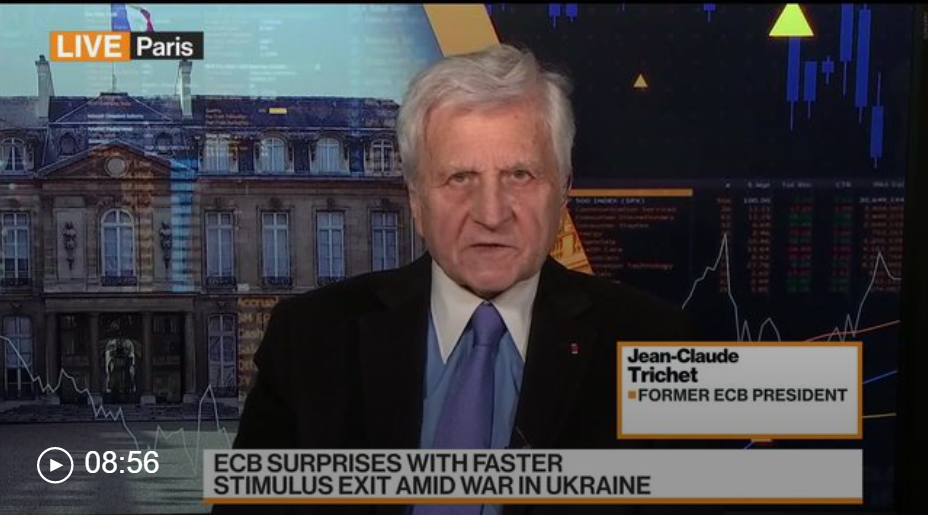
ECB元総裁、仏・南欧は「債務削減を」火種に懸念

20.10.2021

欧州中央銀行(ECB)のジャンクロード・トリシェ元総裁は、新型コロナウイルス対策によってフランスや南欧で政府債務残高が急増していることに「コロナ禍が終わったら、目に見える形で債務を減らしていかなければいけない」と警鐘を鳴らした。先進国の債務は高止まりするとの見方があり、次の経済危機の火種になり得るとして危機感を示した。

シンクタンクのフランス国際関係研究所(IFRI)が主催する「世界政策会議」(W…

Article for subscribers only

Read the article on Nikkei

ÉAU : Le PM ivoirien a rencontré Sheikh Shakhbout bin Nahyan Al Nahyan

06.10.2021

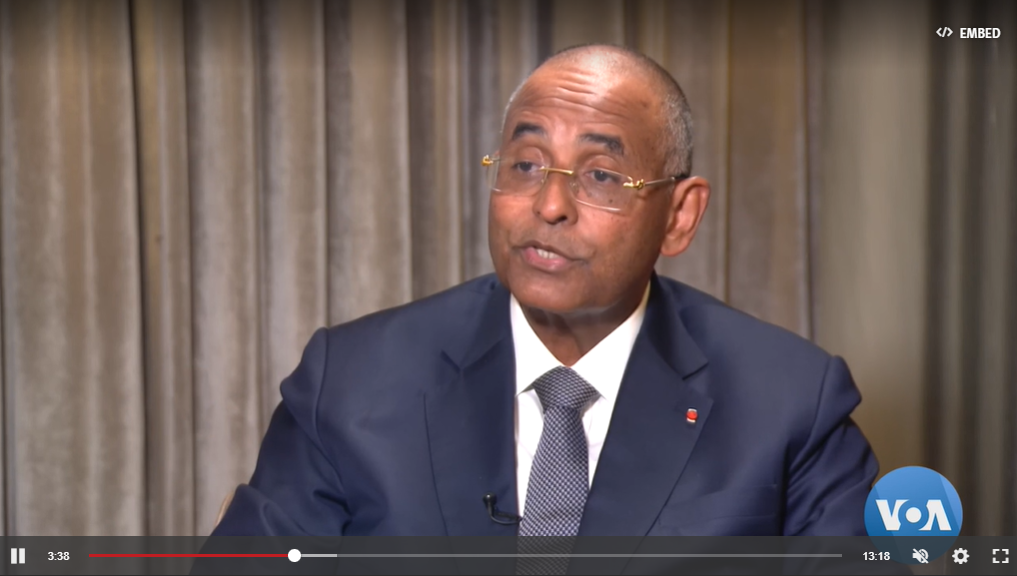
Sheikh Shakhbout bin Nahyan Al Nahyan, ministre d’État, a reçu Patrick Achi, Premier ministre de Côte d’Ivoire, pour discuter des moyens de renforcer les relations bilatérales et d’une multitude de questions d’intérêt mutuel. Le Premier ministre ivoirien est à Abou Dhabi pour participer à la World Policy Conference. Sheikh Shakhbout a déclaré que les relations entre les Émirats arabes unis  (ÉAU) et la Côte d’Ivoire progressaient régulièrement, notant un énorme potentiel et des opportunités pour les faire avancer dans le meilleur intérêt des deux pays.

ÉAU et PM ivoirien

Sheikh Shakhbout bin Nahyan Al Nahyan, ministre d’État, a reçu Patrick Achi, Premier ministre de Côte d’Ivoire, pour discuter des moyens de renforcer les relations bilatérales et d’une multitude de questions d’intérêt mutuel.

Le Premier ministre ivoirien est à Abou Dhabi pour participer à la World Policy Conference.

Sheikh Shakhbout a déclaré que les relations entre les Émirats arabes unis  (ÉAU) et la Côte d’Ivoire progressaient régulièrement, notant un énorme potentiel et des opportunités pour les faire avancer dans le meilleur intérêt des deux pays.

Pour sa part, Patrick Achi a exprimé sa fierté de la relation forte qui lie son pays aux Émirats Arabes Unis, soulignant qu’il existe de nombreuses opportunités de faire avancer les relations bilatérales.

Lire l’article sur Intellivoire

14ème édition de la World Policy Conférence : le Premier Ministre Patrick Achi plaide pour un financement important des économies africaines


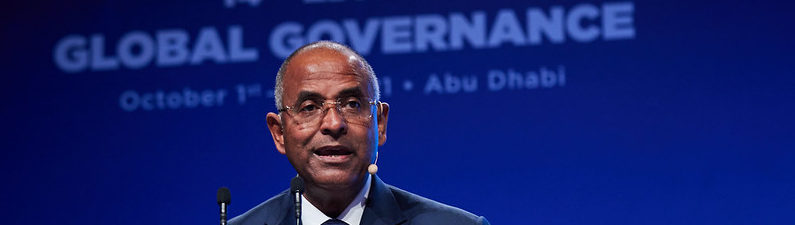
A l’ouverture de la 14ème édition de la World Policy Conference, le 1er octobre 2021 à Abu Dhabi (Émirats Arabes Unis), le Premier Ministre ivoirien, Patrick Achi, a plaidé pour un financement important des économies africaines.

« Les pays du continent sont dans une situation post-Covid encore plus exigeante avec la baisse tendancielle de la croissance. Il faut permettre aux pays africains d’accéder à des ressources de grande ampleur et à faible coût », a déclaré Patrick Achi.
Selon le Chef du gouvernement, ces ressources permettront d’investir dans les secteurs sociaux et dans les infrastructures, afin de créer un écosystème favorable à l’accélération du développement de l’Afrique.

Source : CICG GouvCI

Lire l’article sur Abidjantv.net

14ème édition de la World Policy Conference : le Premier ministre Patrick Achi plaide pour un financement important des économies africaines

02.10.2021

Abidjan, le 02 octobre 2021 – A l’ouverture de la 14ème édition de la World Policy Conference, le 1er octobre 2021 à Abu Dhabi (Émirats Arabes Unis), le Premier Ministre ivoirien, Patrick Achi, a plaidé pour un financement important des économies africaines.

« Les pays du continent sont dans une situation post-Covid encore plus exigeante avec la baisse  tendancielle de la croissance. Il faut permettre aux pays africains d’accéder à des ressources de grande ampleur et à faible coût », a déclaré Patrick Achi.

Selon le Chef du gouvernement, ces ressources permettront d’investir dans les secteurs sociaux et dans les infrastructures, afin de créer un écosystème favorable à l’accélération du développement de l’Afrique.

Lire l’article sur le portail officiel du gouvernement de Côte d’Ivoire

14ème édition de la World Policy Conference : le Premier ministre Patrick Achi à Abu Dhabi

01.10.2021

Abidjan, le 1er octobre 2021 – Le Premier Ministre, Patrick Achi, s’est rendu le 30 septembre 2021, à Abu Dhabi (Émirats arabes unis) pour prendre part à la 14ème édition de la World Policy Conference (WPC) qui se tient du 1er au 3 octobre 2021

Patrick Achi qui représentera le Président Alassane Ouattara prononcera un discours à cette importante rencontre qui réunit les décideurs et chercheurs de haut niveau du monde.

Cette réunion a pour but d’aider tous les publics concernés à porter une réflexion éclairée à une époque de bouleversements incessants.

Créée en 2008, la World Policy Conference a pour mission de contribuer à promouvoir un monde plus ouvert, plus prospère et plus juste. Cela suppose un effort permanent pour comprendre la réalité des forces en jeu et leurs interactions, et pour réfléchir à l’adaptation pacifique de l’organisation des rapports interétatiques à tous les niveaux, dans le respect de la culture et des intérêts fondamentaux de chaque nation.

Le Président de la République a participé à la 5ème édition de la World Policy Conference à Cannes, en 2012. Et y a été représenté par feu le Premier Ministre Amadou Gon Coulibaly aux 11ème et 12ème éditions en 2018 et 2019.

Lire l’article sur le portail officiel du gouvernement de Côte d’Ivoire

Le « dieselgate » de la finance verte

18.10.2021

Chronique par Sophie Fay

On a longtemps cru que la technologie et la finance devaient nous sortir par le haut de la crise climatique, sans trop de douleur ou de décroissance. Mais de récentes études ont démontré que ça n’était pas si simple…

Etonnante scène à la World Policy Conference début octobre. Comme tous les ans, ce raout réunissait des responsables politiques, diplomates, chercheurs ou économistes plutôt « solutionnistes », convaincus que la technologie et la finance devraient nous sortir par le haut de la crise climatique, sans trop de douleur ou de décroissance. L’édition 2021 de la conférence se tenait à Abu Dhabi où, plus que partout ailleurs, on s’accroche à ce dogme. Or, dès la première table ronde, patatras ! Bertrand Badré, ancien directeur financier de la Société générale, du Crédit agricole puis de la Banque mondiale, connu pour être l’un des premiers apôtres de la finance verte, a douché tous les espoirs de l’assistance :

« Au moment de l’accord de Paris, en 2015, on pensait qu’avec quelques milliers de milliards d’euros par an dédiés à la transition climatique, la main invisible du marché permettrait de freiner le réchauffement en douceur. Mais force est de constater que ça ne suffit pas. L’objectif est en réalité […]

Article réservé aux abonnés

Lire l’article sur L’Obs

Cet islamisme armé qui gagne du terrain en Afrique

07.10.2021

By  Nicolas Beau

La 14e édition annuelle de la conférence sur la gouvernance mondiale (World Policy Conférence, WPC), qui s’est tenue le week-end dernier à Abou Dhabi à l’initiative de l’Institut français des Relations internationales (IFRI), a consacré l’un de ses ateliers de travail à la situation du continent africain, gravement menacé par un jihadisme islamique qui gagne du terrain.

Abou Dhabi de Michel Touma 

La 14e édition de la conférence internationale sur la gouvernance mondiale, organisée par l’Institut français des Relations internationales (IFRI), a achevé ses travaux dans la soirée de dimanche dernier, 3 octobre, au terme de trois journées intenses de conférences, de tables rondes et de débats qui se sont tenus à l’Emirates Palace d’Abou Dhabi (Emirats arabes unis).

Ces assises, qui ont regroupé près de 200 personnalités de haut-rang venues des quatre coins de la planète, ont été marquées par nombre d’interventions importantes dont, notamment, celle de la secrétaire générale de l’Organisation internationale de la Francophonie (OIF), Louise Mushikiwabo (du Rwanda), qui a notamment exposé la ligne de conduite de l’OIF, mettant l’accent sur la dimension socio-politique de l’action de l’organisation francophone.

Soulignant que l’OIF comprend 88 pays, dont 33 du continent africain et 19 membres de l’Union européenne, Mme Mushikiwabo a indiqué que sa démarche dans le cadre de sa fonction, qu’elle a prise en charge le 1er janvier 2019, repose sur trois piliers : l’égalité entre l’homme et la femme ; le devenir des jeunes ; et le développement du secteur numérique. La responsable de l’OIF a relevé en outre que les relations entre les pays du Sud sont aujourd’hui régies, plus particulièrement, par les problèmes de sécurité.

La menace terroriste

Les questions en rapport avec la sécurité ont été surtout soulevées au cours d’un atelier de travail consacré à la situation de l’Afrique, sous l’angle des enjeux et défis auxquels est confronté le continent africain.

Le vice-président de l’Assemblée nationale du Sénégal et ancien ministre des Affaires étrangères, cheikh Tidiane Gadio (également président de l’Institut panafricain de Stratégies, Paix-Sécurité-Gouvernance), a titré la sonnette d’alarme concernant le danger sécuritaire qui plane sur l’Afrique, relevant que le terrorisme entretenu par les courants jihadistes islamiques ne cessent de gagner du terrain dans certaines zones d’Afrique. « La mouvance islamiste s’est fixée pour objectif de proclamer d’ici 2025 le califat islamique » dans les régions que les jihadistes auront conquises dans le continent africain, a affirmé cheikh Gadio qui a souligné que « le terrorisme est le danger premier qui plane sur l’Afrique ».

Stigmatisant en des termes très sévères les exactions commises à diverses occasions par les jihadistes, le responsable sénégalais a déclaré sur ce plan que « ce qui se passe en Afrique est inacceptable ». « Nous ne pourrons pas développer le continent sans régler au préalable le problème de la sécurité », a-t-il ajouté. Il a vivement stigmatisé à cet égard le laxisme et le silence des instances panafricaines. « C’est l’absence de leadership au niveau du continent qui est responsable de la situation actuelle, a-t-il lancé. L’un des principaux problèmes est l’absence de leadership. Aucun pays africain n’émerge réellement. Il est devenu nécessaire de créer de nouveaux organismes, de nouvelles institutions panafricaines car les institutions actuelles ont atteint leur niveau d’incompétence ».

Un diagnostic largement partagé

Le point de vue de cheikh Gadio a été partagé par d’anciens hauts responsables officiels africains participant à l’atelier de travail. L’ancien Premier ministre du Bénin, Lionel Zinsou, a ainsi confirmé que le danger terroriste s’aggrave du fait que les courants jihadistes gagnent effectivement du terrain. Il a reconnu par ailleurs l’inefficacité des institutions panafricaines, dont l’Organisation de l’Unité africaine (OUA). Il a tenu toutefois à apporter une certaine note quelque peu optimiste, malgré tout, précisant que le taux de croissance dans certains pays africains est assez élevé (entre 5 et 7 pour cent). « Nous avons assisté à un progrès majeur sur le plan de la gouvernance depuis la pandémie », a notamment déclaré dans ce cadre Lionel Zinsou.

Les problèmes de sécurité, perçus sous l’angle de l’instabilité politique, ont été évoqués également par l’ancien ministre des Affaires étrangères et ancien président de la Cour constitutionnelle du Bénin, Robert Dossou (actuellement président de l’Association africaine de droit international), qui a dénoncé « les putschs qui se poursuivent en Afrique, malgré la position officielle de l’OUA qui rejette de telles actions ». Il a d’autre part relevé, en se livrant à une digression, que « les Emirats arabes unis sont sans doute l’un des rares pays au monde à avoir créé un ministère de la tolérance et de la coexistence ».

Un point de vue européen

L’ancien présidente de la commission des Affaires étrangères à l’Assemblée nationale française et présidente de la fondation Anna Lindh pour le dialogue des cultures euro-méditerranéennes, Elisabeth Guigou, a exposé de son côté un point de vue européen sur la situation du continent africain, soulignant qu’il fallait aborder des questions concrètes à ce propos. « L’Afrique et l’Union européenne, a-t-elle déclaré, sont confrontées à des défis communs, et il est nécessaire de ce fait d’œuvrer ensemble afin de relever ces défis ».

Mme Guigou a indiqué dans ce contexte que « le nombre de jeunes qui arriveront sur le marché de l’emploi en Afrique sera deux fois plus grand que le nombre d’offres d’emploi ». « Tout dépendra de l’industrialisation, a-t-elle souligné dans ce cadre. Il faut promouvoir les investissements privés pour développer l’industrie et le marché de l’emploi à l’adresse des jeunes ».

Abondant dans le même sens, l’ancienne Premier ministre du Sénégal Aminata Touré a, elle aussi, mis l’accent sur l’importance de l’industrialisation dans l’optique d’une politique de développement du continent africain. « L’Afrique, qui regroupe 54 pays, est un continent très diversifié, a-t-elle relevé. Nous sommes confrontés à des défis communs, tels que les problèmes de développement. L’Afrique est un continent jeune, ce qui est un atout important. C’est un continent qui crée de la richesse et nous devons de ce fait commercer entre nous ».

Mme Touré a prôné, d’une manière plus spécifique, le développement d’une industrie pharmaceutique africaine. « Le confinement a montré que nous pouvons gérer nous-mêmes notre quotidien au plan sanitaire », a-t-elle souligné, mettant l’accent sur le fait que la pandémie n’a pas provoqué « l’hécatombe que l’on craignait, en dépit de notre système de santé déficient ». « Nous avons adopté avant les autres pays les mesures préventives nécessaires », a-t-elle indiqué, avant de mettre en évidence certaines avancées en termes de développement social, notamment pour ce qui a trait à l’éducation des filles.

L’ancienne responsable sénégalaise a déploré dans ce cadre le fait que les dirigeants africains ne savent pas « faire connaître nos succès ». « L’Afrique a une politique de communication lamentable », a dénoncé en conclusion Mme Touré. Une constatation qui pourrait se résumer en deux mots : l’Afrique, cette inconnue …

Lire l’article sur Mondafrique

Le G20 planche sur l’aide humanitaire à l’Afghanistan

12.10.2021

Les pays du G20 vont discuter de la poursuite de l’aide humanitaire aux Afghans et de l’opportunité de reconnaître le régime taliban.

La délégation des talibans a rencontré des dirigeants du Qatar, médiateur agrée entre Kaboul et Washington, avant de rencontrer leurs homologues américains à Doha ce week-end. (EPN/Newscom/SIPA)

Deux mois après la chute de Kaboul, les pays du G20 réunis mardi pour un sommet dédié à la situation en Afghanistan doivent trancher des questions difficiles. Faut-il maintenir l’aide à la population afghane alors que l’hiver approche ? Est-il opportun de reconnaître officiellement le régime taliban ? En échange de quelles garanties ?

Invité de France Inter la semaine dernière, Emmanuel Macron a évoqué la nécessité de poser «nos conditions à la reconnaissance des talibans ». Cela concerne aussi bien les Européens que les Américains, la Chine, la Russie, les grandes puissances d’Afrique, d’Asie Pacifique et d’Amérique latine, a-t-il précisé. Par ses propos, il ouvre la porte à une possible reconnaissance du régime.

Kaboul en quêtes de reconnaissance internationale

Si les talibans y aspirent, ils ont peu de moyens de tenir d’éventuelles promesses. Le nouveau régime est encore instable, avec plusieurs forces rivales en son sein et il est également menacé par Daech, réseau djihadiste international rival d’Al-Qaida, qui est resté proche des talibans. Lundi, à Kaboul, une nouvelle alerte était donnée en raison de menaces d’attentats sur les hôtels de la capitale. Vendredi, plus de 55 personnes ont été tuées dans un attentat suicide dans une mosquée chiite de Kunduz revendiqué par la branche locale de Daech.

Pour la première fois ce week-end, les Etats-Unis ont repris langue avec les talibans au Qatar pour aborder les questions sécuritaires, l’aide humanitaire américaine et les droits humains, en particulier l’intégration des femmes et des filles dans la société afghane. La délégation américaine a rappelé « que les talibans seraient jugés sur leurs actions, pas seulement leurs paroles ». «Une question centrale touche à la rupture tangible des liens avec Al-Qaida», rappelle Marc Hecker, auteur de « La guerre de vingt ans » avec Elie Tenenbaum.

Si la Chine, l’Iran et la Russie sont toujours présents en Afghanistan, la plupart des pays ont pris leur distance et personne n’a reconnu le nouveau régime. L’Inde est très inquiète de l’influence du Pakistan, dont les services secrets ISI sont réputés être le véritable parrain des talibans. Et Moscou, qui a toujours maintenu le dialogue, s’inquiète d’une contagion terroriste dans les pays limitrophes de l’Afghanistan qui sont sous son influence. « La Russie n’aime pas les régimes religieux. Si elle reconnaît les talibans, c’est une cartouche qu’elle ne peut tirer qu’une fois », a observé la chercheuse de l’Ifri Tatiana Kastouéva-Jean, lors de la World Policy Conference début octobre à Abou Dhabi. Pour le commissaire européen à la justice Didier Reynders, également présent à la WPC, « il faudrait continuer l’aide humanitaire et s’en servir pour faire respecter les droits de l’homme ». Des émissaires européens vont rencontrer les talibans pour la première fois ce mardi.

Des menaces de famine

Ceux-ci ont d’autant plus besoin de cette aide qu’ils peinent à faire repartir l’économie. L’aide internationale, qui représente les trois quarts des recettes publiques, n’arrive plus qu’au compte-gouttes, car les Occidentaux, de loin les principaux bailleurs, veulent obtenir la garantie qu’elle bénéficiera aux 38 millions d’Afghans et non au seul régime. Les avoirs internationaux du pays, évalués à 9 milliards de dollars, sont gelés et les caisses de la Banque centrale sont vides, pour des raisons en partie antérieures à l’arrivée au pouvoir des talibans. Au vu de la pénurie de devises et de liquidités, les autorités ont limité les retraits bancaires. Les fonctionnaires ne sont plus payés depuis des mois, le système de santé est au bord de l’effondrement et un tiers de la population afghane est menacé de famine, selon les Nations unies. Les prix du blé et du riz flambent depuis deux mois.

Malgré divers gisements prometteurs, mais peu exploités, de métaux, l’Afghanistan, peu doté en industries, est un des pays les plus pauvres du monde avec un PIB par habitant inférieur à 500 dollars. Il figure parmi les dix pays les plus mal classés de la planète selon de nombreux indicateurs, dont le développement, la mortalité infantile, l’espérance de vie et l’alphabétisation.

Virginie Robert et Yves Bourdillon

Lire l’article sur Les Echos

USA-Chine : un sommet virtuel entre Joe Biden et Xi Jinping pour la fin de l’année

06.10.2021

Deux émissaires des gouvernements américains et chinois se sont rencontrés mercredi à Zurich pour la première fois depuis le dialogue glacial en Alaska en mars dernier. Les positions se durcissent sur le commerce aussi bien que sur Taïwan. Mais un sommet virtuel entre Joe Biden et Xi Jinping est désormais prévu pour la fin de l’année.

La secrétaire au commerce, Katherine Tai, dénonce le peu d’avancée de la Chine sur ses réformes commerciales. (Pete Marovich/Pool via REUTERS)

Le commerce et Taïwan. Trois jours après que l’administration Biden a dévoilé sa nouvelle stratégie commerciale face à la Chine, et alors que les avions chinois survolent par dizaines la zone d’identification taïwanaise, le conseiller à la sécurité nationale de la Maison-Blanche, Jake Sullivan, a discuté mercredi en Suisse avec le chef de la diplomatie chinoise, Yang Jiechi. C’était la première rencontre de haut rang depuis l’échange téléphonique du 9 septembre entre Joe Biden et Xi Jinping, les équipes des deux chefs d’Etat ne s’étant pas parlé depuis la rencontre glaciale en Alaska il y a sept mois. Et elle a abouti sur un accord de principe pour un sommet virtuel entre Joe Biden et Xi Jinping à la fin de l’année.

Durcissement sur la Chine

Les tensions sont aussi fortes que lors de la précédente administration Trump. « Sur la Chine, notre approche va se durcir. Depuis la conclusion d’un accord bilatéral entre nos deux pays, les engagements chinois n’ont pas cessé de se réduire », a indiqué la représentante américaine au Commerce, Katherine Tai, lors d’une rencontre mercredi avec la presse française. Présente à Paris dans le cadre d’une réunion sur le commerce à l’Organisation pour la coopération et le développement économiques (OCDE), elle espère pouvoir s’entretenir bientôt avec ses homologues chinois.

Lundi, lors d’un discours devant le Center for Strategic and International Studies (CSIS), elle avait donné le ton : « Nous continuons d’avoir de sérieuses inquiétudes concernant les pratiques commerciales centrées sur des entreprises d’Etat et non sur l’économie de marché. […] Pendant trop longtemps, le manque d’adhésion de la Chine aux normes commerciales mondiales a sapé la prospérité des Américains […] Il est de plus en plus clair que les plans de la Chine n’incluent pas de réformes significatives pour répondre aux préoccupations » des Etats-Unis.

Un exemple ? L’acier. La Chine assure près de 60 % de la production mondiale d’acier. Elle en produit plus en un seul mois que les Etats-Unis et la plupart des autres pays du monde n’en produisent en une année entière. « Nous voulons construire sur notre collaboration du sommet Etats-Unis-UE qui a donné un cadre au différend Boeing-Airbus. Le sommet de Pittsburg (TTC) montre que nous pouvons travailler ensemble. C’est dans ce même esprit que nous voulons répondre aux surcapacités de production d’acier et d’aluminium », affirme Katherine Tai.

Exemptions

La fermeté n’empêche pas un certain pragmatisme américain. Mardi, l’administration Biden a indiqué qu’elle allait octroyer au cas par cas des exemptions de droits de douane frappant des produits chinois s’il n’existe aucune alternative aux importations. Sous l’administration Trump, plus de 2.200 exemptions avaient été accordées puis 549 avaient été prolongées. « La plupart de ces exemptions ont expiré au 31 décembre 2020 », a indiqué l’USTR, d’où un nouvel examen des demandes des entreprises. Ces dernières disposent de 50 jours à compter du 12 octobre pour justifier leur demande.

Pour faire de la Chine une superpuissance en 2049, « Xi Jinping mène une politique de développement économique d’Etat de plus en plus marquée à gauche tandis que sa politique étrangère vire sur la droite », constate Kevin Rudd, directeur de l’Asia Society. « Le nationalisme chinois devient plus important au fur et à mesure que la croissance ralentit », a-t-il expliqué lors de la World Policy Conference à Abou Dhabi samedi dernier. « Si Xi Jinping est reconduit, on verra une Chine de plus en plus ferme vis-à-vis de Taïwan, de la mer de Chine orientale, envers ses voisins et les institutions multilatérales. » L’ancien Premier ministre australien ne prévoit pas de mouvement vers Taïwan « avant la fin de la décennie, quand la Chine estimera qu’elle aura alors l’avantage du rapport de force sur les Etats-Unis ». Mais il est clair, pour beaucoup d’experts, que Xi Jinping souhaite parvenir à réintégrer Taïwan et que cela doit être sa marque dans l’histoire.

L’invasion redoutée de Taïwan

Mercredi, de retour du Michigan, Joe Biden a affirmé devant la presse que lui et Xi Jinping étaient convenus de respecter « l’accord de Taïwan ». La Maison-Blanche a par la suite précisé qu’il s’agit d’une série de communiqués échangés au cours des quarante dernières années qui reconnaissent la République populaire de Chine comme le seul gouvernement légal du pays sans toutefois jamais préciser la question de la souveraineté taïwanaise. Mardi, la présidente de Taïwan, Tsai Ing-wen, a redit dans « Foreign Affairs » que la chute de l’île « serait catastrophique pour la paix régionale et le système démocratique d’alliance » en acceptant la victoire de l’autoritarisme. Son ministre de la Défense prédit que Pékin aura les moyens de monter une invasion dès 2025.

Virginie Robert et Richard Hiault

Lire l’article sur Les Echos

DIGITALIZATION IN KOREA: A PATH TO BETTER SHARED PROSPERITY?

Digitalization could open a new era of growth for Korea. Previous expansion waves, based on traditional industries, have fostered export-led growth and placed Korea among the world’s top ten economies. However, divides between industry and services, large and small firms, and regular and non-regular workers have widened. The economy was losing steam even before the COVID-19 crisis, as the working-age population started to decline, and productivity growth slowed. Digitalization offers huge opportunities to raise productivity economy-wide and to tackle inequality, but optimizing it for all requires appropriate policies, notably to enhance skills, adapt regulations, and create networks for technology diffusion and innovation.

Download the full study

Chine-Etats-Unis, la guerre froide qui menace la mondialisation

04.10.2021

par Sophie Fay

La World Policy Conference s’est tenue à Abou Dhabi du 1er au 3 octobre. Organisée par le fondateur de le l’Ifri (Institut français des relations internationales), elle fait dialoguer les puissances moyennes et pointe les risques d’une nouvelle guerre froide Chine-Etats-Unis

Les risques d'une guerre froide sino-américaine
Les risques d’une guerre froide sino-américaine © Getty / zhangshuang

A la World Policy Conference qui s’est tenue à Abou Dhabi, aux Emirats Arabes Unis, un sujet tournait en boucle : les tensions entre les Etats-Unis et la Chine

Cette conférence est organisée par Thierry de Montbrial, le fondateur de l’Ifri, l’Institut français des relations internationales. L’Ifri est un think tank français, c’est-à-dire un centre de recherche indépendant, qui essaie de nourrir la réflexion sur la politique étrangère.

Et sa conférence a un but bien particulier : elle veut faciliter le dialogue entre les puissances moyennes, pour les aider à exister et à peser dans la mondialisation.

Par puissances moyennes, l’Ifri entend la France et ses voisins européens, mais aussi les puissances du Golfe, les Etats africains, la Corée du Sud, le Japon ou l’Australie.

Il a donc été question de l’échec du “contrat du siècle” et de la décision de l’Australie d’acheter des sous-marins américains plutôt que français

« En réalité, le sujet ce n’était pas tant les sous-marins français -déjà passés au second plan- que ce qui a sous-tendu la décision australienne, à savoir :  la nouvelle guerre froide entre les Etats-Unis et la Chine et la pression que mettent les Etats-Unis sur leurs alliés pour qu’ils choisissent leur camp. »

Thierry de Montbrial redoute une forme de réciprocité chinoise. Ce qui entraînerait, selon son expression : une “politisation croissante de l’économie et de la finance, à travers la pratique des sanctions”.

Vous savez que les Américains manient volontiers les sanctions : ils imposent le boycott de certaines entreprises chinoises, comme Huawei, et veulent en interdire d’autres de la Bourse de New York.

Demain la Chine pourrait s’y mettre.

Car pour le fondateur de l’Ifri, “chacune des deux superpuissances veut développer son propre système mondialisé”, fermé, avec ses technologies, son cyberespace, ses ressources. Et pousser les Etats à choisir. Et ça commence, avec l’Australie qui choisit le camp américain, tandis que le Pakistan a choisi la sphère chinoise. 

Est-ce qu’il y a encore moyen de rester neutre ?

Ce n’est pas si facile. La Corée du Sud cherche un équilibre : elle ne veut pas de confrontation avec la Chine, mais elle compense en investissant plus aux Etats-Unis. Samsung, LG, SK et Hyundai vont y localiser des usines et revoir leurs chaînes d’approvisionnement : ça représente 35 milliards d’euros d’investissement.

L’ancien premier ministre australien – sans lien avec les sous-marins- excellent connaisseur de la Chine, Kevin Rudd, exhorte les Européens à tenir bon dans leur volonté de neutralité. Pour lui, l’Europe peut être l’arbitre, le médiateur, car les Chinois respectent son poids dans l’économie mondiale. Attention tout de même car ils sont de plus en plus présents en Europe centrale, avec leur carnet de chèque.

Écouter sur France Inter

مؤتمر السياسة العالمية في أبو ظبي.. قرقاش: « أخبار سيئة: حرب باردة تلوح في الأفق »


03.10.2021


  • كاترينا كادباشي (أراب نيوز)- سحر العراسي (الساحل الغربي)


يستضيف قصر الإمارات في أبو ظبي بين 1 و3 أكتوبر 2021 مؤتمر السياسة العالمية الذي تنظمه مؤسسة تييري دي مونبريال، في نسخته الرابعة عشرة.

قال مسؤول إماراتي رفيع المستوى للوفود في اليوم الثاني من المؤتمر الرابع عشر للسياسة العالمية في أبو ظبي ، إن المنافسة الاقتصادية والاستراتيجية بين الولايات المتحدة والصين تفرض ضغوطًا هائلة على دول الخليج العربي.

قال أنور قرقاش ، المستشار الدبلوماسي الرئاسي الإماراتي ووزير الدولة السابق للشؤون الخارجية ، إن التنافس الجيوسياسي يجبر دول المنطقة على اتخاذ خيارات مستحيلة فيما يتعلق بشراكاتهم الاستراتيجية والتجارية.

وحث قرقاش المجتمع الدولي على رفع صوته ضد مثل هذه الضغوط وعدم التحول إلى بيادق في حرب باردة جديدة. وقال يوم السبت « أعتقد أنه إذا وصلت هذه الرسالة إلى الصينيين والأمريكيين والآخرين ، أعتقد أن هذا ، في حد ذاته ، سيخلق ، كما يمكنني تسميته ، مجموعة أخلاقية ».

« نحن جميعًا قلقون للغاية من نشوب حرب باردة تلوح في الأفق. هذه أخبار سيئة لنا جميعًا لأن فكرة الاختيار مشكلة في النظام الدولي ، وأعتقد أن هذا لن يكون رحلة سهلة « .

لطالما كانت الإمارات ودول الخليج العربي الأخرى من الحلفاء المقربين للولايات المتحدة. ومع ذلك ، برزت الصين منذ ذلك الحين كلاعب اقتصادي قوي في المنطقة وعطشها للنفط الخام جعلها أكبر مشتر لدى الخليج ، مما وضع دوله في مأزق.

قال قرقاش: « سيكون هذا تحديًا كبيرًا لنا جميعًا ». « بالنسبة لنا هنا في الإمارات العربية المتحدة ، الولايات المتحدة هي شريكنا الاستراتيجي المهيمن ولكن الصين هي الشريك الاقتصادي الأول أو الثاني – مع الهند – الشريك الاقتصادي. »

على الرغم من أن الصينيين يقدمون فرصًا مربحة للشراكات التجارية ، إلا أن قرقاش ألمح إلى أن الإمارات تعتبر الأمريكيين حليفًا استراتيجيًا أكثر شفافية.

قال قرقاش: « ستظل الصين مهمة للغاية ». « في حين أن اتجاه أمريكا هو شيء يمكنك استخلاصه من قراءات ومؤتمرات ومناقشات مختلفة ، أعتقد أن فهم اتجاه الصين أكثر غموضًا. »

ما بدأ كحرب تجارية على السياسات الاقتصادية للصين تطور منذ ذلك الحين إلى صدام بين أيديولوجيات مختلفة ، مما أدى إلى تصاعد التوترات في بحر الصين الجنوبي والانقسامات بين الولايات المتحدة وحلفائها الأوروبيين التقليديين.

تراجعت العلاقات الثنائية بين الولايات المتحدة والصين في عام 2018 عندما فرض الرئيس آنذاك دونالد ترامب تعريفات عقابية على الصين. تبع ذلك قيود على وصول الصين إلى منتجات التكنولوجيا الأمريكية والاستثمارات الأجنبية التي تنطوي على مخاوف أمنية ومزاعم عن ممارسات تجارية صينية غير عادلة.

منذ ذلك الحين ، قام الرئيس جو بايدن بتضخيم سياسات سلفه من خلال تعزيز التحالفات المناهضة للصين وتنفيذ عقوبات إضافية. بالاقتراض من كتاب الحرب الباردة ، وصف بايدن الصراع بين الولايات المتحدة والصين بأنه « معركة بين منفعة الديمقراطيات في القرن الحادي والعشرين والأنظمة الاستبدادية ».

يعتقد المحللون أن التوترات بين الولايات المتحدة والصين مدفوعة بدرجة أقل بالحقائق الاقتصادية ، بل هي مدفوعة بشكل أكبر بتنافس القوى العظمى – والتي تفاقمت بسبب انعدام الثقة المتبادل بشأن الأهداف الاستراتيجية لبعضهما البعض.

وسلط قرقاش الضوء على تأثير جائحة COVID-19 على الشؤون الدولية ، قائلاً إنه يوضح الحاجة إلى تعاون أكبر بدلاً من المواجهة.

وقال: « إننا نرى بالفعل أبعادًا متعددة للتغييرات في النظام الدولي ». « أعتقد ، من ناحية ، أن الوباء يجعل من الواضح جدًا أن أولوياتنا الجيوستراتيجية لا يجب أن تكون سياسية فقط … ولكن يمكن أن تكون حول قضايا أخرى.

« سيحتاج ، في الواقع ، منا جميعًا ، إلى فهم … أن المواجهة ليست الطريق إلى الأمام ، والتواصل هو السبيل إلى الأمام. »

« هذا لا يعني أننا سنكون قادرين على تغيير تصور إيران لدورها في المنطقة ، أو تصور تركيا لدورها في المنطقة ، أو كيف نرى العالم العربي وكيف يجب أن يعود إلى منطقة إقليمية أكثر حيوية. لكن في نفس الوقت أعتقد أننا بحاجة إلى أن نفهم أيضًا أنه من المهم للغاية أن نتجنب المواجهات « .

Read the article on Al Sahil

Solutions to global challenges discussed
05.10.2021

Solutions to global challenges discussed: A number of ministers and officials from the United Arab Emirates participated in the World Policy Conference, hosted in Abu Dhabi, to share the geopolitical, cultural, and economic priorities of the country.
Founded in 2008 by Thierry de Montbrial, Chairman of the French Institute of International Relations, the World Policy Conference held its fourteenth edition from October 1-3, 2021 in the UAE for the first time. The World Policy Conference brings together top-level decision-makers, academics, and opinion leaders from over 40 countries to discuss solutions to contemporary global challenges and forge bonds between key international actors.

UAE officials participating in the World Policy Conference included Dr. Anwar Gargash, Diplomatic Advisor to President His Highness Sheikh Khalifa Bin Zayed Al Nahyan and UAE officials from the Ministry of Foreign Affairs and International Cooperation; Sheikh Shakhbout Bin Nahyan Bin Mubarak Al Nahyan, Minister of State; Khalifa Shaheen Almarar, Minister of State; Reem Bint Ibrahim Al Hashemy, Minister of State for International Cooperation; and Salem Mohammed Al Zaabi, Director of the International Security Cooperation Department at the Ministry of Foreign Affairs and International Cooperation.

Dr Gargash participated in a discussion with Thierry de Montbrial on geopolitical issues on Saturday, October 2. During his participation, Gargash addressed regional and international challenges, noting “Confrontation is not the way forward. Rather, conversation is the way forward. The UAE is exerting all efforts to maintain dialogue between states. The Abraham Accords are emblematic of this: the Accords have been a success in breaking the psychological barrier to peace and strengthening the economic and people-to-people benefits that all can reap.”

“The UAE has historically played a significant role as a mediator and facilitator, and our priority is on maintaining the fabric of trust in the international community in order to encourage positive engagement between states,” Dr Gargash added.

In his participation in a workshop on Africa held on Saturday, Sheikh Shakhbout Al Nahyan reviewed the UAE’s efforts to strengthen partnerships throughout the African continent, pointing to the ways in which the UAE has expanded economic and political relations with African states in recent years.

Sheikh Shakhbout remarked, “We are excited to enter a new era, post COVID-19, when we will be able to build stronger partnerships across Africa with the hopes of creating a better future for our countries and regions a future built on stability, security, and sustainability. We understand that the only way to achieve this is through dialogue, open channels of communication, the exchange of information and knowledge, and above all, the development of strategic partnerships that are mutually beneficial.”

Almarar, during a session entitled “Middle East and External Powers” held on Sunday, October 3, underscored the UAE’s commitment to reinforcing regional stability and security through a multilateral, rules-based approach in coordination with its international partners.

In his remarks, Almarar stated, “We have to acknowledge that there are legitimate concerns and legitimate interest among world powers in the development of the Middle East insofar as security and stability are concerned There is consensus among Arab countries that any malicious intervention in crises in the region can make a very complex situation more complex. Therefore, we feel it is necessary to promote stability, security, and the peaceful resolution of conflicts.”

Al Hashemy attended virtually to highlight the UAE’s hosting of Expo 2020 Dubai, stating, “I am proud to share with you all that yesterday’s opening of Expo 2020 Dubai was one that exemplified the years of hard work and aspirations of the UAE and all participating countries and organizations. With 192 participating countries, Expo 2020 Dubai will act as a global platform dedicated to bringing people, nations, and communities together to build bridges, enable action, and inspire real-life solutions to real-world challenges for the first time since the beginning of the pandemic.

Read the article on Gulf Today

UAE stands as peacemaker between countries, says Gargash

Communication is the way forward, not confrontation, he said  

By Ashwani Kumar, Khaleej Times

The UAE has been playing a constructive role in de-escalating tensions between countries, said Dr Anwar bin Mohammed Gargash, Diplomatic Adviser to the UAE President.

At World Policy Conference 2021, Gargash revealed that His Highness Sheikh Mohamed bin Zayed Al Nahyan, Crown Prince of Abu Dhabi and Deputy Supreme Commander of the UAE Armed Forces — as a good friend — had once called Indian Prime Minister Narendra Modi and Pakistani Prime Minister Imran Khan to de-escalate tension.

“I remember the confrontation between India and Pakistan, a couple of years ago…We were on a trip with His Highness Sheikh Mohamed bin Zayed. Sheikh Mohamed understands that the issues between India and Pakistan are deep historical issues, and they are very emotional and very emotive, etc. But he can do one thing and that’s what he did. He called Prime Minister Modi and Prime Minister Khan and spoke to them as a friend and urged de-escalation without really going to the core issue,” said Gargash.

He pointed out that the world is worried about a looming US-China cold war.

“And I think for countries, like all of us here present in this hall, that is bad news for all of us, because the idea of choosing is problematic in the international system,” he said during a plenary session.

He said the UAE’s concern extends beyond the US-China issue, which impacts its other partners.

“The UAE has core economic and strategic relations with India, Korea and Japan. And all these three countries have their own rivalries and problems with China. So, it’s not only recalibrating Chinese-American relations but many other relations. For a country like us, our size, we are very concerned about this looming cold war. I hope we don’t get to that. Although realistically, all the signals are not very encouraging.”

Talking about the regional level, Gargash said the areas of potential confrontation are still present.

“It will need from all of us an understanding that confrontation is not the way forward. Communication is the way forward. It is extremely important that we avoid confrontations and even though the road towards communication is longer and frustrating, we really have no other option.”

He added: “We need to manage our region better, because there is a vacuum. And wherever there is a vacuum, there is trouble. So, it is essential for us that we avoid vacuums, talk and communicate. And to understand that talking and communicating don’t necessarily mean that we will change certain policies but we do need this de-escalation.

Read the article on Zawya

UAE ministers wrap up World Policy Conference in Abu Dhabi

04.10.2021

Ministers and officials share the country’s priorities at event held in the UAE for the first time


Sheikh Hazza bin Zayed, Vice Chairman of the Abu Dhabi Executive Council meets Paul Kagame, President of Rwanda, during the World Policy Conference in Abu Dhabi. Photo: Hamad Al Kaabi / Ministry of Presidential Affairs —

Sarah Forster

UAE ministers and officials have taken part in the World Policy Conference hosted in Abu Dhabi.

The conference brings together decision makers and academics from more than 40 countries.

It is the first time the event has been held in the UAE and attendees took the opportunity to share geographical, cultural and economic priorities of the country, Wam state news agency reported.

Participating on behalf of the Emirates were Dr Anwar Gargash, diplomatic adviser to the President, Sheikh Khalifa, and other senior officials.

These included Ministers of State Sheikh Shakhbut bin Nahyan and Khalifa Al Marar, Reem Al Hashimy, Minister of State for International Co-operation and director general of Expo 2020 Dubai, and Salem Al Zaabi, Director of the International Security Co-operation Department at the Ministry of Foreign Affairs and International Co-operation.

Dr Gargash spoke about regional and international challenges in a discussion with the event’s founder on Saturday.

« Confrontation is not the way forward. Rather, conversation is the way forward, » he said.

« The UAE is exerting all efforts to maintain dialogue between states.

« The Abraham Accords are emblematic of this. The Accords have been a success in breaking the psychological barrier to peace and strengthening the economic and people-to-people benefits that all can reap. »


Sheikh Hazza bin Zayed Al Nahyan, Vice Chairman of the Abu Dhabi Executive Council meets Edi Rama, Prime Minister of Albania, during the World Policy Conference. Also present are Sheikh Nahyan bin Mubarak, Minister of State for Tolerance and Ahmed Ali Al Sayegh, Minister of State. Hamad Al Kaabi / Ministry of Presidential Affairs

Dr Gargash added that the UAE has historically played the role of mediator and facilitator.

« Our priority is on maintaining the fabric of trust in the international community in order to encourage positive engagement between states, » he said.

Sheikh Shakhbut participated in a workshop on Africa on Saturday, reviewing the UAE’s partnerships throughout the continent.

Speaking of the ways the country has expanded economic and political relations with African states in recent years, Sheikh Shakhbut said there was excitement to enter stronger partnerships in the post Covid-19 era.

« We understand that the only way to achieve this is through dialogue, open channels of communication, the exchange of information and knowledge, and above all, the development of strategic partnerships that are mutually beneficial, » he said.

Ms Al Hashimy attended the conference online and took time to mention the UAE’s hosting of Expo 2020 in Dubai.

« I am proud to share with you all that [Thursday’s] opening of Expo 2020 Dubai was one that exemplified the years of hard work and aspirations of the UAE and all participating countries and organisations, » she said.

« With 192 participating countries, Expo 2020 Dubai will act as a global platform dedicated to bringing people, nations, and communities together to build bridges, enable action, and inspire real-life solutions to real-world challenges for the first time since the beginning of the pandemic. »

The crisis in Afghanistan was also discussed on the last day of the conference, with Mr Al Zaabi reviewing the UAE’s involvement in addressing the situation.

« The historic importance of Afghanistan cannot be understated, nor can its impact on the regional climate for security and stability. »

It was the 14th edition of the conference, having been founded in 2008 by the chairman of the French Institute of International Relations, Thierry de Montbrial.

Read the article on The National

Sheikh Mohamed bin Zayed welcomes Rwandan president to Abu Dhabi

02.10.2021

Paul Kagame is attending a conference in the Emirates


Sheikh Mohamed bin Zayed hosts Rwanda’s President Paul Kagame at Al Shati Palace in Abu Dhabi. Hamad Al Kaabi / Ministry of Presidential Affairs

Sheikh Mohamed bin Zayed, Crown Prince of Abu Dhabi and Deputy Supreme Commander of the Armed Forces, welcomed Rwanda’s President Paul Kagame to Abu Dhabi on Saturday.

Sheikh Mohamed held talks with the long-serving African leader at Al Shati Palace.

State news agency Wam said Sheikh Mohamed stressed the importance the UAE places on relations with Rwanda and the African continent more broadly, including the need for joint action, investment opportunities and prosperity and peace for all.

Mr Kagame, who has served as Rwandan president since 2000, is in Abu Dhabi for the World Policy Conference.

Read the article on The National

UAE: Deputy Prime Minister meets European Commission official, Archbishop of Constantinople

02.10.2021

img

(MENAFN– Khaleej Times) Lieutenant-General Sheikh Saif bin Zayed Al Nahyan, Deputy Prime Minister and Minister of the Interior, met in Abu Dhabi with the EU’s High Representative for Foreign Affairs and Security HR Josep Borrell; and the Ecumenical Patriarch Bartholomew I, Archbishop of Constantinople, who are both participating in the 14th World Policy Conference (WPC) hosted by Abu Dhabi.

During the meeting, Sheikh Saif welcomed the state’s guests and wished them successful participation in the conference.

“Multiplicity and diversity of intellectual, cultural, political and dialogue forums is one of the civilisational manifestations that characterise advanced societies, which enhances their thought, culture and awareness of the challenges of the present and the future,” he said.

Sheikh Saif exchanged views with the guests over the themes and main issues addressed by the WPC and the importance of finding solutions and putting forward visions and ideas on many issues relevant to the future of societies.

Read the article on MENAFN

UAE stands as peacemaker between countries, says Gargash

03.10.2021

Ashwani Kumar /Abu Dhabi

Communication is the way forward, not confrontation, he said.

The UAE has been playing a constructive role in de-escalating tensions between countries, said Dr Anwar bin Mohammed Gargash, Diplomatic Adviser to the UAE President.

At World Policy Conference 2021, Gargash revealed that His Highness Sheikh Mohamed bin Zayed Al Nahyan, Crown Prince of Abu Dhabi and Deputy Supreme Commander of the UAE Armed Forces — as a good friend — had once called Indian Prime Minister Narendra Modi and Pakistani Prime Minister Imran Khan to de-escalate tension.

“I remember the confrontation between India and Pakistan, a couple of years ago…We were on a trip with His Highness Sheikh Mohamed bin Zayed. Sheikh Mohamed understands that the issues between India and Pakistan are deep historical issues, and they are very emotional and very emotive, etc. But he can do one thing and that’s what he did. He called Prime Minister Modi and Prime Minister Khan and spoke to them as a friend and urged de-escalation without really going to the core issue,” said Gargash.

He pointed out that the world is worried about a looming US-China cold war.

“And I think for countries, like all of us here present in this hall, that is bad news for all of us, because the idea of choosing is problematic in the international system,” he said during a plenary session.

He said the UAE’s concern extends beyond the US-China issue, which impacts its other partners.

“The UAE has core economic and strategic relations with India, Korea and Japan. And all these three countries have their own rivalries and problems with China. So, it’s not only recalibrating Chinese-American relations but many other relations. For a country like us, our size, we are very concerned about this looming cold war. I hope we don’t get to that. Although realistically, all the signals are not very encouraging.”

Talking about the regional level, Gargash said the areas of potential confrontation are still present.

“It will need from all of us an understanding that confrontation is not the way forward. Communication is the way forward. It is extremely important that we avoid confrontations and even though the road towards communication is longer and frustrating, we really have no other option.”

He added: “We need to manage our region better, because there is a vacuum. And wherever there is a vacuum, there is trouble. So, it is essential for us that we avoid vacuums, talk and communicate. And to understand that talking and communicating don’t necessarily mean that we will change certain policies but we do need this de-escalation.”

Read the article on the Khaleej Times

UAE: Deputy Prime Minister meets European Commission official, Archbishop of Constantinople

02.10.2021

WAM

WAM
Lieutenant-General Sheikh Saif bin Zayed Al Nahyan welcomes state guests

Lieutenant-General Sheikh Saif bin Zayed Al Nahyan, Deputy Prime Minister and Minister of the Interior, met in Abu Dhabi with the EU’s High Representative for Foreign Affairs and Security HR Josep Borrell; and the Ecumenical Patriarch Bartholomew I, Archbishop of Constantinople, who are both participating in the 14th World Policy Conference (WPC) hosted by Abu Dhabi.

During the meeting, Sheikh Saif welcomed the state’s guests and wished them successful participation in the conference.

“Multiplicity and diversity of intellectual, cultural, political and dialogue forums is one of the civilisational manifestations that characterise advanced societies, which enhances their thought, culture and awareness of the challenges of the present and the future,” he said.

Sheikh Saif exchanged views with the guests over the themes and main issues addressed by the WPC and the importance of finding solutions and putting forward visions and ideas on many issues relevant to the future of societies.

Read the article on the Khaleej Times

UAE officials discuss solutions to global challenges at World Policy Conference

04.10.2021

ABU DHABI, 3rd October 2021 (WAM) – A number of ministers and officials from the United Arab Emirates have participated in the World Policy Conference, hosted in Abu Dhabi, to share the geopolitical, cultural, and economic priorities of the country.

Founded in 2008 by Thierry de Montbrial, Chairman of the French Institute of International Relations, the World Policy Conference held its fourteenth edition from October 1-3, 2021 in the UAE for the first time. The World Policy Conference brings together top-level decision-makers, academics, and opinion leaders from over 40 countries to discuss solutions to contemporary global challenges and forge bonds between key international actors.

UAE officials participating in the World Policy Conference included Dr. Anwar Gargash, Diplomatic Advisor to President His Highness Sheikh Khalifa bin Zayed Al Nahyan and UAE officials from the Ministry of Foreign Affairs and International Cooperation; Sheikh Shakhbout bin Nahyan bin Mubarak Al Nahyan, Minister of State; Khalifa Shaheen Almarar, Minister of State; Reem bint Ibrahim Al Hashemy, Minister of State for International Cooperation; and Salem Mohammed Al Zaabi, Director of the International Security Cooperation Department at the Ministry of Foreign Affairs and International Cooperation.

Dr. Gargash participated in a discussion with Thierry de Montbrial on geopolitical issues on Saturday, October 2. During his participation, Gargash addressed regional and international challenges, noting « Confrontation is not the way forward. Rather, conversation is the way forward. The UAE is exerting all efforts to maintain dialogue between states. The Abraham Accords are emblematic of this: the Accords have been a success in breaking the psychological barrier to peace and strengthening the economic and people-to-people benefits that all can reap. »

« The UAE has historically played a significant role as a mediator and facilitator, and our priority is on maintaining the fabric of trust in the international community in order to encourage positive engagement between states, » Dr. Gargash added.

In his participation in a workshop on Africa held on Saturday, Sheikh Shakhbout Al Nahyan reviewed the UAE’s efforts to strengthen partnerships throughout the African continent, pointing to the ways in which the UAE has expanded economic and political relations with African states in recent years.

Sheikh Shakhbout remarked, « We are excited to enter a new era, post COVID-19, when we will be able to build stronger partnerships across Africa with the hopes of creating a better future for our countries and regions a future built on stability, security, and sustainability. We understand that the only way to achieve this is through dialogue, open channels of communication, the exchange of information and knowledge, and above all, the development of strategic partnerships that are mutually beneficial. »

Almarar, during a session entitled « Middle East and External Powers » held on Sunday, October 3, underscored the UAE’s commitment to reinforcing regional stability and security through a multilateral, rules-based approach in coordination with its international partners.

In his remarks, Almarar stated, « We have to acknowledge that there are legitimate concerns and legitimate interest among world powers in the development of the Middle East insofar as security and stability are concerned There is consensus among Arab countries that any malicious intervention in crises in the region can make a very complex situation more complex. Therefore, we feel it is necessary to promote stability, security, and the peaceful resolution of conflicts. »

Al Hashemy attended virtually to highlight the UAE’s hosting of Expo 2020 Dubai, stating, « I am proud to share with you all that yesterday’s opening of Expo 2020 Dubai was one that exemplified the years of hard work and aspirations of the UAE and all participating countries and organizations. With 192 participating countries, Expo 2020 Dubai will act as a global platform dedicated to bringing people, nations, and communities together to build bridges, enable action, and inspire real-life solutions to real-world challenges for the first time since the beginning of the pandemic. It is also an opportunity for humanity to convene in the spirit of hope, optimism, and positive change for the future. »

Al Zaabi participated in a session on « Afghanistan and the Sahel » on Sunday. During his participation, Al Zaabi reviewed the UAE’s efforts to address the humanitarian and security situations in areas currently experiencing conflict, remarking, « The historic importance of Afghanistan cannot be understated, nor can its impact on the regional climate for security and stability. »

WAM/Hassan Bashir

Read the article on the Emirates News Agency (WAM)

Mohamed bin Zayed receives President of Rwanda

02.10.2021

ABU DHABI, 2nd October, 2021 (WAM) — His Highness Sheikh Mohamed bin Zayed Al Nahyan, Crown Prince of Abu Dhabi and Deputy Supreme Commander of the UAE Armed Forces, received President of Rwanda, Paul Kagame, who is visiting the UAE to participate in the 14th World Policy Conference (WPC), currently hosted by Abu Dhabi from 1st to 3rd October.

His Highness Sheikh Mohamed bin Zayed welcomed the Rwandan President and his delegation and stressed the attention attached by the UAE to its relations with Rwanda in particular and the African continent in general based on cooperation, joint work, investment in the available opportunities for the sake of development, welfare and peace for all.

They discussed bilateral relations between the two friendly countries in various fields, especially in economy, trade, investment and other sectors.

His Highness Sheikh Mohamed and Kagame tackled regional and global issues of mutual interest. They also exchanged views on the themes and main issues addressed by the WPC and its importance to support prosperity and stability at the regional and global levels.

Among those who attended the meeting were Sheikh Mohammed bin Hamad bin Tahnoun Al Nahyan, the Chairman of Abu Dhabi Airports Company (ADAC); Sheikh Shakhbout bin Nahyan bin Mubarak Al Nahyan, Minister of State; Ali bin Hammad Al Shamsi, Deputy Secretary-General of the Supreme National Security Council; Mohamed Mubarak Al Mazrouei, Under-Secretary of the Crown Prince Court of Abu Dhabi, and Hazaa Mohammed Khorsan Al-Qahtani, UAE Ambassador to the Republic of Rwanda.

WAM/Hazem Hussein/Hassan Bashir

Read the article on the Emirates News Agency (WAM)

Hazza bin Zayed welcomes head of state, ministers participating in World Policy Conference

01.10.2021

ABU DHABI, 1st October, 2021 (WAM) — H.H. Sheikh Hazza bin Zayed Al Nahyan, Deputy Chairman of Abu Dhabi Executive Council, today separately received Paul Kagame, President of the Republic of Rwanda, Patrick Ache, Prime Minister of the Republic of Côte d’Ivoire, and Prime Minister and Minister for Europe and Foreign Affairs of the Republic of Albania, Edi Rama, who are participating in the 14th World Policy Conference (WPC), currently hosted by Abu Dhabi.

Each year, WPC gathers political, economic and social leaders, including heads of states and governments, ministers, members of parliaments, ambassadors, CEOs, experts, journalists and NGOs’ members.

Sheikh Hazza welcomed the distinguished guests, wishing them success in this significant conference, which, he said, is an opportunity to converge ideas, visions and aspirations and produce fruitful results that contribute to formulating common visions and solutions to face various challenges and consolidate cooperation and joint solidarity for promoting peace, security, stability and global development.

He exchanged views with the state’s guests about the prospects of enhancing UAE’s bilateral cooperation with their countries.

The guests expressed appreciation of UAE hosting of the conference, hailing its role in embracing such intellectual forums that contribute to building civilisational awareness about the necessity of forging solutions to multifaceted global challenges and developmental issues.

Sheikh Nahyan bin Mubarak Al Nahyan, Cabinet Member and Minister of Tolerance and Coexistence, Sheikh Shakhbout bin Nahyan bin Mubarak Al Nahyan, Minister of State, and Ahmed Ali Al Sayegh, Minister of State, attended parts of the meetings.

Founded in 2008 by Thierry de Montbrial, Chairman of the French Institute of International Relations, the World Policy Conference (WPC) is holding its fourteenth edition from October 1-3, 2021, in Abu Dhabi.

The WPC’s mission is to reflect upon and to come up with solutions to the constant upheavals of today’s world and to create lasting bonds between the participants. This international conference gives a voice to political, economic, academic and media players from over 40 countries – from major powers to medium and small countries, including emerging countries, thus ensuring a diversity and plurality of debates.

WAM/Hatem Mohamed

Read the article on the Emirates News Agency (WAM)

سيف بن زايد يستقبل عدداً من المشاركين في مؤتمر السياسات العالمي


02.10.2021

استقبل نائب رئيس مجلس الوزراء الإماراتي وزير الداخلية، الفريق الشيخ سيف بن زايد آل نهيان، المفوض الأعلى للشؤون الخارجية والأمن بالاتحاد الأوروبي جوزيف بوريل، ورئيس أساقفة القسطنطينية البطريرك المسكوني برثلماوس الأول، الذين يشاركان في الدورة الـ 14 لمؤتمر السياسات العالمي الذي تستضيفه أبوظبي.

ورحب الشيخ سيف بن زايد آل نهيان، خلال اللقاء بالمشاركين وأعرب عن تمنياته لهما بالتوفيق في المؤتمر، مؤكداً أن تعدد الملتقيات الفكرية والثقافية والسياسية والحوارية وتنوعها، يعد من المظاهر الحضارية التي تتسم بها المجتمعات المتقدمة، ما يعزز فكرها وثقافتها ووعيها بتحديات الحاضر والمستقبل، وسعيها للبحث عن حلول مستدامة لمواجهتها.

وتبادل مع الضيفين الأحاديث حول المحاور والقضايا التي يتناولها المؤتمر في دورته الجديدة وأهمية إيجاد الحلول وطرح الرؤى والأفكار حول العديد من القضايا التي تهم مستقبل المجتمعات.

يذكر أن المؤتمر، الذي يعقد من 1 إلى 3 أكتوبر(تشرين الأول) الجاري، يناقش خلال عدة جلسات مواضيع وقضايا متنوعة تشمل الآفاق السياسية، والاقتصادية بعد جائحة كورونا، والدروس المستفادة منها، إضافة إلى العالم الرقمي بعد الجائحة، والصحة العالمية، والتكنولوجيا، والأخلاق بجانب الأبعاد الجيوسياسية لإمداد المواد الخام المهمة في المستقبل والشرق الأوسط عام 2030 والجوانب الجيوسياسية والاقتصادية .

كما تتضمن فعاليات المؤتمر عدداً من ورش العمل حول الطاقة، والمناخ، والأمن الغذائي، والشباب، وغيرها من المجالات الحيوية.

Read the article on 24

سيف بن زايد يستقبل مشاركين في مؤتمر السياسات العالمي


02.10.2021

الصورة:

المصدر:وام

استقبل الفريق سمو الشيخ سيف بن زايد آل نهيان نائب رئيس مجلس الوزراء وزير الداخلية كلا من جوزيف بوريل المفوض الأعلى للشؤون الخارجية والأمن بالاتحاد الأوروبي وقداسة البطريرك المسكوني برثلماوس الأول رئيس أساقفة القسطنطينية، اللذين يشاركان في الدورة الـ 14 لمؤتمر السياسات العالمي الذي تستضيفه أبوظبي.

ورحب سموه خلال اللقاء بالمشاركين وأعرب عن تمنياته لهما بالتوفيق في المؤتمر، مؤكدا أن تعدد الملتقيات الفكرية والثقافية والسياسية والحوارية وتنوعها يعد من المظاهر الحضارية التي تتسم بها المجتمعات المتقدمة مما يعزز فكرها وثقافتها ووعيها بتحديات الحاضر والمستقبل وسعيها للبحث عن حلول مستدامة لمواجهتها.

وتبادل سموه مع الضيفين الأحاديث حول المحاور والقضايا التي يتناولها المؤتمر في دورته الجديدة وأهمية إيجاد الحلول وطرح الرؤى والأفكار بشأن العديد من القضايا التي تهم مستقبل المجتمعات.

يذكر أن المؤتمر – الذي يعقد خلال الفترة من الأول إلى الثالث من شهر أكتوبر الجاري – يناقش خلال عدة جلسات مواضيع وقضايا متنوعة تشمل الآفاق السياسية والاقتصادية بعد جائحة « كوفيد-19 » والدروس المستفادة منها، إضافة إلى العالم الرقمي بعد الجائحة والصحة العالمية والتكنولوجيا والأخلاق بجانب الأبعاد الجيوسياسية لإمداد المواد الخام المهمة في المستقبل والشرق الأوسط عام 2030 والجوانب الجيوسياسية والاقتصادية.

كما تتضمن فعاليات المؤتمر عددا من ورش العمل المتعلقة بالطاقة والمناخ والأمن الغذائي والشباب وغيرها من المجالات الحيوية.

Read the article on Al Bayan

مؤتمر السياسات العالمي.. الإمارات تدعم الاستقرار وتنشر التسامح


03.10.2021

مؤتمر السياسات العالميمؤتمر السياسات العالمي

جهود إماراتية متواصلة لدعم الازدهار والاستقرار الإقليمي والدولي ونشر السلام والتسامح وتعزيز التضامن على أكثر من صعيد.

من بين تلك الجهود استضافتها المؤتمرات والملتقيات الفكرية والثقافية والسياسية والحوارية التي تجمع قادة العالم وصناع القرار والمفكرين والاقتصاديين والمسؤولين لبحث أبرز التحديات التي تواجه المنطقة والعالم والبحث عن حلول مستدامة لمواجهتها.

في هذا الإطار تأتي استضافة أبوظبي لمؤتمر السياسات العالمي في نسخته الرابعة عشرة خلال الفترة من 1 إلى 3 أكتوبر الجاري.

أهمية خاصة

ويكتسب المؤتمر في دورته الحالية أهمية خاصة لأكثر من سبب، أبرزها أنه يعقد في الإمارات، والذي أكد المشاركون فيه أنها « نموذج يحتذى به في نشر السلام وتعزيز التضامن ».

ومؤتمر السياسة العالمي تنظمه مؤسسة تييري دي مونبريال، مؤسس ومدير المعهد الفرنسي للعلاقات الدولية.

ويعقد المؤتمر منذ انطلاقته في عام 2008 في دولة مختلفة كل عام ويستهدف تعزيز عالم أكثر انفتاحاً وازدهاراً وعدلاً.

ويجمع شخصيات بارزة من مختلف قارات العالم، من قادة سياسيين ورجال أعمال وأكاديميين وصحفيين تحت مظلة روح التسامح التي تؤدي إلى السعي إلى تحقيق الصالح العام.

كما يكتسب أهمية خاصة كون أن دورته الحالية تعقد بالتزامن مع استضافة الإمارات « إكسبو 2020 دبي »، أكبر حدث ثقافي في العالم، وأول إكسبو دولي يُقام في العالم العربي، الأمر الذي يعزز مكانة الإمارات المرموقة دوليا كواحة للتسامح وكوجهة ثقافية وسياسية واقتصادية.

وتتوافق استضافة المؤتمر مع مبادئ الخمسين التي تحدّد توجهات الإمارات للخمسين سنة المقبلة، والتي تؤكد أن منظومة القيم في دولة الإمارات ستبقى قائمة على الانفتاح والتسامح، واحترام الثقافات، وترسيخ الأخوّة الإنسانية، ويأتي من بين أهدافها ترسيخ السمعة العالمية لدولة الإمارات كوجهة اقتصادية وسياحية وصناعية واستثمارية وثقافية واحدة.

أيضا تعد هذه الدورة الأولى للمؤتمر بعد جائحة كورونا، التي فرضت التحديات الناتجة عنها، على موضوعات جلسات المؤتمر، بحثا عن حلول لمواجهته.

ويبحث المؤتمر على مدار 3 أيام بعمق واستفاضة خلال عدة جلسات مواضيع وقضايا متنوعة تشمل الآفاق السياسية والاقتصادية بعد جائحة « كوفيد-19 » والدروس المستفادة منها.

إضافة إلى العالم الرقمي بعد الجائحة والصحة العالمية والتكنولوجيا والأخلاق بجانب الأبعاد الجيوسياسية لإمداد المواد الخام المهمة في المستقبل والشرق الأوسط عام 2030 والجوانب الجيوسياسية والاقتصادية.

كما تتضمن فعاليات المؤتمر عددا من ورش العمل المتعلقة بالطاقة والمناخ والأمن الغذائي والشباب وغيرها من المجالات الحيوية التي تهم المجتمعات والدول.

وأيضا يكتسب المؤتمر أهمية خاصة من حجم وثقل الضيوف المشاركين به.

ومن أبرز الضيوف المشاركين في المؤتمر في دورته الرابعة عشرة بول كاغامي رئيس رواندا، وباتريك آتشي رئيس وزراء ساحل العاج، وإيدي راما رئيس الوزراء ووزير أوروبا والشؤون الخارجية في ألبانيا

رسائل إماراتية ملهمة

وتعد استضافة أبوظبي لفعاليات المؤتمر بمثابة رسالة إماراتية تدعو العالم إلى إفشاء السلام ونشر التسامح وإعلاء لغة الحوار وتعزيز التضامن لمواجهة التحديات.

تلك الرسالة جعلت ضيوف المؤتمر يشيدون بالإمارات كنموذج يحتذى في نشر السلام.

وفي كلمته، خلال افتتاح المؤتمر، أشاد إيدي راما رئيس وزراء ألبانيا بالإمارت كنموذج يحتذى به في نشر السلام وتعزيز التضامن.

وأعرب المشاركون في المؤتمر عن شكرهم وتقديرهم لاستضافة الإمارات للمؤتمر، مثمنين مبادراتها ودورها في احتضان مثل هذه الملتقيات الفكرية التي تسهم في بناء الوعي الحضاري وتعبر عن تفاعل الفرد مع قضايا بيئته ومجتمعه في مسعى لإيجاد الحلول لها وطرح الأفكار والرؤى والنظريات الهادفة لتطوير المجتمعات.

بدوره، أشاد الشيخ نهيان بن مبارك آل نهيان وزير التسامح والتعايش الإماراتي، في كلمته خلال افتتاح المؤتمر، الجمعة، بجهود بلاده في تعزيز التعايش بين الثقافات والأديان المختلفة، مؤكدا أهمية التعايش والتسامح في حياة الدول، وتأثيره على الاستقرار وتطوير المعرفة والنمو والانفتاح، حيث تكون المجتمعات المتسامحة أكثر نجاحاً وتنتقل إلى اقتصاد قائم على المعرفة.

وأشار إلى تجربة الإمارات في هذا المجال، حيث تتمتع بنمو واستقرار اقتصادي واجتماعي.

النموذج الإماراتي الملهم، أبرزه أيضا الدكتور أنور بن محمد قرقاش المستشار الدبلوماسي لرئيس دولة الإمارات، خلال مشاركته في اليوم الثاني من جلسات المؤتمر، السبت.

وأبرز قرقاش التوجهات السياسية الخارجية لدولة الإمارات في المرحلة المقبلة، والبحث في تحديات النظام الإقليمي والدولي، وحرصها على بناء جسور التواصل والثقة التي تعد أدوات فاعلة ومثمرة في وقت يعد الفراغ والتصعيد تحديات تواجه النظام الإقليمي.

دعم كبير 

الرسائل التي حملتها الإمارات للمؤتمر وضحت جلية أيضا في الدعم الكبير الذي حظي به، وحرص القادة والمسؤولين في الإمارات على استقبال ضيوف المؤتمر.

وفي هذا الصدد استقبل الشيخ محمد بن زايد آل نهيان ولي عهد أبوظبي نائب القائد الأعلى للقوات المسلحة الإماراتية، السبت، بول كاغامي رئيس رواندا.

واستعرض الجانبان القضايا الإقليمية والدولية محل الاهتمام المشترك، وتطرقا إلى محاور « مؤتمر السياسات العالمي » والأهمية التي يمثلها في دعم الازدهار والاستقرار على المستويين الإقليمي والعالمي.

كما استقبل الفريق الشيخ سيف بن زايد آل نهيان نائب رئيس مجلس الوزراء وزير الداخلية كلا من جوزيب بوريل المفوض الأعلى للشؤون الخارجية والأمن بالاتحاد الأوروبي، وقداسة البطريرك المسكوني برثلماوس الأول رئيس أساقفة القسطنطينية اللذين يشاركان في الدورة الـ14 لمؤتمر السياسات العالمي الذي تستضيفه أبوظبي.

ورحب خلال اللقاء بالمشاركين، مؤكدا أن تعدد الملتقيات الفكرية والثقافية والسياسية والحوارية وتنوعها يعد من المظاهر الحضارية التي تتسم بها المجتمعات المتقدمة مما يعزز فكرها وثقافتها ووعيها بتحديات الحاضر والمستقبل وسعيها للبحث عن حلول مستدامة لمواجهتها.

وتبادل مع الضيفين الأحاديث حول المحاور والقضايا التي يتناولها المؤتمر في دورته الجديدة وأهمية إيجاد الحلول وطرح الرؤى والأفكار بشأن العديد من القضايا التي تهم مستقبل المجتمعات.

أيضا استقبل الشيخ هزاع بن زايد آل نهيان نائب رئيس المجلس التنفيذي لإمارة أبوظبي، الجمعة، على حدة، كلا من بول كاغامي رئيس جمهورية رواندا، وباتريك آتشي رئيس وزراء ساحل العاج، وإيدي راما رئيس الوزراء ووزير أوروبا والشؤون الخارجية في ألبانيا، المشاركين في الدورة الـ14 من « مؤتمر السياسات العالمي ».

ورحب بالضيوف، متمنياً لهم التوفيق في هذا المؤتمر المهم الذي يعد فرصة لتلاقي الأفكار والرؤى والتطلعات والخروج بنتائج مثمرة تسهم في صياغة رؤى وحلول مشتركة لمواجهة مختلف التحديات وترسيخ التعاون والتضامن المشترك الهادف إلى تعزيز السلام والأمان والاستقرار والتنمية العالمية.

وتبادل مع ضيوف الإمارات الحديث بشأن علاقات الصداقة والتعاون التي تجمع الإمارات مع بلدانهم والسبل الكفيلة بتعزيزها وتطويرها بما يخدم المصالح المشتركة.

وقال إن نهج الإمارات الراسخ يقوم على تعزيز التعاون والتضامن والتفاهم من أجل عالم يسوده الترابط والتعايش والازدهار وتنعم فيه البشرية جمعاء بالخير

Read the article on Al-Ain

اليوم الثاني لـ »مؤتمر السياسات العالمي » بالإمارات.. حوار ثري ومعمق


02.10.2021

جانب من مشاركة الدكتور أنور قرقاش في مؤتمر السياسات العالمي


جانب من مشاركة الدكتور أنور قرقاش في مؤتمر السياسات العالمي

تصدر مستقبل المواد الخام الحرجة، مناقشات اليوم الثاني لمؤتمر السياسات العالمي، الذي يعقد في دورته الـ14 على مدار 3 أيام في أبوظبي.

وشارك الدكتور أنور بن محمد قرقاش المستشار الدبلوماسي لرئيس دولة الإمارات، في اليوم الثاني من جلسات مؤتمر السياسات العالمي.

وتناولت كلمة قرقاش في الجلسة حول الأبعاد الجيوسياسية للإمداد المستقبلي للمواد الخام الحرجة، والتي شارك فيها هولجر بينجمان، رئيس القسم الألماني في غرفة التجارة الدولية، والرئيس الفخري للمجلس الألماني الإماراتي المشترك للصناعة والتجارة كما تحدث بيتر هاندلي، رئيس وحدة الصناعات كثيفة الطاقة والمواد الخام في أوروبا، بالإمانة العامة للتنمية.

من ناحية أخرى، كتب المستشار الدبلوماسي لرئيس دولة الإمارات، في تغريدة بموقع « تويتر »: « حوار ثري ومعمق مع تييري دي مونتبريال في (مؤتمر السياسات العالمي) حول التوجهات السياسية الخارجية لدولة الإمارات في المرحلة المقبلة، والبحث في تحديات النظام الاقليمي والدولي ».

وأشار إلى أن « بناء جسور التواصل والثقة، أدوات فاعلة ومثمرة، فيما بعد الفراغ والتصعيد، تحديات تواجه النظام الإقليمي ».

وقاد جان كلود تريشيه، الرئيس الأوروبي للمفوضية الثلاثية، والرئيس السابق للبنك المركزي الأوروبي ورشة العمل الأولى التي أقيمت تحت عنوان: المال والتمويل.

وتحدث خلال ورشة العمل عبد العزيز الغرير، رئيس مجلس إدارة بنك المشرق، وبرتران بدري الشريك الإداري ومؤسس شركة، والمدير العام السابق والمدير المالي لمجموعة البنك الدولي، بجانب رائد شرف الدين، المصرفي الذي عمل في البنك المركزي والتجاري، والنائب الأول لمحافظ مصرف لبنان.

ثم جاءت الورشة العمل الثانية بعنوان « الطاقة والمناخ والتنمية المستدامة »، والتي ترأسها أرنو بروياك ، كبير مستشاري رئيس مجلس الإدارة والرئيس التنفيذي لشركة توتال إنرجيز، وشهدت مشاركات من مريم المهيري، وزيرة التغير المناخي والبيئة الإماراتية، وأوليفييه أبيرت، رئيس شركة فرانس بريفيت، والمستشار العلمي لمركز إفري للطاقة، ورئيس مجلس الطاقة الفرنسي السابق، ومارك أنطوان إيل مازيغا، مدير مركز إفري للطاقة والمناخ، وبيتر هاندلي ، رئيس وحدة الصناعات كثيفة الطاقة والمواد الخام في أوروبا.

يذكر أن المؤتمر الذي يعقد خلال الفترة من الأول إلى الثالث من شهر أكتوبر الجاري، يناقش خلال جلساته مواضيع وقضايا متنوعة تشمل الآفاق السياسية والاقتصادية بعد جائحة « كوفيد-19 » والدروس المستفادة من الجائحة، إضافة إلى العالم الرقمي والصحة العالمية والتكنولوجيا بجانب الأبعاد الاقتصادية والجيوسياسية، كما يشمل المؤتمر عدداً من ورش العمل تتعلق بالطاقة والمناخ والأمن الغذائي والمال والتمويل والقادة الشباب وغيرها من المجالات التي تهم المجتمعات والدول.

إضافة إلى العالم الرقمي بعد الجائحة والصحة العالمية والتكنولوجيا والأخلاق بجانب الأبعاد الجيوسياسية لإمداد المواد الخام المهمة في المستقبل والشرق الأوسط عام 2030 والجوانب الجيوسياسية والاقتصادية .

كما تتضمن فعاليات المؤتمر عددا من ورش العمل المتعلقة بالطاقة والمناخ والأمن الغذائي والشباب وغيرها من المجالات الحيوية.

Read the article on Al-Ain

هزاع بن زايد يستقبل المشاركين في « مؤتمر السياسات العالمي » بأبوظبي


01.10.2021


الشيخ هزاع بن زايد آل نهيان خلال استقبال بول كاغامي رئيس رواندا

الشيخ هزاع بن زايد آل نهيان خلال استقبال بول كاغامي رئيس رواندا

استقبل الشيخ هزاع بن زايد آل نهيان نائب رئيس المجلس التنفيذي لإمارة أبوظبي المشاركين في الدورة الـ 14 من « مؤتمر السياسات العالمي« .

وشملت قائمة المشاركين الذين استقبلهم الشيخ هزاع بن زايد آل نهيان، بول كاغامي رئيس رواندا، وباتريك آتشي رئيس وزراء ساحل العاج، وإيدي راما رئيس الوزراء ووزير أوروبا والشؤون الخارجية في ألبانيا.

ورحب الشيخ هزاع بن زايد آل نهيان بالضيوف الكرام، متمنياً لهم التوفيق في هذا المؤتمر المهم الذي يعد فرصة لتلاقي الأفكار والرؤى والتطلعات والخروج بنتائج مثمرة تسهم في صياغة رؤى وحلول مشتركة لمواجهة مختلف التحديات وترسيخ التعاون والتضامن المشترك الهادف إلى تعزيز السلام والأمان والاستقرار والتنمية العالمية.

وتبادل الشيخ هزاع بن زايد آل نهيان نائب رئيس المجلس التنفيذي لإمارة أبوظبي، مع الضيوف الحديث بشأن علاقات الصداقة والتعاون التي تجمع دولة الإمارات مع بلدانهم والسبل الكفيلة بتعزيزها وتطويرها بما

وقال الشيخ هزاع بن زايد آل نهيان، إن نهج دولة الإمارات الراسخ يقوم على تعزيز التعاون والتضامن والتفاهم من أجل عالم يسوده الترابط والتعايش والازدهار وتنعم فيه البشرية جمعاء بالخير.

من جانبه، أعرب الضيوف عن شكرهم وتقديرهم لاستضافة الإمارات للمؤتمر، مثمنين مبادراتها ودورها في احتضان مثل هذه الملتقيات الفكرية التي تسهم في بناء الوعي الحضاري وتعبر عن تفاعل الفرد مع قضايا بيئته ومجتمعه في مسعى لإيجاد الحلول لها وطرح الأفكار والرؤى والنظريات الهادفة لتطوير المجتمعات

والمؤتمر الذي يعقد خلال الفترة من الأول إلى الثالث من أكتوبر الجاري، يناقش مواضيع وقضايا متنوعة تشمل الآفاق السياسية والاقتصادية بعد جائحة « كوفيد-19 » والدروس المستفادة من الجائحة، إضافة إلى العالم الرقمي والصحة العالمية والتكنولوجيا بجانب الأبعاد الاقتصادية والجيوسياسية، كما يشمل المؤتمر عدداً من ورش العمل تتعلق بالطاقة والمناخ والأمن الغذائي والمال والتمويل والقادة الشباب وغيرها من المجالات التي تهم المجتمعات والدول.

Read the article on Al-Ain