Bartholomew: Russian Church has sided with Putin, promotes actively the ideology of Rousskii Mir

14.12.2022

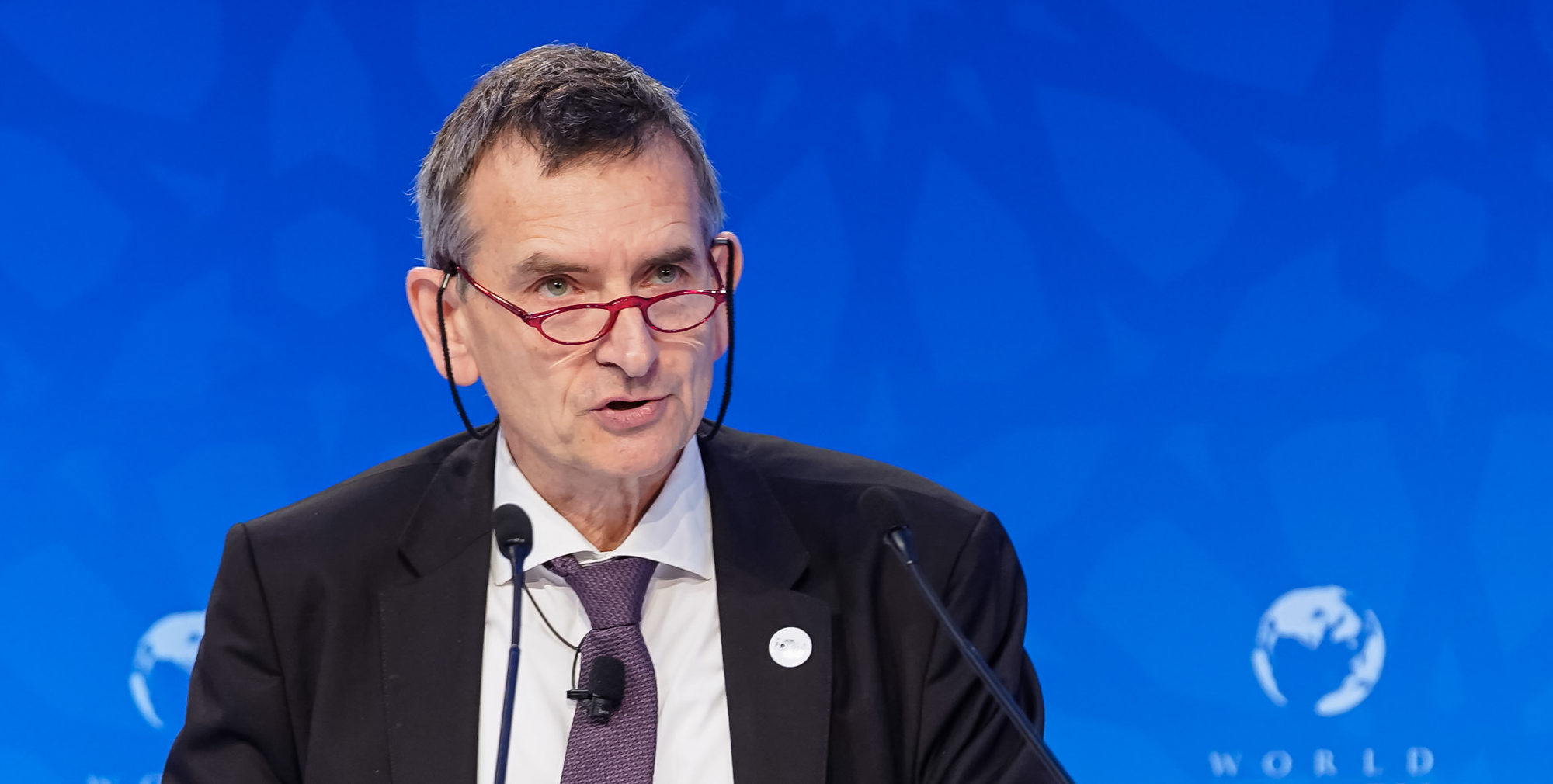
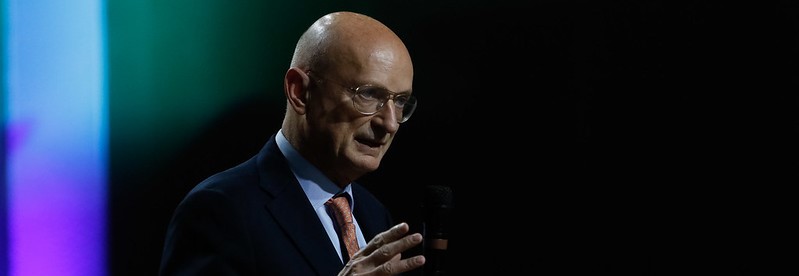
Ecumenical Patriarch Bartholomew made a resounding condemnation of the war in Ukraine in his speech at the opening of the International Conference “World Policy Conference – For a Reasonably Open World”, which was being held in Abu Dhabi the previous days, Bartholomew underlined that the ongoing war has led to the death of thousands of people, Ukrainians and Russians, while the destruction of infrastructure on the territory of Ukraine is incalculable.

The Ecumenical Patriarch, in his extensive speech, before representatives from all over the world, referred to the historical spiritual ties of the Kievan Rus with the Ecumenical Patriarchate, from which they received baptism into Christianity, in the 10th century, and the Russian attempts to undermine the Orthodox Church of Constantinople and its role in the Orthodox world, after the Fall of Constantinople, and especially from the 19th century, when in combination with the doctrine of pan-Slavism, Moscow instrumentalized the religious sentiment to achieve political and military purposes alien to it.

This attitude, which aimed at the removal of the Slavonic believers from their Mother Church and the promotion of Moscow as the “Third Rome”, led the Ecumenical Patriarchate to condemn it, in 1872, as a heresy, the heresy of ethno-phyletism, which comes in flagrant contradiction with the universalism of the Gospel message, aw well as but also to the ancient tradition of organization and administration of our Church.

This heresy of ethno-phyletism, with its vehicle of Pan-Slavism and the division of the Patriarchate’s flock, was useful for Moscow’s goals and the cause of the hatred among the Orthodox Christians of the Balkans, manifested during the Balkan wars and the atrocities that occurred in the early 20th century.

In his speech, the Ecumenical Patriarch referred to the marginalization of religion during the period of the Soviet Union, and its re-instrumentalization in the years that followed its fall. As he said, the Russian Orthodox Church has sided with Vladimir Putin, especially after the election of Patriarch Kiril, in 2009.

“He is actively involved in promoting the ideology of Rousskii Mir, the Russian World, according to which language and religion make it possible to define a coherent whole that will include Russia, Ukraine, Belarus as well as the other territories of the former Soviet Union and the diaspora.

Moscow (both political and religious power) would be the center of this world, whose mission would be to combat the decadent values of the West. This ideology is an instrument of legitimization of Russian expansionism and the basis of its Eurasian strategy.

The connection with the past of ethno-plyletism and the present of the Russian World is obvious. Faith thus becomes the backbone of the ideology of the Putin regime.”

[…]

Read the article on OrthodoxTimes.

Saudi foreign minister: ‘All bets off’ if Iran gets nuclear weapon

By Reuters

Published: 12 Dec 2022

Saudi Arabia’s foreign minister said on Sunday that Iran’s Gulf neighbours would act to shore up their security if Tehran were to obtain nuclear weapons.

Indirect US-Iranian talks to salvage a 2015 nuclear pact between global powers and Iran, which Washington exited in 2018, stalled in September. The UN nuclear chief has voiced concern over a recent announcement by Tehran that it was boosting enrichment capacity.

“If Iran gets an operational nuclear weapon, all bets are off,” Prince Faisal bin Farhan Al Saud said in an on-stage interview at the World Policy Conference in Abu Dhabi when asked about such a scenario.

“We are in a very dangerous space in the region…you can expect that regional states will certainly look towards how they can ensure their own security.”

Though Riyadh remained “sceptical” about the Iran nuclear deal, Prince Faisal said it supported efforts to revive the pact “on condition that it be a starting point, not an end point” for a stronger deal with Tehran.

“The signs right now are not very positive unfortunately,” he said.

[…]

Lire l’article sur le site de Khaleej Times.

Abu Dhabi’s Mubadala looking at ‘tough’ 2030 through lens of opportunity, says CEO

By Reuters

Published: Sat 10 Dec 2022

The chief executive of Abu Dhabi state investor Mubadala said on Saturday that 2023 would be a tough year for the global economy, but that the fund would be focused on opportunities serving a longer horizon.

“If I look at the one-year horizon, yes 2023 is going to be tough… with more headwinds than tailwinds in most places around the world,” Khaldoon Al Mubarak told the World Policy Conference in Abu Dhabi.

“There’s going to be big adjustments on valuations, recessionary pressures in many places around the world… but I see it in the lens of opportunity” under a 5-10 year horizon, he added.

Mubadala, Abu Dhabi’s second-biggest sovereign wealth fund, had $284 billion in assets under management at the end of last year, according to an investor presentation.

Mubarak said as a global investor, Mubadala would continue to follow an “agnostic” investment approach looking at growth patterns and long-term sustainable returns, and would continue to focus on sectors such as renewable energy and technology.

While Europe presented a “challenging picture”, he said India — with its huge population, growing middle class and economic trajectory — was “a picture where you see growth”.

[…]

Lire l’article sur le site de Khaleej Times.

Στην Ελληνική Πρεσβεία στο Αμπού Ντάμπι ο Οικουμενικός Πατριάρχης

12.12.2022

Στο Αμπού Ντάμπι βρέθηκε ο Οικουμενικός Πατριάρχης κ.κ. Βαρθολομαίος στο πλαίσιο του Διεθνούς Συνεδρίου “World Policy Conference – For a Reasonably Open World”. Κατά την παραμονή του στα Ηνωμένα Αραβικά Εμιράτα ο Παναγιώτατος είχε σειρά επαφών.

Επίσης, Οικουμενικός Πατριάρχης κ.κ. Βαρθολομαίος κατά την επίσκεψή του στο Αμπού Ντάμπι επισκέφθηκε την Ελληνική Πρεσβεία και ευλόγησε το δείπνο που παρετέθη προς τιμήν του στην Πρεσβευτική κατοικία.

Κατά την ομιλία του στην έναρξη του συνεδρίου, το οποίο ολοκληρώθηκε χθες με την εισήγηση του του Υπουργού Εξωτερικών της Σαουδικής Αραβίας, Α.Υ. Πρίγκηπος Faisal bin Farhan Al Saud, ο Οικουμενικός Πατριάρχης προχώρησε σε νέα ηχηρή καταδίκη του πολέμου στην Ουκρανία.

[…]

Read the article on Orthodoxi a news agency.

Saudi Arabia’s Foreign Minister warns of Iran nuclear weapon risk

Dec 11, 2022

Saudi Arabia’s Foreign Minister Prince Faisal bin Farhan has said Iran’s ongoing nuclear research had created a “very dangerous” situation in the region. He made the remarks at the World Policy Conference in Abu Dhabi on Sunday.

International efforts led by the US, EU, Russia and China to revive a 2015 nuclear deal with Iran — which would see UN inspectors monitor Iran’s nuclear programme in exchange for relaxing trade sanctions — have largely broken down.

“If Iran gets an operational nuclear weapon, all bets are off,” Prince Faisal bin Farhan said in an on-stage interview.

“We are in a very dangerous space in the region…you can expect that regional states will certainly look towards how they can ensure their own security.”

Prince Faisal said the kingdom might still be open to an agreement with Iran, “on condition that it be a starting point, not an end point” for a stronger deal with Tehran.

“We hear from the Iranians that they have no interest in a nuclear weapons programme, it would be very comforting to be able to believe that. We need more assurance on that level,” he said.

[…]

Lire l’article sur le site de The National.

Political solution the only way to restore peace in Ukraine, says UAE official

Nick Webster

Dec 10, 2022

A political solution is required to restore peace in Ukraine, Dr Anwar Gargash has told the World Policy Conference in Abu Dhabi.

Political leaders and analysts have met for the three-day forum to discuss international issues and promote a fairer, more prosperous world.

Russia’s conflict with Ukraine is estimated to have caused more than 200,000 deaths, with both countries suffering severe economic damage — and the rest of the world has felt the fallout.

Dr Gargash, diplomatic adviser to the UAE President, said talks were the only way to restore peace and begin the global economic recovery.

“This Ukraine war has been an earthquake in international politics,” he said.

“Our position on Ukraine is clear. It is too simplistic to say we are neutral on Ukraine. The UAE is not neutral.

“The UAE is affected by the crisis and it is trying to find the right balance between our principles of security, stability and prosperity, and the necessity to find a political solution to the war.

“We do not think the crisis can be resolved militarily. We have seen this in World War One with the Versailles Treaty, when a country is defeated but rises again to change the international order.

“From this perspective, it is necessary to find a solution to the war in Ukraine.”

Dr Gargash said evolving threats to stability and security in the region changed the way the UAE viewed its strategic allies, with diplomacy a more important tool in maintaining peace than ever before.

Drone attacks on the UAE and Saudi Arabia, along with emerging threats to cyber security, have presented major challenges.

“The world today is more dangerous and more complicated. We are less assured of stability,” said Dr Gargash.

“We have always had a US support for security in the region, but is that going to be assured for the next 30 years?

“That is one of the big challenges. The region is more concerned of specific threats now.

“I don’t see a scenario like what happened with Kuwait, but more specific threats like terrorism, Afghanistan and Yemen, as well as cyber warfare, drones and missiles.”

[…]

Lire l’article sur le site de The National.

Ecumenical Patriarch Bartholomew Blasts Russia Church’s ‘Pan-Slavism’

14.12.2022

Ecumenical Patriarch Bartholomew blasted what he called the “pan-Slavism” of the Russian Church under the leadership of Patriarch Kirill of Moscow in a wide-ranging speech last week in Abu Dhabi.

Speaking at the “World Policy Conference – For a Reasonably Open World”, Bartholomew condemned the support the Russian Orthodox Church offers to President Putin over the invasion of Ukraine.

The Ecumenical Patriarch criticized the role of the Russian Church over the last centuries and especially from the 19th century onwards when “in combination with the doctrine of pan-Slavism, it instrumentalized religious sentiment to achieve political and military purposes alien to the Church.”

Russia wanted to submit the church to its will in its effort to instrumentalize the religious feeling for its political and military ends, he said.

“From the capture of Constantinople by the Ottomans in 1453, Moscow aspired to replace the Ecumenical Patriarchate by proclaiming that Moscow represented ‘the third Rome’. This long-lasting policy of Moscow constitutes a fundamental factor of the division of the Orthodox world,” Bartholomew opined.

Bartholomew: Russian Church instrumentalizes religion

From the 19th century, Moscow instrumentalized religion he added. “Inspired by Pan-Germanism, the new ideology of Pan-Slavism, an organ of Russian foreign policy, acquired a religious component. This is the idea that churches should organize themselves according to the principle of ethnicity, the central marker of which would be language.

“It is this approach that the Ecumenical Patriarchate of Constantinople denounced in 1872 as heresy (the heresy of ethnophyletism, a form of ecclesial racism). It is in flagrant contradiction with the universalism of the Gospel message, as well as the principle of territorial governance which defines the organization of our church,” Bartholomew said.

He stressed that following the collapse of Communism, Russia used religion again for ideological purposes. The Russian Orthodox Church has sided with the regime of President Vladimir Putin, especially since the election of Patriarch Kirill in 2009.

“It actively participates in the promotion of the ideology of Rousskii Mir, of the Russian world, according to which language and religion make it possible to define a coherent whole encompassing Russia, Ukraine, Belarus as well as the other territories of the former Soviet Union and the diaspora.

[…]

By Tasos Kokkinidis.

Read the article on Greek Reporter.

Ukraine ready for winter battle, Foreign Minister tells Abu Dhabi forum

Nick Webster

Dec 11, 2022

Dmytro Kuleba says a strategic victory in the war involves the entire international community

Russian forces in Ukraine will struggle to fight in the winter because they have been poorly equipped and ill-treated, the Ukrainian Foreign Minister told the World Policy Conference in Abu Dhabi.

Plunging temperatures and heavy snow have created new challenges in the invasion that began in February, with many towns and cities across Ukraine left without power due to Russian bombing raids.

Addressing the conference from Kyiv by video link, Ukrainian Foreign Minister Dmytro Kuleba, whose home has been among those without power, said more than half of Ukraine’s power generation facilities have been damaged or destroyed.

“One of the reasons Ukraine has been able to repel these Russian attacks is because we have never relied on the weather or the seasons,” he said.

“The stakes are very high and nothing can stop our great soldiers or our people, who have suffered enormously.

“We know our army needs to be well-equipped in the winter, just as in the summer.

“The difference between us and the Russians is that we take better care of our soldiers, with better food and uniforms to survive in this environment.

“We have seen how poorly equipped the Russian soldiers are, and also how poorly treated they are — this is a disgrace of the Russian army.

“Many Russian soldiers will suffer enormously because of the cold weather.

“Winter is a game-changer, we know that [Russian President Vladimir] Putin has not accepted the reality that Russia is losing the war and that Russia will not win.”

Mr Kuleba said Russia was using “Second World War-era warfare” by sending poorly trained soldiers, prisoners and private mercenaries such as the Wagner Group to fight.

“They are sent in as cannon fodder — they are called ‘one timers’,” he said.

He said that showed “human life does not matter to Russia”.

“This is the biggest difference with Ukraine. Our people are precious to our country.”

[…]

Lire l’article sur le site de The National.

Συνεχίζονται οι εργασίες του ”World Policy Conference”

11.12.2022

Το Σάββατο, 10 Δεκεμβρίου 2022, δεύτερη ημέρα των εργασιών του Διεθνούς Συνεδρίου του “World Policy Conference – For a Reasonably Open World” οι μετέχοντες είχαν την ευκαιρία να επικοινωνήσουν διαδικτυακά με τον Εξοχ. Υπουργό Εξωτερικών της Ουκρανίας κ. Dmytro Kuleba, ο οποίος αναφέρθηκε στην επικρατούσα κατάσταση στην Ουκρανία και απάντησε σε πλήθος ερωτήσεών τους.

Το βράδυ παρετέθη το επίσημο δείπνο του Συνεδρίου, στο οποίο κύριος ομιλητής ήταν ο πρώην Πρωθυπουργός της Γαλλίας Εξοχ. κ. Laurent Fabius, Πρόεδρος του COP21 και του Συνταγματικού Συμβουλίου της Γαλλίας, ο οποίος μετά την εισαγωγική ομιλία του απάντησε σε ερωτήσεις των συνδαιτυμόνων.

Στο χθεσινό μεσημβρινό διάλειμμα η Α.Θ. Παναγιότης ο Οικουμενικός Πατριάρχης δέχθηκε στο κατάλυμά του, το Ξενοδοχείο St. Regis, τον Θεοφιλ. Επίσκοπο κ. Γρηγόριο και τον Πανοσιολ. Αρχιμανδρίτη κ. Μιχάηλ του Πατριαρχείου Αντιοχείας, οι οποίοι διακονούν στην περιοχή των Ηνωμένων Αραβικών Εμιράτων και οι οποίοι συνγευμάτισαν με τον Παναγιώτατο.

Σήμερα, Κυριακή, 11 Δεκεμβρίου, οι συνεδρίες είναι αφιερωμένες σε θέματα πανδημίας, δημόσιας υγείας και τροφίμων, καθώς και στο θέμα της Μέσης Ανατολής.

Μεταξύ των ομιλητών είναι και η Εξοχ. Υπουργός Κλιματικής Αλλαγής και Περιβάλλοντος των Εμιράτων κυρία Mariam Al Mheira, η οποία ανέφερε ότι η επόμενη Διάσκεψη για την κλιματική αλλαγή (COP28) του έτους 2023 θα γίνει στην χώρα της.

Το Συνέδριο θα κλείσει απόψε με ομιλία του Υπουργού Εξωτερικών της Σαουδικής Αραβίας, Α.Υ. Πρίγκηπος Faisal bin Farhan Al Saud.

Θα ακολουθήσει επίσκεψη στο Μουσείο του Λούβρου του Abu Dhabi.

Read the article on Romfea.

COP28 must target ‘equitable’ energy transition: UAE

Published on Dec. 13, 2022

The UAE is one of the world’s biggest oil producers

Next year’s UN climate talks in the United Arab Emirates must work towards a just and equitable energy transition, the oil-rich host country, seeking a gradual move from fossil fuels, said Friday.

The UAE is one of the world’s biggest oil producers.

It wants to “bring diverse and different thoughts to the table from all around the world and in particular the countries of the global south”, said Minister of State for International Cooperation Reem Al Hashimy.

“How we manage to deal with a just energy transition by also ensuring prosperity and stability for people around the world, how we manage to do that in a manner that’s equitable” is the issue, she told the World Policy Conference of political, business, academic and other leaders in Abu Dhabi.

In an interview with AFP in July, the UAE’s Minister of Climate Change and Environment Mariam Almheiri insisted the world is “not ready” to switch from hydrocarbons, despite the havoc being unleashed by global warming.

[…]

Lire l’article sur le site de Zawya.

The Ecumenical Patriarch departed for Abu Dhabi

08.12.2023

The Ecumenical Patriarch Bartholomew, today, Thursday, December 8, 2022, accompanied by Elder Metropolitan Emmanuel of Chalcedon and Tertiary Patriarchal Deacon Kallinikos, departed for Abu Dhabi, in order to participate in two International Conferences of Interfaith and Intercultural Dialogue.

Metropolitan Chrysostomos of Myra was appointed Commissioner.

Read the article on OrthodoxTimes.

UAE official says European relations with Gulf ‘should not be transactional’

 12/12/2022

A senior UAE official announced on Saturday it was hopeful to see greater European outreach to Gulf Arab countries in the face of the Ukraine war and energy crisis, but that engagement should not be “transactional.”

A number of European officials went to Gulf countries to secure energy deliveries outside of former top provider Russia when the West forced penalties on Moscow over its attack on Ukraine.

“What we’re hearing, especially from the Germans and others, about reengaging with the Gulf, I am encouraged but I would warn that it should not be transactional,” Anwar Gargash, the diplomatic consultant to the president of the UAE, updated the World Policy Conference in Abu Dhabi. “I think that language is partly driven by self-interest — trying to find new gas providers, new oil providers,” he said.

“We need to see actions … it has to be long term and strategic.”

Gargash repeated a call for “explicit” security pledges from traditional Western partners, mainly in coping with the threat from Iranian drones that Gulf states have long warned about.

It was not until these arms “made it into the Ukraine theater” that they were “catapulted” into the spotlight, and “suddenly the world rediscovered this issue,” Gargash added.

[…]

Lire l’article sur le site de MenaFN.

Patriarch Bartholomew: A distorted Orthodox faith is the basis of the ideology of the Putin regime

15.12.2022

“The distorted Orthodox faith (ie heresy in the ecclesiastical sense) is becoming the basis of the ideology of the Putin regime.” This is the main thesis of the program speech delivered by the Ecumenical Patriarch Bartholomew on December 10 during the International Conference on World Politics in Abu Dhabi, which is taking place these days.

The International Conference on World Politics is a kind of Valdais club, but of the Western democracies, chaired by the head of the French Institute of International Relations Prof. Thierry de Montbrial and bringing together authoritative political scientists and diplomats from the East and the West. Patriarch Bartholomew was also invited to speak at the fifteenth edition of the forum that year.

According to the patriarch, post-secularism in synthesis with Moscow’s neo-imperialism, the remnants of Soviet ideology and the paranoia of a political leader has created an ugly, bloody hybrid, the fruit of which is the bloody war in Ukraine. Until recently, theological disputes and the analysis of heresies were the purview of a narrow circle of professional theologians. However, with the outbreak of war in 2022, especially after Russian propaganda began to make it “sacred”, it became clear that even in our “enlightened” age, heresy can lead to mass bloodshed in a mad attempt to destroy the most the great European nation – Ukraine.

The Ecumenical Patriarch does not consider Russian Orthodoxy a heresy, recognizing its “great intellectual, spiritual and artistic contribution” to the Christian tradition. According to him, heresy is the ideology of the “Russian world”, which is pushed by Patr. Kirill (Gundyaev), Vladimir Putin and their ideological minions, cynically using the “revived religious feeling of the people” as a convenient political tool. Without the experience of immersion in Soviet atheism, which cut off the Russian people from the continuity of spiritual life, from tradition, the ideology of the “Russian world” could not conquer the consciousness of Russians. This ideology is a postmodernist neo-Orthodoxy that has fused into one the purely external trappings of pre-revolutionary imperial Orthodoxy, the clumsiness of Soviet atheism, and the psychic trauma left over from the collapse of the USSR.

[…]

Read the article on The European Times.

وزير الخارجية السعودي يرد على إمكانية حصول إيران على سلاح نووي


شكك وزير الخارجية السعودي الأمير فيصل بن فرحان في إمكانية أن تؤدي إعادة إحياء الاتفاق النووي الإيراني إلى منع إيران من الحصول على سلاح نووي.

وقال فيصل بن فرحان، في مؤتمر السياسات العالمية بالعاصمة الإماراتية أبوظبي، إن إحياء الاتفاق النووي الإيراني يجب أن يكون “نقطة بداية”، مؤكدا أن المؤشرات بالنسبة لإعادة إحياء الاتفاق حاليا “ليست إيجابية”.

وأضاف وزير الخارجية السعودي: “إذا لم يتم التوصل إلى اتفاق، أعتقد أننا سندخل في فترة معقدة وخطيرة جدا في منطقتنا يجب أن نتفاداها، وحتى إذا تم التوصل إلى اتفاق فهذه ليست النهاية ويجب أن ننظر إلى ما هو أبعد من ذلك من أجل اتفاق قوي”.

[…]

Lire l’article sur le site de Almasdr 24.

Nuklearer Iran gefährdet gesamte Region

14.12.2022

Der saudische Außenminister äußerte seine Besorgnis über einen atomar bewaffneten Iran, der den gesamten Nahen Osten in einen sehr gefährlichen geopolitischen Raum verwandeln würde.

Der saudi-arabische Außenminister Prinz Faisal bin Farhan bin Abdullah Al Saud sagte am Sonntag, die arabischen Golfstaaten würden »sich selbst um die Gewährleistung ihrer Sicherheit kümmern«, falls Teheran in den Besitz von Atomwaffen gelange. »Hat der Iran eine einsatzfähige Atomwaffe, ist alles möglich«, meinte er während der World Policy Conference in Abu Dhabi, als er auf ein solches Szenario angesprochen wurde.

»Wir befinden uns in einem sehr gefährlichen Raum in der Region. Die Zeichen sind im Moment leider nicht sehr positiv«, sagte Faisal laut einem Bericht der Nachrichtenagentur Reuters. »Wir hören von den Iranern, dass sie kein Interesse an einem Atomwaffenprogramm haben. Es wäre sehr beruhigend, könnten wir das glauben. Wir brauchen mehr Sicherheit auf dieser Ebene.«

Der Iran bestreitet nach wie vor, dass sein Atomprogramm nicht nur friedlichen, zivilen Zwecken diene, doch die Größe dieses Programms mache für diese Erklärung schlicht keinen Sinn. So hat im September auch die UN-Atomenergiebehörde Zweifel am friedlichen Charakter des iranischen Atomprojekts geäußert. Sie sei »nicht in der Lage zu versichern, dass das iranische Atomprogramm ausschließlich friedlich ist«, erklärte die IAEO damals in ihrem Bericht.

Indirekte amerikanisch-iranische Gespräche zur Rettung des als Gemeinsamer Umfassender Aktionsplan (JCPOA) genannten Atomabkommens zwischen dem Iran und den Weltmächten aus dem Jahr 2015 kamen im September zum Stillstand.

Riad bleibe »skeptisch« gegenüber dem Abkommen, sagte Prinz Faisal, unterstütze aber die Bemühungen um seine Wiederbelebung »unter der Bedingung, dass es ein Ausgangs- und kein Endpunkt« für ein stärkeres Atomabkommen ist. Die arabischen Golfstaaten wollen eine Vereinbarung, die auch ihre Bedenken hinsichtlich der iranischen Raketen- und Drohnenprogramme sowie der Finanzierung eines Terrornetzwerks regionaler Stellvertreter durch die Islamische Republik berücksichtige.

[…]

Read the article on mena-watch.

Ruthless power battles in Middle East give Asia a golden chance

28.01.2023

China and South Korea keen to exploit Israeli-Arab rapprochement

Many Asian countries depend heavily on oil from the Middle East to meet their energy needs. In particular, Japan buys more than 90% of its imported crude oil from the region. Now a geopolitical earthquake of an unprecedented scale is rocking the region, with potentially huge implications for Japan and the rest of Asia.

China and South Korea have already sensed new strategic opportunities. Last December, Chinese President Xi Jinping visited Saudi Arabia and signed a comprehensive strategic partnership in energy, high tech and other areas. The following month, South Korean President Yoon Suk-yeol traveled to the United Arab Emirates, which agreed to invest $30 billion in 13 South Korean projects in such fields as energy, defense and space.

Ever since Israel was founded in 1948, the Middle East has been embroiled in conflicts between the Jewish state and the Arab countries. The two sides have fought four wars, with the Arab nations committed to supporting Palestinians who lost their homes and have been living as refugees. Except for Egypt and Jordan, no Arab country had a formal diplomatic tie with Israel until recently.

But the geopolitical landscape has begun to change. Some Arab nations are now developing partnerships with Israel not just in commerce but in security as well. Leading this trend is the UAE, which has struck a broad security partnership with Israel.

Recently, the UAE quietly installed Israel’s Barak 8 air defense system near its capital, Abu Dhabi. Israel offered the advanced unit, capable of shooting down missiles and drones, as part of the bilateral security pact, with its deployment completed before this winter, said an Israeli military expert.

Israel is also expanding intelligence ties with Arab nations. The top official of Mossad, Israel’s chief intelligence and secret-service agency, visited Bahrain this month and signed an agreement to cooperate in intelligence activities with its counterpart there. Some Mossad agents are already working in Bahrain, sharing sensitive military information with its intelligence authority, according to a Bahrain official.

The expanding relationships between Israel and these Arab nations are direct consequences of the Abraham Accords, a series of agreements to establish diplomatic ties between Israel and Arab states.

Brokered by the administration of former U.S. President Donald Trump, the normalization deals were first struck between Israel and two Arab neighbors, the UAE and Bahrain, in September 2020. Israel and Morocco agreed to normalize relations in December the same year. These pacts have changed what had long been seen as a confrontation between Israel and a united Arab front.

Local experts point out two geopolitical factors that bind Israel and some Arab nations.

One is the security threat posed by Iran, their common enemy. Iran has been developing nuclear arms while also expanding its influence in the Middle East by taking advantage of turmoil in Syria and Iraq.

Tehran’s military and geopolitical ambitions are deeply disturbing to Israel, which Iran’s Islamic government regards as an archenemy. Iran has been providing military support to armed Islamic groups, including Hamas, the militant group that controls the Gaza Strip, and the Lebanese group Hezbollah.

Iran is also a serious threat to Arab kingdoms as it purportedly seeks to “export” its Islamic Revolution, which brought the collapse of the last Iranian dynasty, to its Arab neighbors. Iran’s increased influence could shake the foundations of Arab kingdoms.

“Today, we are still suffering from this real serious threat from Iran,” said Abdulaziz Sager, founder and chairman of the Gulf Research Center, at the World Policy Conference held in Abu Dhabi last December.

[…]

By Hiroyuki Akita.

Read the article on Nikkei Asia.

انطلاق مؤتمر السياسات العالمي.. والإمارات تؤكد التعاون لحل المشكلات الدولية

انطلاق مؤتمر السياسات العالمي.. والإمارات تؤكد التعاون لحل المشكلات الدولية

العين الإخباريةالجمعة 2022/12/9 04:34 م بتوقيت أبوظبي

مؤتمر السياسات العالمي في أبوظبي نحو عالم أكثر انفتاحاً وازدهاراً

تم تحديثه الجمعة 2022/12/9 08:36 م بتوقيت أبوظبي

انطلقت في أبوظبي، اليوم الجمعة، مؤتمر السياسات العالمي في دورته الـ15 والتي تنعقد على مدار 3 أيام في العاصمة الإماراتية بحضور دولي لافت.

وقالت ريم الهاشمي، وزير الدولة الإماراتية لشؤون التعاون الدولي، في افتتاح المؤتمر، إن التقدم الذي تشهده بلادنا قائم على مبدأ احترام القيم ووجهات النظر المختلفة.

وأضافت أنه “ينبغى أن ندرس ونتفهم جيدا التحديات التي مررنا بها خلال العام الحالي”، مشيرة إلى أن المشكلات العالمية يجب حلها بروح التعاون.

وشددت الهاشمي على أن “دولة الإمارات تحوي العديد من الثقافات على مستوى عربي وعالمي، كما نتبادل السلع مع الدول الأخرى نتبادل الممارسات والأفكار مع جميع الدول حول العالم لنتعلم كيف ننمو كأمة وشعب”.

وأشارت إلى أنه “لمواجهة تحديات الغد والمشكلات التي نواجهها اليوم يجب أن نقيم بدقة أين نقف الآن، 2022 كانت سنة تحديات خاصة التعافي من جائحة كورونا، وكذلك الحرب الروسية الأوكرانية التي أدت لأزمة إنسانية كبيرة في أوروبا وأثرت على ملفات أخرى مثل سلاسل الإمداد والأمن الغذائي”.

وأوضحت أن “الإمارات تستضيف كوب 28 ونعمل على جلب الأفكار المختلفة للنقاش”.

ولفتت الهاشمي إلى أن “المؤسسات التي تأسست في مرحلة ما بعد الحرب العالمية الثانية واجهت خلال آخر 10 سنوات تحديات دايناميكية، ويجب على هذه المؤسسات أن تظل تعمل على إيجاد حلول للمشكلات الحالية”.

واختتمت كلمتها مؤكدة أن “طريق التقدم في دولة الإمارات واضح وسيتم عبر الحوار البناء”.

ويشارك في فعاليات المؤتمر، والذي تأسس على يد تييري دي مونتبريال رئيس المعهد الفرنسي للعلاقات الدولية، نخبة من صناع القرار والخبراء الأكاديميين وقادة الرأي من أكثر من 40 دولة.

ومن المتوقع أن يناقش المواضيع المتعلقة بالأولويات الجيوسياسية والاقتصادية والثقافية، والحلول لعدد من التحديات العالمية المعاصرة وكيفية العمل على تعميق الروابط بين القطاعات العالمية المختلفة

[…]

Lire l’article sur le site de Al-Ain News

ウクライナ外相、仏大統領の発言「理解できない」

10.12.2022

【アブダビ=北松円香】ウクライナのクレバ外相は10日、停戦交渉の際にはロシアの安全保障を考慮すべきだとしたフランスのマクロン大統領の最近の発言を批判した。フランスによる支援に感謝の意を示す一方、ロシアの立場に配慮する発言は「理解できない」と反発した。

著名シンクタンクのフランス国際関係研究所(IFRI)がアブダビで開催中の「世界政策会議」にオンラインで参加し、ウクライナの現状について述べた。…

Read the article on Nikkei.

사우디 ‘이란 핵무기 가지면 예측불허 상황 된다’ 경고

12.12.2022

외교장관 “페르시아만 국가들, 안보 강화하기 위해 행동 나설 것”

(서울=연합뉴스) 임화섭 기자 = 만약 이란이 실제로 작동하는 핵무기를 갖게 된다면 “무슨 일이 생길지 모르는” 상황이 되며 페르시아만 국가들은 안보를 강화하기 위해 행동에 나설 것이라고 사우디아라비아 외교장관이 11일(현지시간) 경고했다.

로이터통신에 따르면 파이살 빈 파르한 알사우드 사우디아라비아 외교장관은 아랍에미리트(UAE) 아부다비에서 열린 세계정책회의(World Policy Conference)의 무대 위 인터뷰에서 질문을 받고 이렇게 답했다.

그는 “우리는 이 지역(페르시아만)에서 매우 위험한 공간에 있다”며 “지역 국가들은 어떻게 하면 스스로의 안보를 확보할 수 있을지 고려하게 될 것이 분명하다”고 말했다.

사우디 외교장관의 이번 발언은 최근 이란이 핵물질 농축 역량을 키우고 있다고 발표한 데 대해 라파엘 그로시 국제원자력기구(IAEA) 사무총장이 우려를 표명하고 대화 재개를 촉구한 가운데 나온 것이다.

이란이 미국과 프랑스, 영국, 러시아, 중국, 독일 등 6개국과 2015년 체결한 핵합의(JCPOA·포괄적 공동행동계획)를 도널드 트럼프 전 미국 행정부가 2018년 일방적으로 탈퇴하고 대이란 제재를 복원하자, 이란은 IAEA 사찰을 제한하고 우라늄 농축 농도를 높여왔다.

이란은 핵무기 개발 의혹을 부인하면서 자국의 핵 프로그램은 평화적 목적을 위한 것이라고 주장해 왔다.

미국에 조 바이든 행정부가 들어선 후 JCPOA를 되살리기 위한 대화가 한동안 진행됐으나 9월부터는 열리지 않고 있다.

파이살 사우디 외교장관은 사우디가 이란 핵합의에 대해 “회의적”이긴 하지만 이를 되살리기 위한 노력은 지지한다고 말했다. 그는 다만 “이란 핵합의는 (이란 측과 더욱 강력한 합의를 하기 위한) ‘끝 지점’이 아니라 ‘시작 지점’이 되어야 할 것이라고 주장했다.

그는 “불행하게도 지금 당장은 징조가 아주 긍정적이지 않다”며, 핵무기 계획에 관심이 없다는 이란의 주장을 믿을 수 있으려면 더욱 많은 보장이 필요하다고 말했다.

Read the article on Newstong.

사우디 “이란 핵 보유시 주변국들 안전보장 방법 찾아나설 것”

12.12.2022

이란이 핵무기를 보유할 경우 주변국들은 자체 안보를 강화하기 위한 행동에 나설 것이라고 파이살 빈 파르한 알사우드 사우디아라비아 외무장관이 밝혔습니다.

파이살 장관은 어제(11일) 아랍에미리트(UAE) 아부다비에서 열린 세계정책회의(World Policy Conference) 인터뷰에서 “만일 이란이 작동하는 핵무기를 갖게 된다면 모든 예측이 불가능하다”고 말했습니다.

그러면서, “역내 국가들은 스스로의 안전을 보장할 수 있는 방안을 찾게 될 것”이라고 밝혔습니다.

파이살 장관은 “우리는 이란인들로부터 그들이 핵 프로그램에 관심이 없다는 말을 들었다”면서 “그것을 믿을 수 있다면 매우 위안이 될 것이며, 우린 그 수준에서 좀더 확신이 필요하다”고 말했습니다.

파이살 장관의 발언은 최근 이란이 순도 60%의 농축우라늄 생산을 재개하는 등 핵 역량을 강화하고 있다고 발표한 가운데 나왔습니다.

이란은 핵무기 개발 의혹을 부인하면서 자국의 핵 프로그램은 평화적 목적이라고 주장하고 있습니다.

VOA 뉴스

Read the article on VoaKorea.

Advierten a Irán por armas nucleares

12.12.2022

El ministro de Exteriores de Arabia Saudí dijo que si Irán desarrolla un arma nuclear, los países de la región buscarán su seguridad.

El ministro de Exteriores de Arabia Saudí, Faisal bin Farhan, dijo que, si Irán desarrolla un arma nuclear, los países de la región del golfo Pérsico y de Oriente Medio “reaccionarán” para garantizar su propia seguridad.

“Creo claramente que, si Irán obtiene un arma nuclear operativa, todas las apuestas están cerradas”, dijo el jefe de la diplomacia saudí en un panel en el foro World Policy Conference de Abu Dabi, en Emiratos Árabes Unidos.

De acuerdo con Bin Farhan, la región es “un espacio muy peligroso”, puesto que “se ha visto una actividad significativa de Irán” en relación al enriquecimiento de uranio y al posible desarrollo de armas nucleares.

“Y, por supuesto, los estados regionales no querrán estar expuestos a tal amenaza sin reaccionar. Podemos esperar que los estados regionales, sin duda, busquen cómo garantizar su propia seguridad”, apuntó el ministro.

Asimismo, hizo referencia a las crecientes tensiones políticas y económicas entre Estados Unidos y China, las dos potencias mundiales, y aseguró que “la polarización es la última cosa que necesitamos ahora mismo”.

“Ya estamos viendo tremendas presiones sobre la economía global (…) más polarización no es la manera de resolver eso, es solo la forma de exacerbarlo. Necesitamos construir puentes”, dijo Bin Farhan, cuyo país mantiene buenas relaciones con las dos potencias pero que recientemente se está acercando más a China.

[…]

Read the article on El Siglo de Durango.

UAE official says European ties with Gulf ‘should not be transactional’

10.12.2022

DUBAI (Reuters) – A senior United Arab Emirates official said on Saturday it was encouraging to see greater European outreach to Gulf Arab states in the face of the Ukraine conflict and energy crunch, but that engagement should not be “transactional”.

A number of European officials have visited Gulf countries to secure energy supplies outside of former top provider Russia after the West imposed sanctions on Moscow over its invasion of Ukraine.

“What we’re hearing, especially from the Germans and others, about reengaging with the Gulf, I am encouraged but I would warn that it should not be transactional,” Anwar Gargash, the diplomatic advisor to the president of the UAE, told the World Policy Conference in Abu Dhabi.

“I think that language is partly driven by self-interest — trying to find new gas providers, new oil providers,” he said. “We need to see actions… it has to be long term and strategic.”

Gargash reiterated a call for “explicit” security assurances from traditional Western allies, especially in dealing with the threat from Iranian drones that Gulf states have long warned about.

It was not until these weapons “made it into the Ukraine theatre” that they were “catapulted” into the spotlight, and “suddenly the world rediscovered this issue”, Gargash said.

Western states have accused Russia of using Iranian drones to attack targets in Ukraine, which Tehran and Moscow have denied.

[…]

Read the article on Saltwire.


Le coup de gueule strident de Aminata Touré : « Ça n’a aucun sens »

09.12.2022

La réunion annuelle du Think Tank «World Policy Conférence» tient ses assises à Abu Dhabi en présence de nombreux leaders du secteur privé international, d’anciens chefs de gouvernements, de ministres et chercheurs.

Aminata Touré dans le panel d’ouverture sur le thème « Une géo-économie du Développement international dans un monde fragmenté » a fait remarquer que l’absence de au Conseil de Sécurité de l’Afrique composée de 54 pays n’a aucun sens, plus de 70 après la création des Nations Unies.

Selon elle, pour crédibiliser le discours sur la gouvernance mondiale il faut commencer par réparer cette situation injuste qui n’a que trop duré. Aminata Touré a aussi plaidé pour la reconnaissance de la contribution significative des femmes à l’économie mondiale et la nécessité de leur accorder plus de place, de soutien et de respect.

Lire l’article sur sene.news.

Aminata Touré pour la redéfinition des relations entre l’Afrique et le reste du monde

10.12.2022

Aminata Touré, députée à l’Assemblée nationale sénégalaise, était présente à la 15e édition de la Worl Policy Conference (WPC). L’ancienne Première Ministre intervenait lors de la plénière « Geoeconomics and Development in a Fragmented World » pour évoquer la place du continent Africain dans la géopolitique mondiale.

S’adressant aux intervenants, Aminata Touré explique qu’il est fondamental de permettre aux femmes (51% de la population) de contribuer aux décisions sociales, économiques, etc. Pour elle, il serait temps que l’on ait une bonne cartographie du terrorisme si l’on veut sérieusement régler la question.

L’ancienne Première Ministre invite, aussi, à un dialogue sur les contentieux pour redéfinir les relations entre l’Afrique et l’Europe, les États-Unis et le reste du monde. L’Afrique a bien compris qu’il faut investir sur ses femmes, ses jeunes et ses institutions.

« Lors de la réunion annuelle du World Policy Conference de Abu Dhabi sur la Gouvernance globale qui a vu la présence de nombreux leaders du secteur privé international, d’anciens chefs de gouvernements, de ministres et chercheurs, nous avons fait remarquer que l’absence au Conseil de Sécurité de l’Afrique qui est composée de 54 pays n’a aucun sens, plus de 70 après la création des Nations Unies.

Nous leur avons aussi fait savoir lors de ce panel d’ouverture, qui avait pour thème « Une géo-économie du Développement international dans un monde fragmenté », que pour crédibiliser le discours sur la gouvernance mondiale, il faut commencer par réparer cette situation injuste qui n’a que trop duré. Nous avons par ailleurs plaidé pour la reconnaissance de la contribution significative des femmes à l’économie mondiale et la nécessité de leur accorder plus de place, de soutien et de respect », a écrit Aminata Touré sur Facebook parcouru par Xibaaru.

Par Niakaar.

Lire l’article sur Xibaaru.

World Policy Conference de Abu Dhabi sur la Gouvernance globale : Aminata Touré plaide pour un siège permanent à l’Afrique au Conseil de Sécurité.

09.12.2022

La réunion annuelle du Think Tank «World Policy Conférence» tient ses assises à Abu Dhabi en présence de nombreux leaders du secteur privé international, d’anciens chefs de gouvernement, de ministres et  chercheurs.

Prenant part au panel d’ouverture sur le thème “Une géo-économie du Développement international dans un monde fragmenté”, Aminata Touré a fait état de l’absence au Conseil de Sécurité de l’Afrique composée de 54 pays. Selon elle, cela n’a aucun sens pour cette organisation internationale qui a d’ailleurs soufflé ses 77 bougies (Nations Unies).

Aminata Touré a insisté sur la réparation de cette situation “injuste” afin de crédibiliser le discours sur la gouvernance mondiale. Parallèlement, elle a plaidé pour la reconnaissance de la contribution significative des femmes à l’économie mondiale et la nécessité de leur accorder plus de place, de soutien et de respect…

Lire l’article sur Dakaractu.

Security cannot be solely defined by military means- Min. Nshuti Manasseh

10.12.2022

The Minister of State Prof. Nshuti Manasseh has called for the international community to look for sustainable solutions that address root causes of conflicts.

The Minister in the Ministry of Foreign Affairs and International Cooperation in Charge of East African Community made this remark in a plenary session on “The Sahel and West Africa: Geopolitics and Geo-economics” at the 15th Edition of the World Policy Conference taking place in Abu Dhabi, UAE from 9th – 11th December 2022.

Minister Nshuti told participants that consequences of insecurity in Sahel affect many countries.

“The terrorism threat is affecting and dangerously spreading beyond the Sahel region. As we all know terrorism has no borders,” he said.

Reflecting on solutions to conflicts, the official reminded that military means cannot be perceived as a panacea for all insecurity challenges.

“Security cannot be solely defined and addressed simply by military means. It is important to address root causes of insecurity which include poor governance, service delivery and socio-economic challenges to ensure stable and cohesive societies,” he emphasized.

He added that there is need to increase Africa’s financial capacity to timely and efficiently respond to threats against peace and security on the continent.

“Indeed, in the world of peace support interventions, those who have the means lack the will, and those with the will lack resources,” he said.

Speaking on Rwanda’s commitment to peace and security efforts in Sahel and the whole African continent, the Minister of state told the gathering that Rwanda supports peace interventions through multilateral and bilateral arrangements.

“From the experience of Rwanda’s military support in Mozambique and Central African Republic, it’s proven that bilateral arrangements complement multilateral interventions in a better way to produce timely results,” he said.

The work of the fifteenth edition cover issues such as the International Economic Order, the Sahel and West Africa, US-China Rivalry, the Future of EU, Climate Change and Energy Transition, Public Health, Food Security, and many topics. More than 200 international leading figures are attending the conference.

By Peter Muyombano.

Read the article on KTPRESS.

“Minister Nshuti speaks out on insecurity in Sahel region”

10.12.2022

The international community should look for sustainable solutions that address root causes of conflicts, Prof. Nshuti Manasseh, Minister of State in the Foreign Affairs Ministry has said.

Manasseh said this during a plenary session on “The Sahel and West Africa: Geopolitics and Geo-economics” at the 15th Edition of the World Policy Conference taking place in Abu Dhabi, UAE from December 9 to 11, 2022.

He said the consequences of insecurity in Sahel affect many countries. “The terrorist threat is affecting and dangerously spreading beyond the Sahel region. As we all know terrorism has no borders.”

Reflecting on solutions to conflicts, Prof. Nshuti Manasseh reminded that military means cannot be perceived as a panacea for all insecurity challenges.

“Security cannot be solely defined and addressed simply by military means. It is important to address root causes of insecurity which include poor governance, service delivery and socio-economic challenges to ensure stable and cohesive societies,” he emphasized.

The state Minister added that there is need to increase Africa’s financial capacity to timely and efficiently respond to threats against peace and security on the continent.

“Indeed, in the world of peace support interventions, those who have the means lack the will, and those with the will lack resources,” he noted.

Speaking on Rwanda’s commitment to peace and security efforts in Sahel and the whole African continent, the Minister of state Prof. Nshuti told the gathering that Rwanda supports peace interventions through multilateral and bilateral arrangements.

“From the experience of Rwanda’s military support in Mozambique and Central African Republic, it’s proven that bilateral arrangements complement multilateral interventions in a better way to produce timely results,” he said.

The work of the fifteenth edition cover issues such as the International Economic Order, the Sahel and West Africa, US-China Rivalry, the Future of EU, Climate Change and Energy Transition, Public Health, Food Security, and many topics. More than 200 international leading figures are attending the conference.

By Michel Nkurunziza.

Read the article on The New Times.

15e édition de Conférence sur la politique mondiale Romuald Wadagni invité aux Émirats arabes unis

06.12.2022

Le ministre d’Etat chargé de l’Economie et des Finances Romuald Wadagni est invité à prendre part à la quinzième édition de la World Policy Conference (WPC) du 9 au 11 décembre 2022 à Abou Dabi, aux Émirats arabes unis.

Pour la deuxième fois, la ville d’Abou Dabi accueille la World Policy Conference (Conférence sur la politique mondiale ) du 9 au 11 décembre 2022. ¨Le ministre d’Etat chargé de l’Economie et des Finances Romuald Wadagni est attendu à cet événement. Il y sera avec d’autres personnalités de l’Arabie Saoudite, de l’Ukraine, du Rwanda, du Kazakhstan, du Sénégal etc.

La mission de la World Policy Conference est de contribuer à promouvoir un monde plus ouvert, plus prospère et plus juste. Fondée en 2008 par Thierry de Montbrial, président de l’Institut français des relations internationales (Ifri), la WPC offre « un espace de réflexion et de dialogue essentiel autour des grands enjeux de la gouvernance mondiale, tout en permettant à ses participants de développer des liens durables ».

Les travaux de la quinzième édition seront axés sur « l’ordre économique international, le Sahel et l’Afrique de l’Ouest, la rivalité sino-américaine, l’avenir de l’Union européenne, le changement climatique et la transition énergétique, la santé publique, la sécurité alimentaire, et bien d’autres sujets ».

Le vendredi 9 décembre, le ministre d’État, Romuald Wadagni va intervenir au cours de la session plénière 5 intitulée : « Le Sahel et l’Afrique de l’Ouest : géopolitique et géoéconomie ». Il sera aux côtés du Général Francis A. Behanzin, président co-fondateur du Réseau mondial des professionnels de sécurité et de défense pour la prévention et la lutte contre le terrorisme ; Serge Ekué, président de la Banque ouest-africaine de développement (BOAD) et Manasseh Nshuti, ministre d’État aux Affaires étrangères du Rwanda.

Par Akpédjé Ayosso.

Lire l’article sur 24 Heures au Bénin.

Le Bénin présente ses réformes à 15ème édition de la WPC

13.12.2022

Le Bénin a été invité à présenter ses réformes à la 15eme édition de la World Policy Conference (WPC) tenue à Abu Dabi du 9 au 11 décembre 2022.

Les travaux de cette édition étaient axés sur « l’ordre économique international, le Sahel et l’Afrique de l’Ouest, la rivalité sino-américaine, l’avenir de l’Union européenne, le changement climatique et la transition énergétique, la santé publique, la sécurité alimentaire, et bien d’autres sujets».

Le vendredi 9 décembre, le ministre d’État, Romuald Wadagni est intervenu lors de la session plénière 5 intitulée : « Le Sahel et l’Afrique de l’Ouest : géopolitique et géoéconomie ». Il avait à aux côtés du Général Francis A. Behanzin, président co-fondateur du Réseau mondial des professionnels de sécurité et de défense pour la prévention et la lutte contre le terrorisme ; Un représentant de la Banque ouest-africaine de développement (BOAD) et Manasseh Nshuti, ministre d’État aux Affaires étrangères du Rwanda

Excellents échanges avec Thierry de Montbrial sur les problématiques économiques et sociales présentes au Sahel et en Afrique de l’Ouest à l’occasion de la 15e édition de la World Policy Conference.

 Entre enjeux climatiques, extrême pauvreté hors des villes et influence croissante des mouvements terroristes, le Sahel et l’Afrique de l’Ouest doivent également faire face à une gouvernance instable et à un faible niveau de formation du capital humain.

 Le #Bénin est pleinement engagé depuis 2016 pour la #formation des #jeunes et la lutte contre l’extrême pauvreté.

 Notre économie est en marche. Avec un taux de croissance de 7,2% en 2021, notre pays a aujourd’hui l’un des taux d’inflation les plus faibles d’Afrique. 🇧🇯 RW

A propos de WPC

La mission de la World Policy Conference est de contribuer à promouvoir un monde plus ouvert, plus prospère et plus juste. Fondée en 2008 par Thierry de Montbrial, président de l’Institut français des relations internationales (Ifri), la WPC offre « un espace de réflexion et de dialogue essentiel autour des grands enjeux de la gouvernance mondiale, tout en permettant à ses participants de développer des liens durables ».

Par Judicaël Zohoun.

Lire l’article sur 24 Heures au Bénin.

وزير الخارجية ردًا على تساؤل بشأن «اتفاقيات إبراهام»: جوابنا واضح وهو دولة فلسطينية


جدد وزير الخارجية الأمير فيصل بن فرحان التأكيد على موقف المملكة الثابت بشأن القضية الفلسطينية.

جاء ذلك خلال مشاركة الوزير في مؤتمر السياسات العالمية في العاصمة الإماراتية أبوظبي، وفق «الإخبارية».

ولدى سؤال الوزير بشأن اتفاقيات أبراهام قال الأمير فيصل بن فرحان: «جوابنا واضح وهو دولة فلسطينية».

وتجدد المملكة التأكيد، بشكل دائم، على موقفها الثابت بشأن القضية الفلسطينية بمختلف المحافل والفعاليات الإقليمية والدولية؛ وذلك اعتدادًا بأن تلك القضية هي القضية المركزية للعرب والمسلمين، وهي كذلك القضية الأولى للمملكة منذ تأسيسها.

[…]

Lire l’article sur le site de Ajel.sa